Hypothyroidism can make your body feel like it is running on low battery mode. Your energy dips, your digestion slows, your skin may feel dry, and the scale can become a very dramatic household appliance. Naturally, many people start searching for the perfect “thyroid diet.” The good news: food can support thyroid health, improve energy, help with weight management, and make thyroid medication work more consistently. The honest news: no smoothie, supplement, or heroic bowl of kale can replace proper medical treatment.
A smart diet for hypothyroidism is not about fear. It is about balance, timing, and nutrient density. You do not need to ban every cruciferous vegetable, break up with soy forever, or sprinkle kelp powder on everything like a confused ocean chef. Instead, the best approach is a steady eating pattern built around whole foods, enough protein, fiber, key minerals, and smart medication habits.
What Hypothyroidism Means for Your Diet
Hypothyroidism happens when the thyroid gland does not make enough thyroid hormone to meet the body’s needs. Thyroid hormones influence metabolism, temperature regulation, digestion, heart rhythm, cholesterol levels, mood, and energy. When levels are low, the body may slow down in ways that affect appetite, bowel habits, fatigue, and weight.
Most people with hypothyroidism are treated with thyroid hormone replacement, commonly levothyroxine. Diet matters because certain foods, drinks, and supplements can interfere with how well this medication is absorbed. Diet also matters because the thyroid depends on nutrients such as iodine, selenium, zinc, iron, and protein to function normally. However, “more” is not always better. Too much iodine, for example, can worsen thyroid problems in some people.
The Best Foods to Eat for Hypothyroidism
1. Lean Protein at Every Meal
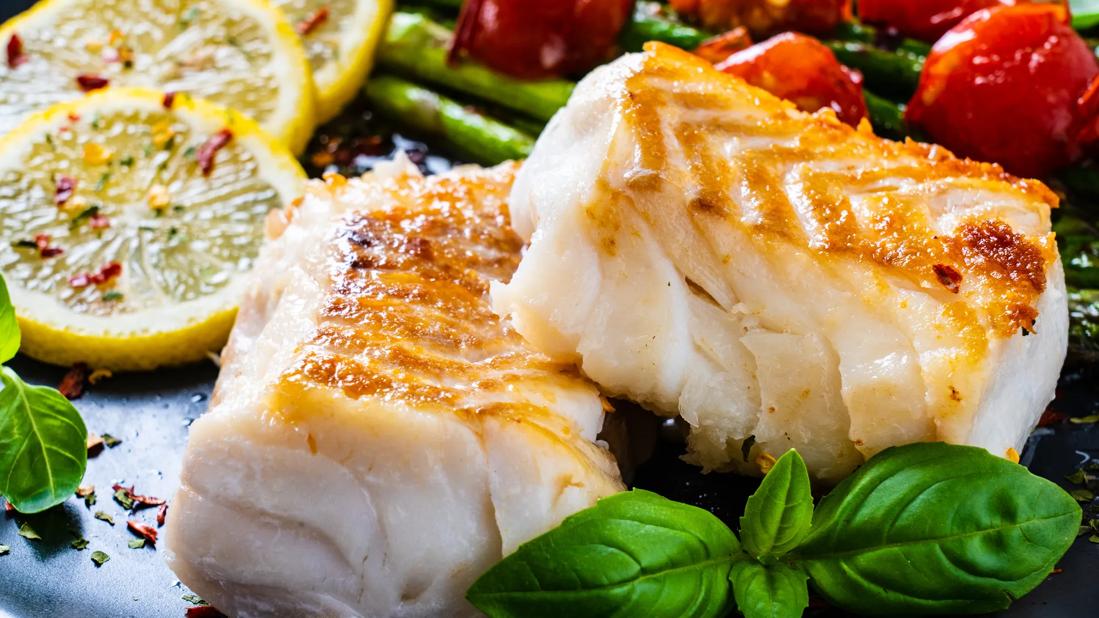
Protein helps preserve muscle, supports metabolism, and keeps meals satisfying. That matters because hypothyroidism may make weight management more challenging. Good options include eggs, chicken, turkey, fish, Greek yogurt, tofu, tempeh, lentils, beans, and lean beef. A simple plate might include grilled salmon, roasted sweet potato, and cooked broccoli. It is not glamorous enough for a reality show, but your thyroid does not need drama; it needs consistency.
2. Seafood and Iodine-Rich Foods in Reasonable Amounts
Iodine is required to make thyroid hormones. In the United States, iodine deficiency is less common because iodized salt and many foods provide it. Helpful sources include dairy products, eggs, fish, shrimp, and iodized salt. The key word is “reasonable.” Taking high-dose iodine or kelp supplements without medical advice is risky, especially for people with Hashimoto’s thyroiditis, the autoimmune condition that commonly causes hypothyroidism.
3. Selenium-Rich Foods
Selenium supports thyroid hormone metabolism and helps protect cells from oxidative stress. Food sources include Brazil nuts, tuna, sardines, eggs, turkey, chicken, and whole grains. Brazil nuts are famous for selenium, but they are also a great reminder that tiny foods can have big personalities. One or two Brazil nuts may provide plenty of selenium; a whole handful every day may be excessive. When it comes to selenium, “supportive” is good, “mega-dose” is not.
4. Zinc and Iron Sources
Zinc and iron are both involved in healthy thyroid function. Zinc-rich foods include oysters, beef, crab, pumpkin seeds, beans, yogurt, and nuts. Iron-rich foods include lean meats, poultry, seafood, lentils, spinach, beans, and fortified cereals. If you take iron supplements, separate them from thyroid medication by several hours because iron can reduce levothyroxine absorption.
5. High-Fiber Foods, Introduced Gradually
Constipation is a common hypothyroidism complaint, and fiber can help. Choose oats, berries, apples, chia seeds, beans, lentils, vegetables, and whole grains. Increase fiber slowly and drink enough water. Suddenly doubling your fiber intake can turn your digestive system into a marching band, and nobody asked for percussion.
6. Cooked Cruciferous Vegetables
Broccoli, cauliflower, Brussels sprouts, cabbage, bok choy, kale, and collard greens contain compounds sometimes called goitrogens. In very large amounts, especially raw, these compounds may interfere with thyroid hormone production in people with low iodine intake. But for most people, cooked cruciferous vegetables are safe, nutritious, and worth keeping on the plate. Cooking reduces goitrogenic activity, and normal portions are not a problem for most people with treated hypothyroidism.
7. Healthy Fats
Healthy fats help with fullness and support overall wellness. Include avocado, olive oil, nuts, seeds, and fatty fish such as salmon, trout, and sardines. These foods also fit a heart-friendly eating pattern, which is important because hypothyroidism can affect cholesterol levels in some people.
Foods and Drinks to Limit or Time Carefully
Soy Foods
Soy does not need to be banned. Tofu, tempeh, edamame, and soy milk can be part of a healthy diet. The main issue is medication timing. Soy may interfere with levothyroxine absorption if eaten too close to the dose. If you enjoy soy, keep it consistent and avoid taking thyroid medicine with a soy-heavy breakfast.
Coffee and Espresso
Coffee is not the enemy, but it is a terrible roommate for levothyroxine. Drinking coffee too soon after taking thyroid medication may reduce absorption. Many clinicians recommend taking levothyroxine with water and waiting 30 to 60 minutes before coffee or breakfast. If mornings are chaotic, ask your clinician whether bedtime dosing could work for you.
Calcium and Iron Supplements
Calcium and iron are useful when needed, but they can block thyroid medication absorption. Separate calcium supplements, iron supplements, multivitamins with minerals, and antacids from levothyroxine by at least four hours unless your healthcare provider gives different instructions.
Excessive Iodine and Kelp Supplements
Kelp sounds natural, but natural does not automatically mean safe. Kelp and seaweed supplements can contain very high iodine amounts. For some people with thyroid disease, especially autoimmune thyroid disease, excess iodine may make thyroid function harder to control. Use iodine supplements only with medical guidance.
Highly Processed Foods
Packaged snacks, sugary drinks, fast food, pastries, processed meats, and refined carbohydrates do not directly “cause” hypothyroidism, but they can worsen fatigue, weight gain, blood sugar swings, inflammation, and cholesterol issues. A thyroid-friendly diet should not feel like punishment, but it should not be built on drive-through fries and optimism either.
Gluten: Avoid Only When Needed
Gluten-free diets are often promoted for Hashimoto’s disease, but they are not automatically necessary for everyone with hypothyroidism. People with celiac disease must follow a strict gluten-free diet. People with unexplained digestive symptoms, iron deficiency, or unusually high thyroid medication needs should discuss celiac screening with a healthcare provider. For everyone else, whole-grain wheat foods can fit into a healthy diet if tolerated.
How to Take Thyroid Medication for Better Results
Food choices matter, but timing may matter even more. Levothyroxine is usually taken once daily with water on an empty stomach. Many people take it 30 to 60 minutes before breakfast. The goal is not to win a morning discipline contest; the goal is consistent absorption.
- Take thyroid medication with plain water.
- Wait 30 to 60 minutes before breakfast, coffee, or milk unless your clinician advises otherwise.
- Keep calcium, iron, antacids, and mineral-containing multivitamins at least four hours away.
- Tell your clinician if you dramatically change your fiber, soy, or supplement habits.
- Do not switch medication timing frequently without discussing lab monitoring.
A Simple Hypothyroidism Meal Plan Example
Breakfast
After waiting the recommended time following medication, try Greek yogurt with berries, chia seeds, and walnuts. Another option is scrambled eggs with sautéed spinach and whole-grain toast. If you drink coffee, enjoy it after the medication window.
Lunch
Build a balanced bowl with quinoa, grilled chicken or tofu, roasted vegetables, avocado, and olive oil vinaigrette. This gives protein, fiber, minerals, and healthy fats without turning lunch into a sad desk salad.
Dinner
Try baked salmon with brown rice and cooked Brussels sprouts, or turkey chili with beans, tomatoes, and vegetables. These meals are filling, nutrient-dense, and practical for leftovers.
Snacks
Good snack options include fruit with nut butter, cottage cheese, hard-boiled eggs, pumpkin seeds, hummus with vegetables, or a small portion of Brazil nuts. Keep snacks simple. Your thyroid does not need a twelve-step snack ceremony.
Common Hypothyroidism Diet Myths
Myth 1: You Must Avoid All Broccoli, Kale, and Cabbage
Not true for most people. Normal portions of cooked cruciferous vegetables are usually safe and healthy. Problems are more likely with very large amounts of raw cruciferous vegetables, especially when iodine intake is low.
Myth 2: A Thyroid Diet Can Replace Medication
Diet can support treatment, but it cannot reliably replace thyroid hormone medication when the body does not make enough hormone. Stopping medication without medical guidance can lead to worsening symptoms and serious complications.
Myth 3: More Supplements Mean Faster Healing
Supplements can help when there is a real deficiency, but random “thyroid support” pills may contain excessive iodine, glandular extracts, or ingredients that interfere with lab tests and medication. Test, do not guess.
Myth 4: Everyone With Hashimoto’s Must Go Gluten-Free
A gluten-free diet is essential for celiac disease. For people without celiac disease or gluten sensitivity, the evidence does not support gluten-free eating as a universal thyroid treatment. If removing gluten makes your overall diet less processed and more nutritious, that may help you feel better, but gluten itself is not always the villain.
Practical Experiences: What Real-Life Thyroid-Friendly Eating Feels Like
Living with hypothyroidism often teaches people that health is less about perfection and more about patterns. One common experience is the “medication timing learning curve.” At first, taking a pill and waiting before coffee can feel like a personal attack on morning happiness. Many people solve this by keeping medication and a glass of water beside the bed, taking it when they wake up, then showering or getting dressed before breakfast. Others, with clinician approval, take it at night several hours after dinner. The best routine is the one you can repeat consistently.
Another real-life lesson is that fatigue can lead to convenience eating. When energy is low, cooking a balanced dinner may feel as realistic as assembling furniture without instructions. This is where meal prep becomes helpful. Not fancy meal prep with twenty containers and a motivational soundtrack, but basic backup food: cooked eggs, canned tuna, rotisserie chicken, washed greens, frozen vegetables, cooked rice, soup, chili, Greek yogurt, and fruit. When nutritious food is easy to grab, the diet becomes less dependent on willpower.
People with hypothyroidism also often discover that the scale does not respond overnight. A thyroid-friendly diet is not a crash diet. It works best when it supports stable blood sugar, digestion, muscle maintenance, and medication absorption. For example, swapping a pastry-only breakfast for eggs, berries, and whole-grain toast may not create instant fireworks, but it can reduce midmorning hunger and improve energy. Adding a walk after dinner may support digestion and mood. These small habits stack up quietly, like responsible little health accountants.
Dining out can still work. Choose grilled fish, chicken, lean meat, bean-based dishes, cooked vegetables, baked potatoes, rice, salads with protein, or broth-based soups. Ask for sauces on the side, and do not panic over one indulgent meal. A thyroid-friendly lifestyle has room for birthday cake, pizza night, and fries stolen from someone else’s plate. The point is not to eat like a nutrition textbook. The point is to make your usual meals supportive enough that occasional treats do not run the whole show.
Finally, many people learn to pay attention to symptoms without blaming every symptom on the thyroid. Fatigue, constipation, hair changes, and weight gain can involve sleep, stress, iron levels, vitamin B12, vitamin D, medications, calorie intake, and other health conditions. Keeping a simple log of medication timing, meals, symptoms, and lab results can help you and your healthcare provider spot patterns. The most useful diet for hypothyroidism is not extreme. It is steady, flexible, nutrient-rich, and designed for real life.
Conclusion
The best diet for hypothyroidism is balanced, consistent, and realistic. Focus on lean protein, seafood in moderate amounts, selenium-rich foods, zinc and iron sources, fiber-rich plants, healthy fats, and cooked vegetables. Be cautious with excessive iodine, kelp supplements, heavily processed foods, and poor medication timing. You do not need to fear broccoli, soy, or gluten automatically. You do need to understand how food, supplements, and thyroid medication interact.
Most importantly, work with your healthcare provider to monitor thyroid labs, medication dose, and any nutrient deficiencies. Your plate can support your thyroid, but it should not carry the entire medical team on its back.