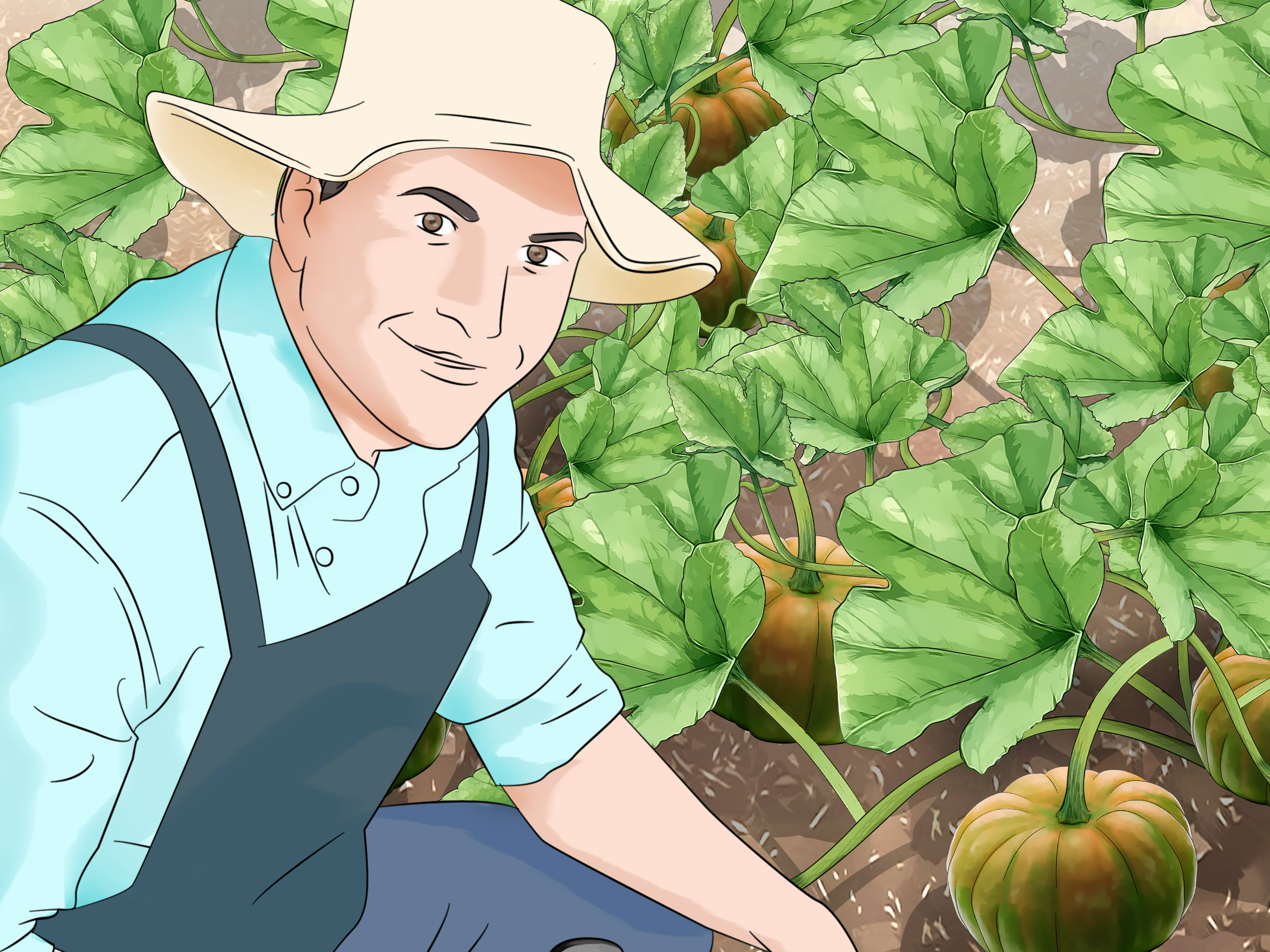
So, you want to become a farmer without experience. Maybe you grew one tomato plant on a balcony and now you are dreaming of rows of vegetables, chickens with attitude, and a sunrise that looks like it was edited for a seed catalog. Good news: many successful farmers did not grow up driving tractors or discussing soil pH at the dinner table. They started exactly where you arecurious, slightly overwhelmed, and wondering whether “mulch” is a noun, a verb, or a lifestyle.
Farming is not just planting seeds and waiting for nature to clap. It is a mix of biology, business, weather management, marketing, machinery, customer service, recordkeeping, and patience. Lots of patience. But with the right path, you can move from beginner to capable producer without pretending you already know everything. In fact, admitting you are new is one of the smartest first steps you can take.
This guide breaks down how to become a farmer without experience in 14 practical steps. It is built around real-world recommendations from U.S. agriculture resources such as USDA beginning farmer programs, Cooperative Extension services, Farm Service Agency support, ATTRA sustainable agriculture training, SARE business guides, university small farm programs, and farmer education networks.
Can You Really Become a Farmer With No Experience?
Yes, but you should treat farming like a profession, not a weekend fantasy with better boots. The USDA generally considers someone a beginning farmer or rancher if they have operated a farm for less than 10 years. That means “new farmer” is a recognized category, not a personal weakness.
The best beginner farmers usually do three things well: they learn before investing heavily, they start small, and they keep excellent records. They also understand that farming is local. A crop that thrives in Oregon may sulk dramatically in Georgia. A direct-to-consumer flower farm may work near a city but struggle in a remote area without strong delivery or market access.
How to Become a Farmer Without Experience: 14 Steps
1. Decide What Kind of Farming Actually Fits Your Life
Before buying land, animals, seeds, or a hat that says “farm boss,” decide what type of farming makes sense for your goals, budget, location, and schedule. Farming includes many paths: vegetable farming, cut flowers, mushrooms, microgreens, fruit orchards, livestock, poultry, beekeeping, nursery plants, herbs, hay, grains, aquaponics, urban farming, and value-added products like jams or sauces.
Ask yourself what you enjoy, what customers near you buy, how much time you can commit, and how much money you can risk. A small market garden may be more realistic than launching a 200-acre grain operation. A backyard microgreens business may teach you production, packaging, delivery, and customer management without requiring a tractor the size of a small apartment.
2. Learn the Basics Before Spending Big Money
Farming rewards practical learning. Start with beginner-friendly resources from Cooperative Extension offices, USDA beginning farmer pages, Cornell Small Farms, Penn State Extension, ATTRA, SARE, Farm Answers, and land-grant universities. These programs often cover farm planning, soil health, livestock basics, marketing, food safety, business structures, insurance, and financing.
You do not need a four-year agriculture degree to begin, but you do need education. Take online courses, attend workshops, watch production demonstrations, visit field days, and read farm business planning guides. The goal is not to become an expert overnight. The goal is to avoid expensive beginner mistakes, such as planting crops nobody wants, buying equipment you rarely use, or discovering too late that your county zoning rules dislike your brilliant goat idea.
3. Get Hands-On Experience on Someone Else’s Farm
The fastest way to understand farming is to work beside farmers. Volunteer, apply for seasonal farm jobs, join an apprenticeship, help at a farmers market, or ask nearby farms whether they need part-time help during busy seasons. Even a few weekends can teach you more than months of daydreaming.
Hands-on experience helps you learn what farm work feels like when it is hot, muddy, repetitive, and still somehow satisfying. You may discover that you love greenhouse work but dislike livestock chores, or that harvesting salad greens at 6 a.m. is strangely peaceful. Better to learn that on someone else’s farm before investing your savings into the wrong enterprise.
4. Find a Mentor and Build a Local Farm Network
New farmers need people. Your local network may include farmers, Extension educators, soil conservation staff, market managers, feed suppliers, equipment dealers, food safety specialists, and experienced neighbors. These people know the local climate, soil, pests, markets, regulations, and common mistakes.
Look for mentorship through beginning farmer programs, farm organizations, grower associations, local food groups, and agricultural nonprofits. A mentor can help you evaluate land, price products, choose crops, avoid unrealistic plans, and understand the rhythm of the farming year. Farming may look quiet from the road, but behind every successful farm is usually a noisy network of advice, favors, warnings, and borrowed tools.
5. Study Your Local Market Before Choosing Products
Do not grow something just because it looks beautiful in a catalog. Grow something that has a realistic buyer. Visit farmers markets, grocery stores, restaurants, farm stands, CSA programs, food hubs, and online local food platforms. Notice what sells, what is missing, what prices look like, and how products are packaged.
For example, if three nearby farms already sell tomatoes at peak season, competing on tomatoes alone may be difficult. But maybe local chefs want specialty herbs, edible flowers, salad mixes, mushrooms, pastured eggs, or storage crops. Your best farm idea sits at the intersection of what you can produce well and what people will actually pay for.
6. Start Small Enough to Survive Your Mistakes
One of the most useful beginner farming tips is simple: start smaller than your ambition. Farming has a learning curve, and the curve occasionally wears steel-toed boots. A quarter-acre market garden, a small flock of hens, a few beehives, or a test plot of flowers can teach you production and marketing without burying you in debt.
Starting small lets you test soil, irrigation, customer demand, pricing, labor needs, and your personal stamina. You can scale after you know what works. Many strong farm businesses grow in stages: pilot season, improved second season, expanded third season, and then serious investment. Slow growth may not sound glamorous, but neither does selling a barely used tractor because the business plan was held together with optimism and zip ties.
7. Write a Simple Farm Business Plan
A farm business plan does not need to be fancy, but it must be honest. Include your mission, products, target customers, production plan, marketing channels, startup costs, monthly expenses, expected revenue, labor needs, risks, and backup plans.
Use enterprise budgets to compare possible products. An enterprise budget estimates income and expenses for one crop or livestock enterprise. For instance, you might compare salad greens, cut flowers, and pastured broilers to see which has the best fit for your land, time, and market. A business plan helps you think like a producer and an owner, not just a person who loves the smell of fresh soil.
8. Learn Soil, Water, and Climate Basics
Soil is not just “dirt with better public relations.” It is the foundation of most farms. Get a soil test before major planting. Soil tests can show pH, nutrient levels, organic matter, and amendment recommendations. Local Extension offices often explain how to take samples and interpret results.
Also study your growing zone, frost dates, rainfall patterns, drainage, irrigation options, slope, sun exposure, and wind. A beautiful field that floods every spring may become a mud-themed financial lesson. A sunny urban lot may be excellent for raised beds but require testing for contaminants. Good farmers observe first and act second.
9. Find Land Without Rushing Into Ownership
You do not always need to buy land to become a farmer. Beginners can lease land, use incubator farm programs, partner with landowners, rent greenhouse space, join community farm projects, or start in a backyard or urban plot. Leasing can reduce risk while you learn.
If you do consider buying land, evaluate water access, soil quality, zoning, road access, storage, fencing, past land use, utilities, drainage, and distance to markets. Land is more than scenery. A cheaper property far from customers may cost more in fuel, time, and lost sales. A smaller parcel near strong markets may be more profitable than a larger piece of land in the wrong location.
10. Understand Legal Structure, Licenses, and Taxes
Farms are businesses, and businesses need structure. You may operate as a sole proprietorship, partnership, LLC, corporation, cooperative, or nonprofit, depending on your goals and risk. Many farmers consult accountants, attorneys, Extension specialists, or farm business advisors before choosing a structure.
You may also need a federal Employer Identification Number, state tax registration, sales tax permits, business licenses, food safety compliance, nursery licenses, livestock permits, meat processing rules, organic certification, or cottage food approvals depending on what you sell. Requirements vary by state and county, so check local rules early. Nothing ruins a launch like discovering your “simple little farm stand” needs permits you forgot to research.
11. Explore Funding, Grants, and USDA Programs
Farming can be capital-intensive, but beginners have options. USDA Farm Service Agency programs may include farm ownership loans, operating loans, microloans, and guaranteed loans through approved lenders. USDA Service Centers can also connect farmers with conservation, disaster assistance, crop insurance, and technical support.
Grants may be available through state agriculture departments, local food programs, conservation initiatives, urban agriculture programs, or farmer training organizations. However, do not build your entire plan around winning a grant. Grants are competitive and often reimburse specific expenses rather than handing you a magical wheelbarrow of cash. Combine savings, careful budgeting, modest debt, and realistic growth.
12. Buy Only the Equipment You Truly Need
New farmers often overspend on equipment. Start with the essential tools for your chosen enterprise. A small vegetable farm may need hand tools, irrigation supplies, harvest bins, a wash station, refrigeration, and a delivery setup before it needs a tractor. A poultry operation may need secure housing, feeders, waterers, fencing, and processing arrangements before buying extra gadgets.
Consider renting, borrowing, sharing, or buying used equipment. Join local farmer groups where people trade tools, sell supplies, or warn each other about machines with “character.” Every dollar saved on unnecessary equipment can go toward seeds, feed, packaging, insurance, soil amendments, or marketing.
13. Build Sales Channels Before Harvest Day
Do not wait until your crop is ready to ask, “So, who wants 400 pounds of zucchini?” Build your sales channels early. Options include farmers markets, CSA subscriptions, farm stands, restaurants, grocery stores, schools, food hubs, online orders, wholesale buyers, and delivery routes.
Each channel has pros and cons. Farmers markets offer direct customer feedback but require time and display skills. Restaurants may pay well for specialty products but need consistency. CSA programs bring upfront cash but require strong communication. Wholesale can move volume but may pay lower prices. Choose sales channels that match your personality, production capacity, and location.
14. Keep Records and Improve Every Season
Good records turn farming from guessing into managing. Track planting dates, harvest amounts, sales, expenses, labor hours, weather issues, pest pressure, customer feedback, and profit by product. Records reveal which crops made money and which merely looked cute in photos.
At the end of each season, review what worked, what failed, and what needs changing. Maybe your carrots were profitable but took too much labor. Maybe your flower bouquets sold out every Saturday. Maybe your chickens performed beautifully, but feed costs were higher than expected. Farming is an annual experiment with invoices. The farmers who improve are the ones who measure, learn, and adjust.
Common Mistakes New Farmers Should Avoid
Trying to Do Everything at Once
New farmers often want vegetables, goats, bees, mushrooms, fruit trees, herbs, chickens, and a farm podcast by June. That is enthusiasm, but it is also a recipe for burnout. Choose one or two enterprises first. Master the basics before stacking more complexity onto your schedule.
Ignoring the Business Side
A farm can grow beautiful products and still lose money. Pricing, cash flow, insurance, taxes, marketing, and labor planning matter. If numbers make you nervous, learn them anyway. Your spreadsheet does not need to be glamorous. It just needs to tell the truth.
Underestimating Labor
Planting is exciting. Harvesting is satisfying. Washing, packing, labeling, loading, selling, cleaning, repairing, and recordkeeping are where the hours multiply. Track labor from the beginning so you know whether an enterprise is truly profitable or just very good at keeping you busy.
Forgetting Safety
Farming involves tools, animals, weather, chemicals, machinery, lifting, repetitive work, and long days. Learn safety practices early. Use protective gear, read labels, get training before operating equipment, store tools properly, and respect livestock. A safe farm is a more sustainable farm.
Best Beginner Farm Ideas With Low Experience Barriers
Some farm enterprises are easier to test than others. Microgreens can be grown in a small controlled space and sold to local customers. Cut flowers can work well on small acreage with strong design and marketing. Market gardening can start on less than an acre with intensive planning. Herbs, seedlings, mushrooms, eggs, and small-scale beekeeping may also fit beginners, depending on local rules and markets.
The “best” beginner farm is not the trendiest one. It is the one that fits your land, climate, customers, budget, and patience level. Choose an enterprise that lets you learn quickly, sell consistently, and improve without taking on more risk than you can handle.
Extra Experiences and Real-World Lessons for New Farmers
One of the biggest lessons new farmers learn is that confidence comes after repetition, not before it. The first time you seed a tray, repair irrigation, price a product, or talk to a market customer, you may feel like you are wearing a costume labeled “farmer.” That feeling is normal. Experience arrives quietly through small tasks repeated over time.
Imagine a beginner starting with a small vegetable plot. In spring, everything feels possible. Seed packets are organized, the garden plan is color-coded, and optimism is practically photosynthesizing. Then reality arrives. Some seeds germinate unevenly. A late frost threatens transplants. Weeds appear as if they received a group invitation. The first harvest is smaller than expected, and the wash station setup is awkward. This is not failure. This is farming school, and tuition is paid in sweat, compost, and humility.
By midseason, patterns begin to appear. The beginner notices which crops customers ask for again and again. Salad mix sells quickly, but large zucchini requires creative persuasion. Basil wilts if handled poorly. Cherry tomatoes attract smiles. Bunching herbs neatly takes longer than expected. A simple harvest checklist saves time. A shade tent at the farmers market is not optional; it is survival with poles.
Another experience many new farmers share is learning the value of community. A nearby grower might explain how to prevent flea beetle damage. An Extension educator might help interpret a soil test. A market manager might suggest better display techniques. A customer might request a crop you never considered. Farming looks independent, but successful beginners rarely learn alone.
Money lessons also arrive quickly. A crop that produces well is not automatically profitable. If it takes too many hours to harvest, wash, bunch, transport, and sell, the numbers may disappoint. This is why recordkeeping matters. A notebook, spreadsheet, or farm management app can show which products deserve more space next season and which should retire gracefully.
New farmers also learn that perfection is not the goal. Progress is. Your first season may include crooked rows, awkward market signs, overwatered seedlings, underpriced products, and at least one moment when you stare at a broken hose like it has personally betrayed you. But every mistake contains data. Every customer conversation teaches marketing. Every harvest teaches timing. Every season makes you sharper.
The best experience-based advice is to begin with a learning mindset. Keep your first operation small, ask questions freely, protect your health, and review your numbers honestly. Farming without experience is possible when you replace guesswork with education, replace ego with observation, and replace “someday” with a manageable first step.
Conclusion
Becoming a farmer without experience is not about pretending you already know how to run a farm. It is about building knowledge step by step: learning the basics, working with experienced growers, starting small, testing your market, writing a business plan, understanding regulations, protecting your finances, and improving every season.
Farming is demanding, but it is also deeply practical. You do not need a perfect background. You need curiosity, discipline, local support, realistic planning, and the willingness to learn from both success and failure. Start with one crop, one enterprise, one mentor, one market, one season. That is how experience begins.
Note: This article is written for educational web publishing and synthesizes practical guidance from reputable U.S. agriculture education, government, Extension, and farm business resources.