Back-to-school season has a special talent for turning a peaceful home into a tiny logistics company run by people who cannot find their left shoe. One minute, summer is all popsicles, late sunsets, and “we’ll deal with it later.” The next, your entryway is hosting a backpack convention, your kitchen counter is buried under forms, and someone needs a glue stick by tomorrow morning because apparently glue sticks have expiration dates in kid time.
The good news? A smoother school year does not require a magazine-perfect mudroom, a custom built-in command center, or color-coded bins that look like they were personally blessed by an organizing influencer. The real trend on The Organized Home is simpler and smarter: create small, repeatable systems that help the whole family know where things go, what happens next, and how to leave the house without reenacting a sitcom chase scene.
This guide brings together practical back-to-school home organization ideas: entryway systems, homework stations, lunch-packing zones, paper clutter control, sleep routines, backpack safety, and real-life habits that actually survive a Tuesday morning. Consider it your calm, stylish, slightly caffeinated roadmap to a home that works harder during the school yearwithout making you work harder every single day.
Why Back-to-School Organization Starts at Home
School success is not only about pencils, planners, and perfectly sharpened enthusiasm. The home environment plays a huge role in how smoothly kids transition from summer mode to school mode. A predictable routine helps children know what to expect, while clear storage zones reduce the endless search for shoes, lunchboxes, permission slips, library books, sports uniforms, and that one folder that somehow becomes invisible at 7:12 a.m.
The goal is not to create a rigid household where everyone salutes the calendar before breakfast. The goal is to remove friction. When backpacks have a landing spot, mornings move faster. When lunch supplies are grouped together, packing food becomes less of a scavenger hunt. When school papers have one home, the kitchen counter can finally stop living its second life as a paperwork swamp.
The Back-to-School Drop Zone: Your First Line of Defense
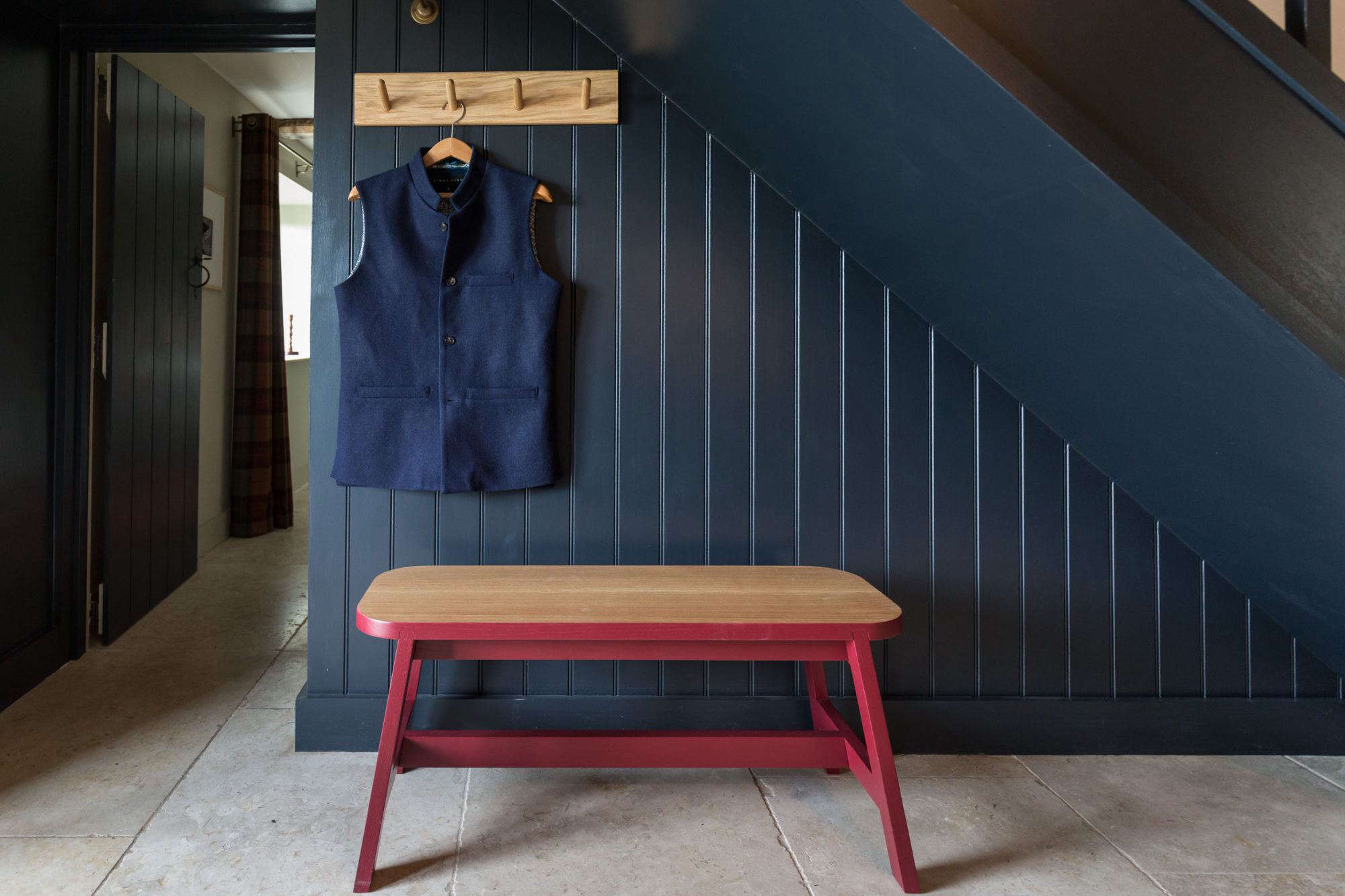
The entryway is where school clutter either gets controlled or starts its villain origin story. Whether you have a mudroom, a hallway, a closet, or a tiny patch of wall near the front door, the drop zone should answer one question: “Where does this go when we walk in?”
Give Every Child a Personal Landing Spot
Assign each child a hook, basket, cubby, or shelf. Label it clearly. Younger kids benefit from picture labels, while older kids may prefer initials or simple name tags. The system should be easy enough to use when everyone is tired. If a child has to open three doors, slide a basket, and solve a riddle to put away a backpack, the backpack will choose the floor. Backpacks are dramatic like that.
Keep the most-used items at kid height: coats, lunchboxes, water bottles, hats, and sports bags. Store seasonal extras higher up or in a nearby bin. The drop zone should not become a museum of every jacket your family has ever owned. Edit it weekly so the area stays useful instead of turning into a fabric landslide.
Use the “Grab-and-Go” Rule
A strong school-year entryway works both ways. It catches items when kids come home and prepares them to leave again. Keep a small tray or basket near the door for keys, sunglasses, bus cards, student IDs, and other daily essentials. For after-school activities, create a separate bag for sports, music lessons, tutoring, or clubs. When the activity has its own bag, you avoid the classic panic of digging through a backpack for cleats while the car is already running.
The Family Command Center That Does Not Need to Be Fancy
A command center sounds official, as if your kitchen wall is about to start issuing weather reports. In reality, it is simply one central place for schedules, reminders, papers, and family communication. It can be a wall calendar, a whiteboard, a corkboard, a binder, a folder system, or a combination of these.
What to Include in a Command Center
Start with a monthly calendar for school events, early-release days, practices, appointments, project deadlines, and family plans. Add a weekly view if your household schedule changes often. A small inbox for school papers helps prevent permission slips from wandering into the junk drawer, where they will form a support group with dead batteries and mystery keys.
Include a spot for meal plans, lunch ideas, chore reminders, and important phone numbers. Families with older kids can use a shared digital calendar as well, but a visible household calendar still helps everyone see the week at a glance. The best system is not the prettiest one; it is the one people actually check.
Control Paper Before It Controls You
School paper clutter arrives in waves: forms, flyers, artwork, tests, newsletters, reading logs, fundraiser sheets, and invitations to events you learn about 14 minutes before bedtime. Create three basic categories: action, reference, and keepsake.
Action papers need a signature, payment, response, or calendar entry. Reference papers include schedules, teacher contact information, and school policies. Keepsakes are the special pieces worth saving, not every worksheet with a smiley face. Set a weekly paper resetSunday evening works wellto sign, scan, recycle, or file everything. This small habit keeps your counters from becoming a paper mountain range.
Create a Homework Station That Matches Real Life
Not every child needs a dedicated desk with a task lamp and a perfectly staged pencil cup. Some kids work best at the kitchen table. Others prefer a bedroom desk, a quiet corner, or a portable cart. The key is not the location; it is the system.
Stock the Basics in One Place
A good homework station includes pencils, pens, erasers, crayons or markers, scissors, glue, ruler, calculator, sticky notes, paper, index cards, and chargers if devices are part of schoolwork. Keep supplies in a caddy, drawer, rolling cart, or labeled box. When everything lives together, homework time begins with homeworknot with a 20-minute documentary called “The Search for the Pencil.”
For younger children, keep supplies visible and simple. For teens, provide a clutter-free surface, charging access, and storage for notebooks or binders. A small trash bin nearby is surprisingly powerful. If throwing away scrap paper requires leaving the room, the paper will remain forever. That is science, or at least parenting science.
Design for Focus, Not Perfection
Homework spaces should reduce distractions without feeling like punishment. Good lighting matters. A comfortable chair matters. A simple timer can help kids work in manageable blocks. For children who get overwhelmed, a short checklistopen backpack, check planner, complete assignments, pack foldercan make the process less foggy.
Make cleanup part of the routine. At the end of homework, supplies go back, papers return to folders, devices charge, and backpacks get packed for the next day. This five-minute reset is the difference between a calm morning and a backpack explosion at breakfast.
Make Lunch Packing Less Like a Daily Puzzle
Lunch packing can be charming for exactly three days. After that, it becomes a nightly negotiation between nutrition, food safety, budget, picky preferences, and the mysterious school rule that no one may microwave anything. A smart lunch zone makes the process faster and safer.
Build a Lunch-Packing Station
Group lunchboxes, containers, napkins, utensils, reusable bags, thermoses, and ice packs in one cabinet, drawer, or bin. In the pantry, create a snack basket with grab-and-go options. In the fridge, dedicate a low bin to yogurt, cheese sticks, fruit, cut vegetables, hummus cups, or other ready items. When kids can help choose and pack, they are more likely to eat what they bringand less likely to return a lunchbox containing a banana with emotional damage.
Use a simple formula: protein, fruit or vegetable, whole-grain item, snack, and water. Rotate options so lunch does not become a beige festival of crackers and complaints. Keep a short list of accepted foods on the inside of a cabinet door. This prevents the 9 p.m. question, “What does anyone in this house eat?”
Remember Food Safety
Perishable foods need to stay cold until lunchtime. Use an insulated lunchbox and cold sources such as frozen gel packs or frozen water bottles. Hot foods belong in an insulated container designed to keep food warm. Wash lunchboxes regularly, because crumbs and spills do not become more charming with age.
Backpack Organization: The Weekly Cleanout Ritual
Backpacks are not storage units with straps. They should carry what is needed, not every paper, rock, snack wrapper, hoodie, and emotional support pencil from the past semester. A weekly backpack cleanout keeps weight reasonable and prevents important papers from disappearing into the backpack abyss.
Set a Cleanout Day
Choose one day each week to empty backpacks completely. Toss trash, remove old snacks, file or recycle papers, sharpen pencils, restock supplies, and check for missing library books. This habit is especially helpful for younger children, but middle and high school students benefit from it too. Older kids may resist at first, because backpack archaeology is deeply personal, but a routine makes it less dramatic.
Keep the Load Manageable
A backpack should fit properly, use both shoulder straps, and stay close to the body. Heavy items should sit closest to the back, and unnecessary items should be removed often. If a child is leaning forward to carry the bag, complaining of discomfort, or dragging around items they do not need, the backpack system needs a reset.
Closets, Clothes, and the Morning Outfit Problem
Few things can derail a morning faster than clothing chaos. The missing sock, the favorite shirt in the laundry, the pants that suddenly “feel weird,” and the sweatshirt that is absolutely necessary even though it is 82 degrees outsidethese are not small matters in kid world.
Create a School-Week Clothing Plan
Use a five-day hanging organizer, labeled bins, or a simple drawer system to plan outfits. Younger kids may enjoy choosing clothes on Sunday for the week ahead. Teens may prefer a cleaner closet with everyday basics easy to reach. Either way, laundry should be part of the school routine, not a surprise emergency discovered at 6:55 a.m.
Keep school uniforms, sports gear, socks, and shoes in predictable places. Store out-of-season clothing elsewhere so drawers are not stuffed with items no one can currently wear. A less crowded closet makes it easier for kids to make choices and put things away.
Sleep Routines Are Part of Home Organization
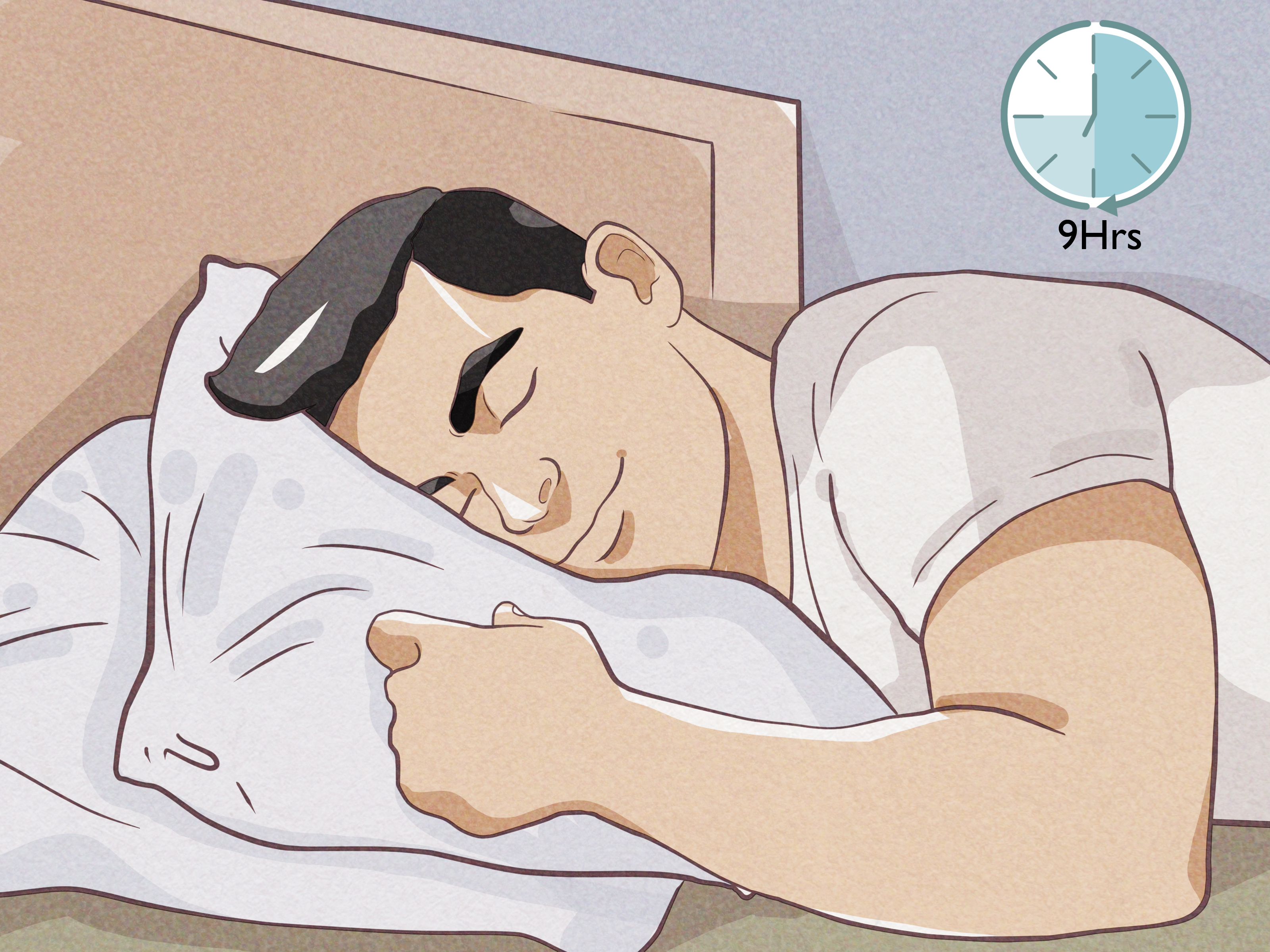
Back-to-school organization is not only about stuff. It is also about time, energy, and transitions. A consistent evening routine helps kids shift from homework, screens, and activities into rest. Sleep affects mood, attention, memory, and mornings, which means bedtime is secretly an organizing tool wearing pajamas.
Use an Evening Reset
A strong evening routine might include packing lunches, choosing clothes, signing papers, charging devices, placing backpacks by the door, and doing a quick room reset. For younger children, a visual checklist can help. For older kids, a shared expectation works better than repeated reminders. The goal is to move morning decisions to the night before, when everyone has a better chance of being reasonable.
Keep bedtime predictable when possible. Reduce last-minute screen chaos, dim the household energy, and build in a wind-down period. You are not trying to create a spa. You are trying to prevent the 10:03 p.m. announcement that a science poster is due tomorrow.
Make Kids Part of the System
Organization works best when kids help build it. A system designed entirely by adults may look great but fail quickly if children cannot use it. Ask simple questions: Where do you naturally drop your backpack? What supplies do you use most? What part of the morning feels hardest? What would make homework less annoying?
Children are more likely to maintain systems they understand and helped create. Give them age-appropriate responsibilities: empty lunchboxes, hang backpacks, put papers in the inbox, restock pencils, choose snacks, or reset the homework station. The point is not to make kids household managers. The point is to teach useful habits while reducing the invisible workload on parents.
Small-Space Back-to-School Organization Ideas
You do not need a large home to have a strong back-to-school setup. In small spaces, vertical storage is your friend. Use wall hooks, over-the-door organizers, slim rolling carts, under-bed bins, stackable baskets, and drawer dividers. A homework caddy can live in a cabinet and come out only when needed. A command center can fit on the side of the fridge. A lunch station can be one basket in the pantry and one bin in the refrigerator.
Small-space organization depends on editing. Keep only what supports the current season. Store extra supplies in one backstock bin instead of spreading them around the house. Avoid buying more containers before sorting what you own. Bins are helpful, but they are not magic. A bin full of chaos is still chaos with handles.
The Sunday Reset: A 30-Minute Routine That Saves the Week
A weekly reset is the secret sauce of back-to-school organization. It does not need to be long or complicated. In 30 minutes, your family can review the calendar, plan lunches, check backpacks, prep clothes, restock supplies, clear papers, and reset the entryway. This routine turns the school week from a series of surprises into a plan with a fighting chance.
A Simple Sunday Reset Checklist
Review the school calendar and add important dates. Clean out backpacks and lunchboxes. Choose or prep several outfits. Restock the homework station. Plan easy breakfasts and lunches. Put activity bags by the door. Sign forms. Charge devices. Clear the command center. Celebrate with something low-effort, because you are a person, not a productivity robot.
The reset works because it catches problems before they become emergencies. No one wants to discover a missing cleat, unsigned form, or empty snack drawer five minutes before departure. Sunday is your friendly warning system.
Back-to-School Organization Mistakes to Avoid
The first mistake is overcomplicating the system. If your organization plan requires everyone to follow 19 steps, it will collapse before the first spelling quiz. Keep systems simple, visible, and easy to reset.
The second mistake is organizing without decluttering. Before you buy bins, remove broken supplies, dried markers, outgrown clothes, old papers, expired snacks, and containers with missing lids. You cannot organize your way around too much stuff forever. Eventually, the stuff wins and asks for its own bedroom.
The third mistake is expecting perfection. School weeks are busy. Some days will still be messy. The point of an organized home is not to eliminate life; it is to make recovery easier. A good system lets you reset quickly after the inevitable chaos.
Experiences and Real-Life Lessons from Back-to-School Home Organization
One of the biggest lessons from back-to-school organizing is that the best systems usually come from observing real behavior, not imagining ideal behavior. For example, if kids always drop backpacks beside the kitchen island, placing hooks in a far hallway may not solve the problem. It may simply create two clutter zones: the official one and the one everyone actually uses. A better approach is to place a sturdy basket or hook near the natural landing spot and slowly train the habit from there.
Another practical experience: morning routines improve dramatically when decisions are reduced. Many families discover that outfit planning, lunch prep, and backpack packing are not separate chores; they are connected pieces of the same puzzle. When clothes are chosen the night before, backpacks are packed after homework, and lunches are partially prepped in the evening, the morning becomes less about decision-making and more about movement. Kids still move slowly, of course. That part may be protected by ancient childhood law. But at least the house is not searching for a missing folder at full volume.
Paper management is another area where experience matters. Parents often start the school year with good intentions and one beautiful folder. By October, the folder is full, the counter is full, and nobody knows whether the field trip form was signed or eaten by the recycling bin. A better system is to process paper daily in tiny steps. When papers come home, they go into one inbox. During dinner cleanup or bedtime prep, a parent checks the inbox: sign it, schedule it, pay it, scan it, save it, or recycle it. The magic is not the container; the magic is the habit.
Lunch organization also gets easier when children are included. A snack drawer that kids help stock can reduce arguments and wasted food. Give choices within boundaries: two fruits, two proteins, three snacks, and one treat option for the week. Kids feel more ownership, and parents avoid packing lunches that return untouched except for one suspicious bite. It also helps to repeat successful lunches. Not every meal needs to be Pinterest wearing a backpack. A predictable lunch that gets eaten is better than a creative lunch that comes home looking personally rejected.
Finally, back-to-school organization works best when it leaves room for imperfect weeks. There will be mornings when someone forgets a water bottle. There will be nights when the homework station looks like a confetti factory. There will be a lunchbox discovered on Friday that should have been opened on Tuesday. The difference is that an organized home gives you a recovery plan. Hooks, baskets, checklists, calendars, and reset routines are not there to make your family flawless. They are there to help everyone return to order faster, with fewer arguments and less mental clutter.
In the end, the real trend on The Organized Home is not about buying more things. It is about creating thoughtful homes for the things that already move through your family’s day: bags, papers, food, clothes, devices, shoes, and schedules. When each item has a place and each routine has a rhythm, the school year feels less like a storm and more like a season you can actually enjoy. Maybe not every minutelet’s not get carried awaybut enough to make the mornings calmer, the evenings smoother, and the kitchen counter visible again.
Conclusion: A More Organized School Year Starts Small
Back-to-school organization is not a one-day makeover. It is a collection of small systems that make daily life easier. Start with the biggest pain point in your home. If mornings are chaotic, focus on the entryway and evening prep. If homework is a battle, build a simple homework station. If lunches are draining your will to live, create a lunch-packing zone. If paper clutter is winning, set up an inbox and a weekly reset.
The most effective organized homes are not perfect. They are practical, flexible, and easy to maintain. A hook used every day beats a beautiful cabinet no one opens. A simple checklist beats a complicated routine everyone ignores. A 30-minute Sunday reset beats a three-hour panic clean. Back-to-school season may always bring a little chaos, but with the right systems, your home can greet it with confidenceand maybe even a sharpened pencil.