Every December has its seasonal villains. There is the neighbor who turns on 40,000 blinking lights before Thanksgiving. There is the office microwave that smells permanently like peppermint cocoa. And then there is the most dangerous holiday device of all: not a real firearm, not a snowball launcher, not even a rogue t-shirt cannon, but the infamous “Wham! gun” a prank sound gadget designed to make innocent people lose Whamageddon by blasting Wham!’s “Last Christmas.”
Should this gun be banned during the month of December? For the sake of holiday peace, friendly competition, retail-worker sanity, and anyone trying to survive until Christmas Eve without hearing that unmistakable 1984 pop classic, the answer is a dramatic, glitter-covered yes. Lock it away. Put it in a festive evidence bag. Send it to the North Pole’s Department of Seasonal Mischief.
Of course, this article is not really about banning a weapon. It is about a delightfully ridiculous maker-culture joke, the strange power of holiday music, and why December turns even normal people into strategic audio ninjas. The “gun” in question became internet-famous through a holiday hack: a fake-looking sound device made to ambush Whamageddon players with one of the most unavoidable Christmas songs ever recorded. It is funny, clever, mildly cruel, and exactly the kind of thing that proves the internet will always find a way to turn nostalgia into a competitive sport.
What Is the December “Gun” Everyone Is Joking About?
The phrase “This Gun Should Be Banned During The Month Of December” refers to a holiday prank gadget connected to Whamageddon, a seasonal game where players try to avoid hearing the original version of Wham!’s “Last Christmas” from December 1 through the end of December 24. The moment you recognize the original song, you are out. No dramatic scoreboard is required, although many players announce their defeat online with the seriousness of a medieval knight falling in battle.
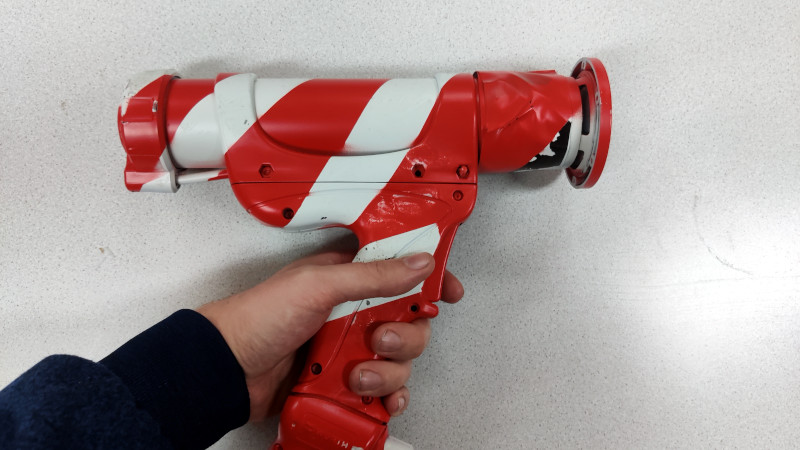
The prank device was featured as a maker-style project: a plastic, gun-shaped object fitted with a speaker and audio playback system, designed to surprise people with the forbidden holiday track. It is not about harm. It is about sonic sabotage. Think of it as the musical equivalent of hiding a rubber spider in someone’s desk drawer, except the spider is wearing a pastel 1980s jacket and singing heartbreak into a synthesizer.
What makes the idea so funny is that it exaggerates the emotional stakes of Whamageddon. A normal person hears “Last Christmas” in a grocery store and thinks, “Oh, that again.” A Whamageddon player hears the opening notes and reacts like they have stepped on a hidden trap in an ancient temple.
Why Whamageddon Became a December Tradition
Whamageddon works because it turns something ordinary into a challenge. Holiday music is everywhere in December: malls, coffee shops, airports, supermarkets, office parties, rideshare playlists, family gatherings, and that one neighbor’s garage while they are “just testing the speakers.” Avoiding a single famous Christmas song for 24 days sounds easy until you remember that December is basically one giant playlist wearing a scarf.
The official rules are simple: survive from December 1 to December 24 without hearing the original version of “Last Christmas.” Covers and remixes usually do not count, depending on how strictly your group plays. The original version is the danger zone. This keeps the game playful because it does not require equipment, money, or special skills. Your only tools are caution, luck, and possibly suspicious behavior around department-store speakers.
That simplicity explains why Whamageddon spread across offices, friend groups, online communities, and social media. It is low-stakes, easy to understand, and extremely shareable. It also gives people something silly to bond over during a month that can otherwise be stressful, expensive, and overloaded with expectations. December needs harmless rituals. Whamageddon is one of them.
Why “Last Christmas” Is So Hard to Escape
Part of the joke is that “Last Christmas” is not some obscure track hiding in a dusty playlist. Released by Wham! in 1984, the song has become a global holiday standard. Its combination of heartbreak, nostalgia, gentle production, and instantly recognizable melody makes it perfect for December radio rotation. It is cheerful enough for shoppers, melancholy enough for adults staring into the middle distance, and catchy enough to follow you home whether you invited it or not.
In the United States, the song has grown even more powerful in the streaming era. Holiday classics now return to the charts every year because people replay them, stores program them, and algorithms politely shove them into every festive playlist. A song that once depended on radio and physical releases can now reappear annually through streaming platforms, short-form video, retail playlists, and holiday movie soundtracks.
That is why the Wham! gun feels like such a perfectly absurd invention. It takes a song that is already almost impossible to avoid and turns it into a targeted delivery system. In December, that is not just a prank. That is an act of festive warfare strictly in the comic, emotional, “you ruined my game” sense.
The Case for a December Ban
1. It Violates the Spirit of Whamageddon
Whamageddon is funniest when defeat comes naturally. You walk into a store. The speakers betray you. You attend a holiday party. Someone’s playlist shows no mercy. You get into a car, and the radio host says, “Here’s a seasonal favorite.” That is fair play. Painful, but fair.
A device created specifically to blast the song at unsuspecting players changes the mood. It turns the game from survival into ambush. The difference matters. A little chaos is fun; targeted holiday audio attacks are how trust issues begin. Today it is “Last Christmas.” Tomorrow someone is hiding speakers in the office plant.
2. December Is Already Loud Enough
December has a soundscape all its own. Bells jingle. Children rehearse concerts. Delivery trucks beep. Families debate travel plans. Retail playlists loop. Coffee machines hiss. Someone is always opening a tin of cookies with the volume of a small cymbal crash.
Adding a surprise song-blasting gadget to that environment may be hilarious once, but repeated use can become annoying fast. Holiday music is powerful because it triggers memory and emotion. But when any song is repeated too often, especially in public or workplace settings, it can create fatigue. Many retail workers know this feeling well. What sounds magical on December 3 can feel like audio wallpaper by December 19.
3. It Turns Nostalgia Into a Jump Scare
“Last Christmas” is beloved because it blends sweetness and sadness. It is not just background music; it is a tiny snow globe of 1980s emotion. But when it bursts unexpectedly from a prank device, nostalgia becomes a jump scare. One moment you are drinking coffee. The next moment, George Michael has eliminated you from a seasonal game you took far too seriously five minutes ago.
That tension is what makes the concept funny. Still, the best pranks end with everyone laughing, not with someone silently updating their list of people never to trust again. A December ban would protect the sacred balance between holiday mischief and social survival.
Maker Culture, Humor, and the Beauty of Useless Machines
The Wham! gun belongs to a long tradition of maker projects that exist mainly because someone asked, “Wouldn’t it be funny if…?” Not every invention needs to solve a serious problem. Some projects are valuable because they make people laugh, teach basic design thinking, or turn everyday objects into conversation pieces.
Maker culture thrives on curiosity. People build unusual clocks, musical doorbells, tiny robots, custom keyboards, interactive decorations, and gadgets that perform one unnecessary task with great enthusiasm. A holiday sound prank fits neatly into that world. It combines pop culture, electronics, seasonal humor, and a very specific social game.
The trick is keeping it safe, respectful, and non-disruptive. A prank sound device should never be loud enough to hurt hearing, used in places where sudden noise could cause problems, or aimed at people who have made it clear they do not want to participate. The best version of this joke is friendly, low-volume, and used among people who understand the game. In other words, prank responsibly. Santa is watching, and he has excellent hearing.
Why Holiday Music Gets Under Our Skin
Holiday songs are emotional shortcuts. A few notes can bring back memories of family gatherings, school concerts, long drives, shopping trips, winter weather, or the smell of cinnamon in a kitchen. That is why Christmas music is so effective in stores and media: it quickly creates atmosphere.
But the same emotional power can become overwhelming. People may feel pressure during the holidays because of gift budgets, travel plans, family obligations, grief, loneliness, or work schedules. Add the same songs on repeat, and festive cheer can turn into sensory overload. This does not mean holiday music is bad. It means timing, variety, and consent matter more than people realize.
Whamageddon captures that reality in a playful way. It gives people permission to joke about the fact that December music is everywhere. It turns unavoidable repetition into a game. The Wham! gun, meanwhile, turns the game into slapstick theater.
Should It Really Be Banned?
In the legal sense, no. In the household-rule sense, absolutely maybe. A December ban on the Wham! gun should be treated like a family board-game rule: dramatic, negotiable, and enforced mostly through laughter.
Here is the reasonable policy: the Wham! gun may be displayed as a novelty item, discussed as a legendary piece of holiday mischief, and perhaps demonstrated before December begins. Once December 1 arrives, it should be placed under seasonal quarantine. It can return after Christmas Eve, when Whamageddon is over and everyone is free to enjoy the song without competitive consequences.
This compromise protects both sides. The makers still get credit for a funny invention. The players get a fair game. The rest of us get fewer surprise musical ambushes while trying to buy cereal.
How to Keep Holiday Pranks Fun Instead of Annoying
Know Your Audience
A prank is only funny when the target can laugh too. If someone loves Whamageddon and enjoys playful competition, a carefully timed joke might land. If they are stressed, working, driving, studying, or simply not in the mood, leave them alone. The holiday season already asks people to juggle enough invisible tasks.
Keep the Volume Sensible
Sound-based pranks should stay at comfortable listening levels. Loud surprises can be startling, irritating, and inappropriate in shared spaces. A joke does not need to rattle windows to be funny. Subtlety is often better. A tiny speaker at normal volume is comedy. A blasting device is a fast track to becoming “that person” in the group chat.
Do Not Ruin Public Spaces
Homes, makerspaces, and friendly gatherings are one thing. Public transit, stores, classrooms, and workplaces are another. Not everyone has agreed to play your holiday game. A good rule is simple: if people cannot easily walk away, lower the chaos.
Give People a Way Out
Holiday games should be optional. If someone says they are not playing, do not force them into it. If someone is trying to survive Whamageddon honestly, do not intentionally ruin it unless your friendship has already established that level of comic betrayal. Even then, prepare for consequences, such as being assigned dish duty at the next party.
Why This Topic Works So Well Online
The title “This Gun Should Be Banned During The Month Of December” works because it creates curiosity. Readers wonder what kind of gun could possibly be seasonal. Then the twist arrives: it is not a dangerous weapon, but a funny sound prank tied to a Christmas music game. That surprise makes the idea clickable without needing to become mean-spirited.
It also sits at the intersection of several popular web topics: holiday culture, internet games, music nostalgia, DIY gadgets, office humor, and maker creativity. Those themes give the article natural SEO range. People may search for Whamageddon rules, “Last Christmas” history, Christmas prank ideas, holiday music fatigue, or funny December traditions. The topic is narrow enough to be memorable but broad enough to support a full article.
Most importantly, it has personality. December content often becomes repetitive: gift guides, recipes, decorating tips, travel advice, repeat. A story about a Wham! gun gives readers something weird and specific. That is valuable. The internet rewards useful information, but it also rewards the sentence, “Wait, someone built what?”
of Experience: Living Through December With the Wham! Gun Threat
Anyone who has tried to play Whamageddon knows the experience begins with confidence and ends with paranoia. On December 1, you feel powerful. You tell yourself, “I can avoid one song.” You walk past the coffee shop speakers with the alertness of a spy crossing a laser grid. You choose podcasts instead of radio. You enter stores quickly, ears scanning the air like radar. For a few days, you feel brilliant.
Then December gets serious.
A friend invites you to a holiday dinner. You arrive relaxed, carrying cookies and optimism. Someone has music playing softly in the kitchen. You freeze. Is that a sleigh bell? Is that synth? Is that danger? You try to make conversation while silently identifying every chord progression in the background. This is not how adults are supposed to behave, yet here we are, emotionally tackled by a playlist.
The Wham! gun would make this experience even more chaotic. Imagine surviving the supermarket, the gas station, and the office lobby only to be eliminated in someone’s living room by a plastic gadget wielded by a friend wearing reindeer antlers. You would laugh, of course. You would also remember it forever. That is the magic and danger of the device: it creates a story instantly.
In an office setting, the experience could become legendary if handled carefully. Picture a break room where several coworkers are playing Whamageddon. A sealed “December Contraband” box sits on a shelf with a warning label: “Do Not Open Until December 25.” Everyone knows what is inside. Nobody touches it. The joke becomes funnier because the device is not used. It becomes a symbol of temptation, like a holiday cookie you promised not to eat but keep checking on for scientific reasons.
At home, the experience is different. Families tend to create their own rules. Maybe parents are allowed to play holiday radio, but not the original Wham! track. Maybe siblings can tease each other with fake countdowns. Maybe someone hums suspiciously but stops before crossing the line. These tiny rituals make December feel personal. A Wham! gun in that environment could be funny once, especially if everyone agreed to the prank. But used repeatedly, it would become the audio equivalent of hiding every TV remote in the house.
The best experience related to this topic is not actually firing the sound prank. It is the suspense around it. The idea that it exists is funnier than constant use. People joke about it. They threaten to bring it out. They place it on a table like a cursed holiday artifact. Someone says, “You wouldn’t dare.” Someone else replies, “Try me.” Suddenly, a simple Christmas song has become a social strategy game.
That is why the December ban is the perfect punchline. Ban the Wham! gun not because it is truly harmful, but because restraint makes the joke better. December already has enough chaos. Let the players dodge the song honestly. Let the makers enjoy their ridiculous invention. Let “Last Christmas” remain both beloved and feared. And when December 25 arrives, unlock the box, press play at a reasonable volume, and let everyone lose together with dignity.
Conclusion
The “gun” that should be banned during December is not a real weapon. It is a symbol of holiday mischief: a prank sound device built to blast Wham!’s “Last Christmas” and eliminate unsuspecting Whamageddon players. As a maker project, it is clever. As a December social tool, it is dangerously funny. The best rule is simple: admire it, laugh about it, maybe display it, but keep it under festive quarantine until Whamageddon ends.
In a season full of noise, nostalgia, stress, and celebration, a little restraint can make the joke even better. After all, the holidays are not just about winning games. They are about shared stories, good timing, and knowing when not to press the button.
Note: This article discusses a humorous sound-prank gadget and holiday music culture only; it does not refer to real firearms or provide instructions for making or using any harmful device.