Fall has always had a weakness for nostalgia. The season arrives with copper leaves, wool sweaters, candlelit dinners, and that very specific urge to buy a ceramic pumpkin even though you already own seven. But this year, designers are pointing toward a richer, more personal kind of autumn decorating: vintage fall trends that feel collected, storied, layered, and charmingly imperfect.
The best vintage fall decor ideas are not about turning your living room into a museum or making your dining table look like it was styled by a haunted Victorian aunt with excellent taste. Instead, designers are embracing interiors that mix old and new: antique wood furniture beside modern upholstery, hand-painted ceramics on sleek shelves, plaid textiles layered over clean-lined sofas, and stained glass glowing in afternoon light like the room is quietly showing off.
In short, fall design is becoming warmer, moodier, and more meaningful. Fast furniture is losing its sparkle. Cookie-cutter rooms are being politely shown the door. Homes are getting back their personality, and vintage pieces are doing much of the heavy lifting.
Below are the top six vintage fall trends designers are loving now, along with practical ways to bring them into your home without making it feel like a prop closet for a period drama.
1. Vintage Maximalism With a Collected Soul
Minimalism is not dead, but it may be wearing a cardigan and quietly moving into the guest room. This fall, designers are leaning into vintage maximalism: layered rooms filled with art, books, ceramics, lamps, textiles, family pieces, thrifted finds, and objects that look as though they have survived at least one dramatic Thanksgiving dinner.
The key phrase is “collected,” not “cluttered.” Vintage maximalism works when each piece feels intentional. A brass tray on a coffee table, a stack of old design books, a moody oil painting, a sculptural lamp, and a hand-thrown bowl can create a space that feels lived-in and expressive. Add all of them randomly, and your room starts auditioning for a storage-unit reality show.
How to style the trend
Start with one surface: a mantel, console table, bookshelf, or coffee table. Choose three to five vintage-inspired elements in different heights and textures. For example, pair a small framed landscape painting with a dark ceramic vase, a stack of books, and a brass candlestick. The mix should look relaxed, not overly symmetrical.
For fall, add natural accents such as branches, dried flowers, pomegranates, pears, or small heirloom pumpkins. These seasonal touches soften the look and keep the room from feeling too heavy. Think “English country house after a farmers market visit,” not “antique shop after an earthquake.”
2. Dark Woods, Walnut Finishes, and Heirloom Furniture
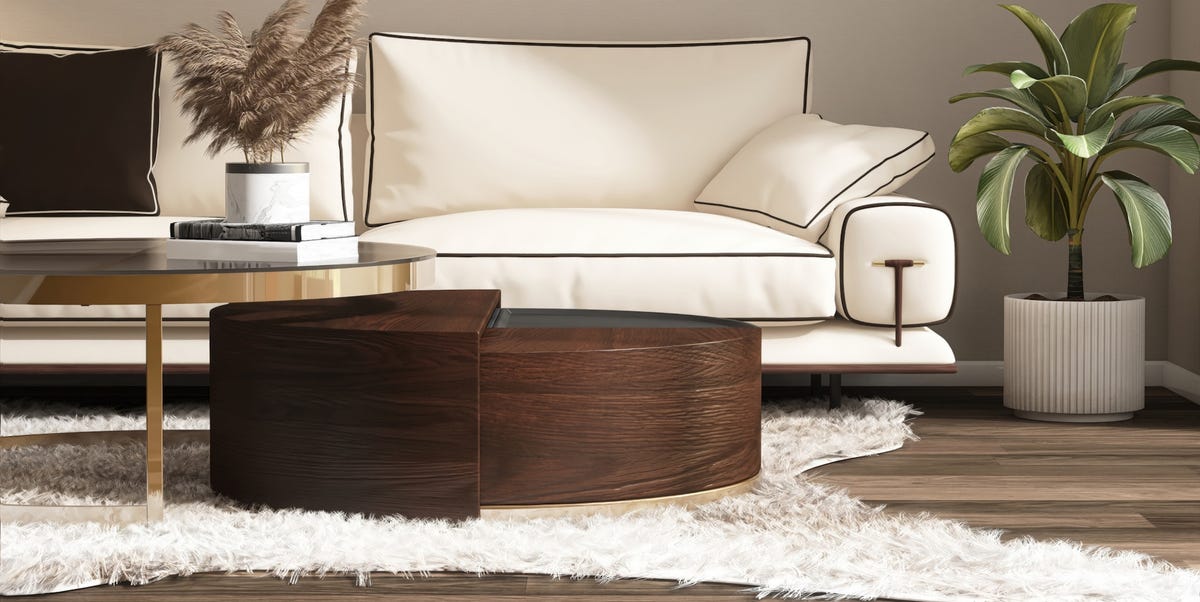
After years of pale oak, whitewashed finishes, and barely-there Scandinavian tones, darker woods are having a strong comeback. Walnut, mahogany, ebonized oak, and richly grained vintage pieces are returning because they add depth, warmth, and a sense of permanence.
This trend fits fall beautifully. A dark wood hutch, drop-leaf table, writing desk, or vintage sideboard instantly grounds a room. These pieces carry visual weight, which is exactly what cozy-season interiors need. They also pair well with modern design, especially when the surrounding room includes lighter walls, contemporary art, or clean upholstery.
Why designers love it
Dark wood furniture brings character without shouting. It suggests quality, history, and craftsmanship. A vintage walnut dresser in a bedroom can make the entire space feel more considered. A dark dining table can turn even a simple weeknight soup dinner into something that feels slightly cinematic. Add candles and suddenly everyone is speaking softer, even the person asking where the hot sauce went.
How to avoid a heavy look
Balance is everything. Pair dark wood with linen curtains, cream lampshades, woven baskets, or pale stone accessories. If your room already has dark floors, use a vintage wood piece with curved legs, glass doors, or open shelving to prevent the space from feeling visually crowded.
For a quick fall refresh, swap a modern side table for a vintage wood stool or small antique cabinet. It is a small move with a surprisingly big impact.
3. Art Deco Revival With Fall Drama
Art Deco is back, and it brought lipstick, velvet, symmetry, and a very confident entrance. This vintage-inspired trend draws from the glamour of the 1920s and 1930s, with geometric shapes, lacquered finishes, curved silhouettes, polished metals, jewel tones, and bold contrast.
For fall, Art Deco works especially well because it adds mood. Think emerald velvet pillows, a scalloped mirror, a marble-topped side table, smoky glass lighting, or a geometric rug layered under a deep brown sofa. The result feels elegant but not stiff, dramatic but not theatrical enough to require a costume change.
Small ways to try Art Deco style
You do not need to redesign your entire home around the Jazz Age. Start with accessories. A fluted glass vase, fan-shaped mirror, velvet ottoman, brass picture frame, or black-and-gold tray can introduce the look without overwhelming your space.
Art Deco also pairs beautifully with fall colors. Burgundy, oxblood, forest green, chocolate brown, ocher, and deep navy all support the look. If your current room is neutral, add one dramatic accent piece. A jewel-toned chair or vintage-inspired lamp can make the whole room feel more sophisticated.
4. Vintage Textiles: Quilts, Tapestries, Plaids, and Fringe
Few things say fall like textiles. Designers are embracing vintage and vintage-inspired fabrics because they bring softness, pattern, and instant coziness. Quilts, tapestries, embroidered pillows, wool throws, plaid upholstery, fringed lampshades, and trimmed cushions are all moving into the spotlight.
This trend is practical, too. Textiles are one of the easiest ways to change a room seasonally. You can keep your major furniture the same while layering in fall through color, texture, and pattern.
The return of quilts and tapestries
Vintage quilts are especially appealing because they feel personal and handmade. Drape one over the back of a sofa, fold it at the foot of a bed, or hang it as wall art. Tapestries create a similar effect, adding softness and old-world charm to bare walls.
Do not worry if your quilt is not a priceless family heirloom. Vintage-inspired options can work just as well. Look for faded florals, block prints, patchwork, earthy colors, or hand-stitched details. The goal is texture with soul.
Plaid gets polished
Plaid is also getting a designer upgrade. This is not only rustic cabin plaid, though that has its cozy place. The fresher version borrows from menswear: herringbone, tweed, windowpane checks, pinstripes, and tailored wool patterns. Used on pillows, ottomans, chairs, or throws, these patterns add structure and sophistication.
For the best result, mix plaid with something softer, such as velvet, linen, or a faded floral. The contrast keeps the room warm instead of overly formal.
5. Handcrafted Ceramics and Imperfect Objects
Designers are moving away from mass-produced perfection and toward pieces that show the maker’s hand. That means hand-painted ceramics, matte glazes, uneven rims, hammered metals, handmade bowls, artisan tiles, and decorative objects that are charming because they are not identical to everything else on the internet.
This trend is especially strong in fall because handcrafted items naturally feel warm and grounded. A hand-thrown mug looks better with cider. A slightly irregular ceramic bowl makes apples look like still life. A hand-painted plate on the wall says, “I have taste,” while also saying, “Yes, I found this at a flea market and will be bragging about it.”
Where to use handcrafted pieces
Use ceramics in places where they can be seen and enjoyed. Place a large handmade bowl on a kitchen island and fill it with seasonal produce. Add small ceramic bud vases to a dining table. Display hand-painted plates on open shelving. Use a vintage crock to hold wooden spoons or dried branches.
The best handcrafted pieces do not need to match. In fact, they usually look better when they do not. Choose a loose color family, such as cream, brown, ocher, olive, or terracotta, and let the shapes vary.
6. Stained Glass, Colored Glass, and Warm Vintage Lighting
Lighting is one of the most powerful ways to change the mood of a room, and fall is the season when good lighting becomes nonnegotiable. Designers are showing renewed interest in stained glass, colored glass, vintage lamps, cordless lamps, smoky glass fixtures, and warm layered lighting.
Stained glass has moved far beyond church windows. In homes, it can appear in cabinet fronts, transoms, interior doors, pendant lights, and small decorative panels. It adds color, privacy, and a magical quality that changes throughout the day as light moves across the room.
How to bring in the glow
If you are not renovating, try a vintage-style stained glass lamp, a colored glass pendant, or a small panel hung in a sunny window. For a lower-commitment approach, use amber glass candleholders, fluted glass hurricanes, or table lamps with pleated shades.
Layered lighting is the secret. Instead of relying on one overhead fixture, combine table lamps, floor lamps, sconces, candles, and accent lights. The room will immediately feel warmer and more expensive, even if the only thing you changed was turning off the ceiling light that made everyone look like they were being questioned in a grocery store.
How to Mix Vintage Fall Trends Without Overdoing It
The biggest mistake with vintage fall decor is using too many themes at once. A room can handle Art Deco, plaid, stained glass, dark wood, and handcrafted ceramics, but only if they are connected by color, scale, or mood.
Choose one lead trend and two supporting accents. For example, make dark wood your foundation, then add vintage textiles and warm lighting. Or start with Art Deco accents, then soften them with handcrafted ceramics and dried branches. This keeps the space layered but not chaotic.
Use a fall color palette as the connector
Earthy fall colors help different vintage pieces feel related. Try combinations such as walnut, cream, and olive; burgundy, brass, and chocolate; rust, oatmeal, and black; or forest green, amber, and warm white. These palettes feel seasonal without leaning too hard on orange pumpkins.
Let patina be part of the charm
Vintage pieces do not have to look perfect. Scratches, worn edges, aged brass, faded fabric, and slightly uneven finishes can make a room feel more authentic. The trick is to mix patina with cleanliness and intention. A scratched antique table looks charming under a beautiful lamp. A scratched antique table under a mountain of unopened mail looks like a cry for help.
Room-by-Room Ideas for Vintage Fall Decor
Living room
Add a plaid throw, a dark wood side table, a vintage lamp, and a small framed landscape painting. Place branches or dried flowers in a ceramic vase. Swap bright summer pillows for velvet, wool, or tapestry-inspired covers.
Dining room
Use a vintage table runner, brass candlesticks, hand-painted plates, and seasonal produce as a centerpiece. Pears, figs, apples, gourds, and artichokes can look more elegant than a crowded pumpkin display.
Bedroom
Layer a quilt at the foot of the bed, add a pleated lampshade, and bring in a small antique chair or wood nightstand. Use deeper bedding tones such as cocoa, olive, rust, or cream for a cozy but grown-up look.
Entryway
A vintage mirror, small wood bench, ceramic bowl for keys, and amber lamp can make an entry feel welcoming. Add a basket for scarves or umbrellas, because fall weather enjoys being dramatic.
Personal Experience: What Vintage Fall Trends Feel Like in a Real Home
The magic of vintage fall decorating becomes obvious when you actually live with it. A room styled with older pieces does not feel finished in the showroom sense. It feels finished in the human sense. It has corners you notice slowly. It has objects that make guests ask questions. It has texture that looks better in evening light. Most importantly, it does not panic when someone sets down a mug.
One of the easiest experiences to start with is changing the living room for fall without buying new furniture. A vintage-style wool throw over the sofa can shift the entire mood of a space. Add two pillow covers in plaid or faded floral, and suddenly the room feels warmer. Place a dark ceramic vase on the coffee table with dried branches, and the whole space begins to feel seasonal without a single plastic leaf garland in sight.
Another useful lesson: vintage fall trends work best when they are personal. A thrifted brass candlestick feels more interesting when paired with a modern dining table. A framed print from a flea market looks more charming when leaned casually against a backsplash. A hand-painted bowl filled with apples can make a kitchen feel styled, even if the rest of the counter is hosting the usual parade of mail, keys, and one mysterious charger nobody claims.
Lighting is where the transformation becomes most noticeable. In fall, the sun leaves early like it has better plans, so lamps matter. Swapping a plain white shade for a pleated or patterned one can make a room feel instantly softer. A vintage lamp on a sideboard creates a pool of light that feels calmer than overhead lighting. Candles help, too, especially when grouped in different heights on a tray or mantel.
Dark wood is another trend that changes how a room behaves. A vintage wood cabinet or side table adds gravity. It makes modern furniture feel less temporary and gives the room a sense of history. Even one piece can anchor a space. The important thing is not to match every wood tone. A room with mixed woods often feels more natural than a room where every surface looks ordered from the same catalog page.
Textiles are the most forgiving way to experiment. A quilt folded over a chair, a tapestry-style pillow, or a fringed throw can bring in vintage charm without a major commitment. If it feels too busy, remove one pattern and add a solid color. If it feels too flat, add texture. Vintage decorating is less about strict rules and more about adjusting until the room feels like somewhere you want to spend a rainy afternoon.
The best part of these trends is that they reward patience. You do not need to buy everything at once. In fact, you probably should not. Vintage rooms are better when they evolve. Find one good lamp this month. Add a small painting next month. Pick up a ceramic bowl when you stumble across one. Let the space grow naturally, and it will feel more authentic than any instant makeover.
In real life, the most successful vintage fall homes are not perfect. They are warm, layered, slightly quirky, and deeply comfortable. They welcome muddy boots, extra blankets, long dinners, and second cups of coffee. That is the real appeal of the vintage fall trend: it makes a home feel less like a display and more like a place where life is actually happening.
Conclusion
The top vintage fall trends according to designers all point in the same direction: homes with more warmth, more story, and more personality. Vintage maximalism, dark wood furniture, Art Deco details, cozy textiles, handcrafted ceramics, and glowing stained glass all help create interiors that feel collected rather than copied.
Instead of chasing every seasonal decoration, focus on pieces that can last beyond fall. Choose objects with texture, patina, craftsmanship, and emotional appeal. A vintage lamp, a wool plaid throw, a walnut cabinet, or a handmade bowl can bring autumn into your home now and still look beautiful in January, April, and next fall too.
In a design world moving away from fast, flat, and forgettable, vintage fall decor offers something better: rooms with soul. And if that soul happens to include one more ceramic pumpkin than originally planned, well, nobody here is judging.