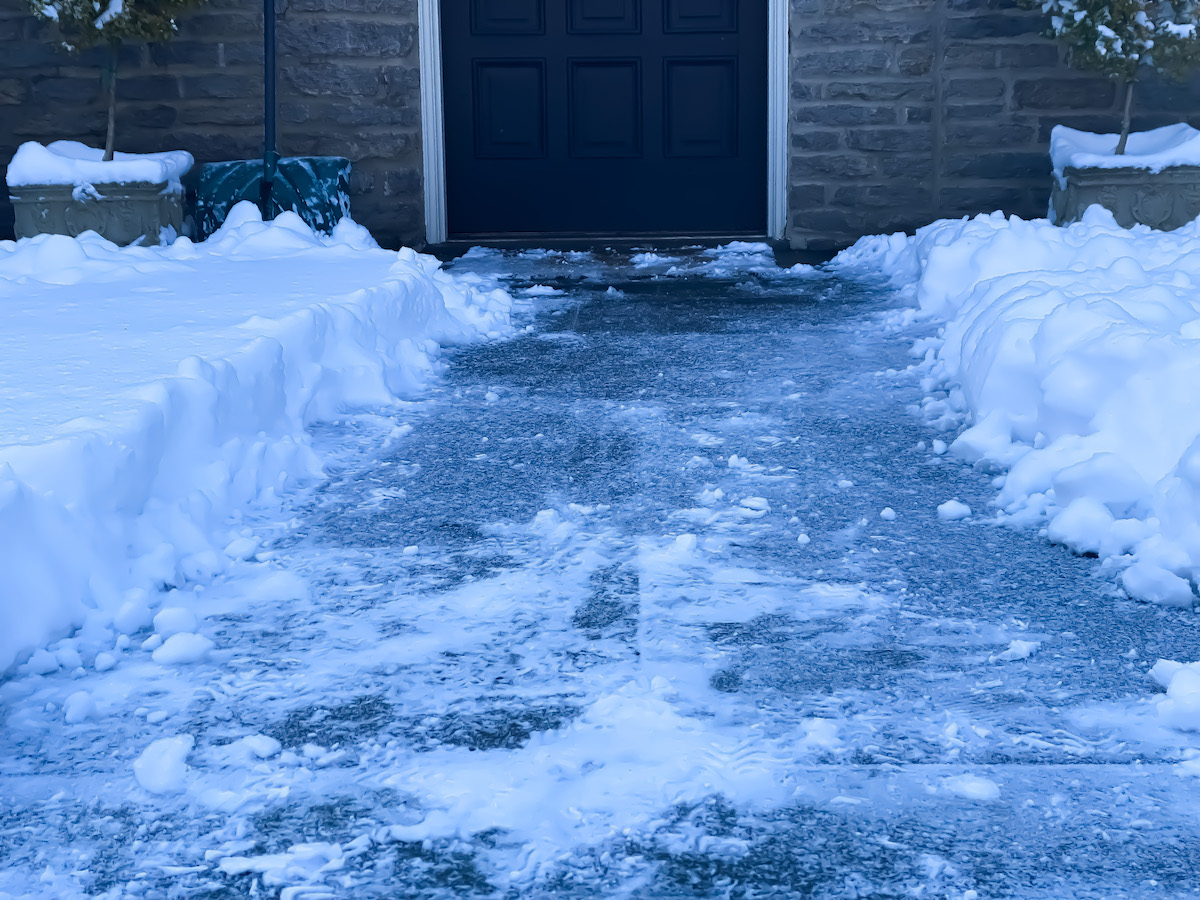
There are few winter surprises less charming than opening your front door, taking one confident step, and realizing your sidewalk has become a tiny neighborhood skating rink. Ice looks innocent until it sends your coffee, dignity, and left shoe in three different directions.
When you are iced in and the store shelf is empty, a few household ingredients can help loosen thin ice, reduce refreezing, or create safer traction until the weather improves. The important word is help. Homemade ice melt recipes are not wizard potions. They work best on light ice, small areas, and temperatures that are not brutally below zero.
This guide covers three practical homemade ice melt solutions, explains when each one makes sense, and shares the safety details that often get skipped in viral winter hacks. Because pouring random pantry liquids onto an icy driveway is not a strategy. It is how a normal Tuesday becomes a science fair project with worse footwear.
How Homemade Ice Melt Works
Ice melts when its freezing point drops or when enough heat is introduced to turn it back into liquid water. Deicing products such as salt work by creating a salty liquid layer called brine. That brine freezes at a lower temperature than plain water, helping break the ice away from concrete, pavers, or asphalt.
Other household liquids, including rubbing alcohol and vinegar, can also lower water’s freezing point. However, their performance varies widely depending on the outdoor temperature, the thickness of the ice, sunlight, and whether you remove the resulting slush before it freezes again.
The most reliable winter routine is simple: remove snow early, treat only the remaining ice, wait a few minutes, scrape or shovel away the loosened layer, and add traction where needed. The less ice you ask a homemade mixture to defeat, the better your chances of winning the driveway showdown.
Before You Mix Anything: Know Your Ice Situation
Not every icy surface needs the same treatment. A thin glaze on porch steps is very different from a driveway covered in half an inch of frozen slush. Before choosing a homemade ice melt recipe, take a quick look at the problem.
- Thin ice or frost: Homemade sprays can often loosen it quickly.
- Slushy, refrozen snow: A salt brine can help, followed by shoveling or scraping.
- Thick ice in very low temperatures: Focus on traction and mechanical removal rather than expecting pantry ingredients to perform a miracle.
- Black ice: Treat it seriously. It can be difficult to see, especially near gutters, shaded walkways, driveways, and areas where melted snow refreezes overnight.
Note: Homemade ice melt should be used on small household surfaces such as steps, sidewalks, entryways, and lightly iced driveways. Do not use homemade mixtures to treat public roads, steep vehicle access areas, or surfaces where a slip could cause a serious injury.
Recipe #1: Salt Brine for Sidewalks and Driveways
Salt brine is the most practical homemade ice melt option when temperatures are moderately cold and you need to treat more than one tiny patch. It is not glamorous, but neither is falling down the front steps while carrying trash bags.
What You Need
- 2 cups very warm tap water
- 1/2 cup plain table salt or finely ground rock salt
- A sturdy plastic bottle, watering can, or small pump sprayer
- A shovel, ice scraper, or stiff push broom
How to Make and Use It
- Pour the warm water into a plastic container.
- Add the salt gradually and stir until most of it dissolves.
- Apply the brine in a thin, even layer over the ice. Do not flood the walkway.
- Wait about 10 to 20 minutes, depending on the weather and ice thickness.
- Scrape or shovel away the loosened ice and slush.
- Add a small amount of sand or clean traction material afterward if the surface still feels slick.
When Salt Brine Works Best
This homemade deicer works best when the temperature is above roughly 15°F and the ice layer is relatively thin. Salt does not “heat” the pavement. Instead, it creates a salty liquid layer that makes it harder for ice to remain frozen.
Salt brine is especially useful before a light freezing-rain event or when overnight temperatures are expected to hover near freezing. Applied early, it can make ice less likely to bond tightly to the surface. That means less chipping, less scraping, and fewer dramatic backyard ice-pick reenactments.
Important Salt Brine Cautions
Use salt sparingly. More salt does not automatically mean faster melting, and excess salt can harm nearby grass, shrubs, trees, soil, and waterways. It can also leave residue on floors, corrode metal, and contribute to damage on some concrete surfaces over time.
Keep salt brine away from garden beds, decorative planters, and the edge of your lawn whenever possible. Sweep up leftover crystals after the ice clears instead of letting them wash into storm drains.
Recipe #2: Rubbing Alcohol Spot-Deicer Spray
When you are dealing with a thin layer of ice on a door step, mailbox path, car door handle, or small section of sidewalk, rubbing alcohol can be a useful emergency option. It is better suited for small spots than a giant driveway, unless your winter budget includes a suspiciously large rubbing alcohol allowance.
What You Need
- 2 cups 70% rubbing alcohol
- 1 cup water
- A clearly labeled spray bottle
- An ice scraper or sturdy broom
How to Make and Use It
- Combine the rubbing alcohol and water in a spray bottle.
- Shake gently before use.
- Spray directly onto thin ice rather than soaking the entire area.
- Wait a few minutes for the ice to loosen.
- Scrape away the slush and dry the surface as much as possible.
Why It Helps
Rubbing alcohol has a much lower freezing point than water. When it contacts ice, it can help create a liquid layer that loosens the frozen surface. This makes scraping easier, particularly on small patches of clear ice that are too slick to safely chip at with force.
For best results, use this alcohol-based ice melt on a sunny or relatively mild winter day. In extreme cold, it may still loosen ice, but the surface can refreeze quickly once the alcohol evaporates.
Alcohol Safety Tips
Rubbing alcohol is flammable. Keep it away from grills, cigarettes, open flames, outdoor heaters, and sparks. Do not spray it near a running vehicle engine, gas equipment, or electrical outlets. Store the bottle out of reach of children and pets.
Skip the popular suggestion to add dish soap. Dish soap does not meaningfully improve deicing performance and can leave behind a slippery residue. Your goal is safer footing, not a surprise bubble-slide experience outside the garage.
Recipe #3: Vinegar-and-Water Ice Loosener
White vinegar is often promoted as a natural ice melt alternative. The truth is more modest: it may help loosen very thin ice in mild conditions, but it is not a replacement for commercial ice melt or salt brine during a serious winter storm.
Think of this mixture as a quick household workaround for light frost, a thin icy film, or an entryway that needs attention before you head out the door.
What You Need
- 2 cups distilled white vinegar
- 2 cups lukewarm water
- A watering can or spray bottle
- A scraper, shovel, or broom
How to Make and Use It
- Mix equal parts white vinegar and lukewarm water.
- Apply it directly to a small, lightly iced area.
- Wait several minutes for the surface to soften.
- Scrape or sweep away the loosened ice immediately.
- Use a traction material afterward if the walkway remains slippery.
When Vinegar Is Worth Trying
This mixture is most useful when temperatures are near freezing and the ice is thin. It can help break up a stubborn morning glaze on porch steps or help release a frozen patch around an outdoor faucet, trash bin, or mailbox area.
Do not expect vinegar to conquer thick ice during a deep freeze. It may make the surface wetter without solving the underlying problem, and that moisture can refreeze. In other words, vinegar is a supporting actor, not the action hero.
Vinegar Warnings
Even though vinegar comes from the kitchen, it is still acidic. Avoid repeated use on concrete, natural stone, metal fixtures, and areas near plants. Do not pour large amounts into lawns, flower beds, or storm drains.
When Ice Will Not Melt: Use a Homemade Traction Blend
Sometimes the smartest solution is not trying to melt the ice at all. When temperatures are far below freezing, homemade liquids may not work quickly enough. In those conditions, traction can be more useful than a weak deicer.
Simple Traction Blend
- 2 cups clean, dry sand
- 1 cup non-clumping clay kitty litter
- 1/2 cup baking soda for a little extra grit on thin ice
Mix the ingredients in a bucket and spread a light layer over icy steps, walkways, or driveway paths. This blend does not truly melt thick ice, but it can create grip under boots and tires. Sweep it up once the ice clears so it does not become a muddy, gritty springtime souvenir.
A traction blend is often the better choice near sensitive landscaping, pet areas, or new concrete. It is also useful when temperatures are so low that salt becomes sluggish and every homemade ice melt recipe starts acting like it has called in sick.
How to Apply Homemade Ice Melt Safely
Success usually depends less on the recipe and more on the method. A little preparation can make a huge difference.
Shovel First Whenever Possible
Remove loose snow before applying any homemade deicer. If you pour a solution onto several inches of snow, you dilute it and create a puddly mess that can freeze again. Clear the bulk first, then treat the thin stubborn layer underneath.
Use a Thin Layer, Not a Flood
More liquid is not better. Large amounts can wash away, refreeze in lower spots, harm nearby plants, and create additional slick patches. Apply only enough to wet the ice surface.
Scrape Away Slush
Once the ice begins to soften, remove the slush promptly. Leaving it in place gives winter one more chance to refreeze it into an even more annoying layer overnight.
Watch for Drainage Paths
Pay special attention to downspouts, gutters, shaded steps, and the bottom of sloped driveways. These areas commonly collect water and refreeze. A small patch of black ice near a drain can be more dangerous than an entire snowy lawn.
What Not to Use as Homemade Ice Melt
Winter desperation can inspire some wildly creative ideas. Not all of them deserve to leave the group chat.
- Automotive antifreeze: Never use it. It can be highly toxic to pets, wildlife, and people.
- Fertilizer: It is not a safe substitute for ice melt and can create harmful nutrient runoff.
- Bleach: It will not solve the ice problem and can damage surfaces, plants, and nearby materials.
- Boiling water: It may crack or stress some surfaces, create steam hazards, and refreeze quickly in cold weather.
- Large amounts of coffee grounds: They can add minor traction, but they are messy and do not reliably melt ice.
- Clumping kitty litter: Avoid it outdoors. It becomes wet, clumpy, and unpleasantly cement-like.
Protecting Pets, Plants, and Concrete
Ice management has a side quest: keeping everyone else around your home safe. Dogs may walk through salty slush and later lick their paws. Cats may step in deicer granules near doorways. Plants can suffer when salt accumulates in soil or splashes onto leaves and shrubs.
Use the smallest effective amount of salt, alcohol, or vinegar. Wipe pets’ paws after walks, keep deicing containers sealed, and avoid treating areas where animals are likely to drink melted snow or chew ice chunks.
Concrete deserves attention, too. New, cracked, chipped, or poorly sealed concrete can be more vulnerable to winter damage. Avoid repeatedly soaking it with salty or acidic solutions. Sweep, shovel, scrape, and use traction materials whenever possible to reduce chemical use.
Frequently Asked Questions About Homemade Ice Melt
Can table salt melt ice?
Yes. Table salt is sodium chloride, the same basic compound used in many rock salt products. It works best in moderately cold conditions and becomes less effective as temperatures drop.
Does rubbing alcohol melt driveway ice?
Rubbing alcohol can help loosen thin ice on small surfaces. It is not cost-effective or practical for a large driveway, but it can be useful for steps, short pathways, handles, locks, and icy trouble spots.
Is vinegar safe for pets?
Vinegar is not automatically harmless simply because it is a pantry ingredient. Keep pets away from treated surfaces until they are dry, and avoid allowing them to lick puddles, slush, or residual liquid.
What is the safest option for a very cold day?
For deep-freeze conditions, shovel and scrape what you can, then use sand or another traction material. Homemade deicing solutions may not act quickly enough when temperatures are extremely low.
Real-World Ice-In Experiences: What Homeowners Learn the Hard Way
Anyone who has lived through a freezing-rain morning learns the same lesson eventually: ice is rarely dramatic when it arrives. It tends to show up quietly, overnight, while everyone is warm inside and blissfully unaware that the front walkway is preparing a hostile takeover.
One of the most common experiences is assuming that the driveway is “probably fine” because it does not look icy. Clear ice is especially sneaky. A walkway may appear wet under a porch light, yet be slick enough to turn one ordinary trip to the mailbox into an accidental interpretive dance. The first practical habit people learn is to test suspicious surfaces with a boot before carrying groceries, trash bags, or a sleeping toddler outside.
Another common lesson involves timing. Homeowners who shovel early usually have a much easier morning than those who wait until snow gets packed down by boots, tires, and the neighbor’s enthusiastic golden retriever. Once snow compresses and freezes, the job becomes less about shoveling and more about negotiating with an icy concrete pancake. Treating a thin leftover layer with brine or a small deicer spray is far easier than battling a frozen slab later.
People also discover that not every homemade trick deserves internet fame. Hot water may seem satisfying for about thirty seconds, especially when it sends steam floating dramatically into the cold air. But when temperatures stay low, that water can move downhill, pool near the curb, and refreeze into a fresh patch of trouble. The temporary victory can become tomorrow morning’s ankle-related plot twist.
Pets add another layer of real-world experience. Many dog owners notice that their dogs begin lifting paws, hesitating, or licking their feet after walking across treated sidewalks. That is a useful reminder that ice control should not mean scattering products everywhere without a plan. Applying the smallest amount needed, keeping treatments away from pet feeding areas, and wiping paws after outdoor walks can make winter routines calmer for everyone.
Another practical discovery is that traction is underrated. A homeowner may spend twenty minutes trying to melt an icy patch, only to realize that a handful of sand would have made the path safer immediately. On very cold days, the goal is not always a completely bare driveway. Sometimes the goal is simply creating a secure path from the front door to the car without starring in a low-budget winter disaster movie.
The best ice-management routines usually become boring, and boring is excellent. Keep a shovel by the door, store a small container of traction material nearby, label your homemade sprays clearly, and deal with small patches before they become a full-blown frozen empire. Winter may still be rude, but at least your walkway does not have to join the conspiracy.
Final Thoughts
Homemade ice melt recipes can be useful when you need a quick solution for icy steps, sidewalks, or small driveway patches. Salt brine is the most practical option for moderate winter conditions, rubbing alcohol works well as a spot-deicer, and vinegar can help loosen very thin ice when temperatures are close to freezing.
The real secret is not finding one magical ingredient. It is combining smart timing, light application, scraping, shoveling, and traction. Use the least aggressive method that gets the job done, protect pets and plants, and remember that sometimes the safest “ice melt” is a shovel plus a little sand.