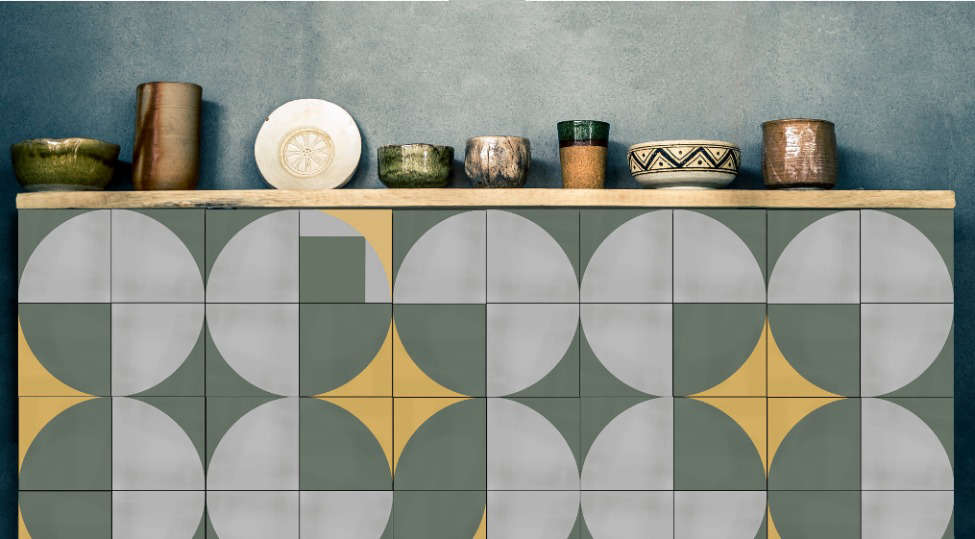
There are tiles that quietly do their job, sitting under your feet like well-behaved background actors. Then there are tiles that walk into the room wearing a dramatic coat, start a conversation, and somehow make your plain white cabinets look underdressed. The Artist Cement Collection from Clé Tile belongs firmly in the second category.
Created as a collaboration with artist studios from the United States, Europe, and South America, the collection brought a more expressive, art-first approach to handmade encaustic cement tile. Instead of treating tile as a purely practical finish, Clé positioned it as a design medium: part flooring, part mural, part personality test for anyone who says they “prefer neutral spaces” while secretly saving patterned interiors on Pinterest. The original collection included work from 11 artist studios, ranging from architects and textile-inspired designers to sculptors and interior creatives.
The result is a collection that feels less like a catalog of surfaces and more like a collection of small-format artworks. Every pattern has a point of view. Some are geometric and architectural. Some are organic and slightly mysterious. Others look like they were discovered in a stylish 1960s hotel lobby where everyone drinks espresso and owns at least one perfect scarf.
What Makes the Artist Cement Collection Different?
The Artist Cement Collection stands out because it does not rely on the usual shortcut of printing a decorative pattern onto factory-made tile. These are handmade cement tiles, produced through a labor-intensive process that builds color into the material itself. Pigmented cement is poured into molds, pressed hydraulically, cured, and finished without kiln firing. The process creates a matte, dense surface with tonal variation, slight imperfections, and a depth that can feel almost velvety under changing light.
That handmade quality is the point. It is not a flaw disguised as a feature; it is the feature. A cement tile floor is not supposed to resemble a digitally printed porcelain sheet where every piece looks like it attended the same corporate meeting. It is supposed to have movement, variation, and small differences that make the surface feel alive.
Clé describes its encaustic cement tile as handcrafted one tile at a time from natural pigments, ground marble dust, white Portland cement, and sand. The tiles are pressed and cured rather than fired, giving them their signature smooth matte look and layered color.
Tile as Art, Not Just Architecture
What makes the Artist Cement Collection especially interesting is the variety of artistic languages represented within it. One tile design may lean toward mod geometry, while another hints at vintage textiles, botanical forms, hand-drawn abstraction, or graphic architectural rhythm. That variety gives homeowners and designers more flexibility than a standard “Mediterranean tile” category ever could.
For example, Erica Tanov’s designs bring a California-modern sensibility to cement tile. Her patterns include the 1965 design, a linked geometric motif that nods to mid-century style without becoming a cartoon version of a Palm Springs postcard. Clé offers this pattern in an 8-by-8-inch format with a substantial 5/8-inch thickness, making it visually strong enough for floors, walls, and statement applications.
Other collaborators introduced a different mood. Marianne Smink’s contribution used mix-and-match geometric pieces, allowing homeowners to build a more individualized composition rather than committing to one repeated motif across the room. Gachot Studios and Alt for Living added their own design perspectives, proving that cement tile can move comfortably between boutique hotel drama, playful kitchen charm, and restrained modern interiors.
Why Handmade Cement Tile Has Such a Strong Visual Effect
Cement tile has a way of changing a room’s emotional temperature. A plain kitchen with white cabinetry can suddenly feel warm, collected, and unmistakably personal when a patterned cement tile floor enters the picture. A small bathroom can look more intentional with one bold wall behind a vanity. A laundry room can stop feeling like the place where socks disappear forever and become an actual part of the house worth showing people.
The matte finish is a big part of that appeal. Unlike glossy ceramic tile, handmade cement tile absorbs and softens light. The surface reads as earthy rather than shiny, graphic rather than sterile. Designers often use cement tile when they want a space to feel layered, warm, and slightly old-world without turning it into a historical reenactment.
Architectural Digest has highlighted cement tile for its earthy matte finish and its ability to make bathrooms feel warmer and more tactile than high-gloss alternatives. That tactile quality matters because interiors are not experienced only through photographs. They are experienced in the morning, in bare feet, under bright light, during rainy afternoons, and when someone spills pasta sauce five minutes before guests arrive.
Pattern Can Make a Small Space Feel Bigger
One of the most useful design tricks with patterned cement tile is that it can create a sense of scale. In a small powder room, a bold tile floor can become the star, allowing the rest of the room to stay simple. In a compact kitchen, a repeated pattern can guide the eye across the floor and make the footprint feel more intentional. The visual rhythm works almost like a rug, except you do not have to straighten it every time your dog decides to sprint through the room.
For the best results, let the tile take the spotlight. Pair a graphic floor with calm cabinetry, simple hardware, and a countertop that does not compete for attention. The goal is not to create an interior that looks like every surface is arguing at once. The goal is to create contrast: quiet materials around expressive tile.
Best Places to Use the Clé Artist Cement Collection
Kitchen Floors
A patterned cement tile kitchen floor is one of the easiest ways to give a renovation a signature look. The tile can define the cooking zone in an open-concept home, especially when it meets wood flooring nearby. Designs with black, white, charcoal, warm gray, muted blue, or soft green work particularly well because they add pattern without requiring the kitchen to become a circus tent.
Use the tile beneath an island, throughout the main floor, or as a framed “rug” effect in a breakfast nook. The more expressive the tile pattern, the simpler the surrounding materials should be. Flat-panel cabinets, pale oak, plaster walls, brushed metal fixtures, and simple pendant lighting are usually excellent supporting actors.
Bathroom Floors and Vanity Walls
Bathrooms are natural homes for artist-designed cement tile because they are usually smaller spaces where a high-impact material can make a major impression. A black-and-white pattern can give a modern bath graphic structure. A muted blue-and-cream design can soften a traditional bath. A more colorful geometric arrangement can make a guest bathroom memorable without forcing the rest of the home into a permanent state of maximalism.
For shower walls or floors, check the manufacturer’s current installation guidance and confirm that the tile is suitable for the exact application. Cement tile is porous, so sealing and appropriate maintenance are not optional side quests; they are part of the ownership experience.
Laundry Rooms and Mudrooms
These hardworking spaces are ideal for a dose of personality. A laundry room with patterned cement tile feels less like a utility closet and more like a cheerful little studio. In a mudroom, the tile can handle visual wear beautifully because its natural variation and eventual patina make daily use feel like part of the story rather than a disaster.
That said, “beautifully aged” does not mean “immune to everything.” A muddy boot, dripping umbrella, or rogue bottle of bleach can still create problems. Think of cement tile as a handsome leather jacket: durable, stylish, and better with character, but not eager to be introduced to harsh chemicals.
Fireplace Surrounds and Feature Walls
For homeowners who want tile without covering an entire floor, a fireplace surround or statement wall is a smart compromise. A carefully selected pattern can bring movement and color to a living room while keeping the rest of the room restrained. This works especially well in homes with simple architecture, where the tile can provide the visual detail that crown molding and elaborate millwork might otherwise supply.
Understanding Cement Tile Maintenance Before You Fall in Love
Here is the part where we gently place a practical hand on your shoulder. Handmade cement tile is gorgeous, but it is not a low-maintenance impersonator of porcelain. It needs sealing, gentle cleaning, and a homeowner who understands that acids are not invited to the party.
Clé recommends sealing cement tile and grout in both dry and wet applications. The company also advises using mild, pH-neutral soap for routine cleaning. This is consistent with general tile-care advice: acidic cleaners, vinegar-based solutions, bleach, and harsh abrasive products can damage or etch cement tile surfaces.
Regular resealing is part of long-term care. Houzz recommends using clear water or a neutral, nonabrasive detergent for cleaning handmade cement tile and notes that resealing is commonly recommended about every two years, depending on use and product guidance.
Practical Maintenance Rules
- Seal the tile properly after installation and follow the manufacturer’s recommended product system.
- Wipe spills quickly, especially wine, citrus, tomato sauce, coffee, vinegar, and oils.
- Use pH-neutral cleaners rather than harsh all-purpose sprays.
- Avoid abrasive pads and aggressive scrubbing.
- Use doormats and rugs in high-traffic entry areas.
- Expect natural patina rather than factory-perfect uniformity.
This is not a warning against cement tile. It is simply an invitation to choose honestly. If you want a surface that behaves like an indestructible airport terminal floor, porcelain may be a better fit. If you want texture, variation, color depth, and the subtle romance of a material that changes over time, cement tile can be worth every bit of effort.
How to Design with Artist Cement Tile Without Overdoing It
The best rooms using artist-designed cement tile know when to stop. A great patterned floor does not require patterned wallpaper, a wildly veined countertop, six competing paint colors, and a chandelier that looks like it escaped from a ballroom. The tile is already doing enough cardio.
Start with one dominant move. That could be a kitchen floor, a bathroom floor, a backsplash, a fireplace, or a feature wall. Then repeat one or two colors from the pattern elsewhere in the room. A deep blue in the tile might reappear in the cabinet pulls, a painted stool, or a linen roman shade. A warm terracotta note might return in the wood tone or pottery.
Grout color also matters more than most people expect. Match the grout to a background color in the tile if you want the pattern to read as cohesive. Choose a darker grout if you want more graphic contrast. Before committing, lay out dry samples in the actual room and look at them in daylight, artificial light, and the strange bluish glow that appears at 6:30 a.m. when nobody has had coffee yet.
Why the Collection Still Feels Relevant
The Artist Cement Collection arrived at a moment when many homeowners were rediscovering handmade materials, but its appeal has lasted because the designs do more than follow a trend. They offer a different way to think about surface design. Instead of treating flooring and wall tile as a neutral backdrop, the collection treats them as an opportunity for creativity.
That philosophy feels especially relevant today, when interiors are moving away from copy-and-paste minimalism and toward spaces with more personality. People want rooms that feel collected, lived-in, and specific. They want materials with a little soul. They also want their kitchen floor to have more charisma than a spreadsheet.
Clé’s artist collaborations show how a traditional material can remain fresh when artists are invited into the process. The collection respects the history of hydraulic and encaustic cement tile while giving it a new visual vocabulary. It is rooted in craftsmanship, but it is not trapped in nostalgia.
Experiences with the Artist Cement Collection: What It Feels Like to Live with It
Living with artist-designed cement tile is a little like living with a favorite piece of vintage furniture. At first, you may notice every small variation. One tile looks slightly warmer. Another catches the light differently. A tiny edge has a bit more character than its neighbor. Then, after a few weeks, those differences stop feeling like irregularities and start feeling like the reason the room has atmosphere.
In a kitchen, the experience begins early in the morning. The tile is cool under bare feet, especially in a home where everyone mysteriously wakes up before the coffee maker has finished its very important job. A patterned cement floor creates a visual anchor beneath the movement of the room: lunchboxes, pets, grocery bags, chairs scraping back, someone searching for a spoon while holding a spoon. The pattern can absorb a surprising amount of everyday chaos without making the room look messy.
In a bathroom, the experience is more intimate. Cement tile can turn an ordinary morning routine into something that feels slightly more cinematic. The matte finish works beautifully with warm light, brushed brass, oak cabinetry, plaster walls, and soft towels. Even a small bathroom can feel designed rather than merely assembled. The tile does not need much help; it simply needs room to breathe.
One of the pleasures of the Artist Cement Collection is that it changes with the room. In bright daylight, geometric shapes can look crisp and graphic. At night, under softer lighting, the same pattern may feel calmer and more textural. This is where handmade surfaces earn their keep. They are not flat visual objects. They respond to light, shadow, use, and time.
There is also a satisfying sense of permanence. A good cement tile installation feels substantial. These are not peel-and-stick squares pretending to be a European café floor. They have weight, thickness, and the quiet confidence of materials that do not need to shout. When properly installed and maintained, they can develop a patina that makes a home feel more settled over the years.
Of course, the experience comes with responsibility. You learn quickly not to leave a lemon wedge sitting on the floor after a party. You become the kind of person who keeps a gentle cleaner under the sink. You may even develop strong opinions about sealers, which is how adulthood surprises you. But the maintenance becomes less annoying when you genuinely love the material.
For designers, the collection offers something equally valuable: storytelling. A room with artist cement tile has a natural focal point and a built-in conversation starter. Guests may not remember the exact cabinet hardware, but they will remember the floor. They will remember the wall behind the vanity. They will remember the kitchen that felt warm, graphic, and unlike every other kitchen they have seen that month.
That is the real strength of the Artist Cement Collection from Clé Tile. It does not try to disappear. It gives a room identity. It celebrates handmade variation, bold pattern, and the idea that practical materials can still be expressive. In a design world full of safe choices, these tiles make a persuasive case for choosing something with a little more nerve.
Final Thoughts
The New Artist Cement Collection from Clé Tile proves that tile can be more than a waterproof wall covering or a durable floor finish. It can be art underfoot. With handmade depth, artist-led patterns, and a distinctly matte character, the collection gives kitchens, bathrooms, laundry rooms, entryways, and feature walls a strong sense of personality.
The key is to choose the right application, respect the care requirements, and let the material be what it is: expressive, imperfect, substantial, and beautifully individual. For homeowners who want rooms that feel personal rather than predictable, artist-designed cement tile is not just a finish. It is the beginning of the whole story.