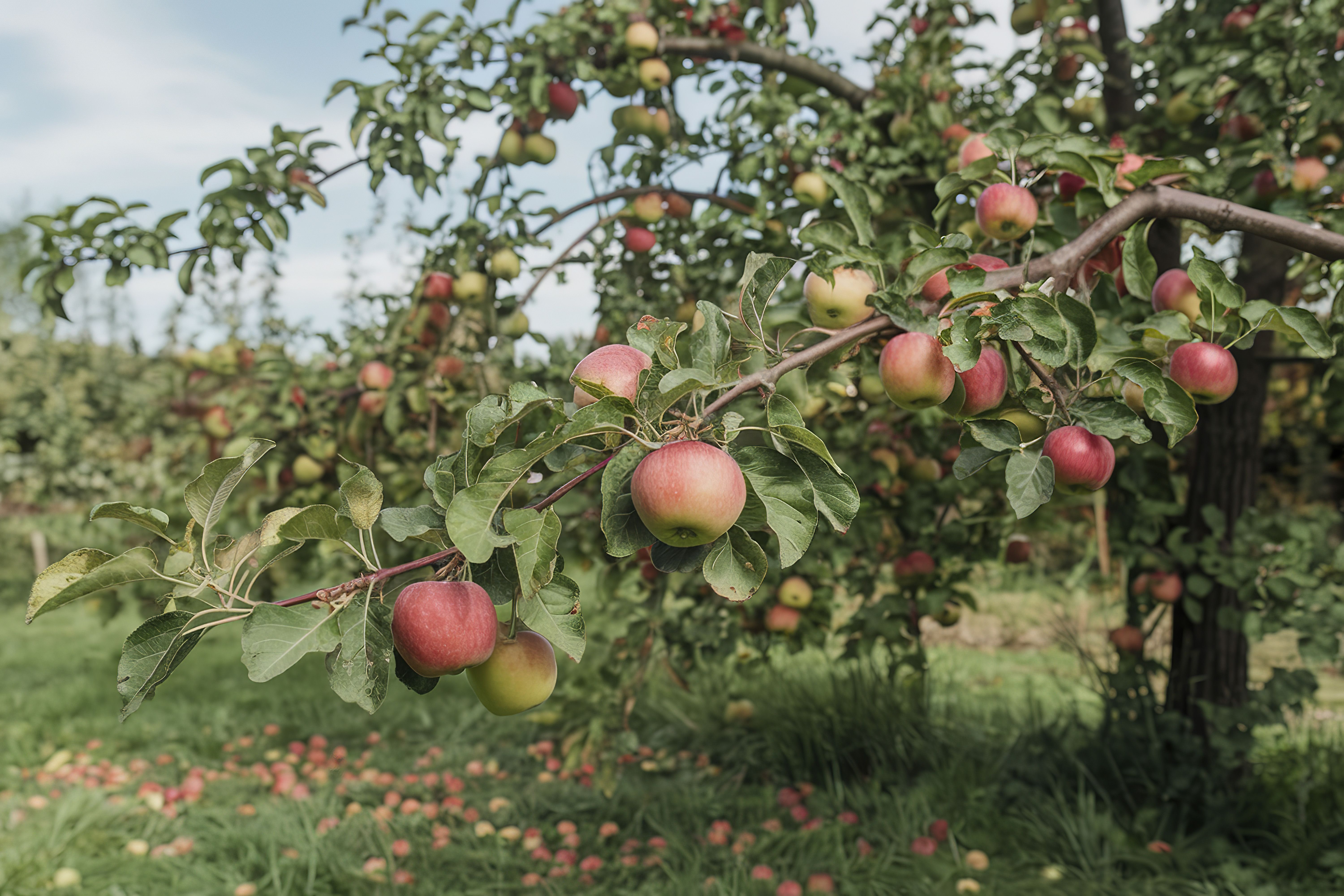
If you have ever stood in a garden center holding a baby apple tree and wondering, “Is this the moment, or am I about to commit arboricultural malpractice?” you are not alone. Fruit trees are a long game. Plant them at the right time, and they settle in, grow strong roots, and eventually reward you with baskets of peaches, pears, plums, or apples. Plant them at the wrong time, and they may spend their first season looking personally offended.
So, when is the best time to plant fruit trees? According to experts, the best window is usually late winter to early spring, while the tree is still dormant and before active growth begins. That is the big headline. But, like most gardening advice worth anything, the full answer depends on your climate, the kind of fruit tree you are planting, and whether it is bare-root or container-grown.
In other words, the calendar matters, but context matters more. Here is how experts break it down, and how you can use that guidance to give your fruit trees the best possible start.
The Short Answer: Plant Fruit Trees During Dormancy
For most deciduous fruit trees, the sweet spot is when the tree is dormant. That usually means late winter through very early spring in cold and moderate climates. During dormancy, the tree is not spending energy on leaves, flowers, or fruit, so it can focus on one important job after planting: growing roots.
This is especially true for bare-root fruit trees, which experts often recommend planting as soon as the soil can be worked and before buds begin to swell. Bare-root trees are sold without soil around the roots, so timing is not just helpful, it is crucial. They want to go from nursery to ground while still asleep, like a toddler moved from the car to bed without waking up.
Container-grown fruit trees are more flexible. Because their roots are protected in soil, they can be planted later in spring and sometimes in early fall. Still, “more flexible” does not mean “indestructible.” Planting them in the middle of summer heat is basically asking a young tree to run a marathon in a wool sweater.
Why Timing Matters So Much
Fruit trees are not houseplants with better marketing. They are woody perennials that need time to establish a healthy root system before they face stressful weather. The right planting season helps them do that.
Roots Need a Head Start
When a fruit tree is planted during cool weather, it can direct energy into root establishment before top growth explodes. This matters because roots are the tree’s support system, pantry, plumbing network, and survival plan all at once.
If roots are still struggling when summer arrives, the tree is more likely to suffer from drought stress, leaf scorch, stunted growth, and poor long-term vigor. A tree can survive a bad first year, but it rarely sends a thank-you note.
Extreme Weather Is the Real Enemy
The best planting time is partly about avoiding the two big seasonal bullies: brutal summer heat and hard winter cold. Spring planting gives trees time to establish before summer. Fall planting can also work beautifully because warm soil encourages root growth while cool air reduces stress. But in colder regions, a late-planted tree may not be ready for sharp temperature drops or frozen ground.
That is why the “best time to plant fruit trees” is not one date circled in red for the entire country. It is a strategy: plant when conditions help roots grow and reduce stress on the tree.
Spring vs. Fall: Which Season Wins?
Why Spring Is Usually the Best Time
For many growers, spring is the safest answer. The soil is warming, the tree is still dormant or just waking up, and there is an entire growing season ahead for establishment. In colder climates, spring is usually the clear winner because it avoids the risk of winter injury to newly planted trees.
Spring is especially ideal for:
- Bare-root apple, pear, plum, cherry, and peach trees
- Gardeners in cold-winter regions
- Sites where the ground freezes early in fall
- Trees that need extra time to establish before heat or cold arrives
If your winters are harsh, your safest move is often to plant as early in spring as the soil can be worked without turning your garden into a mud wrestling event.
When Fall Planting Is Excellent
Fall planting has real advantages, and experts are not shy about saying so. In regions with relatively mild winters, fall can be a fantastic time to plant fruit trees. The air is cooler, the soil is still warm, and trees can continue establishing roots without the pressure of supporting new leaves and tender shoots.
Fall planting is often a smart option for:
- Gardeners in milder climates
- Areas where the ground stays workable well into winter
- Container-grown fruit trees
- Growers who can water consistently through dry fall weather
Done correctly, fall planting can give a tree a head start before spring. By the time your neighbors are still shopping for nursery stock, your tree may already be quietly building roots underground like an overachiever.
When Fall Is Risky
Fall is not always your friend. In regions with sudden temperature drops, very early freezes, or long severe winters, fall planting can backfire. A young tree that has not rooted in well may experience cold injury, drying winds, frost heaving, or root damage before it ever gets comfortable in its new home.
That is why many experts favor spring planting in cold climates, even if fall sounds romantically orchard-ish.
The Best Time by Fruit Tree Type
Apple and Pear Trees
Apples and pears are generally among the more forgiving fruit trees for home gardeners. Bare-root apples and pears are usually best planted in early spring during dormancy. In some moderate climates, fall can also work well.
These trees still need thoughtful site selection. Full sun, good air circulation, and well-drained soil matter just as much as timing. If you plant an apple tree at the perfect moment in soggy soil with only six hours of sunlight, the tree will not reward your punctuality.
Peaches, Nectarines, Apricots, Plums, and Cherries
This group, often called stone fruits, tends to be more finicky. Experts often recommend planting stone fruits in spring rather than fall, especially in regions with cold winters. These trees are generally less forgiving of stress, and many need extra time to establish before facing their first winter in the ground.
If you are planting peaches or cherries and wondering whether to gamble on a fall planting, the conservative expert answer is: do not be heroic. Plant in spring.
Warm-Climate and Specialty Fruit Trees
If you grow fruit trees in warm winter regions, timing can shift. Some areas favor late winter planting for bare-root trees and early fall planting for container-grown trees. Climate-specific issues such as chill hours, summer heat, and spring frost timing become especially important. In other words, the right planting month in Maryland may be hilariously wrong in Arizona.
For unusual fruit trees or marginal climates, local extension guidance always beats random internet confidence.
Best Time by Tree Form: Bare-Root vs. Container-Grown
Bare-Root Fruit Trees
Bare-root fruit trees are the classic expert favorite for early planting. They are typically less expensive, easier to handle, and quick to establish when planted at the correct time. But they are also less tolerant of delay. Their roots must stay moist, and they should be planted promptly while dormant.
The best time to plant bare-root fruit trees is usually:
- Late winter to early spring in cold and moderate climates
- During the dormant season in mild-winter areas
- Before buds break and before hot weather arrives
Container-Grown Fruit Trees
Container-grown trees offer a wider planting window because the root ball stays intact. They can usually be planted in spring after frost danger has eased, and in some regions they can also go in during early fall.
Still, timing should be strategic. Planting in cool, moderate weather is ideal. Container trees can survive summer planting, but only if you are committed to careful watering and a little weather-related anxiety.
A Regional Cheat Sheet for U.S. Gardeners
Cold Northern Climates
Early spring is usually best. Wait until the soil is workable, but plant before vigorous growth starts. Fall planting is often riskier because winter can arrive fast and with no interest in your gardening plans.
Mid-Atlantic and Lower Midwest
Late winter to early spring is usually ideal, though early fall can also work for some fruit trees. Apples and pears tend to be more adaptable. Stone fruits are still safer in spring.
Mild Winter Regions
Both fall and late winter can be excellent planting windows. Warm soil in fall can encourage strong root establishment, and dormant-season planting works well when the ground stays open and temperatures remain moderate.
Desert and Hot-Summer Climates
Late winter or very early spring is often best for bare-root fruit trees. In some warm regions, early fall can be good for container-grown trees. The trick is avoiding the blast furnace conditions of late spring and summer while matching varieties to local chill-hour requirements.
How to Know It Is Time to Plant
Forget the exact date on the calendar for a second. Experts generally look for these conditions:
- The tree is dormant or just barely waking up
- The soil is workable, not frozen and not waterlogged
- The weather is cool, not scorching
- Your site has been prepared ahead of time
- You can water consistently after planting
If all five boxes are checked, you are in very good shape. If none are checked and you are planting because the garden center had a sale, step away from the shovel.
What Experts Say to Avoid
Do Not Plant Into Soggy Soil
Working wet soil ruins structure, compacts the root zone, and sets the stage for poor establishment. Fruit trees hate wet feet even more than most people hate group texts.
Do Not Wait Until Late Spring Heat
Once temperatures rise, the tree has to support new leaves and tender growth while also trying to establish roots. That is a rough assignment for a transplant.
Do Not Plant the Wrong Variety for Your Climate
Timing alone cannot save a fruit tree with the wrong chill requirement or poor winter hardiness for your area. A perfectly planted tree can still fail if it is genetically mismatched to local conditions.
Do Not Ignore Frost Pockets
Low spots in the yard collect cold air. That can be bad news for blossoms and young growth. A slightly elevated site with good air drainage is often better than the convenient corner near the shed.
How to Set a Newly Planted Fruit Tree Up for Success
- Choose full sun. Most fruit trees need at least 6 to 8 hours of direct sun, and more is usually better.
- Use well-drained soil. Loamy soil is ideal. Poor drainage is one of the fastest ways to disappoint a fruit tree.
- Plant at the right depth. Do not bury the graft union. Fruit trees do not appreciate being swallowed by the yard.
- Water thoroughly after planting. Then keep moisture steady while the tree establishes.
- Mulch, but do not smother the trunk. A mulch ring helps conserve moisture and reduce weeds.
- Go easy on fertilizer at planting time. Tender new roots do not need a chemical ambush.
Common Mistakes That Make Timing Look Like the Problem
Sometimes gardeners blame the season when the real issue is technique. A tree planted in the “correct” month can still struggle because of poor drainage, planting too deep, root damage, lack of water, overfertilizing, or selecting a variety that does not belong in that climate.
That is why experts talk about planting window rather than planting day. The best time to plant fruit trees is not just about what month it is. It is about whether the tree, the site, and the weather are all working together.
Real-World Experiences Gardeners Learn From
Ask enough fruit growers about planting time and you start hearing the same story in different accents: the calendar mattered, but the conditions mattered more. One gardener plants an apple tree in March and gets a healthy flush of growth by June. Another plants a peach tree in October because the weather feels lovely, only to watch it struggle after a rough winter. Neither story is unusual. In fact, they are exactly the kinds of experiences that shaped expert recommendations in the first place.
A common lesson is that early spring planting feels almost boring, and that is part of why it works. The tree goes into cool soil, the air is moderate, and there is time for roots to get established before summer heat arrives. Gardeners often say the tree “just took off,” but what really happened is less dramatic and more important: the roots got a calm, steady start. The tree was not trying to leaf out wildly, set fruit, and survive heat stress all at once.
Another experience shows up again and again with bare-root trees. People order them, the box arrives, and life gets busy. Suddenly the roots are sitting in a garage while someone debates where to put the tree, what kind of mulch to use, and whether that one sunny corner is “sunny enough.” Experts recommend planting promptly for a reason. Gardeners who move quickly usually get better results. Those who delay often learn that roots dry out fast and fruit trees are not especially interested in second chances.
Fall planting stories are interesting because they tend to split by climate. In milder regions, gardeners often love it. They describe planting in early fall, watering well, and finding that their tree seems ready to go the moment spring arrives. The tree has quietly worked on root growth while the gardener was inside pretending not to think about pruning. In colder climates, though, the same fall timing can turn into a cautionary tale. A tree may look fine through autumn, then get hit by drying winds, deep freezes, or frost heaving before it has fully settled in.
Stone fruit growers have their own version of this lesson. Peaches, nectarines, and cherries can be wonderfully productive, but they are not what anyone would call chill about stress. Gardeners who plant them in spring often report better establishment and less winter worry. Gardeners who plant them late in the year sometimes discover that “technically possible” and “smart idea” are not the same sentence.
Then there is the site-selection lesson, which sneaks up on people. A grower may swear the timing was right, only to realize later that the tree was planted in a low, wet area or a frost pocket. Another gardener plants on a slight slope with good sun and airflow and gets better results with the same tree in the same season. Timing gets the spotlight, but place is the supporting actor that quietly steals the show.
The most useful experience of all may be this: successful fruit growers stop asking for a magic date and start asking better questions. Is the tree dormant? Is the soil workable? Is summer heat about to arrive? Will winter hit hard before roots establish? Do the variety and chill hours match the site? Once gardeners start thinking that way, planting becomes less like gambling and more like good judgment wearing muddy shoes.
Conclusion
If you want the simplest expert-backed rule, here it is: plant fruit trees while they are dormant, ideally in late winter or early spring. That timing gives most trees the best chance to establish roots before they face heat, drought, or winter stress. Fall can also be excellent in mild climates, especially for some container-grown or hardy trees, but it is not universally the best choice. Stone fruits often deserve a spring planting window, and all fruit trees benefit from careful attention to local weather, soil, sun, and variety selection.
So yes, timing matters. But the best time to plant fruit trees is really the moment when the tree is ready, the soil is ready, and the gardener is ready. Which, to be fair, is a much less catchy slogan for a seed packet, but far better advice for a future orchard.
Note: This article focuses mainly on U.S. guidance for deciduous fruit trees such as apple, pear, peach, plum, apricot, and cherry. Always adjust timing to your local frost dates, chill-hour requirements, soil conditions, and regional extension recommendations.