Note: This article uses a cross-genre approach to long-running television, including news programs, soaps, sitcoms, game shows, documentaries, children’s shows, reality TV, and variety series. Because “longest-running” can be counted by years, seasons, episodes, or continuity, the list focuses on shows with extraordinary longevity and cultural impact rather than one narrow technical category.
Television is supposed to be disposable. A pilot airs, a few executives squint at ratings charts, andpoofthe dream disappears faster than a leftover slice of pizza in a writers’ room. But some TV shows refuse to leave. They survive changing networks, changing hosts, changing technology, changing audiences, and occasionally, changing hairstyles that should have been illegal in the first place.
The longest-running TV shows of all time are more than entertainment. They are habits. They are family rituals. They are background noise during breakfast, comfort viewing after school, Sunday-morning debate clubs, late-night laugh machines, and soap-opera universes where one dramatic secret can apparently fuel 4,000 episodes. From Meet the Press to The Simpsons, from Sesame Street to General Hospital, these programs prove that great television does not always need a final episode. Sometimes, it just needs another season.
What Makes a TV Show Last for Decades?
Long-running television shows usually share a few secret ingredients: a flexible format, memorable personalities, loyal viewers, and the ability to evolve without losing their identity. News shows last because current events never run out of material. Game shows last because people never stop loving puzzles, prizes, and the thrill of shouting answers at the screen. Soap operas last because families, rivalries, romance, and betrayal are basically renewable energy sources. Animated series last because cartoon characters do not age, need pay raises in quite the same way, or complain about back pain after season 30.
Most importantly, these shows create emotional routines. Viewers do not simply “watch” them; they grow up with them. A grandparent may remember Johnny Carson on The Tonight Show, a parent may remember Bob Barker on The Price Is Right, and a teenager may know Law & Order: SVU from streaming, memes, or late-night cable marathons. That is the strange magic of long-running TV: one show can belong to several generations at once.
The 50 Longest-Running TV Shows of All Time
-
Meet the Press
Debut: 1947. NBC’s political interview program is widely recognized as the longest-running TV show in history. Its formula is simple but powerful: sit down with newsmakers and ask the questions viewers want answered.
-
Today
Debut: 1952. Today helped invent the modern morning show, mixing headlines, interviews, weather, lifestyle segments, and enough cheerful coffee energy to wake up half the country.
-
The Tonight Show
Debut: 1954. From Steve Allen and Johnny Carson to Jay Leno, Conan O’Brien, and Jimmy Fallon, The Tonight Show set the template for late-night comedy, celebrity interviews, and monologues about whatever chaos happened that day.
-
Face the Nation
Debut: 1954. CBS’s Sunday public affairs program has endured because politics never takes a weekend off, even when viewers desperately wish it would.
-
Coronation Street
Debut: 1960. This British soap opera became a global model for neighborhood-based serialized drama. Its fictional cobblestones have seen more heartbreak, gossip, and pub conversations than most real towns.
-
General Hospital
Debut: 1963. ABC’s legendary daytime drama turned Port Charles into one of television’s most durable fictional communities, blending medical crises, romance, family feuds, and soap-opera twists with impressive stamina.
-
Doctor Who
Debut: 1963. Thanks to regeneration, time travel, and a hero who can literally become a new person, Doctor Who found one of TV’s cleverest survival mechanisms.
-
Jeopardy!
Debut: 1964. The answer-and-question quiz format remains brilliantly sticky. It rewards knowledge, speed, confidence, and the ability to say “What is…” while your brain is sprinting.
-
Days of Our Lives
Debut: 1965. With its famous hourglass opening and decades of Salem drama, this soap opera has turned family secrets into an art form.
-
The 700 Club
Debut: 1966. This faith-based talk show has remained a fixture through syndication, cable, and changing media habits.
-
Washington Week
Debut: 1967. PBS’s long-running public affairs series built its reputation on thoughtful political discussion rather than shouting matches, which in television terms is practically a superpower.
-
60 Minutes
Debut: 1968. CBS’s newsmagazine turned investigative storytelling into Sunday-night appointment television, proving that serious journalism could also be gripping television.
-
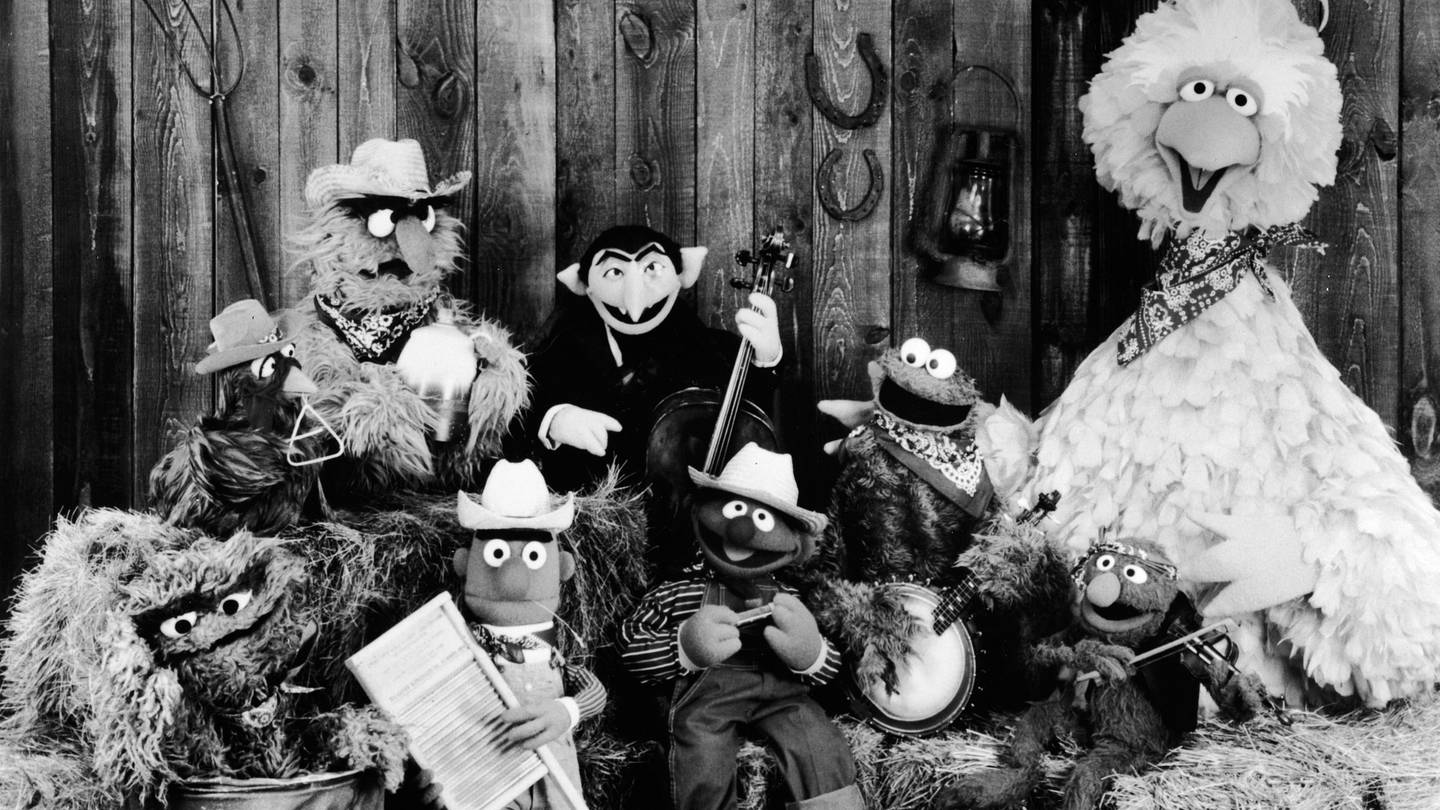
Sesame Street
Debut: 1969. Educational, funny, musical, and emotionally smart, Sesame Street taught generations letters, numbers, kindness, and the fact that cookies are sometimes a personality.
-
All My Children
Debut: 1970. The Pine Valley soap became a daytime institution, famous for bold characters, social issues, and the unforgettable Erica Kane.
-
Masterpiece
Debut: 1971. PBS’s anthology series brought prestige drama, British imports, literary adaptations, and elegant theme music into American living rooms.
-
The Price Is Right
Debut: 1972 in its modern CBS form. The show’s genius is timeless: guess prices, win prizes, scream joyfully, and try not to overbid by one dollar.
-
The Young and the Restless
Debut: 1973. Genoa City’s corporate rivalries, romances, and family battles helped make this CBS soap one of daytime television’s defining dramas.
-
NOVA
Debut: 1974. PBS’s science documentary series has explained space, nature, technology, medicine, history, and big questions with rare clarity and curiosity.
-
Austin City Limits
Debut: 1975. The longest-running music series in American TV history turned live performance into cultural preservation, spotlighting country, rock, blues, folk, soul, and beyond.
-
Wheel of Fortune
Debut: 1975. Spinning a giant wheel and solving word puzzles sounds simple. That simplicity is exactly why it works. Also, everyone secretly thinks they would crush the bonus round.
-
This Old House
Debut: 1979. Before home-improvement videos took over the internet, this PBS staple taught viewers how houses are repaired, restored, and occasionally made more complicated than expected.
-
Nature
Debut: 1982. PBS’s wildlife and natural history series has remained a trusted window into animals, ecosystems, conservation, and the planet’s weirdest survival strategies.
-
Frontline
Debut: 1983. With long-form investigative documentaries, Frontline proved that serious reporting can have the suspense of a thriller without needing fictional villains.
-
The Bold and the Beautiful
Debut: 1987. Fashion, family, romance, rivalry, and dramatic close-ups keep this CBS soap moving at a pace as polished as a runway finale.
-
48 Hours
Debut: 1988. CBS’s true-crime and news documentary program built long-term appeal through carefully reported mysteries and human-centered storytelling.
-
COPS
Debut: 1989. One of reality TV’s earliest long-running hits, COPS helped define unscripted television with its raw documentary style.
-
The Simpsons
Debut: 1989 as a half-hour series. Springfield’s favorite yellow family became the longest-running American primetime scripted series by turning everyday life into satire, absurdity, and surprisingly tender comedy.
-
America’s Funniest Home Videos
Debut: 1989 as a special, then 1990 as a weekly series. Before TikTok and YouTube, this show made accidental comedy a national pastime.
-
Law & Order
Debut: 1990. The original procedural’s two-part structurepolice investigation followed by legal prosecutionbecame one of TV’s most reliable storytelling engines.
-
Dateline NBC
Debut: 1992. Dateline has evolved from a newsmagazine into a true-crime powerhouse, with patient storytelling and unforgettable narration.
-
WWE Raw
Debut: 1993. This weekly wrestling program blends athletic spectacle, serialized drama, crowd energy, and larger-than-life characters into one of television’s most durable live formats.
-
Power Rangers
Debut: 1993. Color-coded heroes, martial arts, giant robots, and monster battles helped this franchise reinvent itself for new generations of kids.
-
ER
Debut: 1994. While not still running, this medical drama lasted 15 seasons and influenced later hospital shows with fast pacing, ensemble storytelling, and emotional urgency.
-
South Park
Debut: 1997. Crude animation, fast production, and sharp satire allowed South Park to react to culture faster than most scripted shows could schedule a table read.
-
The View
Debut: 1997. Daytime TV found a durable format in a panel of women discussing news, culture, politics, and whatever topic is guaranteed to start a lively table debate.
-
Law & Order: Special Victims Unit
Debut: 1999. Led for decades by Mariska Hargitay’s Olivia Benson, SVU became the longest-running American primetime live-action drama.
-
Family Guy
Debut: 1999. Canceled, revived, and then seemingly impossible to stop, Family Guy survived through cutaway jokes, pop-culture chaos, and a loyal fan base.
-
SpongeBob SquarePants
Debut: 1999. Bikini Bottom remains one of animation’s most recognizable worlds, proving that nautical nonsense can be a long-term business model.
-
Survivor
Debut: 2000. Strategy, social pressure, physical competition, and betrayal made Survivor a reality-TV cornerstone.
-
Big Brother
Debut: 2000 in the U.S. The format turned isolation, alliances, competitions, and live-feed paranoia into addictive summer television.
-
The Amazing Race
Debut: 2001. A global scavenger-hunt format keeps the show fresh because every season offers new countries, challenges, and airport panic.
-
The Bachelor
Debut: 2002. Romance, competition, roses, tears, and dramatic pauses turned this reality dating show into a franchise machine.
-
NCIS
Debut: 2003. The procedural’s blend of military cases, workplace humor, and team loyalty made it one of broadcast TV’s most dependable hits.
-
The First 48
Debut: 2004. This documentary crime series focuses on the early hours of homicide investigations, using real cases and investigative process as its core structure.
-
Grey’s Anatomy
Debut: 2005. Shonda Rhimes’s hospital drama combined medicine, romance, friendship, tragedy, and unforgettable soundtrack moments into a modern TV institution.
-
It’s Always Sunny in Philadelphia
Debut: 2005. This live-action sitcom has lasted by doing the opposite of sentimental comfort comedy: it lets terrible characters make terrible decisions with impressive consistency.
-
American Dad!
Debut: 2005. The animated sitcom built longevity with absurd family stories, political parody, alien weirdness, and surprisingly flexible character dynamics.
-
Deadliest Catch
Debut: 2005. Discovery’s fishing series turned dangerous labor, harsh weather, and crew dynamics into gripping unscripted television.
-
Hell’s Kitchen
Debut: 2005. Gordon Ramsay’s culinary competition endures because cooking under pressure is stressful, dramatic, and apparently best enjoyed from a safe couch.
-
Top Chef
Debut: 2006. With serious culinary talent, creative challenges, and polished judging, Top Chef elevated food competition TV beyond simple kitchen chaos.
Why These Long-Running TV Shows Still Matter
The real lesson of the longest-running TV shows is not just that audiences love familiarity. It is that familiarity becomes powerful when a show keeps adapting. Sesame Street changed how children learn from television. 60 Minutes helped define televised investigative journalism. The Simpsons became a living archive of American satire. General Hospital and Days of Our Lives proved that serialized storytelling can keep viewers emotionally invested for decades. Jeopardy! and Wheel of Fortune turned simple formats into nightly rituals.
Longevity also reveals how television reflects society. Early news programs grew with the rise of broadcast journalism. Soap operas gave daytime audiences complex emotional storytelling before streaming made serialized drama fashionable. Reality shows such as Survivor, Big Brother, and The Amazing Race captured a culture fascinated by competition, strategy, and unscripted personality. Long-running animated shows showed that cartoons are not only for children; they can comment on politics, family life, pop culture, and everything in between.
In a media world overflowing with new releases, these shows offer something rare: continuity. You may not watch every episode of Today, Dateline, or NCIS, but you know they are there. That reliability matters. Television has always been partly about companionship, and long-running shows are the neighbors who never move away.
Personal Viewing Experience: What It Feels Like to Grow Up With Long-Running TV
Watching long-running TV shows is a little like measuring time without a calendar. You remember where you were when a host changed, when a character left, when a finale aired, or when a show suddenly looked sharper because high-definition arrived and everyone’s living room became brutally honest. These programs become emotional bookmarks. A childhood morning might be tied to Sesame Street. A sick day from school might mean The Price Is Right. A family dinner might end with Wheel of Fortune or Jeopardy!, where everyone becomes a genius until Final Jeopardy arrives and humility enters the room.
The best experience with long-running shows is their comfort. You do not need to learn an entirely new universe every time. The rules are already there. On Jeopardy!, clues appear and contestants respond in the form of a question. On Law & Order: SVU, the case unfolds with urgency and moral weight. On The Simpsons, Springfield somehow resets, yet still manages to absorb every decade of American weirdness. On Grey’s Anatomy, someone will fall in love, someone will make a risky decision, and the hospital will continue operating as if emotional devastation is part of the floor plan.
There is also joy in sharing these shows across generations. A parent may introduce a child to SpongeBob SquarePants, only to discover the jokes still work for adults. A grandparent may remember Meet the Press from a completely different political era. A family may debate answers during Jeopardy! with the seriousness of a Supreme Court hearing. These shows create common language. Catchphrases, theme songs, hosts, characters, and formats become cultural shortcuts.
Another part of the experience is surprise. Long-running shows should feel predictable, but the great ones keep finding new energy. Survivor changes strategy because contestants learn from previous seasons. SNL changes because comedy reacts to the moment. Doctor Who changes by design, turning reinvention into the premise. Even soap operas, famous for familiar emotional ingredients, can shift with new characters, social themes, and production styles.
For web readers, the appeal of a list like this is nostalgia mixed with discovery. You may arrive looking for the obvious giantsThe Simpsons, General Hospital, Sesame Streetand leave remembering shows you watched with relatives, roommates, or friends. The longest-running TV shows of all time are not only ranked by years. They are ranked by how deeply they settle into everyday life. Some entertained us. Some educated us. Some annoyed us. Some outlasted our favorite snacks, phones, hairstyles, and probably several couches. That is television immortality.
Conclusion
The 50 longest-running TV shows of all time prove that television longevity is not an accident. A show must offer viewers a reason to return again and again: trust, comfort, suspense, laughter, competition, information, or emotional connection. News programs survive by staying relevant. Soaps survive by making fictional families feel strangely real. Game shows survive because viewers love playing along. Animated and scripted series survive by building worlds people want to revisit.
In the end, long-running TV is not just about numbers. It is about memory. These shows become part of the rhythm of daily life, and that is why some of them keep going long after other programs have faded into trivia questions.