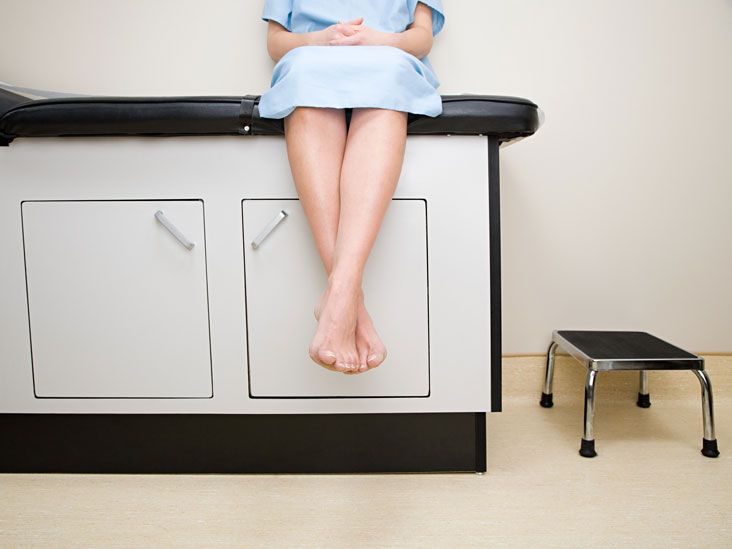
Preparing for an endoscopy can sound more dramatic than it usually is. The word itself feels like it should arrive with thunder, a clipboard, and a nurse saying, “We need to talk.” In reality, an upper endoscopy is a common medical procedure that helps doctors look inside the upper digestive tract, including the esophagus, stomach, and the first part of the small intestine. The preparation is usually simple, but it matters a lot. A clean, empty stomach helps your doctor see clearly, keeps the procedure safer, and lowers the chance that your appointment gets rescheduled after you already arranged time off, a ride, and your most comfortable socks.
This guide explains how to prepare for an endoscopy in plain American English, without turning your brain into a medical dictionary. You will learn what to do before the procedure, what to eat or avoid, which medications to discuss, what to bring, what happens afterward, and how to make the whole experience less stressful. Think of it as your friendly pre-endoscopy game plan: part medical checklist, part calming pep talk, and part “please do not eat a cheeseburger at midnight” reminder.
What Is an Endoscopy?
An endoscopy is a procedure that uses a thin, flexible tube with a camera and light at the end. For an upper endoscopy, also called an EGD or esophagogastroduodenoscopy, the scope passes through the mouth and gently down the throat so the doctor can examine the lining of the upper gastrointestinal tract. Doctors may recommend it to investigate symptoms such as trouble swallowing, chronic heartburn, nausea, vomiting, upper abdominal pain, unexplained anemia, black stools, suspected bleeding, ulcers, inflammation, celiac disease, Barrett’s esophagus, or other digestive concerns.
During the procedure, the doctor may also take small tissue samples, called biopsies. That may sound alarming, but biopsies are common and usually painless during endoscopy. The scope can also help treat certain problems, such as stopping bleeding, stretching a narrowed area, or removing small abnormal growths. In other words, an endoscopy is not just a camera tour of your stomach. It can be both diagnostic and therapeutic, which is fancy medical language for “look around and sometimes fix things while already in there.”
Why Preparation Matters
The most important goal of endoscopy preparation is to make sure your stomach is empty. Food or liquid in the stomach can block the doctor’s view and may increase the risk of complications, especially when sedation or anesthesia is used. If the care team cannot safely proceed, your procedure may be delayed or canceled. Nobody wants to do the paperwork shuffle twice because a bowl of cereal made a surprise guest appearance.
Good preparation also helps your doctor get better results. A clear view means the doctor can more accurately identify inflammation, ulcers, bleeding, narrowing, or suspicious tissue. Following instructions about fasting, medications, transportation, and recovery is one of the simplest ways to help the procedure go smoothly.
One Week Before Your Endoscopy
Review Your Instructions Early
Do not wait until the night before to read your endoscopy instructions. Open the paperwork, patient portal message, or clinic email several days ahead of time. Different clinics may use slightly different fasting rules, especially for morning versus afternoon procedures. Some people receive special instructions because of diabetes, blood thinners, heart or lung disease, previous stomach surgery, swallowing problems, implanted devices, pregnancy, or medications that slow stomach emptying.
If anything is unclear, call the clinic. This is not the time to freestyle. Medical teams would much rather answer a question early than cancel a procedure later because you followed advice from your neighbor’s cousin, who once had “something similar” in 2009.
Make a Complete Medication List
Write down every prescription medication, over-the-counter drug, vitamin, herbal supplement, and occasional pill you take. Include aspirin, ibuprofen, naproxen, blood thinners, diabetes medications, blood pressure pills, iron supplements, antacids, acid reducers, sleep aids, anxiety medications, and weight-loss or diabetes injections such as GLP-1 medicines. Bring this list with you and share it before the procedure.
Some medicines can be continued as usual, while others may need to be adjusted or paused. Never stop a prescribed blood thinner, insulin, heart medication, seizure medication, or diabetes medication on your own. The safest plan is one created by the doctor performing the endoscopy and the clinician who prescribed the medication.
Talk About Blood Thinners
Blood thinners and antiplatelet medications deserve special attention because they affect clotting. Examples include warfarin, apixaban, rivaroxaban, dabigatran, clopidogrel, ticagrelor, heparin, and aspirin-containing products. Some patients are told to continue certain medications, while others may need a temporary change depending on the reason for the medication and whether biopsies or treatment are expected.
The key rule is simple: do not guess. A person taking a blood thinner after a heart valve replacement, stroke, clot, stent, or irregular heartbeat may have different instructions from someone taking aspirin for prevention. Your care team will balance the risk of bleeding with the risk of stopping the medicine.
Ask About Diabetes and GLP-1 Medicines
If you have diabetes, ask exactly how to manage insulin, oral diabetes medications, and glucose monitoring while fasting. Skipping food while taking the usual dose of diabetes medicine can sometimes lead to low blood sugar. On the other hand, stopping medicines without a plan can lead to high blood sugar. Your doctor may give specific instructions for the night before and morning of the procedure.
If you take GLP-1 medicines such as semaglutide, tirzepatide, dulaglutide, liraglutide, or similar medications for diabetes or weight loss, tell your care team well in advance. These medicines can slow stomach emptying in some people, so your clinic may give special eating and drinking instructions. Some patients may be advised to follow a clear liquid diet for a period before the procedure. Because guidance can vary, your own clinic’s instructions should be your final authority.
The Day Before Your Endoscopy
Eat Light If Allowed
Many people can eat normally earlier the day before an upper endoscopy, then stop solid food at the time instructed by the clinic. Others may be asked to eat lighter meals or follow a clear liquid diet, especially if they have delayed stomach emptying, take certain medications, or are having a more complex procedure. If your instructions say “no solid food after midnight,” that means no solid food after midnight. It does not mean “a tiny snack if nobody sees it.” Your stomach will know. The camera will know. Everybody will know.
Understand Clear Liquids
Clear liquids are liquids you can see through. Common examples include water, clear apple juice, clear grape juice, clear cranberry juice, sports drinks, plain tea, black coffee without milk or creamer, clear broth, and some gelatin products if approved by your clinic. Avoid milk, cream, smoothies, protein shakes, orange juice with pulp, alcohol, and anything your instructions specifically prohibit.
Some centers allow clear liquids until a few hours before arrival, while others say nothing by mouth after midnight. Follow your exact written instructions. If the printed instruction says one thing and an older website says another, trust the clinic that is actually doing your procedure.
Arrange Your Ride Home
If you receive sedation or anesthesia, you will need a responsible adult to take you home. In many facilities, rideshare, taxi, bus, or walking home alone is not allowed after sedation. Your reaction time, judgment, and coordination can be affected for the rest of the day, even if you feel surprisingly normal. Sedation is sneaky like that. It may convince you that you are fine to answer emails, sign documents, or assemble furniture. You are not.
Ask your driver to stay reachable during the appointment. Some centers require the driver to check in with you or be present for discharge instructions. Plan to rest at home afterward and avoid driving, operating machinery, drinking alcohol, making major decisions, or doing strenuous exercise until the next day unless your doctor says otherwise.
The Morning Of Your Endoscopy
Follow Fasting Rules Exactly
Most upper endoscopy instructions require no solid food for about 6 to 8 hours before the procedure, and many centers use stricter instructions such as nothing after midnight. Some allow small amounts of clear liquid up to 2 to 4 hours before arrival, but this depends on the clinic, your health, the type of sedation, and your procedure time. The safest approach is to follow your own instructions word for word.
Do not chew gum, suck on hard candy, smoke, vape, or drink “just a sip” unless your instructions allow it. Even small things can stimulate stomach secretions or interfere with the fasting plan. Brush your teeth if allowed, but do not swallow water. Your mouth may feel dry, but the reward is getting the procedure done safely and on schedule.
Take Only Approved Medicines
Your instructions may allow certain morning medications with a small sip of water. Common examples may include some blood pressure medications, heart medications, seizure medications, or anxiety medications, but this varies. Do not take antacids, iron, diabetes medications, blood thinners, or supplements unless your care team told you to do so. Bring inhalers, glucose supplies, glasses, hearing aids, insurance information, photo identification, and your medication list.
Dress for Comfort
Wear loose, comfortable clothing. Skip jewelry, body piercings if instructed, heavy makeup, perfume, lotions, and contact lenses if your center asks you to wear glasses instead. Procedure rooms can be chilly, so socks may become the unsung heroes of your medical morning. Leave valuables at home. You are going for an endoscopy, not auditioning for a luxury watch commercial.
What Happens During the Procedure?
After check-in, a nurse will review your medical history, medications, allergies, and fasting status. You may sign a consent form. An IV line is usually placed so the team can give sedating medication. Your throat may be sprayed or gargled with numbing medicine to reduce gagging. A small plastic bite block may be placed between your teeth to protect both your mouth and the endoscope.
You will typically lie on your left side. Once you are relaxed or asleep, the doctor gently guides the endoscope through your mouth and into the upper digestive tract. The scope does not block your breathing. Air or carbon dioxide may be used to expand the stomach and make the lining easier to see. The actual exam is often fairly short, commonly around 10 to 30 minutes, though the total visit takes longer because of check-in, preparation, sedation, and recovery.
What to Expect After an Endoscopy
After the procedure, you will rest in a recovery area while the sedative wears off. You may feel groggy, bloated, gassy, or mildly nauseated. A sore throat is also common for a day or two. Cold drinks, soft foods, and throat lozenges may help once your swallowing reflex has returned and your care team says it is safe to eat or drink.
Your doctor may discuss early findings before you go home, but you might not remember every detail because of sedation. That is one reason it helps to have your responsible adult listen to the discharge instructions. If biopsies were taken, results may take several days or longer. Ask how you will receive results: phone call, patient portal, letter, or follow-up visit.
Warning Signs After an Endoscopy
Most people recover without serious problems, but you should know when to seek help. Call your healthcare provider or seek urgent care if you develop fever, worsening chest pain, shortness of breath, severe or persistent abdominal pain, vomiting blood, vomit that looks like coffee grounds, black or bloody stools, trouble swallowing that gets worse, or severe throat pain. Mild bloating and a scratchy throat are common; intense or worsening symptoms are not something to “walk off like a digestive cowboy.”
Practical Tips to Make Endoscopy Prep Easier
Set Phone Reminders
Set alarms for when to stop solid food, when to stop clear liquids, when to take approved medications, and when to leave for the appointment. Fasting instructions are easier to follow when your phone is bossy on your behalf.
Prepare Your Recovery Spot
Before you leave home, set up a comfortable recovery area with water, approved soft foods, a blanket, your phone charger, and any discharge paperwork. After sedation, your future self will appreciate not having to hunt for soup while walking around like a sleepy penguin.
Ask Questions Before Sedation
If you want to know whether biopsies are planned, when results arrive, what medications to restart, or when to resume normal eating, ask before the procedure begins. Afterward, you may be too drowsy to remember your questions, let alone the answers.
Do Not Compare Your Prep Too Closely With Someone Else’s
Your friend may have been told to stop liquids two hours before arrival. Your clinic may say four hours. Someone online may have had no sedation. You may have sedation. Instructions vary because patients, facilities, procedures, and risk factors vary. The best endoscopy preparation is the one written for you.
Common Mistakes to Avoid
One common mistake is assuming “clear liquid” includes anything that looks pale. Milk is not a clear liquid. A vanilla milkshake is not a clear liquid, even if your heart deeply believes in it. Another mistake is forgetting supplements. Fish oil, vitamin E, herbal products, and anti-inflammatory medications may matter depending on your procedure and bleeding risk.
Patients also sometimes forget to arrange a proper ride. This can lead to cancellation, even if the procedure team is ready. Another avoidable problem is taking diabetes medicine without confirming fasting instructions. Finally, some people eat late because they feel nervous. Try to plan a calm evening instead: follow the instructions, drink approved fluids if allowed, prepare your documents, and distract yourself with something relaxing.
Experience-Based Notes: What Preparing For An Endoscopy Often Feels Like
Many people say the anticipation is more uncomfortable than the endoscopy itself. The days before the appointment can feel oddly dramatic because your mind starts producing a full medical documentary starring you, your stomach, and a mysterious beeping machine. In real life, the process is usually structured, calm, and routine for the medical team. They do this all the time. You may be nervous; they are checking boxes, confirming your name, adjusting monitors, and making sure everything is safe.
The fasting period is often the part people complain about most. If your procedure is early in the morning, fasting may not feel too bad because you are asleep for much of it. If your appointment is later in the day, the clock can become your enemy. Every commercial suddenly contains pizza. Every family member suddenly chooses that exact morning to toast bread. A helpful trick is to schedule light tasks that keep your mind busy without using too much energy. Fold laundry, watch a show, answer simple messages, or organize your ride details. Avoid cooking for others if possible, because nothing tests human character like preparing pancakes while you are not allowed to eat.
People also often worry about gagging. That fear is understandable. The idea of a tube going down the throat is not exactly anyone’s dream vacation. But sedation and throat-numbing medicine are used to make the experience more comfortable. Many patients remember little or nothing from the actual procedure. Some wake up surprised that it is already over. The most memorable part may be the warm blanket, the nurse asking how you feel, or the deeply philosophical realization that hospital socks have no fashion ambition whatsoever.
Another common experience is post-procedure fogginess. You may feel awake but still be slower than usual. This is why discharge instructions, a ride home, and a quiet recovery day matter. Do not plan a major work presentation, a legal signing, a long drive, or an emotional conversation with your cable company. Go home, rest, eat only what your instructions allow, and let your body finish clearing the sedating medication. A nap may be the most productive thing you do all day, and that is perfectly respectable.
The best emotional preparation is remembering why the test is being done. An endoscopy can provide answers. It can help explain symptoms that have been bothering you for weeks, months, or years. It can detect problems early, guide treatment, confirm healing, or rule out serious conditions. Preparation may be mildly annoying, but it is also an active part of taking care of yourself. You are not just “getting through a test.” You are helping your doctor get the clearest possible information about your digestive health.
Conclusion
Preparing for an endoscopy is mostly about following instructions carefully: review your paperwork early, share your full medication list, ask about blood thinners and diabetes medicines, fast exactly as directed, arrange a responsible ride home, and give yourself time to recover. The process may feel intimidating, but the preparation is usually straightforward once you break it into steps. Your stomach needs to be empty, your care team needs accurate information, and you need a calm plan for getting home safely.
An endoscopy is a valuable tool for diagnosing and sometimes treating upper digestive problems. Good preparation helps the procedure go smoothly and gives your doctor the best chance of seeing what needs to be seen. So read the instructions, set reminders, pack your socks, and resist the midnight snack. Your future selfand your gastroenterologistwill thank you.
Note: This article is for educational purposes only and is not a substitute for medical advice. Always follow the specific instructions from your gastroenterologist, anesthesiology team, or endoscopy center, especially if you take blood thinners, diabetes medications, GLP-1 medicines, heart medications, or have complex medical conditions. This content was synthesized from current reputable U.S. medical guidance, including major academic medical centers, gastroenterology organizations, government health resources, and anesthesia safety resources.