Your roof has one job: keep the outdoors outdoors. Unfortunately, it performs that job while being baked by sunlight, pelted by hail, shoved around by wind, soaked by rain, buried under snow, and occasionally used as a racetrack by squirrels.
Most roof problems do not begin with a dramatic waterfall pouring through the living-room ceiling. They start quietlya lifted shingle, a cracked pipe boot, a handful of granules in the gutter, or a damp patch in the attic. Catching those early signs can mean the difference between replacing a small section of roofing and replacing insulation, drywall, flooring, and several buckets that have suddenly become part of your home décor.
This guide explains 10 common roof problems, the warning signs homeowners should watch for, and the practical steps to take before minor damage becomes a major expense.
Why Early Roof Problem Detection Matters
A roof is a layered system rather than a simple sheet of shingles. Its performance depends on the roof deck, underlayment, shingles or other exterior covering, flashing, vents, gutters, fasteners, drainage paths, insulation, and attic ventilation working together.
When one component fails, water may travel along rafters, pipes, insulation, or roof decking before appearing inside the house. That means the stain on your bedroom ceiling may be several feet away from the actual leak. Routine inspections can reveal curling shingles, damaged flashing, loose seams, granule accumulation, clogged drainage, and other warning signs before water reaches finished living areas.
1. Roof Leaks and Water Intrusion
Signs of a Leaking Roof
Roof leaks are among the most common roofing problems, but they are not always obvious. Watch for:
- Brown or yellow stains on ceilings and walls
- Peeling paint or bubbling drywall
- Damp insulation in the attic
- Darkened roof decking or rafters
- A musty odor after rain
- Water dripping near a chimney, skylight, vent, or exterior wall
- Daylight visible through the roof deck
Common causes include damaged shingles, deteriorated underlayment, failed flashing, exposed nails, cracked vent boots, and debris blocking valleys. The visible indoor stain may not sit directly below the entry point because water often travels before dripping.
What to Do
Move furniture and valuables away from the wet area. Place a container beneath active drips and photograph the damage. If the ceiling is bulging with trapped water, keep people away from it and contact a professional.
Arrange a roof inspection as soon as possible. Emergency tarping may limit additional damage, but a tarp is a temporary measurenot a new roofing system wearing a blue raincoat. Wet materials should be dried promptly, and the source of moisture must be repaired to reduce the risk of mold growth. The EPA advises acting quickly after leaks and notes that drying damp areas within 24 to 48 hours can often help prevent mold from developing.
2. Missing, Cracked, Curling, or Loose Shingles
Signs of Shingle Damage
Asphalt shingles can crack, curl, lift, blister, tear, or disappear during severe weather. From the ground, look for uneven roof surfaces, exposed dark areas, shingles sitting in the yard, or tabs that appear raised at the edges.
Shingles may deteriorate because of age, wind uplift, heat, installation errors, impact damage, or inadequate attic conditions. A few damaged shingles may create localized vulnerabilities, while widespread curling or cracking can indicate that the roof covering is approaching the end of its serviceable life.
What to Do
Do not attempt to glue down random shingles with household adhesive. Roofing materials must be repaired with compatible products and proper fastening methods. Ask a qualified roofing contractor to determine whether individual shingles can be replaced or whether the damage is widespread enough to justify reroofing.
After high winds, inspect the property from a safe location. Pay special attention to roof edges, ridges, and corners, where wind damage often begins. Never climb onto a wet, icy, storm-damaged, or steep roof to investigate. Missing and lifted shingles can expose the layers beneath them to wind-driven rain even when an indoor leak has not yet appeared.
3. Excessive Granule Loss
Signs of Granule Loss
The mineral granules on asphalt shingles protect the underlying asphalt from sunlight and weathering. Some loose granules are normal on a newly installed roof, but excessive loss can leave shingles looking bald or patchy.
Check for large quantities of sand-like material in gutters, at downspout outlets, or on the ground below the roof. You may also notice dark spots where the shingle’s asphalt layer has become exposed. Hail can knock granules loose, while age and foot traffic can accelerate wear.
What to Do
Have a roofer determine whether the granule loss is normal, storm-related, or evidence of advanced aging. Do not pressure-wash asphalt shingles. High-pressure water can remove additional granules, force water under the roofing, and turn a cleaning project into a repair estimate.
If granule loss follows a hailstorm, document the date, photograph visible evidence, and review your insurance policy before repairs begin. Hail damage can vary according to the roof’s age, condition, materials, hail size, wind speed, and direction. Gutters, siding, vents, and outdoor equipment may provide additional clues that the property was struck.
4. Damaged or Improperly Installed Flashing
Signs of Flashing Problems
Flashing is installed where roof surfaces meet walls, chimneys, skylights, valleys, vents, and other penetrations. These transitions are naturally vulnerable because water must be redirected around interruptions in the roof plane.
Warning signs include:
- Rust, cracks, gaps, or bent metal
- Loose flashing around chimneys or dormers
- Failed sealant
- Water stains near skylights or vent pipes
- Cracked or deteriorated rubber pipe boots
- Roof cement that is separating from the surface
What to Do
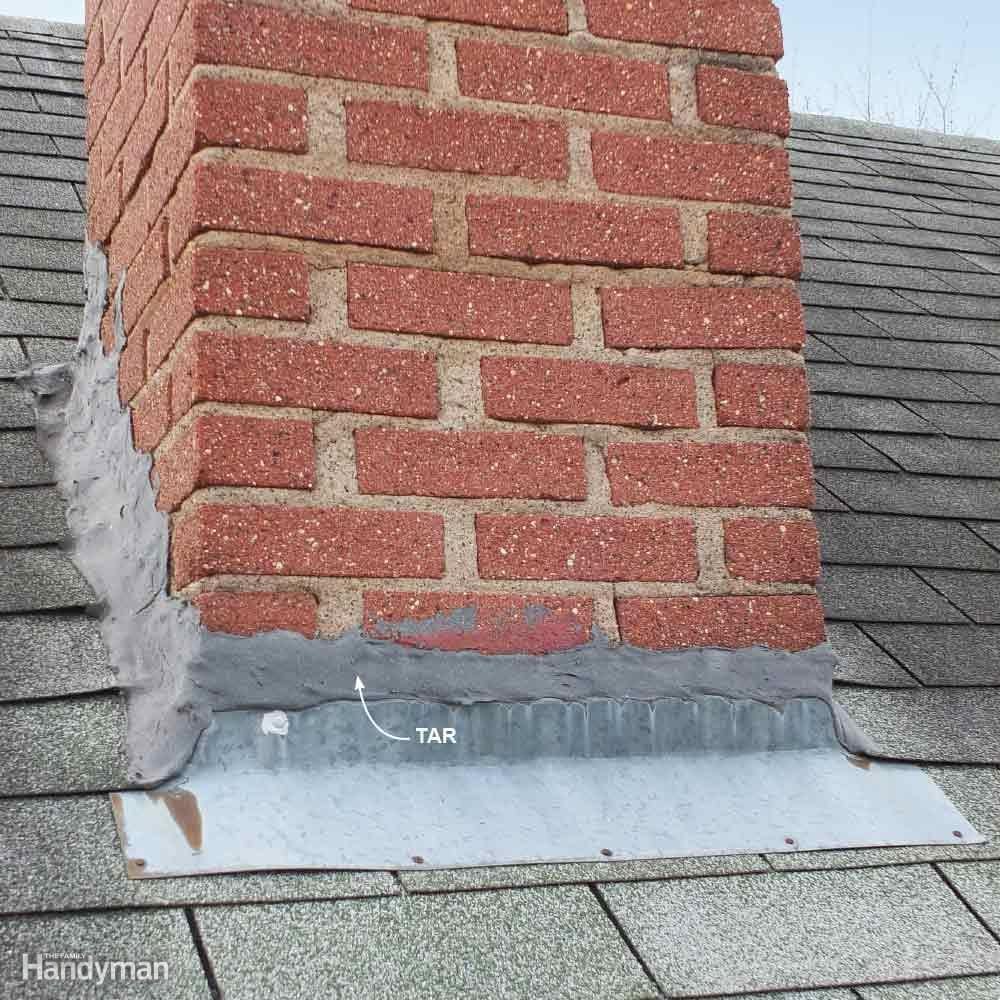
Flashing repairs require more than smearing another layer of caulk over the problem. Sealant may provide temporary protection, but durable repairs usually involve removing nearby roofing materials, replacing or resetting the flashing, integrating it correctly with the underlayment, and reinstalling the roof covering.
Have a professional inspect all penetrations when one flashing failure is discovered. Components of similar age may be approaching failure together. Proper flashing is essential for directing water away from joints rather than merely asking it politely not to enter.
5. Clogged, Loose, or Damaged Gutters
Signs of Gutter Problems
Gutters are part of the roof drainage system. When they fill with leaves, pine needles, roofing granules, seed pods, or the occasional ambitious plant, water can overflow against the fascia, back up near the roof edge, or collect around the foundation.
Look for overflowing water, sagging gutter sections, peeling fascia paint, rotted wood, separated joints, water marks below the gutters, and puddles near the foundation. During winter, blocked drainage can contribute to ice buildup.
What to Do
Clean gutters and downspouts regularly, especially after leaves fall and after major storms. Confirm that downspouts discharge water away from the foundation and that gutter sections slope correctly toward their outlets.
Replace damaged fasteners, leaking joints, crushed downspouts, or badly corroded sections. If the roof is high or the ground is uneven, hire a gutter or roofing professional. Leaning sideways from the top of a ladder while wrestling with wet leaves is not home maintenance; it is an audition for the emergency room. Regular gutter care helps protect roofing, fascia, siding, and the foundation from uncontrolled runoff.
6. Poor Attic Ventilation and Condensation
Signs of Ventilation Problems
A balanced attic ventilation system allows outdoor air to enter through intake vents and warmer, humid air to leave through exhaust vents. Problems occur when vents are missing, blocked by insulation, incorrectly combined, or inadequately sized for the attic.
Possible signs include:
- Condensation on nails or roof decking
- Mold or mildew in the attic
- Damp, compressed, or discolored insulation
- Wood rot
- Unusually hot second-floor rooms
- Recurring ice dams
- Rust on metal fasteners
What to Do
Ask a roofing, insulation, or building-performance professional to evaluate attic airflow, insulation, air sealing, and exhaust ducts. Bathroom fans, kitchen exhausts, and clothes dryers should vent outdoors rather than dumping moisture into the attic.
Adding a powered fan without understanding the existing system can create unintended pressure problems or pull conditioned air from the house. The solution should address the attic as a system: air leakage, insulation, intake ventilation, exhaust ventilation, and indoor moisture sources. Department of Energy guidance notes that improper attic ventilation can allow moisture to damage insulation and wood while contributing to mold problems.
7. Ice Dams
Signs of Ice Dam Formation
Ice dams form when heat reaching the roof melts snow on warmer upper sections. The meltwater flows toward colder eaves, refreezes, and gradually creates a ridge of ice. Water can then back up beneath shingles and leak into the roof assembly.
Warning signs include thick ice along the eaves, large icicles, water stains near exterior walls, damp attic insulation, peeling paint, and recurring leaks during freeze-thaw cycles. Icicles alone do not always prove that an ice dam exists, but they are worth investigating.
What to Do
Do not attack an ice dam with an ax, hammer, or sharp shovel. Chopping ice can damage shingles, gutters, and flashing while putting the person below in the direct path of falling debris.
For immediate risk reduction, a qualified professional may remove snow with appropriate tools or create drainage channels using controlled methods. The long-term fix usually involves sealing attic air leaks, improving insulation, maintaining balanced ventilation, and ensuring that gutters and roof drainage remain clear. In cold climates, properly installed ice-and-water membrane at vulnerable roof edges can provide additional protection beneath the shingles.
8. Wind, Hail, and Falling-Tree Damage
Signs of Storm Damage
Storm damage ranges from subtle bruising to obvious structural destruction. Wind may lift shingles, loosen flashing, tear materials from roof edges, or drive branches through the roof. Hail may remove granules, dent metal, crack shakes and tiles, or damage vents and gutters.
After a storm, check safely from the ground for:
- Shingles, metal pieces, or roofing debris in the yard
- Bare or uneven roof areas
- Dented gutters, vents, or siding
- Broken tree limbs resting on the roof
- Water stains or daylight in the attic
- Loose flashing and damaged roof edges
What to Do
Keep everyone away from areas beneath damaged trees or sagging roof sections. Photograph the damage without climbing onto the roof. Prevent additional water entry with emergency tarping only when it can be done safely by qualified workers.
Contact your insurer promptly and save receipts for emergency services. Coverage varies according to the policy, roof age, cause of loss, exclusions, deductibles, and preexisting maintenance issues. Avoid signing an immediate repair contract with an unfamiliar person who appears after a storm and pressures you to decide before you have reviewed the scope, credentials, references, and insurance terms.
9. Moss, Algae, Debris, and Overhanging Branches
Signs of Organic Growth and Debris Problems
Dark roof streaks are often associated with algae, while thick green growth may indicate moss. Moss can retain moisture and grow beneath shingle edges. Leaves and needles may collect in valleys, behind chimneys, around skylights, or on low-slope sections, slowing drainage and keeping roofing materials damp.
Overhanging branches can scrape the roof, drop debris, shade damp areas, and fall during storms. They may also provide convenient access for squirrels, raccoons, and other uninvited roof inspectors.
What to Do
Trim branches far enough from the roof to reduce contact and debris accumulation, using a qualified tree professional for large limbs. Remove loose debris without damaging the roof surface, and keep valleys, gutters, and drains clear.
Do not aggressively scrub or pressure-wash asphalt shingles. Use cleaning methods and products approved by the roofing manufacturer, or hire a contractor familiar with the material. Never assume all staining is merely cosmetic; dark areas may also result from moisture, missing granules, manufacturing variation, or deterioration. Seasonal maintenance and branch management can help limit preventable damage.
10. Sagging Roof Deck, Structural Movement, or Advanced Aging
Signs of a Serious Roof Problem
A roofline should generally appear straight and consistent. Visible dips, waves, depressions, or sagging may indicate deteriorated decking, prolonged moisture exposure, overloaded framing, damaged rafters or trusses, foundation movement, or installation defects.
Other serious warning signs include:
- Cracked or split rafters
- Roof decking that feels soft or looks deteriorated
- Doors or windows suddenly sticking after structural movement
- Large areas of widespread shingle failure
- Multiple recurring leaks
- A roofline that has noticeably changed
- Interior ceiling movement or cracking beneath the roof
What to Do
Treat visible sagging as a structural concern rather than a cosmetic roofing issue. Keep people out of affected areas and contact a licensed roofing contractor, structural engineer, or qualified building professional. Do not walk on the roof to test whether the sagging area is “really that soft.” The roof has already submitted its written complaint.
A localized section of damaged decking may be repairable. Extensive deterioration, widespread leaks, or an aging roof with multiple failing components may make replacement more economical than repeated patching. A professional assessment should consider the roof covering, decking, structure, flashing, ventilation, drainage, code requirements, and the cause of damage before recommending repair or replacement.
How to Decide Between Roof Repair and Replacement
Not every roof problem requires a complete replacement. A repair may be appropriate when the damage is localized, the surrounding materials remain in good condition, compatible replacement materials are available, and the roof has substantial useful life remaining.
Replacement becomes more reasonable when problems are widespread, leaks keep returning, the roof deck has extensive deterioration, many shingles are cracked or curling, repairs would disturb large areas, or the roof system is near the end of its expected service life.
Ask contractors to explain the cause of the problemnot just the proposed treatment. A trustworthy estimate should identify damaged components, required materials, ventilation or flashing changes, disposal, permits, warranty terms, payment schedule, and how unexpected deck damage will be handled.
A Safe Roof Inspection Checklist for Homeowners
Homeowners can perform a useful preliminary inspection without walking on the roof.
From the Ground
- Look for missing, lifted, curled, or uneven shingles.
- Check whether ridge caps and roof edges appear secure.
- Inspect gutters for sagging, overflow, and granules.
- Look for damaged flashing, vents, fascia, and soffits.
- Check for fallen limbs, debris, moss, and clogged valleys.
Inside the House
- Inspect ceilings and upper walls for stains or peeling paint.
- Notice musty odors, especially after rain.
- Look for damp drywall, bubbling surfaces, or unexplained discoloration.
Inside the Attic
- Use a flashlight to check decking, rafters, and insulation.
- Look for dark stains, active drips, rusted nails, or mold.
- Check whether bathroom or dryer ducts terminate in the attic.
- Look for daylight entering through holes or gaps.
- Avoid stepping between joists or disturbing damaged materials.
Arrange professional inspections after severe storms, when purchasing a home, before major renovations, and whenever visible signs suggest a developing problem. A professional roofer may recognize installation defects or hidden weaknesses that a general visual check misses.
Practical Experiences and Lessons From Common Roof Problems
Roof trouble has a predictable way of teaching expensive lessons. The following real-world-style scenarios reflect problems homeowners and roofing professionals encounter repeatedly.
Experience 1: The Ceiling Stain That “Stopped Growing”
A small stain appears after heavy rain, but the next few storms produce no visible dripping. The homeowner assumes the leak has sealed itself. Months later, a contractor finds wet insulation, stained decking, and deterioration around a vent boot.
The lesson is simple: intermittent leaks are still leaks. Wind direction, rainfall intensity, snow cover, and temperature can determine whether water enters on a particular day. A stain that stops changing may mean the material has dried temporarily, not that the entry point has disappeared. Photograph the stain, note the weather conditions, and arrange an inspection before repainting.
Experience 2: The “Cheap” Caulk Repair
A homeowner finds cracked sealant near a chimney and adds a thick bead of general-purpose caulk. The leak seems fixed for several weeks, but temperature changes cause the patch to separate. Water then enters behind the flashing and travels into an exterior wall.
This experience demonstrates why roof repairs must address how water is directed through the entire assembly. Sealant is useful in specific applications, but it cannot replace properly integrated step flashing, counterflashing, underlayment, or compatible roofing materials. The least expensive repair is not always the one with the lowest initial price; it is the repair that solves the cause without creating hidden damage.
Experience 3: The Storm Inspection That Happened Too Late
After a hailstorm, the roof looks normal from the driveway. No shingles are missing, so the homeowner does nothing. Several seasons later, accelerated granule loss and weakened shingles become obvious, but documenting the original event is now much more difficult.
The practical lesson is to inspect promptly after severe weather even when damage is not dramatic. Photographs of the roof, gutters, vents, siding, fences, and outdoor equipment can create a useful record. A timely professional inspection can distinguish cosmetic marks from functional damage and help homeowners make decisions while information about the storm is still available.
Experience 4: The Attic Problem Disguised as a Roofing Problem
A roof develops frost on the underside of the decking during winter. The shingles are blamed, but the eventual inspection finds bathroom exhaust entering the attic, air leaks around ceiling penetrations, blocked soffit vents, and inadequate insulation.
The roof covering may be perfectly capable of shedding rain while moisture damages the assembly from inside. This is why attic investigations matter. Roofing, insulation, air sealing, ventilation, and household humidity interact. Replacing shingles alone would improve appearance without correcting the moisture source.
Experience 5: The Repeated Repair Cycle
One roof receives a patch near a skylight, another at a valley, and another around a plumbing vent. Each repair addresses the latest leak, but the shingles across the roof are curling, granules fill the gutters, and several flashing details are deteriorating.
At some point, repeated repairs stop being economical. Homeowners should compare the total cost of likely short-term repairs with the cost and expected service life of replacement. That does not mean replacing every roof with a leak. It means considering the condition of the entire system rather than treating each failure as an unrelated surprise.
Experience 6: Maintenance That Prevented a Major Repair
During routine gutter cleaning, a homeowner notices an unusual pile of granules below one downspout. A roofer finds a small hail-damaged area and cracked flashing before interior water damage occurs. The repair is limited, documented, and completed before the next heavy storm.
This is the happy ending roof articles rarely receive. A simple observation leads to early action, and early action limits damage. Homeowners do not need to become roofing experts. They need to recognize changes, document them, and involve qualified professionals before water gains a permanent address inside the house.
Conclusion
The most common roof problemsleaks, damaged shingles, granule loss, faulty flashing, clogged gutters, poor ventilation, ice dams, storm damage, organic growth, and structural saggingusually provide warning signs before they become disasters.
Inspect your roof and attic regularly from safe locations, especially after severe weather. Keep drainage paths clear, manage nearby trees, investigate moisture quickly, and do not rely on cosmetic patches for problems involving flashing or structural components.
Most importantly, resist the temptation to ignore small changes. Roof problems do not improve through positive thinking. A quick inspection and properly completed repair can preserve the roofing system, protect the interior of the home, and keep the household bucket collection strictly recreational.