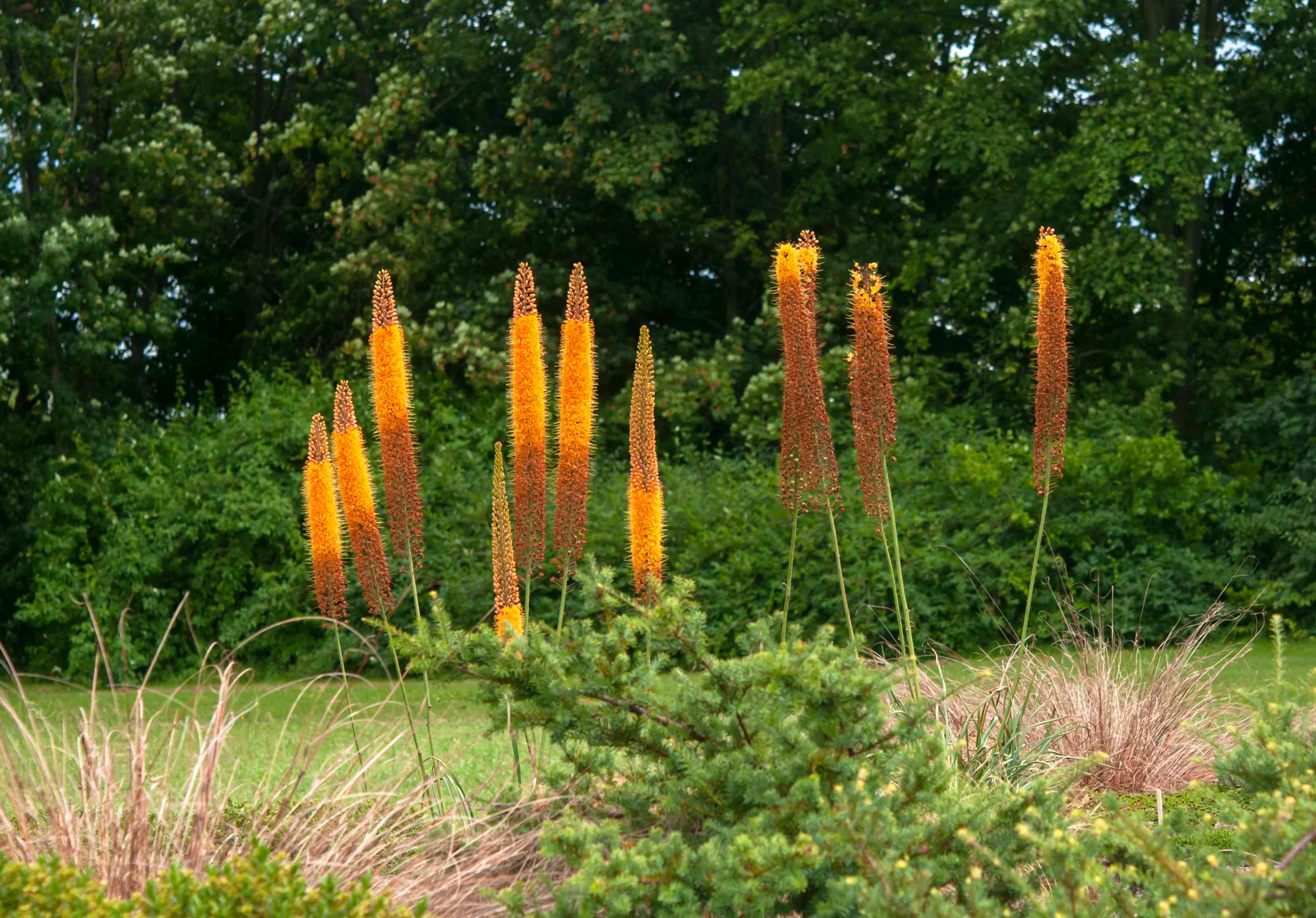
Foxtail lilies are the garden equivalent of a grand entrance. One minute your border looks polite and well-behaved, and the next, tall flower spires shoot skyward like botanical fireworks. Also known by their botanical name Eremurus, foxtail lilies produce dramatic bottlebrush-like blooms in shades of creamy white, yellow, apricot, orange, salmon, and pink. They are bold, elegant, slightly quirky, and absolutely not the kind of plant that likes to be shoved into a soggy corner and told to “figure it out.”
The good news? Once you understand what foxtail lilies want, they are not mysterious. They need full sun, excellent drainage, room for their strange starfish-shaped roots, and a gardener who can resist overwatering. The bad news? If your soil stays wet, they may vanish faster than snacks at a neighborhood potluck. This guide explains how to plant and grow foxtail lilies successfully, from choosing the right site to handling roots, watering, fertilizing, staking, and enjoying those spectacular early-summer blooms.
What Are Foxtail Lilies?
Foxtail lilies are herbaceous perennials in the genus Eremurus. Despite the common name, they are not true lilies. Instead of growing from a typical bulb, they grow from a central crown with long, fleshy roots radiating outward. When dormant, the root system looks a bit like a brittle octopus, a starfish, or something a child might invent after being asked to draw a plant from outer space.
In spring, foxtail lilies send up basal rosettes of long, strap-like leaves. By late spring to early summer, depending on your climate and variety, tall leafless flower stalks rise from the foliage. The flower spikes open from the bottom upward, creating a glowing tower of hundreds of small star-shaped flowers. Mature plants may reach 3 to 8 feet tall, and some robust types can grow even taller in ideal conditions.
Best Growing Conditions for Foxtail Lilies
Light
Foxtail lilies grow best in full sun. Aim for at least six hours of direct sunlight per day, with more being better in cooler climates. These plants come from open, dry regions of Central and western Asia, so they are naturally adapted to bright exposure. In hot southern gardens, a little afternoon shade may help protect foliage from scorching, but deep shade will usually lead to weak growth and poor flowering.
Soil
The most important rule for growing foxtail lilies is simple: drainage, drainage, drainage. These plants hate sitting in wet soil. A sandy loam or gritty, well-drained garden bed is ideal. Heavy clay can work only if it is improved with compost, coarse sand, fine gravel, or expanded shale and shaped into a raised mound or berm. If water puddles after rain, choose another site or build a raised bed.
Foxtail lilies appreciate moderately fertile soil, but they do not need a rich, constantly moist bed. Too much lushness can encourage soft growth and rot. Think “sunny Mediterranean-style border,” not “swamp spa day.”
Hardiness
Most foxtail lilies are grown as perennials in USDA Zones 5 to 8, though some varieties may tolerate Zone 9 when summers are dry and soil drains sharply. In colder zones, winter protection helps. The plant itself can handle cold, but wet winter soil and late spring frosts are common problems.
Water
Water foxtail lilies well after planting to help settle the soil around the roots. During active spring growth, provide moderate moisture if rainfall is limited. Once flowering is finished and foliage begins to yellow, reduce watering. In summer dormancy, the crown prefers dry conditions. This seasonal rhythm is key: moisture during growth, dryness during rest.
When to Plant Foxtail Lilies
The best time to plant foxtail lilies is early fall, usually September through October in many U.S. regions. Fall planting allows the roots to settle in before winter and prepare for spring growth. In areas with mild winters, plant as soon as dormant roots become available. In cold regions, plant before the ground freezes and add a light winter mulch after the soil cools.
Spring planting is possible if you receive roots then, but fall generally gives stronger results. If bare roots arrive before you can plant them, keep them cool, dry, and protected from freezing. Do not leave them sitting in plastic in a warm garage, where they may dry out or rot before their garden career even begins.
How to Plant Foxtail Lilies Step by Step
1. Choose a Sunny, Sheltered Site
Select a full-sun location with excellent drainage. Because flower stalks can be tall, choose a spot protected from strong winds. The back of a perennial border, a gravel garden, a sunny slope, or a raised bed can work beautifully. Foxtail lilies look especially striking planted in groups of three, five, or more, where the vertical spikes create rhythm and drama.
2. Prepare a Wide Planting Hole
Dig a wide, shallow hole rather than a narrow deep one. A good guideline is about 10 to 15 inches wide and 4 to 6 inches deep, depending on the size of the root. The fleshy roots spread outward, so they need room. Loosen the soil below the planting area and mix in compost if the soil is poor. For heavy soil, add gritty material to improve drainage.
3. Make a Soil Mound
Create a small mound of soil in the center of the hole. Place the central crown on top of the mound with the pointed bud facing upward. Then gently spread the roots over the mound like spokes on a wheel. Handle them carefully because the roots are brittle and can snap.
4. Set the Crown at the Right Depth
Plant the crown so it sits about 2 to 6 inches below the soil surface, depending on local climate and supplier instructions. In general, avoid burying it too deeply in heavy soil. Cover the roots gently, keeping the crown protected but not smothered. If your winters are wet, planting slightly higher on a mound can help prevent rot.
5. Space Plants Properly
Space foxtail lilies about 18 to 36 inches apart. Smaller varieties can be closer, while large types such as Eremurus robustus need more room. Crowding is one of the easiest ways to make foxtail lilies sulk. They dislike root competition, especially from aggressive perennials that need frequent digging or division.
6. Water Once, Then Be Patient
After planting, water thoroughly to settle the soil. Then step away from the watering can. Keep the bed lightly moist if fall is extremely dry, but do not keep it wet. In spring, new shoots will emerge, sometimes looking suspiciously fragile for a plant that plans to grow taller than a toddler. Protect young shoots from late frost if necessary.
Foxtail Lily Care Through the Seasons
Spring Care
In spring, watch for emerging shoots. If a late frost is forecast, cover the tender growth with a frost cloth, overturned pot, cardboard box, or breathable garden cover overnight. Remove the cover during the day. Slugs and snails may nibble young growth, so inspect plants early and use your preferred slug control method if damage appears.
As flower spikes develop, water during dry spells. A light application of balanced, slow-release fertilizer or compost can support growth, but avoid overfeeding. Foxtail lilies do not need to be pushed like a lawn before a barbecue.
Summer Care
Foxtail lilies bloom in late spring to early summer, depending on variety and region. After blooming, the foliage will gradually yellow and die back. This is normal. Do not cut green leaves too early; they are feeding the crown for next year’s flowers. Once the foliage is fully brown, remove it for tidiness.
During dormancy, keep the planting area relatively dry. Avoid placing thirsty annuals directly over foxtail lily crowns, because frequent summer watering can encourage rot.
Fall Care
Fall is the main planting season. It is also a good time to refresh mulch in colder climates. Use a light, airy mulch such as straw, pine needles, or shredded leaves after the ground begins to cool. Keep mulch away from the crown itself if your area is wet. The goal is insulation, not a damp blanket.
Winter Care
In cold regions, winter mulch helps protect roots from freeze-thaw cycles. In rainy winter climates, drainage is more important than insulation. If your garden has wet winters, plant foxtail lilies in raised beds, gravel gardens, or berms so excess water moves away from the crown.
Best Foxtail Lily Varieties to Grow
There are many species and hybrids, and availability varies by nursery. Popular choices include:
Eremurus robustus
This is one of the tallest and most dramatic types, with pale pink flower spires that can reach impressive heights. It is best for large borders where it has room to show off without elbowing the roses.
Eremurus stenophyllus
Often sold as yellow foxtail lily or desert candle, this species produces bright golden-yellow spikes and is usually shorter than E. robustus. It is excellent for sunny borders and pollinator gardens.
Shelford Hybrids
These hybrids often come in warm shades of apricot, salmon, orange, yellow, and pink. They are beloved for mixed color plantings and cut-flower gardens.
Ruiter Hybrids
Ruiter hybrids offer strong stems and a range of soft, glowing colors. They are a good choice for gardeners who want a refined but still dramatic look.
Where to Use Foxtail Lilies in the Garden
Foxtail lilies are vertical accent plants. Use them where their height becomes a feature rather than a surprise obstacle. They work well at the back of borders, along sunny fences, in gravel gardens, and among drought-tolerant perennials. Their flower spikes pair beautifully with alliums, bearded iris, peonies, ornamental grasses, roses, catmint, salvia, and yarrow.
Because foxtail lily foliage dies back after flowering, plant companions nearby to disguise the fading leaves. Choose perennials with shallow or non-aggressive roots and avoid plants that require constant division. Good companions provide coverage without bullying the crown.
Common Problems and How to Fix Them
Root Rot
Root rot is the biggest threat to foxtail lilies. It usually happens when the crown sits in wet soil, especially during winter or dormancy. Prevent it by planting in raised, sharply drained soil and avoiding overwatering.
No Flowers
If foxtail lilies produce leaves but no flowers, the likely causes are too much shade, poor drainage, immature plants, frost damage, or excessive competition. Give them full sun, protect early shoots, and avoid disturbing the roots.
Broken Flower Stalks
Tall flower spikes may bend or break in windy sites. Plant in sheltered areas or stake stems early before they lean. Use a discreet bamboo stake or metal plant support so the flowers still look natural.
Slug and Snail Damage
Young spring shoots can attract slugs and snails. Check plants regularly as they emerge. Remove pests by hand, use barriers, or choose pet-safe slug controls where appropriate.
Can You Grow Foxtail Lilies in Containers?
Foxtail lilies can be grown in containers, but they are not the easiest pot plants. Their roots spread widely, so they need a broad container with excellent drainage. Choose a pot at least 18 to 24 inches wide for one crown, and use a gritty, free-draining potting mix. Containers dry out faster than garden beds during active growth, but they can also become too wet in winter if left exposed to rain. Raise pots on feet and protect them from winter saturation.
For most gardeners, foxtail lilies perform better in the ground, especially in a raised bed or sunny border. Containers are best for gardeners who can closely manage drainage and seasonal moisture.
Do Foxtail Lilies Make Good Cut Flowers?
Yes. Foxtail lilies are excellent cut flowers and can last well in arrangements when harvested at the right stage. Cut stems when the lower flowers have opened and the upper buds are still closed. Place stems in clean water immediately. Because the spikes are tall, use a sturdy vase unless you enjoy the exciting sound of floral drama crashing onto the dining room table.
How to Propagate Foxtail Lilies
Foxtail lilies can be propagated by division or seed, though neither method is instant. Mature clumps may be divided every three to four years, but only when necessary. Lift dormant crowns carefully in late summer or early fall, separate offsets, and replant immediately. Be gentle because the fleshy roots break easily.
Seed propagation is possible, but it requires patience. Plants grown from seed may take several years to flower, and hybrids may not come true to type. For most home gardeners, buying healthy dormant crowns is the fastest and most reliable way to start.
Practical Planting Example
Imagine a sunny border along a fence that receives seven hours of light daily. The soil is decent but slightly heavy. To plant foxtail lilies there, first loosen the bed deeply and blend in compost with coarse grit. Create a raised ridge about 4 inches above the surrounding soil. Plant three crowns 24 inches apart, each on a mound inside a wide hole. Add a few alliums and catmint nearby, but leave the crowns undisturbed. Water after planting, mulch lightly in winter, and protect shoots if frost threatens. By early summer, the border should have vertical spires rising above lower companions like garden exclamation points.
of Real-World Growing Experience: What Gardeners Learn After Planting Foxtail Lilies
The first experience many gardeners have with foxtail lilies is confusion. You open the package and expect a normal bulb, something round and sensible. Instead, you find a dry-looking crown with long, fragile roots stretching in every direction. The first instinct is to wonder whether the nursery mailed you a fossilized sea creature by mistake. That odd shape is normal, and learning to handle it gently is the first lesson. Do not force the roots into a narrow hole. Give them a wide planting space, spread them carefully, and let the crown sit on a little mound like royalty surveying the kingdom.
The second lesson is that foxtail lilies reward restraint. Gardeners who love watering often struggle with them at first. These plants do not want constant attention. They want a sunny place, good drainage, and then a little peace and quiet. In many gardens, the plants that fail are not neglected; they are loved too enthusiastically. A foxtail lily planted in rich soil and watered every other day through summer may rot, while one planted on a sunny slope with gritty soil may return year after year like it has signed a long-term lease.
Another common experience is waiting. Foxtail lilies may not look spectacular in their first year. Sometimes they produce modest foliage and a smaller spike, or no bloom at all while the roots establish. This can be disappointing if you were expecting instant garden fireworks. But patience pays. In the second and third years, healthy plants often become stronger and more impressive. The lesson is to avoid digging them up too quickly. If the site is sunny and well drained, give them time.
Gardeners also learn that placement matters. A single foxtail lily in the middle of a busy bed can look lonely, like a very tall guest at a party where everyone else is sitting down. Groups of three or five usually look better. Planting them behind lower perennials makes the display feel intentional. Since the leaves fade after flowering, nearby plants such as catmint, salvia, ornamental grasses, or hardy geraniums can help cover the gap without smothering the crown.
Wind is another teacher. The first time a flower spike leans after a storm, most gardeners discover the value of discreet staking. It is easier to add support when stems are still rising than to rescue a bent stalk later. Use a stake that blends into the planting and tie loosely. The goal is support, not a floral hostage situation.
Finally, foxtail lilies teach gardeners to think seasonally. They are not lush, all-summer fillers. They are spectacular early-summer performers with a dormancy period afterward. Once you accept that rhythm, they become easier to use. Let them shine, let them rest, and do not panic when the foliage disappears. In the right spot, foxtail lilies bring height, movement, pollinator activity, and a little theatrical flair that few other perennials can match.
Conclusion
Foxtail lilies are not difficult because they are fussy; they are difficult only when planted in the wrong conditions. Give them full sun, sharply drained soil, careful fall planting, and protection from soggy winters or late frosts, and they can become one of the most memorable plants in the garden. Their towering flower spikes add drama to borders, attract pollinators, and make excellent cut flowers. Treat the roots gently, avoid crowding, and remember that dry summer dormancy is part of their natural cycle. With a little planning, foxtail lilies will reward you with blooms that look like they were designed by a garden architect with a flair for the dramatic.
Note: Foxtail lilies are not true lilies and are grown from fleshy crowns rather than ordinary bulbs. For best results, always prioritize drainage over richness and avoid disturbing established roots unless division is truly needed.