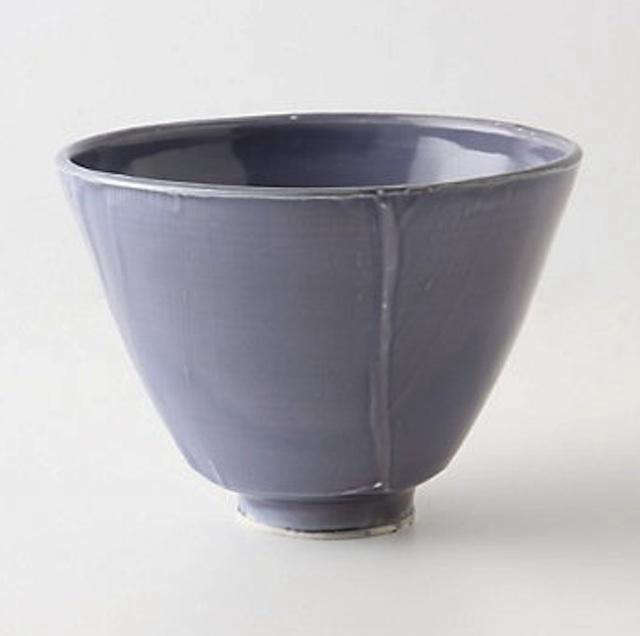
Some tableware walks onto the table quietly. Daniel Bellow’s Pinched Corners tableware strolls in, clears its throat, and somehow makes the salad look like it has a better interior designer than you do. That is the charm of handmade porcelain: it does not shout, but it also refuses to be ignored.
The Pinched Corners collection by Daniel Bellow belongs to that delicious category of tabletop design where function and personality sit side by side like old friends at dinner. These pieces are practical enough for everyday meals, but sculptural enough to make a Tuesday bowl of soup feel slightly more civilized. The soft colors, hand-formed edges, and subtly squared silhouettes give the collection its visual hook: familiar tableware, gently interrupted by the human hand.
At a time when many kitchens are filled with factory-perfect plates, identical bowls, and mugs that look as if they were approved by a committee of robots, Bellow’s work feels refreshingly alive. Each piece carries small variations in shape, glaze, and touch. That is not a flaw. That is the whole point. Handmade tableware is not trying to be a stack of porcelain clones. It is trying to make meals feel more personal, tactile, and memorable.
Who Is Daniel Bellow?
Daniel Bellow is a Massachusetts-based potter known for handmade porcelain pieces for the kitchen, table, and home. His studio practice centers on clay, fire, glazes, and the ancient-but-still-magical act of turning a spinning lump of material into something you can drink coffee from without spilling it on your shirt. His pottery has been associated with Great Barrington and the Berkshire region, a setting that fits the work beautifully: rural, thoughtful, craft-driven, and just far enough from mass-production culture to breathe.
Before establishing himself as a full-time potter, Bellow worked in journalism. That background matters more than it might seem. Good pottery and good writing both depend on rhythm, restraint, revision, and knowing when to stop fussing. A handmade bowl, like a clean sentence, should feel inevitable when it is finished. Bellow’s work often has that quality: confident, useful, and not overdecorated.
His pieces are typically wheel-thrown, fired in a gas reduction kiln, and finished with glazes that can vary beautifully from one firing to the next. The result is tableware with character: not rustic in a rough way, not precious in a museum-gloves way, but warm, elegant, and comfortable in the hand.
What Makes the Pinched Corners Tableware Special?
The phrase “Pinched Corners” sounds modest, almost casual, but it describes the design detail that gives this collection its identity. Instead of perfectly round forms, the pieces have gently altered edges and corners, creating a soft square or rounded-rectangle impression. It is a small shift, but on the table it does a lot of visual work.
Round plates and bowls are classic for a reason. They stack easily, frame food naturally, and make sense to both the eye and the dishwasher. But a pinched-corner form adds just enough tension to wake everything up. The cornered shape brings a hint of architecture. It frames food more deliberately. A small dish can suddenly look like a stage for olives, sea salt, or the last cookie you swore you were not going to eat.
A Handmade Shape With Modern Appeal
The beauty of this tableware is that it feels modern without becoming cold. The pinched corners give it a contemporary profile, while the handmade porcelain keeps it grounded. This balance is what makes Daniel Bellow’s work so appealing for modern tables: it can sit beside linen napkins and taper candles, but it can also handle scrambled eggs, leftover noodles, and the occasional emergency cereal dinner.
In design language, the collection plays with contrast. Soft porcelain meets angular geometry. Subtle glaze meets expressive form. Everyday utility meets studio-pottery soul. The pieces look designed, but not over-designed. They have enough personality to be noticed and enough restraint to remain useful.
Porcelain With Personality
Porcelain has long carried a reputation for refinement. It is often associated with delicate china cabinets, formal dinners, and the terrifying sentence, “Please be careful; that belonged to your grandmother.” Bellow’s porcelain pushes against that stiff reputation. His pieces are refined, yes, but they are also made for real kitchens and real tables.
That is important. The best handmade tableware is not just decorative. It earns its place in daily life. A bowl should feel good in the hand. A plate should make food look generous. A mug should invite the second cup of coffee, even when your calendar suggests that caffeine is no longer a beverage but a survival strategy.
Bellow’s porcelain pieces often combine durability with elegance. Because they are made as functional wares, they are intended to be used rather than admired from a distance. That changes the relationship between object and owner. A handmade dish becomes part of the morning routine, the family dinner, the small rituals that make a house feel inhabited.
The Art of Imperfection
One of the strongest reasons people respond to Daniel Bellow’s Pinched Corners tableware is its acceptance of variation. In handmade ceramics, small differences in size, glaze, curve, and edge are not defects. They are evidence. They tell you the piece was shaped by a person, not stamped out by a machine that has never tasted soup and never will.
This is where the collection fits naturally into the wider appeal of artisan tableware. Modern homeowners increasingly want objects that feel personal, layered, and tactile. After years of ultra-minimal spaces and perfectly matched everything, the pendulum has swung toward warmth. People want rooms and tables that look collected, not downloaded.
Pinched Corners tableware fits that mood beautifully. It is not messy or chaotic. It is controlled imperfection. Think of it as a well-tailored jacket with one relaxed button undone. The collection brings structure, but leaves room for charm.
How to Style Pinched Corners Tableware
The easiest way to style Daniel Bellow’s tableware is to let it breathe. These pieces do not need a crowded tablescape to look good. In fact, the pinched silhouettes and handmade glazes often shine best when paired with simple textures and natural materials.
For Everyday Meals
For a weekday table, pair Pinched Corners plates or bowls with cotton napkins, stainless flatware, and clear glassware. Add a wooden serving board or a small vase with one or two stems. The goal is relaxed, not staged. A handmade bowl filled with rice, roasted vegetables, or pasta already brings enough movement to the table.
For Dinner Parties
For entertaining, lean into contrast. Use the softly squared dishes against a round dining table, or place them on woven placemats for texture. If the glaze is pale, add dark linens or smoked glass. If the pieces have deeper tones, keep the rest of the setting airy with cream napkins and simple flowers. The table should look intentional, but not like it needed three assistants and a nervous clipboard.
For Open Shelving
Pinched Corners tableware also looks excellent on open kitchen shelves. Because the shape is slightly unusual, stacked plates and nested bowls create a pleasing silhouette even when not in use. If your kitchen has open shelving, handmade ceramics are your best friend. They make “I have not put the dishes away” look like “I collect artisan objects.” That is called design strategy.
Why Handmade Tableware Changes the Meal
There is a reason restaurants, stylists, and serious home cooks care about plates. Tableware affects how food is seen, served, and enjoyed. A handmade plate can make a simple meal feel more considered. A good bowl can turn soup into a scene. Even toast behaves better when it has a handsome place to sit.
Daniel Bellow’s Pinched Corners tableware works especially well because it frames food without competing with it. The shapes are distinctive but not loud. The surfaces feel organic. The glazes add atmosphere without turning dinner into a color experiment. This is the sweet spot for functional ceramics: enough artistry to elevate the meal, enough restraint to let the meal remain the point.
That makes the collection useful for many kinds of food. A small pinched dish can hold nuts, dipping sauce, flaky salt, or lemon wedges. A larger plate can frame roasted fish, salad, pasta, or a dessert that you bought from a bakery and are bravely pretending you made. A bowl can handle grains, noodles, fruit, or ice cream eaten directly from the freezer zone of emotional honesty.
Pinched Corners vs. Standard Dinnerware
Standard dinnerware has its advantages. It is uniform, predictable, and easy to replace. But it can also feel anonymous. Pinched Corners tableware offers a different experience. Instead of perfect repetition, it gives you related pieces with individual character. A set can still feel cohesive, but it will not feel sterile.
The difference is especially clear in mixed table settings. Mass-produced plates often depend on pattern or color to create interest. Bellow’s work uses form itself. The pinched edges, subtle asymmetry, and handmade finish create movement even when the palette is quiet. That is why the pieces can work in minimalist homes, farmhouse kitchens, modern apartments, and eclectic dining rooms.
They also photograph beautifully, which matters in the age of “Wait, don’t eat yet, I need one picture.” The soft geometry catches shadows. The handmade surfaces add depth. Food looks less flat and more composed. In other words, your salad may finally get the dramatic lighting it believes it deserves.
Care and Practical Use
Handmade pottery should be used with care, but not fear. Functional porcelain is generally designed for regular use, and Bellow’s work has been described as dishwasher-safe. Still, good habits help preserve handmade ceramics. Avoid sudden temperature shock, such as moving a very cold dish into high heat. Load pieces carefully in the dishwasher so they do not knock against harder items. When in doubt, handwashing is always the gentler option.
For long-term care, treat handmade tableware as you would a favorite wool sweater, except with less lint and more soup. Do not stack pieces aggressively. Avoid scraping metal utensils across delicate surfaces more than necessary. If a glaze has special texture or a piece has a sculptural edge, give it a little breathing room in the cabinet.
The reward is longevity. Well-made ceramics can last for many years when handled thoughtfully. Better yet, they age into the rhythm of the household. The favorite bowl becomes the one everyone reaches for. The small dish becomes the salt cellar. The serving plate becomes “the good plate,” which somehow appears every time guests arrive.
Why Daniel Bellow’s Work Still Feels Relevant
The Pinched Corners collection may have first caught design attention years ago, but its appeal feels very current. Today’s best interiors favor texture, authenticity, and objects with a story. People are less interested in buying a table setting that looks copied from a showroom and more interested in building a home with layers.
Daniel Bellow’s tableware answers that desire. It is handmade, but not fussy. Artistic, but not impractical. Distinctive, but not trend-chasing. The design has enough restraint to remain timeless and enough personality to avoid becoming background noise.
That is a rare combination. Many decorative objects are exciting at first and tiring later. Many practical objects are useful but forgettable. Pinched Corners tableware sits in the satisfying middle: useful beauty with a wink of irregularity.
Buying Considerations
If you are considering handmade tableware by Daniel Bellow, start with how you actually eat. A full set is lovely, but a single serving bowl, mug, or small dish can also change the feeling of a table. Handmade ceramics do not have to arrive all at once like a bridal registry marching band. They can be collected slowly.
Pay attention to size, shape, and storage. Pinched-corner pieces may stack differently from standard round plates, so measure your cabinet if space is tight. Consider the foods you serve most often. If you eat a lot of grain bowls, prioritize deeper bowls. If you entertain, choose serving pieces. If you mostly drink coffee and stare into the middle distance, a handmade mug may be the wisest investment.
Also remember that variation is part of the charm. If you want every plate to be exactly identical, handmade pottery may not be your soulmate. If you enjoy subtle differences and visible traces of craft, this kind of tableware will make daily meals feel richer.
Experience: Living With Pinched-Corner Tableware at the Table
The real test of any tableware is not how it looks in a product photo. Product photos are polite little fantasies where crumbs do not exist and nobody asks where the hot sauce went. The real test is breakfast, lunch, dinner, snacks, reheated leftovers, and that strange half-meal eaten while standing near the counter because sitting down felt too official.
In everyday use, the appeal of Pinched Corners tableware is the way it turns routine moments into small visual pleasures. A plain bowl of yogurt looks more composed. A sandwich feels less like an obligation and more like lunch with dignity. A handful of berries in a small handmade dish suddenly seems intentional, as if you are the sort of person who owns linen napkins and remembers to water basil.
The pinched corners also create a surprisingly useful sense of orientation. A round plate is democratic; every angle is the same. A softly squared plate gives the eye a place to land. When serving food, that shape can help frame the arrangement. A piece of fish, a spoonful of grains, and a tumble of greens look more deliberate when the plate has quiet structure. The dish does not decorate the food; it gives it posture.
There is also a tactile pleasure that does not show up in photographs. Handmade porcelain has weight, temperature, and presence. When you pick up a bowl, you feel the curve. When you set down a plate, it has a satisfying solidity. These details may sound small, but dining is made of small details. The difference between eating and enjoying a meal often lives in texture, light, sound, and pace.
For hosting, pinched-corner pieces perform a wonderful trick: they make the table look styled without making the host look like they tried too hard. Add roast chicken, pasta, seasonal vegetables, or a casual dessert, and the table already has shape and interest. You do not need elaborate centerpieces. In fact, please do not build a floral arrangement so tall your guests need maritime navigation equipment to talk across it. Let the tableware do some of the work.
One of the best experiences with this kind of ceramic is mixing rather than matching. A Daniel Bellow plate beside a simple white platter, a wooden board, clear glasses, and vintage flatware creates a table that feels collected over time. That is more interesting than a table where every item matches perfectly and appears to have been selected by a spreadsheet.
The only caution is emotional attachment. Once people find a favorite handmade bowl, they become loyal in a way usually reserved for pets and coffee shops. Someone will claim the best mug. Someone else will insist the small dish is “their snack bowl.” This is not a problem. This is how good objects become part of a household.
That is the lasting strength of Pinched Corners tableware by Daniel Bellow. It is not just attractive. It is companionable. It improves the look of the table, but it also improves the feeling of using the table. And in a world full of disposable design, that kind of daily usefulness is quietly luxurious.
Conclusion
Daniel Bellow’s Pinched Corners tableware proves that a small design gesture can completely change the mood of a tabletop. The softened square forms, handmade porcelain surfaces, and subtle variations create pieces that feel elegant, warm, and practical all at once. They are not just dishes; they are little arguments in favor of slowing down, setting the table, and letting ordinary meals feel a bit more special.
For anyone drawn to artisan tableware, handmade ceramics, modern porcelain dinnerware, or kitchen objects with soul, Pinched Corners is a collection worth remembering. It carries the human touch without sacrificing everyday usefulness. It is refined without being fragile in spirit. It is charming without trying to juggle flaming napkins for attention.
In the end, the best tabletop pieces are the ones that make people want to gather, eat, talk, and linger. Daniel Bellow’s Pinched Corners tableware does exactly that. It gives the table shape, the meal presence, and the humble bowl of noodles the dramatic entrance it has always secretly wanted.