A studio is a small space with big responsibilities. It may be your apartment, bedroom, art room, music corner, home office, podcast booth, craft zone, or all of the above before breakfast. That is why choosing the right studio ceiling fan matters more than many people think. In a larger home, one awkward fan is just an inconvenience. In a studio, it becomes part of the furniture, the lighting plan, the airflow system, and occasionally the background noise in your video call.
A good studio ceiling fan should cool without roaring, save space without looking boring, and move air evenly without turning your sketch papers, receipts, or carefully staged throw pillows into indoor wildlife. The best models for studio spaces are usually compact, quiet, efficient, and visually simple. They work with low ceilings, open layouts, small sleeping areas, and multi-purpose rooms where comfort has to be flexible.
This guide explains how to choose a ceiling fan for a studio, what size to consider, which features matter, and how to avoid the classic mistakes: buying a fan that is too large, mounting it too low, ignoring noise levels, or choosing a light kit that makes your cozy room feel like a dentist’s office.
What Is a Studio Ceiling Fan?
A studio ceiling fan is not always a separate product category. Most of the time, it refers to a ceiling fan selected specifically for a studio-style space. That space may be a studio apartment, a small creative studio, a recording room, a home office, or a compact bedroom that does several jobs at once.
The key difference is scale. A studio ceiling fan has to do more with less. It should provide steady air circulation without overpowering the room visually or physically. It should be quiet enough for sleep, work, streaming, recording, or studying. It should also leave enough clearance above people and furniture so the room feels comfortable instead of crowded.
Why a Ceiling Fan Works Well in a Studio
Studios often have one main problem: air does not always travel where you want it to go. A single window, a compact kitchenette, electronics, sunlight, and limited cross-ventilation can create hot spots. A ceiling fan helps by keeping air moving throughout the room.
It is important to understand one thing: a ceiling fan does not actually lower the room temperature. Instead, it creates a cooling effect on your skin by moving air. That breeze can make the space feel more comfortable, especially when paired with air conditioning. In cooler months, many reversible fans can help circulate warm air that collects near the ceiling.
For a studio, that year-round usefulness is a major advantage. A fan takes up no floor space, replaces the need for a standing fan in many cases, and can double as an overhead light. In a small room, anything that does two jobs without demanding floor real estate deserves applause.
How to Choose the Right Studio Ceiling Fan Size
Fan size is one of the biggest decisions. Too small, and the fan barely moves enough air. Too large, and it can dominate the ceiling like a helicopter with interior design ambitions.
Measure the Room First
Start by calculating square footage. Multiply the length of the room by the width. A 10-by-12-foot studio area is 120 square feet. A 14-by-16-foot open studio is 224 square feet. This number helps you choose the correct blade span.
For many small studios, a fan between 36 and 44 inches can work well. Medium studio apartments or open sleeping-living spaces often fit better with a 44- to 52-inch fan. Larger open-plan studios may need a 52-inch fan or, in some cases, two smaller fans placed strategically.
Consider the Shape of the Space
A square room is easier. A long, narrow studio is trickier. One large fan in the middle may not move air evenly from end to end. In a rectangular studio, a slightly smaller fan placed over the main living or sleeping zone may feel better than one oversized fan trying to rule the entire kingdom.
Ceiling Height Matters More Than You Think
Ceiling fan height affects both safety and performance. Ideally, fan blades should sit high enough above the floor to avoid people, furniture, bunk beds, loft beds, and ambitious houseplants. Many ceiling fan guides recommend keeping blades at least 7 feet above the floor, with 8 to 9 feet often considered ideal for airflow when the ceiling allows.
Low-Profile Fans for Low Ceilings
If your studio has an 8-foot ceiling, look at a low-profile ceiling fan, also called a hugger or flush-mount ceiling fan. These fans sit close to the ceiling and are designed for rooms where a downrod would place the blades too low.
Low-profile fans are especially useful in studio apartments, small bedrooms, converted attics, and home offices. They keep the room visually cleaner and reduce the chance of the fan feeling like it is hovering over your head while you answer emails.
Downrod Fans for Higher Ceilings
If your studio has tall ceilings, vaulted ceilings, or an industrial loft style, a downrod can bring the fan to a better operating height. A fan mounted too high may look elegant but fail to deliver enough airflow where people actually sit, sleep, or work.
Airflow: The Number That Actually Matters
When shopping for a studio ceiling fan, do not judge performance only by blade count or dramatic product photos. Look for airflow, usually measured in CFM, or cubic feet per minute. A higher CFM means the fan can move more air.
However, bigger is not always better in a studio. You want enough airflow to feel comfortable, not so much that your room becomes a weather event. A fan with multiple speeds gives you more control. Low speed is great for sleeping and working. Medium speed is useful for everyday comfort. High speed is for hot afternoons, cooking mishaps, or moments when your apartment feels like it has been personally sponsored by July.
Noise Level: Critical for Work, Sleep, and Recording
In a studio, quiet operation is not a luxury. It is survival. A noisy ceiling fan can interrupt sleep, distract during work, and ruin audio recordings. If you use your studio for podcasting, streaming, music, video calls, or voiceovers, prioritize a quiet motor.
Many modern fans use DC motors, which are known for efficient operation and smoother speed control. AC motor fans can still be reliable, but DC motor ceiling fans often appeal to studio owners because they tend to run quietly and use less energy.
Also pay attention to wobble. Even a good fan can become annoying if it is poorly installed or unbalanced. A steady fan fades into the background. A wobbling fan becomes the main character, and not in a charming way.
Lighting: Helpful, but Choose Carefully
Many studio ceiling fans come with integrated LED lights. This can be a smart choice because studios often have limited ceiling fixtures. A fan with a light kit can reduce clutter and provide general illumination from one central location.
But lighting quality matters. Look for dimmable LEDs if possible. Adjustable color temperature is also useful. Warm light feels cozy in a bedroom-style studio. Neutral or daylight settings can help in a workspace, art studio, or craft area. Avoid harsh lighting if the fan sits directly above a bed or desk; nobody needs overhead interrogation-room energy while folding laundry.
Style: Make the Fan Blend In or Stand Out
A ceiling fan is one of the largest objects in a small room, so style matters. In a studio, visual clutter builds quickly. A clean, simple fan can make the room feel more open. White fans often disappear against white ceilings. Matte black fans add contrast and work well in modern, industrial, or minimalist spaces. Wood-tone blades can soften a room with natural texture.
Modern Studio Style
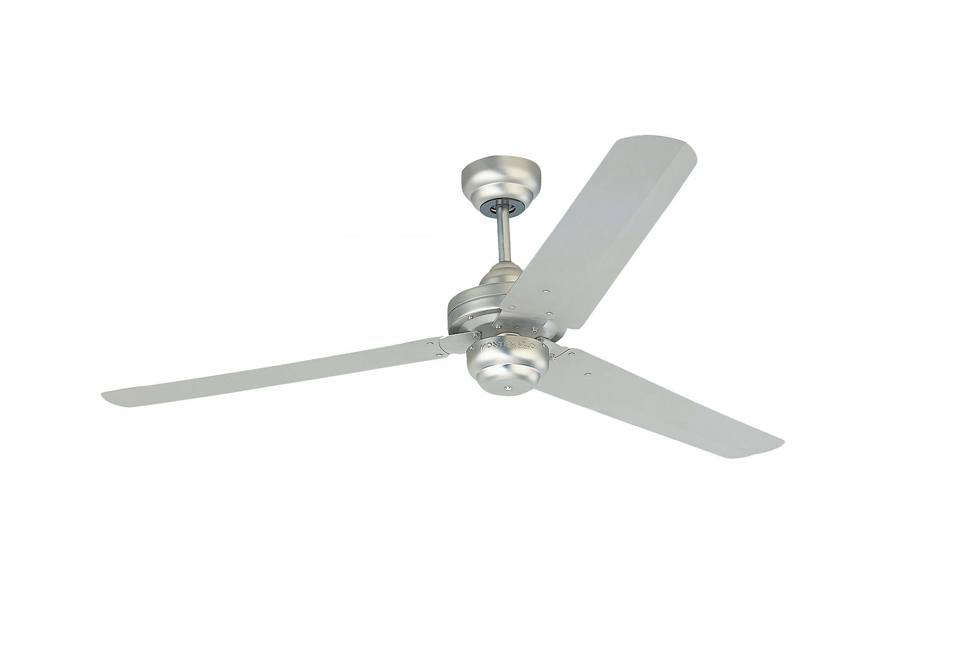
For a modern studio, choose a fan with clean lines, slim blades, and a simple housing. Three-blade fans often look sleek and contemporary. Integrated LED designs can also feel more streamlined than traditional bulb fixtures.
Creative Studio Style
For an art or design studio, the fan can become part of the room’s personality. A sculptural fan, wood finish, or unique blade shape can complement creative decor. Just make sure the design does not sacrifice quiet performance or airflow.
Small Apartment Style
For a studio apartment, choose a fan that works with your main decor theme. Since the sleeping, working, and living areas often share one ceiling, the fan should feel neutral enough to support all zones.
Smart Features Worth Considering
A smart ceiling fan can be useful in a studio because everything is within reach, but convenience still matters. Remote controls, wall controls, app controls, timers, and voice assistant compatibility can make daily use easier.
A remote is especially helpful if the fan is above a bed or desk. Timers are great for sleeping because you can run the fan as you fall asleep without leaving it on all night. Some smart fans also allow schedule settings, speed adjustments, and light dimming from your phone.
That said, do not pay extra for features you will never use. A simple quiet fan with a reliable remote may be better than a complicated smart model that requires three apps, two resets, and one emotional support beverage.
Indoor, Damp-Rated, or Wet-Rated?
Most studio ceiling fans are indoor-rated. That is fine for bedrooms, apartments, offices, and creative rooms. But if your studio opens to a covered balcony, sunroom, garage workspace, or humid area, pay attention to the rating.
A damp-rated fan can handle moisture in covered areas but should not be directly exposed to rain. A wet-rated fan is designed for spaces where it may encounter direct weather exposure. For a regular indoor studio, an indoor fan is usually enough. For anything semi-outdoor, do not guess. Choose the proper rating.
Installation Tips for a Studio Ceiling Fan
Ceiling fan installation is not the same as swapping a basic light fixture. Fans are heavier, they move, and they need proper support. The electrical box must be rated for ceiling fan use. If it is not, the fan may wobble, loosen, or become unsafe.
Check the Mounting Box
Before installation, confirm that the ceiling box is fan-rated. If the previous fixture was only a lightweight ceiling light, the box may not support a fan. This is one of those moments when “close enough” is not a home improvement philosophy.
Place the Fan in the Right Zone
In a studio apartment, center placement is not always the best placement. Think about where you spend the most time. A fan centered over the living and sleeping zone may perform better than one centered over the total floor plan. For a creative studio, place the fan where it supports comfort without disturbing supplies, canvases, microphones, or lighting equipment.
Hire a Professional When Needed
If wiring, ceiling support, angled mounting, or local electrical codes are unclear, hire a licensed electrician. A properly installed fan runs better, looks better, and is far less likely to develop noise or wobble.
Energy Efficiency and Everyday Savings
A ceiling fan can help reduce cooling costs when used correctly with air conditioning. The basic strategy is simple: run the fan while you are in the room and raise the thermostat slightly. Because moving air makes you feel cooler, you may stay comfortable with less air conditioning.
For a studio, this can be especially useful because smaller spaces heat up quickly. Computers, lights, cooking appliances, and direct sun can all add warmth. A ceiling fan helps distribute air and reduce the need to keep lowering the thermostat.
Choose an efficient fan, look for ENERGY STAR-certified options when available, and use LED lighting if the fan includes a light kit. Also remember to turn the fan off when you leave. Fans cool people, not empty rooms. Your couch does not need a breeze while you are at the grocery store.
Seasonal Fan Direction
Most reversible ceiling fans can change direction for seasonal comfort. In summer, the fan should generally spin counterclockwise to create a cooling downdraft. In winter, a clockwise direction at low speed can help move warm air down from the ceiling without creating a strong breeze.
This small adjustment is easy to forget, but it can make a studio feel more balanced throughout the year. Some fans use a switch on the motor housing. Others let you change direction with a remote or app.
Best Studio Ceiling Fan Features to Prioritize
When comparing options, focus on the features that matter most in a compact, multi-use space:
- Quiet motor: Essential for sleeping, working, studying, and recording.
- Correct blade span: Match the fan size to the room size.
- Low-profile mount: Ideal for low ceilings and compact apartments.
- Multiple speeds: Gives better comfort control throughout the day.
- Dimmable LED light: Useful when the fan replaces a main ceiling fixture.
- Remote control: Convenient for beds, desks, and small open layouts.
- Reversible airflow: Helpful for both warm and cool seasons.
- Balanced design: Prevents visual clutter in a small room.
Common Mistakes to Avoid
Choosing a Fan That Is Too Large
A huge fan in a small studio can feel visually heavy and physically uncomfortable. It may create too much airflow on high speed and make the ceiling feel lower.
Ignoring Ceiling Height
A beautiful fan is not a good choice if it hangs too low. Always check total hanging height before buying.
Buying Only for Looks
Style matters, but performance matters more. A fan that looks stunning but sounds like a tiny airplane is not a win.
Skipping the Light Quality
If the fan includes a light, make sure it suits your daily life. Dimming, warm color temperature, and glare control can make a big difference.
Studio Ceiling Fan Experiences: Real-Life Lessons From Small Spaces
Living with a studio ceiling fan teaches you things that product descriptions never mention. The first lesson is that airflow changes the mood of a room almost instantly. In a studio apartment, where the bed may be six steps from the desk and the kitchen may be close enough to judge your snack choices, stale air can make the whole place feel smaller. A quiet ceiling fan creates movement, and movement makes the room feel more alive.
One of the most useful experiences is discovering how much fan speed matters. High speed is not always the hero. In fact, low speed often becomes the favorite setting. It keeps the air moving while you sleep, read, paint, edit videos, or answer emails. Medium speed is perfect during warm afternoons. High speed is helpful after cooking, cleaning, or coming home from outside when the room feels stuffy. A studio fan with only one or two speeds can feel limiting; a model with several settings gives the space more flexibility.
Another real-world lesson is that lighting can make or break the fan. In a small studio, overhead light spreads everywhere. A harsh LED can make the room feel flat, cold, and slightly suspicious. A dimmable warm light, on the other hand, can create a relaxing evening atmosphere. For people who work from home, adjustable brightness is especially helpful. You can use brighter light during tasks and lower light at night without needing extra lamps everywhere.
Noise is also more noticeable in a studio than in a larger home. There is no far corner where a humming motor can hide. If the fan clicks, buzzes, or wobbles, you will hear it while trying to sleep. You will hear it during video calls. You may even start timing your thoughts to the rhythm of the sound, which is not ideal unless you are composing experimental music. This is why quiet operation and proper installation are worth taking seriously.
Style becomes personal, too. A studio ceiling fan is always visible, so it becomes part of the room’s identity. A slim white fan can make the ceiling feel open. A black fan can create a modern focal point. A wood-tone fan can warm up an otherwise plain rental. The best choice depends on whether you want the fan to disappear or add character.
People who use studios for creative work often appreciate a fan more than expected. Artists like steady air that helps reduce stuffiness without blowing supplies everywhere. Musicians and podcasters value quiet settings that do not interfere with recording. Remote workers like having comfort control without constantly adjusting the thermostat. Even renters benefit because a good fan can make a basic studio feel more finished, more comfortable, and more intentional.
The biggest experience-based tip is simple: choose for your real routine, not an imaginary showroom life. If you sleep under the fan, prioritize quiet operation and dim lighting. If you work under it, prioritize stable airflow and no flicker. If the studio gets afternoon sun, prioritize strong CFM and energy efficiency. If your ceiling is low, choose flush mount. If your decor is minimal, keep the fan simple. The best studio ceiling fan is not the fanciest one; it is the one you forget about because it quietly does its job every day.
Conclusion
A studio ceiling fan is a small-space upgrade with a big impact. It can improve comfort, reduce reliance on air conditioning, add useful lighting, and make a compact room feel more livable. The secret is choosing carefully. Measure your space, match the blade span to the room, check ceiling height, prioritize quiet performance, and select a design that supports your lifestyle.
Whether you are cooling a studio apartment, home office, art room, music space, or compact bedroom, the right ceiling fan should feel effortless. It should not wobble, buzz, glare, or dominate the room. It should simply move air beautifully, save space, and make your studio feel like a place designed for real lifenot just square footage on a lease.