A mosquito bite is supposed to be a tiny summer inconvenience: a quick itch, a small bump, and a few dramatic complaints about the unfairness of nature. But for some people, a mosquito bite can become a swollen, hot, red, intensely itchy patch that looks more like a mini disaster zone than a bug bite.
This exaggerated reaction is often called Skeeter syndrome. Despite the playful name, it is not simply “being extra.” It is a significant inflammatory reaction to proteins in mosquito saliva. The skin may swell dramatically, feel warm and painful, develop blisters, or make an arm, leg, eyelid, or ear look surprisingly oversized.
The good news is that most cases improve with sensible home care, itch control, and mosquito-bite prevention. The important part is knowing when a large local reaction is still manageable at home and when it may be time to call a healthcare professional.
What is Skeeter syndrome?
Skeeter syndrome is a strong local allergic-type reaction to a mosquito bite. Instead of developing a small itchy bump, a person may develop a large area of redness, swelling, warmth, itching, soreness, or tightness around the bite.
The reaction can appear within hours. It may look alarming enough to be mistaken for cellulitis, which is a bacterial skin infection. That confusion is understandable because both conditions can cause red, warm, swollen skin. However, Skeeter syndrome often begins soon after a recognizable mosquito bite and tends to feature intense itching along with swelling.
Children may have especially dramatic reactions because their immune systems can respond strongly to mosquito saliva. Adults can get Skeeter syndrome too, especially after exposure to unfamiliar mosquito species, travel, outdoor work, camping trips, or a backyard barbecue that turns into an all-you-can-eat buffet for mosquitoes.
Skeeter syndrome symptoms: More than a typical mosquito bite
A normal mosquito bite usually creates a small raised bump that itches for a few days. Skeeter syndrome can feel more intense and look much larger.
Common symptoms
- A large red or pink swollen patch around the bite
- Severe itching that seems determined to ruin your concentration
- Warmth, tenderness, soreness, or a burning sensation
- Swelling that affects a hand, foot, arm, leg, eyelid, or ear
- Firm, raised skin or hive-like welts
- Small blisters in some cases
- Temporary trouble bending a finger, wrist, ankle, or knee because of swelling
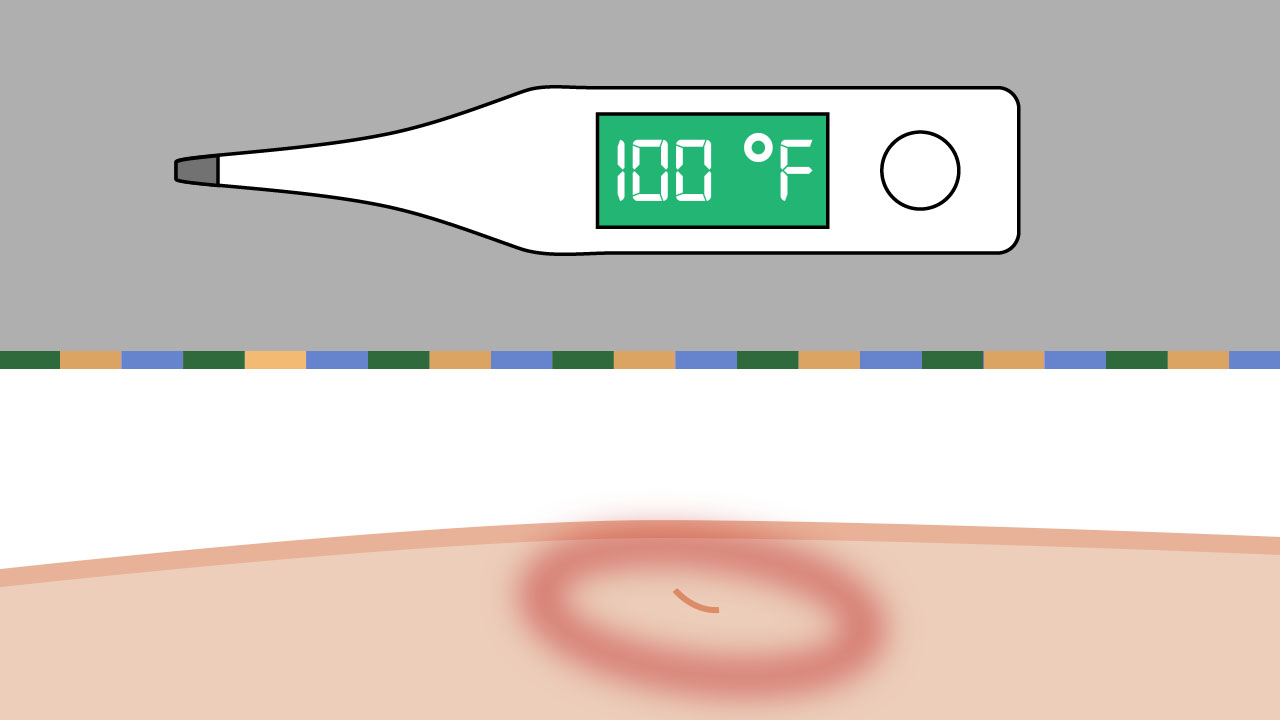
Some people may also feel mildly unwell or develop a low-grade fever, but fever should never be ignored automatically. A fever, body aches, rash, headache, or worsening illness after mosquito exposure can require medical evaluation because mosquitoes can spread infections in some parts of the world.
Skeeter syndrome vs. cellulitis: Why the difference matters
Skeeter syndrome can resemble cellulitis, but the treatments are different. Skeeter syndrome is an inflammatory reaction. Cellulitis is a bacterial infection that may need antibiotics. Taking antibiotics for a noninfected mosquito reaction is not helpful, while ignoring a genuine infection can allow it to worsen.
Signs that point more toward Skeeter syndrome
- The swelling started within hours of a mosquito bite.
- Itching is one of the strongest symptoms.
- The area is red, warm, and puffy but does not keep worsening day after day.
- There is a visible bite mark or a recent history of mosquito exposure.
Signs that may suggest infection
- Redness continues spreading after the first couple of days.
- Pain becomes more severe than itching.
- The area develops pus, drainage, crusting, or red streaks.
- You develop a fever, chills, worsening fatigue, or swollen lymph nodes.
- The bite was scratched open and the skin is becoming increasingly tender.
When in doubt, contact a healthcare professional. A photo taken when the swelling first appears can also help you and your clinician determine whether the reaction is improving or spreading.
Fast home remedies for Skeeter syndrome
Home treatment focuses on reducing swelling, calming itch, protecting the skin barrier, and preventing the “scratch now, regret later” cycle.
1. Wash the bite gently
Wash the bite and the surrounding skin with mild soap and water. This removes sweat, dirt, sunscreen, and bacteria that could irritate the area. Pat the skin dry rather than rubbing it like you are sanding a deck.
2. Use a cold compress
A cold compress is one of the simplest and most useful Skeeter syndrome home remedies. Wrap an ice pack or bag of frozen vegetables in a thin towel and apply it for about 10 minutes at a time. Cold can reduce itching, discomfort, and swelling.
Never apply ice directly to bare skin. The goal is soothing relief, not turning a mosquito bite into a tiny frostbite experiment.
3. Elevate the affected area
If the bite is on an arm, hand, foot, ankle, or leg, elevation can help reduce fluid buildup. Rest the limb on a pillow when sitting or lying down. This is particularly helpful when swelling makes rings, shoes, socks, or sleeves feel uncomfortably tight.
4. Try an over-the-counter anti-itch treatment
Many people get relief from calamine lotion or a low-strength hydrocortisone cream used according to the product label. These treatments can reduce itch and inflammation. Use only as directed, and ask a pharmacist or clinician before using medicated creams on a young child, near the eyes, on broken skin, or for an extended period.
5. Consider an oral antihistamine
Oral antihistamines can help reduce itch and swelling in some people, particularly when the reaction is large or interfering with sleep. Non-drowsy options may be useful during the day, while some antihistamines can cause sleepiness and should be used cautiously.
Check the label carefully and talk with a pharmacist or clinician before giving antihistamines to children or using them if you are pregnant, breastfeeding, have glaucoma, prostate problems, heart conditions, liver disease, kidney disease, or take other medications.
6. Use a baking soda paste carefully
A simple paste made from baking soda and a small amount of water may soothe mild itching for some people. Apply it to intact skin, leave it on briefly, and rinse it off. Skip this option if the skin is broken, blistered, very irritated, or if the paste stings.
7. Try a cool oatmeal soak or compress
Colloidal oatmeal products or a cool oatmeal bath can feel soothing for widespread itching. This is not a magic cure, but it may help calm irritated skin when multiple mosquito bites are involved.
8. Cover the bite to stop scratching
Scratching creates tiny breaks in the skin, which can increase inflammation and raise the risk of infection. A clean bandage or soft fabric covering can act as a physical reminder to leave the bite alone.
For children, trimmed fingernails, lightweight pajamas, and distraction can help. For adults, the same advice applies, although “I am too mature to scratch it” has never stopped anyone at 2:00 a.m.
What not to put on a Skeeter syndrome bite
When a bite is miserable, the internet can turn into a laboratory of questionable ideas. Avoid harsh products that may irritate skin or cause burns.
- Bleach or household cleaners
- Undiluted essential oils
- Hot metal objects or heated spoons
- Toothpaste, rubbing alcohol, or strong perfumes
- Scrubbing tools, abrasive exfoliants, or “popping” blisters
If a remedy burns, stings sharply, causes a rash, or makes the area look worse, wash it off and stop using it.
Medical treatments for severe Skeeter syndrome
Some reactions are too large, painful, or persistent for home care alone. A healthcare professional may recommend a stronger topical corticosteroid, an oral antihistamine plan, pain relief, or a short course of oral corticosteroids for severe swelling.
If reactions happen repeatedly, a clinician may recommend seeing an allergist or dermatologist. The diagnosis is often based on the pattern of symptoms, the timing after mosquito bites, and a history of similar episodes.
It is especially important to seek medical guidance if swelling affects the face, eyelids, hands, feet, joints, or genitals, or if the reaction makes normal movement difficult.
When to seek emergency help
Most Skeeter syndrome reactions are localized, but severe allergic symptoms require emergency care. Call emergency services immediately if a mosquito bite is followed by:
- Trouble breathing, wheezing, or chest tightness
- Swelling of the lips, tongue, throat, or face
- Fainting, dizziness, confusion, or a feeling of impending collapse
- Widespread hives away from the bite area
- Repeated vomiting or severe abdominal symptoms with other allergy signs
These symptoms may indicate anaphylaxis, a serious allergic reaction. Do not drive yourself if you feel faint or have trouble breathing.
How to prevent Skeeter syndrome mosquito bites
The best Skeeter syndrome treatment is preventing mosquito bites before the mosquito gets a reservation at your skin’s expense.
Use an EPA-registered insect repellent
Look for an insect repellent registered for mosquito protection and follow the label directions. Common active ingredients include DEET, picaridin, IR3535, oil of lemon eucalyptus, and other approved ingredients. The best product is the one that is appropriate for your age, destination, activity, and length of time outdoors.
Wear protective clothing
Loose-fitting long sleeves, long pants, socks, and closed shoes can reduce exposed skin. Lightweight fabrics can make coverage more comfortable in hot weather. Clothing and gear treated with permethrin may provide added protection, but permethrin products should not be applied directly to skin.
Reduce mosquitoes around the home
Empty standing water from flowerpot trays, buckets, pet bowls, tarps, tires, birdbaths, and outdoor containers. Mosquitoes can breed in surprisingly small amounts of water, because apparently they have mastered the art of making a luxury resort out of a forgotten plastic cup.
Repair window screens, use air conditioning when possible, and consider fans on patios because mosquitoes are not excellent flyers in moving air.
Plan for outdoor activities
Apply repellent before gardening, hiking, fishing, camping, outdoor sports, or evening gatherings. Mosquito activity varies by species and location, so do not assume mosquitoes only bite at sunset. Some species are active during daylight hours too.
Children and Skeeter syndrome
Children often experience larger mosquito bite reactions than adults. Their skin may swell dramatically, especially around the eyes, ears, hands, and feet. This can be frightening for parents, but the size of the swelling does not always mean the reaction is dangerous.
Still, children should be evaluated promptly if they have difficulty breathing, facial swelling, fever, worsening pain, spreading redness, signs of infection, or a reaction that affects movement or vision. Use children’s medications only according to age and weight guidance from a pharmacist or pediatric clinician.
Living with Skeeter syndrome: A composite experience
The following is a composite educational example based on common experiences people describe. It is not a personal medical diagnosis or a substitute for professional care.
For many people, Skeeter syndrome begins with a moment that seems completely ordinary. Maybe it is a summer cookout, a walk with the dog, a fishing trip, a child’s soccer practice, or ten peaceful minutes watering tomatoes. At first, there is little more than a quick sting or a tiny bump. By bedtime, though, the bite has transformed into a red, swollen patch large enough to make someone wonder whether they were bitten by a mosquito or lightly attacked by a balloon animal.
A parent may notice that a child’s hand is puffy after a single bite near the wrist. The child says it itches, then says it hurts, then says the hand is “broken forever,” which is both emotionally convincing and medically unhelpful. The parent cleans the bite, uses a cold compress, keeps the hand elevated, and watches closely. The next morning, the swelling may look worse before it looks better, which is one reason Skeeter syndrome can be so stressful.
Adults often describe a different kind of frustration: trying to explain that one mosquito bite really can make an ankle swell enough to make a shoe uncomfortable. People may worry about cellulitis because the skin feels hot and looks angry. The clue is often the timeline. A big itchy reaction that appears quickly after a mosquito bite may fit Skeeter syndrome, while increasing pain, drainage, spreading redness, or fever deserves a medical check.
Many people eventually develop a personal routine. They keep a cold pack in the freezer, use a clinician-approved anti-itch product, avoid scratching, and bring repellent everywhere during mosquito season. Some learn that their reactions are far easier to manage when they treat the bite early instead of waiting until the swelling reaches its theatrical peak.
There is also a practical lesson: prevention feels boring until it saves you from spending three days trying not to scratch your own ankle through a sock. Wearing long sleeves, using repellent, closing screens, and dumping standing water can feel like minor chores. For someone prone to Skeeter syndrome, those habits may mean the difference between a pleasant evening outside and a dramatic reunion with the ice pack.
The emotional side matters too. Large bites can look alarming, especially on children. Taking a photo, marking the edge of redness only if advised by a clinician, monitoring symptoms, and knowing the warning signs can make the situation feel more manageable. Skeeter syndrome may be annoying, uncomfortable, and occasionally spectacular-looking, but a calm plan usually beats panic.
Final thoughts
Skeeter syndrome can turn a mosquito bite into a large, itchy, swollen reaction that feels far more serious than a typical bug bite. Home care such as gentle washing, cold compresses, elevation, anti-itch treatments, and avoiding scratching can often bring relief.
However, severe swelling, signs of infection, illness after mosquito exposure, or symptoms of anaphylaxis should never be brushed off. When the reaction is recurrent, unusually severe, or difficult to distinguish from infection, a healthcare professional can help create a safer treatment plan.