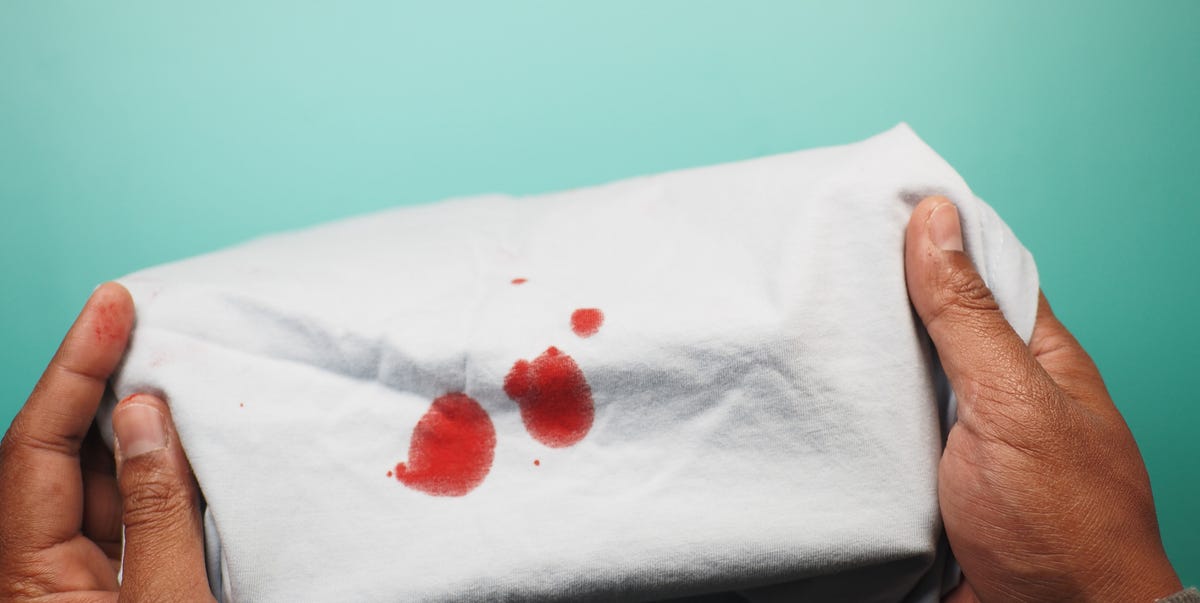
Blood stains have a flair for drama. One tiny cut, one surprise nosebleed, one laundry-day plot twist, and suddenly your favorite shirt looks like it lost a fight with a ketchup bottle. The good news? Blood is stubborn, but it is not unbeatable. If you know what to do fast, what to avoid, and which products are actually worth your time, you can remove many blood stains from clothes without turning laundry day into a full emotional event.
This guide breaks down exactly how to get blood out of clothes, whether the stain is fresh, dried, on white fabric, on dark denim, or hiding in sheets you only just noticed three business days later. We will cover cold water, enzyme detergent, hydrogen peroxide, oxygen bleach, and the fabric-safe strategies that work in real life. No weird gimmicks. No magic folklore. Just practical stain-removal advice that makes sense.
Quick answer: Rinse the stain with cold water, blot instead of rubbing, pretreat with liquid laundry detergent or an enzyme stain remover, wash according to the care label, and do not put the item in the dryer until the stain is completely gone. For light or white washable fabrics, hydrogen peroxide can help, but always test a hidden area first.
Why Blood Stains Are So Stubborn
Blood is a protein-based stain. That detail matters because protein reacts badly to heat. Hot water, a hot dryer, or an iron can make the stain bind more tightly to the fabric. In other words, heat is the villain in this story. Cold water is the hero. Not a flashy hero, but the kind that quietly gets the job done.
Fresh blood is usually much easier to remove than dried blood. Once blood oxidizes and dries, it darkens, settles into fibers, and becomes more clingy than a group chat that will not die. That is why speed helps. Still, even old stains can often be improved with the right pretreatment and a little patience.
How to Get Fresh Blood Out of Clothes
Step 1: Act quickly
The sooner you treat the stain, the better your odds. If you can get to it right away, do not let the blood dry if you can help it.
Step 2: Rinse with cold water
Hold the stained fabric under cold running water. If possible, run the water through the back of the stain so it pushes the blood out of the fibers instead of driving it deeper in. This one small move can make a big difference.
Step 3: Blot, do not scrub
Use a clean white cloth or paper towel to blot the area. Blotting lifts moisture and stain. Aggressive rubbing can spread the stain, rough up the fibers, and make the whole thing look worse. This is stain removal, not revenge.
Step 4: Apply soap or liquid detergent
For many fresh stains, a small amount of liquid laundry detergent or mild soap rubbed gently into the fabric works well. Let it sit for a few minutes, then rinse again with cold water. Repeat if needed.
Step 5: Wash and inspect
Launder the garment according to the care label. After washing, check the stain while the fabric is still wet. If any trace remains, do not dry it yet. Treat again and rewash. Dryer heat can turn “almost gone” into “now it lives here.”
How to Remove Dried Blood Stains
Dried blood is more annoying, but not impossible. The strategy changes slightly because you need to loosen what has already settled into the fabric.
Step 1: Remove the crusted residue
Use a dull knife, spoon, or fingernail to gently lift off any dried surface residue. Be careful not to damage the fabric.
Step 2: Soak in cold water
Soak the item in cold water for at least 30 minutes. For older stains, a longer soak can help. This gives the stain time to soften before you apply anything stronger.
Step 3: Use an enzyme detergent or stain remover
This is where enzyme-based laundry products shine. Enzymes help break down protein stains, which makes them especially useful for dried blood. Work a small amount into the stain and let it sit according to the product directions. If the stain is stubborn, use a soft brush or your fingers to work the product in gently.
Step 4: Wash, then check again
Wash the item as the care label directs. If the stain is still there afterward, repeat the pretreatment instead of sending the garment straight into the dryer. Blood stains often improve in stages rather than disappearing in one dramatic movie-montage moment.
The Best Methods That Actually Work
1. Cold water and liquid detergent
This is the best place to start for most washable fabrics. It is simple, safe, and surprisingly effective on fresh stains. If the blood is recent, you may not need anything fancier.
2. Enzyme-based stain remover
If you are dealing with dried blood, a larger stain, or fabric that has already gone through one failed wash, enzyme products are often your best bet. Look for laundry detergents or stain removers labeled for protein stains or enzyme action.
3. Hydrogen peroxide
Hydrogen peroxide can help lift blood from washable light-colored fabrics and whites. Apply a small amount to the stain, let it fizz briefly, blot gently, then rinse with cold water. But here is the important catch: hydrogen peroxide can lighten color. Always test a hidden seam or inside hem first.
4. Oxygen bleach
For many washable fabrics, oxygen bleach is a helpful next step when detergent alone is not enough. It is often a better choice than reaching straight for chlorine bleach, especially for colored items or larger washable pieces like sheets and hoodies. Follow the package directions and the garment care label.
5. Soap, baking soda, salt, or vinegar in a pinch
Household fixes can help, especially if you are away from home and need an emergency save. Soap and cold water are the most dependable quick fix. Baking soda paste or salt paste may help on fresh stains. Vinegar sometimes helps, but it is not the most reliable first-choice method. Think of these as backup dancers, not the headliner.
How to Treat Different Types of Fabric
Cotton, denim, polyester, and most everyday clothes
These fabrics usually respond well to the classic method: cold-water rinse, liquid detergent or enzyme stain remover, then a normal wash according to the care label. Denim may need a little extra working-in with detergent because the weave is thicker.
Underwear, sheets, and pillowcases
The same basic rules apply. Rinse with cold water, pretreat, and wash before the stain has time to fully settle in. For bedding, oxygen bleach can be especially useful if the fabric allows it.
Wool, silk, rayon, and other delicates
Be gentler here. Use cold water and a mild detergent, and avoid heavy scrubbing. If the care label says dry clean only, skip home chemistry experiments and take it to a professional cleaner. Some fabrics are expensive enough already without becoming science projects.
White clothing
White clothes can tempt people into going full bleach goblin immediately. Resist. Start with cold water and detergent first. Then move to hydrogen peroxide or oxygen bleach if needed. If the label allows chlorine bleach and the product directions say it is appropriate, that can be a last-resort option. When in doubt, take the cautious route and follow the care instructions closely.
Common Mistakes That Make Blood Stains Worse
- Using hot water first: This can set the protein stain.
- Throwing the item in the dryer too soon: Heat can make leftover stain permanent.
- Scrubbing aggressively: This can spread the stain and damage fibers.
- Skipping the color test: Peroxide and stronger cleaners can discolor fabric.
- Ignoring the care label: Fabric rules still matter, even in a stain emergency.
- Waiting too long: Time is not your friend here.
What to Do If the Blood Is Not Yours
If you are cleaning clothing stained with someone else’s blood, wear disposable gloves if possible. Avoid handling the item more than necessary, avoid shaking it around, and wash your hands after. For ordinary household laundry, this is mostly about basic hygiene and common sense. The stain is enough trouble already; no one needs bonus trouble.
Simple Step-by-Step Blood Stain Routine
- Check the care label.
- Rinse the stain from the back with cold water.
- Blot with a clean cloth.
- Apply liquid detergent or enzyme stain remover.
- Let it sit for several minutes.
- Rinse and repeat if needed.
- Wash according to the label.
- Inspect while wet.
- Air dry only after the stain is fully gone.
Frequently Asked Questions
Can toothpaste remove blood stains?
It is not the best option. It may leave residue, smell odd, or create extra mess. Laundry detergent is a better bet.
Does vinegar remove blood from clothes?
It can sometimes help, especially on fresh stains, but it is not usually as reliable as detergent or enzyme stain removers.
Does hydrogen peroxide always work?
No. It can be helpful, especially on light fabrics, but not every stain disappears with one application. It also is not safe for every fabric color.
Can old blood stains still come out?
Yes, sometimes. Older stains usually need soaking, enzyme treatment, and repeated washing. Even when they do not disappear completely, they often lighten a lot.
Real-Life Experiences With Getting Blood Out of Clothes
Real life rarely gives you a perfect laundry setup. Most people discover a blood stain while rushing out the door, half-awake, late for school, late for work, or already in the middle of doing twelve other things. That is why the simplest methods are usually the most useful. One of the most common experiences is a fresh spot on a T-shirt or sleeve from a shaving nick, a paper cut, or a random small scrape. In those cases, cold water and a little liquid detergent often do most of the heavy lifting. People who deal with the stain right away are usually shocked by how fast it fades. People who say, “I’ll handle it later,” often meet the dried-stain version of the problem, which is less charming and more committed.
Another very common experience happens with bedding or underwear, where the stain is not noticed immediately. That delay changes the game. What looked like “a small spot, no big deal” becomes a set-in mark that needs soaking and patience. Many people make the mistake of tossing the item into the wash without pretreating it first, then accidentally drying it. At that point, the stain can seem permanent, even when it is not. The lesson people usually learn the hard way is that washing is not the same as treating. A washing machine is helpful, but it is not a wizard. Blood stains usually need some direct attention before the regular cycle can finish the job.
There is also the classic white-shirt panic. The stain feels extra offensive because white fabric turns every tiny mark into a headline. Some people immediately reach for bleach, which can work in some situations, but others find that a slower, safer path works better: cold rinse first, detergent next, peroxide if the fabric can handle it, then oxygen bleach if needed. The biggest success stories tend to come from people who check the stain before drying and are willing to repeat the process once or twice. The biggest failures usually come from impatience. Laundry, sadly, respects patience more than confidence.
Then there are the travel stories, the dorm stories, and the “I only had hotel hand soap and determination” stories. Those experiences prove an important point: perfect products are nice, but good technique matters more. Cold water, blotting, and not using heat can save a surprising number of garments even when your options are limited. So if you remember only three things from this article, make them these: use cold water first, do not dry the item until the stain is gone, and choose enzyme detergent over random internet hacks when you can. Those three habits solve more blood-stain problems than any dramatic DIY recipe ever will.
Conclusion
If you want to know how to get blood out of clothes, the formula is refreshingly unglamorous: move fast, use cold water, pretreat with detergent or enzymes, and keep heat out of the equation until the stain is gone. Fresh stains are easier, dried stains take longer, and delicate fabrics need gentler handling, but the overall logic stays the same. Start simple, work carefully, and do not trust the dryer until you have checked your results.
Blood stains may look serious, but in laundry terms they are often more manageable than they seem. The trick is not using the strongest product right away. The trick is using the right method in the right order. Your clothes deserve that kind of calm leadership.