A rustic winter spiced orange pomanders table centerpiece is one of those rare decorations that looks charming, smells incredible, costs very little, and makes guests ask, “Wait, did you make this?” That is the sweet spot of seasonal decorating. It brings together fresh oranges, whole cloves, cinnamon, evergreen sprigs, pinecones, dried citrus, and a few cozy textures to create a centerpiece that feels old-fashioned in the best possible way. Think farmhouse table, candlelight, wool blankets, snow tapping the window, and the kitchen smelling like someone hugged a spice cabinet.
Orange pomanders have been loved for generations because they combine beauty and fragrance without relying on synthetic sprays or plastic-heavy decor. The basic idea is simple: press whole cloves into oranges in decorative patterns, let the fruit release its bright citrus aroma, and style the finished pomanders with winter greenery and natural accents. The result is a handmade centerpiece that works for Christmas dinner, winter weddings, holiday brunches, New Year gatherings, or simply making a Tuesday night soup dinner feel like a scene from a lifestyle magazine.
This guide explains how to make a rustic winter spiced orange pomanders table centerpiece from start to finish, including the best materials, design ideas, drying tips, styling combinations, safety notes, and personal experience-based advice for avoiding the classic “beautiful centerpiece becomes suspicious fruit science project” situation.
What Is an Orange Pomander?
An orange pomander is a citrus fruit, usually an orange, decorated with whole cloves. The cloves are pushed into the peel in rows, spirals, stars, dots, hearts, or other patterns. As the orange and cloves release their natural oils, the room fills with a warm fragrance that is spicy, bright, and unmistakably winter.
Traditional pomanders were once used as scented objects to perfume rooms and clothing. Today, the clove-studded orange version is mostly used as a holiday decoration, natural air freshener, handmade ornament, or seasonal table centerpiece. It is especially popular in rustic, farmhouse, cottagecore, vintage, Scandinavian, and natural Christmas decorating styles.
Why Orange Pomanders Make the Perfect Rustic Winter Centerpiece
A good centerpiece should do three things: look beautiful, fit the occasion, and not block your cousin from telling the same story he tells every holiday meal. Orange pomanders do all three beautifully. They are low-profile, fragrant, customizable, and easy to arrange in bowls, trays, dough bowls, baskets, cake stands, wooden boxes, or ceramic serving dishes.
They Bring Natural Color to the Table
Winter tables often lean heavily on green, brown, white, gold, and red. Fresh oranges add a glowing pop of color that feels warm without being loud. Their deep orange tone pairs beautifully with cedar, fir, pine, eucalyptus, cranberries, cinnamon sticks, brass candleholders, linen napkins, and dark wood.
They Smell Like the Holidays Without Trying Too Hard
Orange, clove, cinnamon, nutmeg, and allspice are classic winter scents. Together, they create the cozy atmosphere people associate with holiday baking, mulled cider, stovetop potpourri, and winter gatherings. Unlike heavy artificial fragrances, pomanders smell subtle and natural. They do not shout “holiday candle aisle.” They politely introduce themselves as “fresh orange wearing a tiny spice sweater.”
They Are Budget-Friendly and Easy to Personalize
You only need a few basic supplies: oranges, whole cloves, a toothpick or skewer, and optional spices. From there, you can keep the design minimal or go full heirloom holiday drama. Add twine for a farmhouse look, velvet ribbon for a richer winter table, pinecones for woodland charm, or star anise for a more elegant spiced design.
Materials You Will Need
To create a rustic winter spiced orange pomanders table centerpiece, gather your supplies before you begin. This is not a complicated craft, but having everything ready keeps the process smooth and prevents sticky orange juice from becoming the unofficial craft assistant.
Basic Pomander Supplies
- 5 to 9 firm oranges, depending on the size of your table
- Whole cloves
- Toothpick, wooden skewer, tapestry needle, or small awl
- Paper towels
- Rubber bands for creating straight pattern guides
- Optional pencil or washable marker for sketching designs
Optional Spiced Drying Mixture
- Ground cinnamon
- Ground cloves
- Ground nutmeg
- Ground allspice
- Orris root powder, optional, often used as a fixative in traditional pomander drying
- Paper bag or breathable cardboard box
Centerpiece Styling Materials
- Fresh or faux evergreen sprigs such as cedar, pine, fir, or juniper
- Pinecones
- Cinnamon sticks
- Dried orange slices
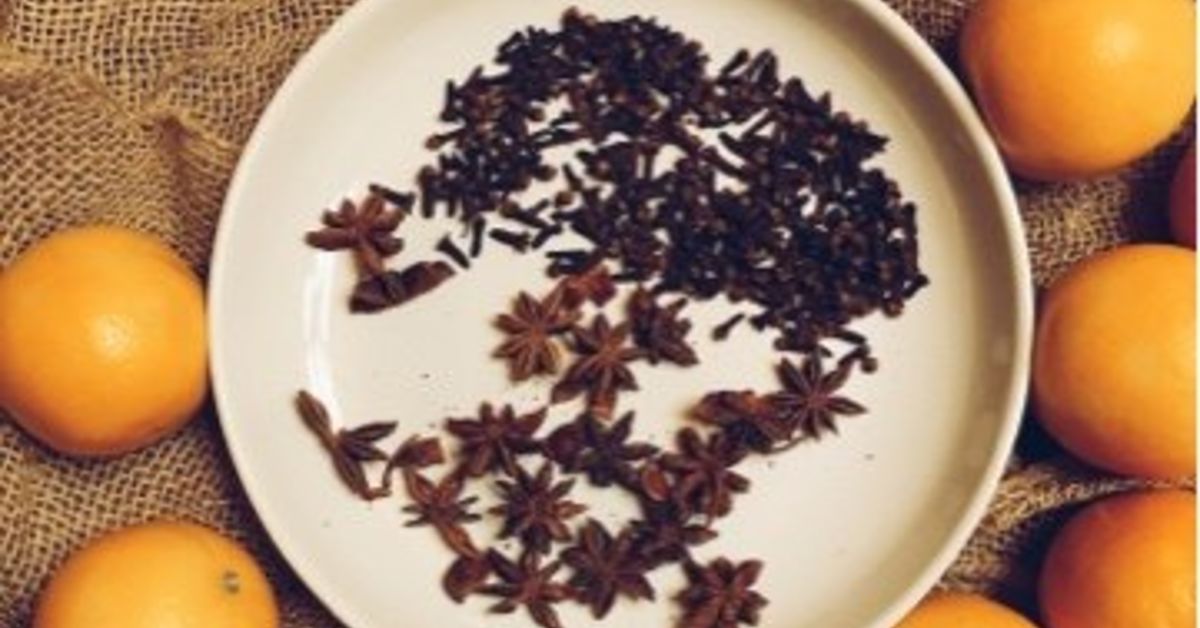
- Star anise
- Fresh cranberries or faux berries
- Wooden tray, dough bowl, ceramic platter, basket, or cake stand
- Battery-operated candles or well-contained real candles
- Burlap, linen, or cotton table runner
How to Make Spiced Orange Pomanders
Making orange pomanders is simple, but a few small techniques make the finished result cleaner, longer-lasting, and easier on your fingertips. Whole cloves are charming, but after the fiftieth one, your thumb may begin writing a resignation letter.
Step 1: Choose Firm, Fresh Oranges
Select oranges that feel firm and heavy for their size. Avoid fruit with bruises, soft spots, cuts, or mold. Firm oranges hold the cloves better and are less likely to collapse as they dry. Navel oranges are a common choice, but smaller mandarins, clementines, lemons, or even grapefruits can be used for variety.
Step 2: Wash and Dry the Fruit
Rinse the oranges under clean water and dry them thoroughly. Skip scented soaps or cleaners, because the peel will be part of the fragrance. A clean, dry surface also makes it easier to draw patterns and helps reduce excess moisture when arranging the centerpiece.
Step 3: Plan Your Pattern
Before poking holes, decide on the look you want. For a rustic winter centerpiece, simple patterns often look best. Try vertical stripes, diagonal spirals, snowflake shapes, dotted rings, stars, initials, or full clove coverage. A rubber band wrapped around the orange makes a helpful guide for straight lines.
If you want the design to feel handmade but polished, use three different patterns across your oranges. For example, make three with vertical stripes, three with spirals, and three with scattered star shapes. This creates visual variety while keeping the arrangement cohesive.
Step 4: Pre-Poke the Holes
Use a toothpick or skewer to make small holes before inserting the cloves. This step is worth it. It saves your fingers, prevents the cloves from snapping, and helps you place each clove exactly where you want it. Do not poke too deeply; the hole only needs to pass through the peel.
Step 5: Insert the Whole Cloves
Press one whole clove into each hole, leaving the rounded head visible on the outside of the orange. Wipe away extra juice as needed. If children are helping, let adults handle skewers or sharp tools, then allow kids to press cloves into the pre-made holes.
Step 6: Add a Spiced Coating for Longer Use
If you want the pomanders to dry and last longer, roll them in a mixture of ground cinnamon, nutmeg, allspice, and ground cloves. Some traditional methods include orris root powder to help preserve the fragrance. Place the finished oranges in a paper bag with the spice mixture and let them rest in a cool, dry, well-ventilated space.
Turn them every day or two while drying. Depending on size, humidity, and clove coverage, drying can take several days to a few weeks. For a one-night dinner centerpiece, you can use fresh pomanders right away. For longer seasonal decorating, drying is the smarter route.
How to Build a Rustic Winter Spiced Orange Pomanders Table Centerpiece
Once your pomanders are ready, it is time to style them. The goal is to create a centerpiece that looks abundant, natural, and relaxednot like the oranges were lined up for a school photo.
Start With a Low Base
Choose a base that matches your table and occasion. A wooden dough bowl gives a farmhouse feel. A white ceramic platter feels clean and classic. A woven basket looks cozy and casual. A long wooden tray works well for rectangular dining tables, while a pedestal cake stand adds height for buffet tables.
Layer Greenery First
Place evergreen sprigs along the base before adding oranges. Let some pieces spill naturally over the edges. Cedar and pine create a soft, woodsy look, while eucalyptus adds a cooler green tone. If you are using fresh greenery, check for sap and keep it away from linens that could stain.
Add the Pomanders in Odd Numbers
Designers often use odd numbers because they feel more natural to the eye. Try three pomanders for a small round table, five for a medium table, or seven to nine for a long farmhouse table. Vary the sizes if possible. A mix of oranges and mandarins creates movement and keeps the centerpiece from feeling too perfect.
Fill the Gaps With Winter Texture
Tuck pinecones, cinnamon sticks, dried orange slices, cranberries, walnuts, or star anise between the pomanders. These small details make the centerpiece feel rich and layered. For a more rustic look, add burlap ribbon or frayed linen. For a more elegant version, use velvet ribbon, brass accents, or mercury glass votives.
Use Candlelight Carefully
Candlelight makes orange pomanders glow beautifully, but safety matters. Battery-operated candles are the easiest option, especially if your centerpiece includes dried greenery, ribbon, or paper-thin citrus slices. If you use real candles, keep flames in sturdy holders and place them away from anything flammable.
Design Ideas for Different Winter Tables
Farmhouse Christmas Table
Arrange five orange pomanders in a wooden dough bowl with cedar branches, pinecones, cinnamon sticks, and a few sprigs of red berries. Place the bowl on a natural linen runner and add simple white plates. This look feels warm, humble, and festive without becoming fussy.
Elegant Winter Dinner Party
Use a low white ceramic platter with orange pomanders, dried orange slices, star anise, magnolia leaves, and gold taper candleholders. Choose pomander patterns with neat rings or spirals for a more refined style. The result is seasonal but sophisticated.
Scandinavian-Inspired Table
Keep the arrangement minimal. Use small oranges or clementines with simple clove dots, fresh pine, white candles, and a pale linen runner. Avoid overcrowding the table. This version feels peaceful, clean, and cozy.
Rustic Woodland Centerpiece
Combine orange pomanders with moss, pinecones, acorns, juniper, birch bark pieces, and unshelled nuts. A shallow basket or bark-edged wooden tray works well here. This style is perfect for a cabin, lodge, or casual winter gathering.
Tips to Make Orange Pomanders Last Longer
Fresh orange pomanders can last for a short event or several weeks if dried properly. Their lifespan depends on humidity, air circulation, clove coverage, and fruit quality. The biggest enemy is moisture. If the oranges stay wet, crowded, or sealed in plastic, they may spoil instead of drying.
- Use firm oranges with unbroken peels.
- Insert plenty of cloves, since cloves help scent and dry the fruit.
- Store drying pomanders in a breathable paper bag, not plastic.
- Keep them in a cool, dry place with good airflow.
- Turn them regularly while drying.
- Discard any pomander that develops mold, leakage, or an unpleasant smell.
For a dinner party, you can make fresh pomanders the day before and style them on the table shortly before guests arrive. For a longer-lasting centerpiece, make and dry them one to three weeks ahead, depending on the size of the fruit and your local humidity.
Common Mistakes to Avoid
Using Soft Fruit
Soft oranges may smell fine at first, but they do not hold cloves well and can break down quickly. Always start with firm, fresh fruit.
Poking Holes Too Deep
Deep holes release more juice, which can make the pomander messy and slow to dry. A shallow hole through the peel is enough.
Overcrowding the Arrangement
A centerpiece needs breathing room. If you pack oranges tightly with wet greenery and no airflow, the fruit may spoil faster. Give the elements a little space and avoid sealing the arrangement under glass for long periods.
Forgetting About Scent Balance
Orange and clove already smell strong. Add cinnamon and pine gently. Too many competing scents can turn your table from “cozy winter evening” into “spice drawer had a dramatic breakup.”
Experience Notes: What Making This Centerpiece Feels Like in Real Life
The first thing you notice when making a rustic winter spiced orange pomanders table centerpiece is how quickly the room changes. Before the centerpiece even looks finished, the smell begins to build. One orange with cloves smells pleasant. Five oranges with cloves, cinnamon, and cedar smell like the house has decided to put on a cardigan and become emotionally available.
In practice, the best part of this project is the slow, hands-on rhythm. You are not scrolling through holiday decor options, comparing prices, or wondering why one tiny faux pine branch costs more than lunch. You are sitting at the table, pressing cloves into oranges, making little patterns, and watching something simple become beautiful. It is the kind of craft that invites conversation. Someone will wander over, pick up a clove, and suddenly start helping. Another person will suggest a spiral pattern. A child may create something that looks less like a snowflake and more like a confused hedgehog, but it will still be wonderful.
I have found that the most successful centerpieces are the ones that do not look too perfect. When every orange has a flawless geometric pattern, the arrangement can feel a little stiff. But when one orange has stripes, another has a star, another has tiny scattered dots, and a few cloves sit slightly crooked, the whole display feels warmer. Rustic style is forgiving. In fact, it practically insists that you relax.
A long wooden tray is especially useful for real dining tables because it keeps the centerpiece contained. Guests can still pass dishes, pour drinks, and reach for rolls without performing a table-decor obstacle course. For a holiday dinner, I like placing greenery down first, then setting the pomanders in a loose zigzag, then filling the empty spots with pinecones and cinnamon sticks. Dried orange slices are excellent for adding a finished look because they repeat the citrus theme without adding more bulk.
One lesson learned the sticky way: keep paper towels nearby. Orange juice will appear. It may be just a little. It may be a lot if the orange is very juicy. Either way, wipe the fruit gently as you work so the cloves stay clean and the peel does not become slippery. Another practical tip is to buy more cloves than you think you need. A small jar disappears quickly, especially if you are covering several oranges or making tight patterns.
If you are making the centerpiece for a specific event, create one sample pomander a few days early. This helps you test the fruit, the scent, and the pattern size. In humid homes, fresh pomanders may not dry as quickly, so it is better to use them as short-term decor or dry them in a well-ventilated spot before styling. If anything smells sour or looks fuzzy, do not try to rescue it. Compost it and move on. Holiday decorating should be charming, not a microbiology elective.
The most memorable version of this centerpiece is not necessarily the fanciest one. It is the one that fits the mood of the room. On a casual table, a basket of clove oranges and pinecones feels inviting. On a formal table, the same oranges arranged with magnolia leaves and candlelight feel elegant. That flexibility is what makes orange pomanders so useful. They can be humble, nostalgic, romantic, rustic, or refined depending on what you pair them with.
More than anything, this project creates atmosphere. Guests may admire the centerpiece, but they will remember the fragrance. Scent has a way of attaching itself to memory. Years later, the smell of orange and clove can bring back a particular dinner, a snowy evening, a kitchen full of laughter, or a quiet afternoon spent making decorations by hand. That is the real beauty of a rustic winter spiced orange pomanders table centerpiece. It decorates the table, yes, but it also decorates the memory of the season.
Conclusion
A rustic winter spiced orange pomanders table centerpiece is simple, affordable, fragrant, and deeply charming. With fresh oranges, whole cloves, winter greenery, pinecones, cinnamon sticks, and a little creativity, you can create a centerpiece that feels both timeless and personal. It is easy enough for beginners, meaningful enough for family tradition, and beautiful enough for holiday entertaining.
Whether you style your pomanders in a wooden dough bowl, scatter them along a linen runner, or place them on a cake stand with cedar and candlelight, they bring warmth to the table in a way store-bought decor often cannot. They smell like winter, look like handmade hospitality, and remind everyone that the best seasonal decorations do not have to be complicated. Sometimes, all you need is an orange, a handful of cloves, and the patience to poke tiny holes while pretending your fingers are not mildly offended.
Note: This article is written as original, publication-ready content based on widely used real-world pomander-making methods, natural holiday decorating practices, and traditional winter centerpiece styling ideas.