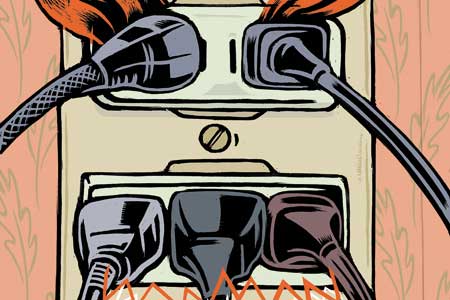
Old homes have character. They have thick trim, charming doorknobs, mysterious basement corners, and sometimes electrical wiring that looks as if it was installed when radios were furniture. While vintage details can make a house feel warm and memorable, old wires deserve a little less nostalgia and a lot more attention. Electrical systems age, insulation becomes brittle, circuits get overloaded, and yesterday’s wiring may be asked to power today’s laptops, air fryers, space heaters, gaming consoles, smart TVs, and enough chargers to open a small airport kiosk.
Protecting old wires is not about panicking every time a light flickers. It is about knowing the difference between harmless quirks and serious electrical warning signs. A safe home electrical system should quietly do its job without buzzing, burning smells, hot outlets, repeated breaker trips, or extension cords pretending to be permanent wiring. When those red flags appear, the house is not “being dramatic.” It is sending a message, and the message is not “buy another power strip.”
This guide explains how to spot problems, reduce electrical fire risk, protect older wiring, and know when to call a licensed electrician. The goal is simple: keep the charm, lose the danger, and make sure your home’s wiring is not working harder than a coffee machine on Monday morning.
Why Old Electrical Wiring Needs Special Attention
Electrical wiring is not immortal. Over time, heat, moisture, vibration, rodents, renovations, and simple age can weaken an electrical system. In many older homes, the original wiring was designed for a much lighter electrical load than modern families use today. A house built decades ago may have supported lamps, a refrigerator, a radio, and a few basic appliances. Today, the same rooms may run computers, phone chargers, window air conditioners, dehumidifiers, entertainment systems, kitchen gadgets, and laundry equipment.
The problem is not only age. It is age plus demand. Old wires may still function, but that does not mean they are ideal for modern use. Insulation can crack. Connections can loosen. Outlets can wear out. Panels can become undersized. Circuits can be overloaded again and again until heat becomes a regular guest behind the walls. And unlike a leaky faucet, electrical trouble often hides until it becomes urgent.
Common Types of Old Wiring Found in Older Homes
Knob-and-Tube Wiring
Knob-and-tube wiring is commonly found in homes built in the early 20th century. It uses separate hot and neutral conductors supported by ceramic knobs and protected where passing through framing by ceramic tubes. When originally installed and left undisturbed, it could work as designed. The trouble is that many systems have been altered over time by repairs, insulation upgrades, splices, or renovations that were not done correctly.
Knob-and-tube wiring usually lacks a grounding conductor, which means it does not provide the same protection as modern grounded wiring. It is also vulnerable when insulation is packed around it, because the original design relied on open air to help dissipate heat. If your home has active knob-and-tube wiring, do not treat it like a fun historical artifact. Have it evaluated by a licensed electrician, especially before adding insulation, remodeling, or installing high-demand appliances.
Cloth-Covered Wiring
Cloth-covered wiring was used in many homes before modern plastic-insulated cable became common. The cloth outer covering may become brittle, frayed, or damaged with age. Sometimes the wire insulation underneath is also deteriorating. This does not always mean immediate disaster, but it does mean the wiring should be inspected rather than ignored.
If you see cloth wiring in an attic, basement, crawl space, or old junction box, do not poke it, bend it, tape it, or conduct a “scientific wiggle test.” Old insulation can crumble when disturbed. Let a professional evaluate whether it remains safe or needs replacement.
Aluminum Branch-Circuit Wiring
Some homes built or renovated during the 1960s and 1970s may contain aluminum branch-circuit wiring. Aluminum wiring is not automatically unsafe, but it requires proper connectors, devices, and installation methods. Problems can occur when aluminum conductors are connected to devices designed only for copper, or when connections loosen over time. Loose connections can create heat, arcing, and fire risk.
If your home has aluminum wiring, hire an electrician who understands approved repair methods and aluminum-rated devices. This is not the place for bargain-bin parts or “my cousin watched a video once” repairs.
Warning Signs That Old Wires May Be Unsafe
Old wiring rarely sends a formal letter before causing trouble. Instead, it gives clues. Take these signs seriously:
- Frequent breaker trips or blown fuses
- Lights that flicker, dim, or pulse without an obvious reason
- Outlets or switches that feel warm or hot
- Buzzing, sizzling, crackling, or popping sounds
- Burning smells near outlets, switches, fixtures, or the electrical panel
- Discolored, scorched, or melted outlet covers
- Loose plugs that fall out of receptacles
- Two-prong outlets where grounded outlets are needed
- Extension cords used as permanent wiring
- Lights dimming when large appliances turn on
One flickering bulb may simply be a loose bulb. Persistent flickering across multiple fixtures is different. A breaker that trips once during a temporary overload is one thing. A breaker that trips every time you use the microwave and toaster together is a sign the circuit may not be keeping up. A warm outlet is not cozy. It is a warning.
Schedule an Electrical Inspection Before Problems Escalate
One of the smartest ways to protect old wires is to have the electrical system inspected. This is especially important if the home is 40 years old or older, if you recently bought an older house, if you are planning a renovation, or if you are adding major appliances such as HVAC equipment, an electric range, an EV charger, or a large workshop tool.
A professional inspection can identify overloaded circuits, unsafe splices, missing junction box covers, outdated panels, improper grounding, damaged insulation, and amateur repairs. Older homes often contain layers of history behind the walls. Some layers are charming. Some involve electrical tape from 1987 and should be retired with dignity.
An electrician can also determine whether your panel has enough capacity for current needs. If your household has grown, your appliances have changed, or your home office now looks like a small data center, your electrical service may need an upgrade.
Never Ignore Overloaded Circuits
Overloading is one of the most common threats to old wiring. A circuit is designed to carry a specific amount of current. When too many devices draw power at once, wires can heat up. Breakers and fuses are supposed to stop dangerous overloads, but frequent tripping is not a normal lifestyle. It is a symptom.
High-wattage devices deserve extra respect. Space heaters, portable air conditioners, microwaves, toaster ovens, hair dryers, irons, and power tools can draw substantial current. Plugging several of them into one old circuit is like asking a bicycle to tow a moving truck. It may move briefly, but nobody should be proud of the plan.
Use dedicated circuits for major appliances when required. Avoid running multiple high-demand devices on the same outlet. If you need more outlets, do not solve the problem by stacking adapters like electrical pancakes. Add properly installed receptacles and circuits.
Use Extension Cords Only Temporarily
Extension cords are useful tools, not permanent wiring systems. They are designed for temporary use, such as powering a tool for a project or reaching holiday lights for a short season. When an extension cord stays in the same place for months, runs under a rug, hides behind furniture, or powers a major appliance, it becomes a hazard.
Never run cords under carpets or rugs. Heat can build up, damage may go unnoticed, and foot traffic can weaken the cord. Do not pinch cords under doors or furniture. Do not use damaged cords with cracked insulation, exposed wire, loose plugs, or missing grounding prongs. And please, do not daisy-chain power strips together. That is not electrical planning; that is a tiny indoor obstacle course for electrons.
When you must use an extension cord temporarily, choose one rated for the load and environment. Outdoor cords should be marked for outdoor use. Heavy-duty appliances should be plugged directly into properly rated wall outlets, not into lightweight cords or power strips.
Upgrade Outlets the Right Way
Many older homes still have two-prong outlets. These outlets indicate that the circuit may not have an equipment grounding conductor. Replacing a two-prong outlet with a three-prong outlet without proper grounding can create a false sense of safety. The outlet looks modern, but the grounding protection may not exist.
Depending on local code and the specific situation, options may include installing a properly grounded circuit, using a GFCI receptacle with correct labeling, or adding GFCI protection at the breaker. GFCI protection helps reduce shock risk by shutting off power when it detects current leaking where it should not go. This is especially important in bathrooms, kitchens, garages, basements, laundry areas, outdoors, and other moisture-prone locations.
AFCI protection is another important safety upgrade. AFCI devices are designed to detect certain dangerous arcing conditions that may lead to electrical fires. In older homes, AFCI protection can be especially useful where old wiring, loose connections, damaged cords, or aging devices may increase risk.
Protect Wires During Renovations
Renovations are exciting. They are also when old wiring often gets discovered, damaged, or accidentally turned into “modern art” by a saw blade. Before opening walls, ceilings, or floors, plan for electrical safety. Know where wires are likely to run. Turn off power to work areas when needed. Use proper detection tools, and hire professionals for electrical changes.
Never bury splices inside walls without accessible junction boxes. Electrical connections must be made inside approved boxes with covers. Hidden splices are dangerous because they can loosen, heat up, arc, and remain impossible to inspect. If you find old wiring during a remodel, resist the temptation to simply cover it and move on. Drywall is not a safety strategy.
Renovation is also a perfect time to upgrade circuits, add outlets, improve grounding, install AFCI and GFCI protection, and replace unsafe wiring. It may cost more upfront, but it is far cheaper than repairing fire damage or reopening finished walls later.
Keep Insulation Away From Wiring That Cannot Handle It
Adding attic or wall insulation can improve energy efficiency, but it must be done carefully around old wiring. Certain older wiring systems, especially knob-and-tube wiring, were not designed to be covered by insulation. Covering them can trap heat and increase fire risk.
Before insulating an older home, have the wiring checked. An insulation contractor may understand insulation, but a licensed electrician should evaluate the electrical system. Energy savings are wonderful, but not if they come with overheated wires hiding in the attic like a very bad surprise.
Watch for Rodent and Moisture Damage
Old wires can be damaged by more than age. Rodents may chew insulation from wiring in attics, basements, crawl spaces, garages, and wall cavities. Moisture can corrode connections, damage panels, and create shock hazards. If you see nesting material near wiring, droppings in an attic, water stains near electrical equipment, rust in the panel, or outlets exposed to damp conditions, act quickly.
Electrical equipment and water do not negotiate well. If flooding, roof leaks, plumbing leaks, or high humidity have affected wiring or the panel, have the system inspected before assuming everything is fine. Water-damaged electrical components may fail later even if they appear normal at first glance.
Maintain the Electrical Panel
The electrical panel is the command center of the home’s electrical system. Keep the area around it clear so it can be accessed quickly. Do not store paint cans, boxes, holiday decorations, or mystery basement objects directly in front of it. Label circuits clearly. If a breaker trips, you should not need a treasure map to find the correct one.
Signs of panel trouble include rust, buzzing, burning smells, scorch marks, breakers that will not reset, double-tapped breakers, missing covers, or fuses that are repeatedly replaced. Older fuse panels may still exist in some homes. Fuses are not automatically unsafe, but repeatedly replacing blown fuses instead of solving the underlying overload is risky. Never install a fuse with a higher rating than the circuit is designed for. That is like removing the batteries from a smoke alarm because it keeps making noise.
Practice Safer Everyday Habits
Protecting old wires is partly about big upgrades and partly about daily habits. Unplug heat-producing appliances when not in use. Keep cords away from heat, water, sharp edges, and foot traffic. Use bulbs with the correct wattage for fixtures. Replace damaged cords and worn outlets. Keep combustible items away from space heaters, lamps, and electrical equipment.
Use surge protectors for sensitive electronics, but understand that a surge protector is not a magic shield against overloaded wiring. It protects equipment from voltage spikes; it does not turn an old circuit into a new one. Buy listed electrical products from reputable brands, and avoid cheap, unmarked devices that look as if they were assembled during a lunch break in a mystery warehouse.
Know When to Call a Licensed Electrician
Some home projects are friendly to do-it-yourself confidence. Painting a bedroom? Go for it. Installing shelves? Measure twice and apologize to the wall once. But old wiring is different. Call a licensed electrician when you notice heat, burning smells, buzzing, repeated breaker trips, damaged wiring, ungrounded outlets, aluminum wiring, knob-and-tube wiring, or electrical issues after water damage.
You should also call a professional before adding major appliances, remodeling, finishing a basement, converting attic space, installing recessed lighting, adding outdoor outlets, or setting up an EV charger. Electrical work must follow local codes and permit requirements. A safe installation protects your family, your home, and often your insurance coverage.
Practical Examples of Old Wire Protection
Example 1: The Flickering Living Room
A homeowner notices that the living room lights dim whenever the window air conditioner starts. The outlet also feels slightly warm. Instead of blaming the “personality” of the house, the smart move is to stop using that outlet for the air conditioner and call an electrician. The circuit may be overloaded, the receptacle may be worn, or the wiring may not be suitable for that load.
Example 2: The Two-Prong Outlet Problem
A home office has only two-prong outlets, but the owner wants to plug in a computer, monitor, printer, and charging station. Using multiple adapters is not a safe long-term solution. A professional can evaluate grounding options, install appropriate protection, and add circuits if needed.
Example 3: The Attic Insulation Upgrade
A homeowner wants to add insulation to reduce heating and cooling costs. During inspection, active knob-and-tube wiring is discovered. The safer plan is to address the wiring before insulating. Energy efficiency should not trap heat around wiring that was never designed to be buried.
Experience-Based Tips for Protecting Old Wires
Older homes teach homeowners a practical lesson: electrical safety is rarely improved by guessing. Many people first discover wiring problems during small projects. They replace a light fixture and find crumbly insulation. They remove a wall plate and notice a loose receptacle. They go into the attic and spot old wiring running through dusty framing. These moments can feel inconvenient, but they are also opportunities to prevent bigger problems.
One useful experience is to create a simple electrical map of the house. Turn on lights and plug in a small lamp, then carefully identify which breaker controls each room or outlet. Label the panel clearly. This does not fix old wiring, but it helps you understand how the home is organized. In older houses, circuits may not follow modern room-by-room logic. One breaker might control part of the kitchen, a bedroom outlet, and a hallway light because someone decades ago apparently believed electricity enjoyed puzzles.
Another practical habit is to inspect visible cords and outlets seasonally. Before winter, check space heater cords, holiday lights, and outlets used for high-demand devices. Before summer, check window air conditioner outlets, dehumidifier locations, and outdoor receptacles. Look for discoloration, loose plugs, cracked covers, and cords that feel warm during use. Small clues matter.
Homeowners also learn that “temporary” electrical fixes tend to become permanent if nobody gives them an expiration date. An extension cord used for one weekend becomes part of the furniture. A power strip behind the couch collects dust, chargers, and possibly a missing sock. Set a rule: if a cord solution is needed for more than a short period, the home probably needs a better outlet or circuit plan.
When buying an older home, it is wise to treat electrical inspection as a priority, not an optional detail. Fresh paint can hide old problems. Beautiful floors can distract from outdated panels. A charming kitchen can still have circuits that complain every time the coffee maker and microwave run together. Ask about wiring type, panel age, grounding, permits for past renovations, and any known electrical repairs.
During renovations, experienced homeowners budget for electrical surprises. Old homes often reveal mixed wiring from different decades. A room may contain modern cable, older cloth wiring, and a suspicious splice that looks like it was invented during a storm. Building a contingency budget helps prevent rushed decisions. It is better to upgrade safely while walls are open than to save a little money and worry later.
The biggest lesson is simple: respect electricity. You do not need to fear your old house, but you do need to listen to it. Hot outlets, buzzing switches, tripping breakers, and burning smells are not quirks. They are warnings. Protecting old wires means combining professional inspections, smart upgrades, safer daily habits, and a healthy refusal to let extension cords become architectural features.
Conclusion
Protecting old wires is one of the most important steps in maintaining an older home. Vintage charm is wonderful, but electrical hazards are not part of the aesthetic. By recognizing warning signs, avoiding overloads, using extension cords correctly, upgrading outlets safely, protecting wiring during renovations, and scheduling professional inspections, homeowners can reduce electrical fire risk and make older houses safer for modern life.
The best approach is preventive. Do not wait for smoke, sparks, or a breaker that trips every Tuesday like it has a calendar reminder. Old wiring can often be managed, repaired, or replaced before it becomes dangerous. When in doubt, call a licensed electrician. Your home may be old, but your safety plan should be completely up to date.
Note: Electrical work can be dangerous and must comply with local codes. This article is for educational purposes only. Always hire a licensed electrician for inspection, repair, rewiring, panel upgrades, and code-related electrical work.