Energy drinks promise to turn your tired little raccoon brain into a laser-focused productivity machine. One can later, you may feel ready to answer emails, lift weights, survive a road trip, or finally organize that drawer full of mysterious charging cables. But the big question remains: is there such a thing as healthy energy drinks, or are we just putting a gym outfit on soda and calling it wellness?
The honest answer is: sometimes, sort of, with a giant asterisk wearing running shoes. A healthier energy drink can exist when it is low in added sugar, moderate in caffeine, transparent about ingredients, and used occasionally by a healthy adult who tolerates caffeine well. But an energy drink is not automatically healthy because the label says “clean,” “natural,” “plant-based,” “vitamin-infused,” or “made with dragon whisper extract.” Marketing departments are very enthusiastic. Your heart, sleep schedule, and blood pressure may be less impressed.
This guide breaks down what energy drinks really do, how to read the label, who should avoid them, and how to choose a safer option when you need a boost without inviting a sugar crash to the party.
What Counts as an Energy Drink?
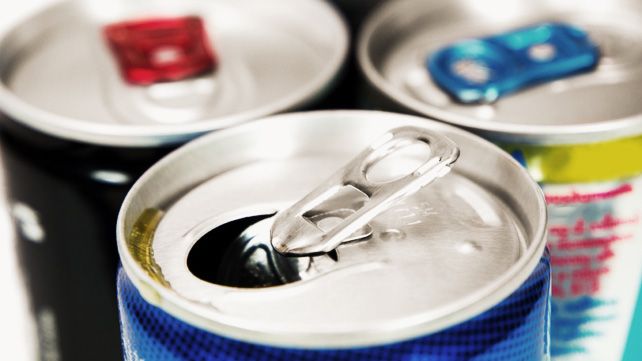
An energy drink is a beverage designed to increase alertness, focus, or physical performance. Most contain caffeine, often combined with sugar or sweeteners, B vitamins, amino acids, herbal extracts, and ingredients such as taurine, guarana, ginseng, green tea extract, L-carnitine, or yerba mate.
That ingredient list can sound like a health-food treasure map, but the main active ingredient is usually caffeine. Caffeine works because it blocks adenosine, a brain chemical that helps you feel sleepy. The result is temporary alertness, faster reaction time, and sometimes better exercise performance. In plain English: caffeine does not create energy from nowhere. It borrows alertness from your future self, who may later send an invoice in the form of fatigue, jitters, or insomnia.
So, Can Energy Drinks Be Healthy?
The phrase “healthy energy drink” depends on what you mean by healthy. If you mean a drink that improves your long-term health the way vegetables, sleep, exercise, and hydration do, then no, not really. Energy drinks are not essential nutrition. You do not need them to be well.
If you mean a drink that can provide a temporary caffeine boost without excessive sugar or risky stimulant stacking, then yes, some options are healthier than others. A better energy drink is not a magic potion. It is more like a carefully managed tool. Useful sometimes, risky when abused, and definitely not a substitute for breakfast.
A “Healthier” Energy Drink Usually Has These Traits
A healthier energy drink should contain a moderate caffeine dose, ideally somewhere around 50 to 150 milligrams per serving for many adults. It should have little or no added sugar, a clearly labeled caffeine amount, and no mystery “proprietary blend” hiding extra stimulants. It should also avoid combining multiple caffeine sources in confusing ways, such as caffeine plus guarana plus green tea extract without clear amounts.
It should not be consumed with alcohol, used as a daily sleep-replacement strategy, or chugged before intense exercise if you are sensitive to stimulants. And it should definitely not be treated as a hydration drink. If your body needs water, give it water. Your cells are not sitting around hoping for tropical punch caffeine thunder.
The Caffeine Question: How Much Is Too Much?
For most healthy adults, up to about 400 milligrams of caffeine per day is commonly considered a reasonable upper limit. That includes all sources: coffee, tea, soda, pre-workout powder, chocolate, energy drinks, and that suspicious “focus” gummy your coworker swears by.
The tricky part is that energy drinks vary widely. One can may have 80 milligrams of caffeine, similar to a small cup of coffee. Another may have 200 or 300 milligrams. Some energy shots can be even more concentrated. If you drink coffee in the morning, iced tea at lunch, and an energy drink in the afternoon, you may hit your caffeine ceiling before dinner and wonder why your eyelid is practicing Morse code.
Caffeine sensitivity also varies. Some people can drink coffee after dinner and sleep like a golden retriever. Others have one cold brew at noon and spend midnight mentally reorganizing their tax documents. Genetics, body size, medications, pregnancy, anxiety, heart conditions, and sleep quality all affect how caffeine feels.
Why Sugar Is the Sneaky Problem
Many traditional energy drinks contain a large amount of added sugar. That sugar can create a quick rise in blood glucose, followed by a crash that feels like your brain unplugged itself. Sugary drinks are also easy to overconsume because liquid calories do not make most people feel full in the same way solid food does.
U.S. nutrition guidance recommends limiting added sugars, and the American Heart Association suggests even stricter daily limits: about 25 grams per day for many women and 36 grams per day for many men. Some energy drinks can approach or exceed those numbers in one can. That means your “quick boost” may use up most of your added sugar budget before your inbox has even had the chance to ruin your mood.
This does not mean every sugar-free energy drink is automatically healthy. Sugar-free versions can reduce added sugar, which is helpful, but they may still contain high caffeine levels, artificial sweeteners, acids that affect teeth, and herbal stimulants. In other words, removing sugar solves one problem. It does not turn the drink into a salad.
Common Energy Drink Ingredients: Helpful, Harmless, or Hype?
Caffeine
Caffeine is the star of the show. It can improve alertness, concentration, and short-term physical performance. The downside is that too much can cause anxiety, restlessness, digestive upset, rapid heartbeat, headaches, and sleep disruption.
Guarana
Guarana is a plant-based source of caffeine. Sounds wholesome, right? Maybe. But “plant-based caffeine” is still caffeine. If a drink contains caffeine plus guarana, the total stimulant effect may be higher than you expect, especially if the label is vague.
Taurine
Taurine is an amino acid found naturally in the body and in foods. It is common in energy drinks, but it is often combined with caffeine and other ingredients, making it difficult to know what effect each ingredient has on its own.
B Vitamins
B vitamins help your body convert food into energy, but more is not always better. If you are not deficient, extra B vitamins will not transform you into a superhero. Your body may simply excrete the excess, leaving you with expensive neon-colored urine and a dream.
Ginseng, Green Tea Extract, and Other Botanicals
Some herbs may have potential benefits, but in energy drinks they are often used in small amounts or blended with stimulants. The label may look impressive, but the evidence for dramatic energy benefits is often weaker than the marketing suggests.
Who Should Avoid Energy Drinks?
Energy drinks are not a good choice for everyone. Children and teenagers should avoid them. Major pediatric guidance discourages caffeine and other stimulants in children’s diets, and energy drinks are especially concerning because they can contain high caffeine doses and other stimulant-like ingredients.
Pregnant people, people trying to become pregnant, and those who are breastfeeding should talk with a healthcare professional about caffeine limits. People with heart rhythm problems, high blood pressure, anxiety disorders, sleep disorders, kidney disease, liver concerns, or certain medication routines should also be cautious. If you have ever felt chest pain, faintness, severe palpitations, or panic-like symptoms after caffeine, an energy drink is probably not your best buddy.
Energy Drinks and the Heart: Why Experts Are Cautious
Research has linked high-volume energy drink consumption with increased blood pressure and changes in heart electrical activity, including QT interval changes. That does not mean one sip will send every healthy adult into medical drama territory. But it does mean that the combination of caffeine, sugar, and additional stimulants deserves respect.
The heart is not a phone battery. You cannot simply “fast charge” it and hope there are no consequences. For people with underlying heart issues, stimulant-heavy drinks may increase the risk of palpitations, elevated blood pressure, or rhythm problems. Mixing energy drinks with alcohol can be especially risky because caffeine can make people feel more awake while alcohol still impairs judgment and coordination.
How to Choose a Healthier Energy Drink
If you are a healthy adult and want an occasional energy drink, choose like a label-reading detective with trust issues.
1. Check the Caffeine Amount
Look for a clearly listed caffeine dose. For many people, 50 to 150 milligrams is a more reasonable range than 250 to 300 milligrams. If the drink does not clearly state caffeine content, leave it on the shelf and let it think about what it did.
2. Choose Low or No Added Sugar
A drink with 0 to 5 grams of added sugar is usually a better choice than one with 30 to 50 grams. If you want sweetness, a low-sugar option can help avoid the roller coaster of energy spike and crash.
3. Avoid Stimulant Stacking
Be careful with drinks that combine caffeine, guarana, yerba mate, green tea extract, ginseng, yohimbe, bitter orange, or other stimulating ingredients. More ingredients do not always mean more benefits. Sometimes it just means more chances for your nervous system to file a complaint.
4. Watch Serving Size
Some cans contain more than one serving. If a label lists nutrition for half a can, but you drink the whole thing, double the caffeine, sugar, and calories. Yes, labels can be sneaky little math quizzes.
5. Time It Wisely
Avoid energy drinks late in the day. Caffeine can interfere with sleep for hours, and poor sleep is one of the main reasons people reach for more caffeine the next morning. That cycle can become a very boring merry-go-round.
Better Alternatives for Real Energy
The healthiest energy boosters are not as flashy as a neon can, but they work better over time. Water helps if fatigue is related to dehydration. A balanced snack with protein, fiber, and healthy fats can provide steadier fuel than sugar. Coffee or tea can offer caffeine with fewer additives. A walk outside can improve alertness. A short nap can be magical if your schedule allows it. And, yes, consistent sleep remains undefeated, even if it has terrible branding.
For workouts, consider what you actually need. If you are exercising for less than an hour, water is usually enough. For longer, sweaty sessions, electrolytes may help. But a high-caffeine energy drink is not the same as a sports drink, and neither should be confused with a meal.
Practical Examples: Better vs. Worse Choices
A less healthy choice might be a 16-ounce can with 240 milligrams of caffeine, 50 grams of sugar, guarana, ginseng, and a proprietary blend that does not explain amounts. That drink is basically a caffeinated dessert wearing running shoes.
A better choice might be a smaller can with 80 to 120 milligrams of caffeine, zero or very low added sugar, no mystery stimulant blend, and a clear nutrition label. Even then, it should be occasional, not the foundation of your morning routine.
The best choice depends on why you are tired. If you are tired because you slept four hours, an energy drink can mask the symptom but not solve the problem. If you are tired because you skipped lunch, caffeine may make you alert and hungry at the same time, which is not a personality upgrade. If you are tired because you are dehydrated, water may do more than any “extreme voltage berry blast” ever could.
Real-Life Experiences: What Energy Drinks Feel Like in the Real World
Most people do not meet energy drinks in a laboratory. They meet them in real life: during finals week, on a long drive, after a bad night of sleep, before a workout, or at 3 p.m. when the office air feels like warm soup. That context matters because the way energy drinks are used often determines whether they feel helpful or harmful.
One common experience is the “deadline rescue.” You are tired, the project is due, and your brain is buffering like a video from 2007. A moderate caffeine drink can genuinely help for a short window. You feel sharper, faster, and less tempted to stare into the middle distance wondering why spreadsheets exist. But if the drink is high in sugar, the rescue may be temporary. Two hours later, your energy drops, your focus gets fuzzy, and suddenly the vending machine starts looking like a trusted financial advisor.
Another familiar situation is the gym energy drink. Some adults use one before training and feel more motivated, especially if the caffeine dose is reasonable. The problem starts when “a little boost” becomes a high-stimulant ritual before every workout. If your heart is already working hard during intense exercise, adding a large caffeine load may cause jitters, nausea, or palpitations. A better approach is to test tolerance carefully, use smaller doses, and remember that food, hydration, and sleep are still the big three.
Students often have a different story. Energy drinks can become part of the culture of late-night studying, gaming, or socializing. The first can feels like focus. The second can feels like ambition. The third can feels like your skeleton has discovered electricity. For teens and young adults, this pattern is especially concerning because sleep is essential for learning, mood, and growth. Replacing sleep with stimulants may help someone stay awake, but it does not produce the same memory and recovery benefits as actual rest.
Then there is the road-trip energy drink. A driver grabs a can at a gas station because the highway is dark, the music is boring, and everyone else in the car is asleep in deeply unfair comfort. Caffeine may improve alertness for a while, but it cannot fully overcome serious sleepiness. If your eyelids are heavy, the safer move is to stop, rest, switch drivers, or take a short nap. No beverage should be asked to do the job of a bed.
People who switch from regular energy drinks to lower-sugar versions often notice fewer crashes. That can be a meaningful improvement. Still, some find that sugar-free energy drinks keep the jitters, especially when caffeine is high. Others notice digestive discomfort from carbonation or sweeteners. The lesson is simple: “healthier” is personal. A drink that works for your friend may make you feel like a startled squirrel in business casual.
The best real-world strategy is to treat energy drinks as occasional tools, not daily life support. Use them when there is a clear reason, choose modest caffeine, avoid added sugar overload, and pay attention to how you feel afterward. If you need one every day just to function, the drink is not the real issue. Your schedule, sleep, nutrition, stress, or workload may be waving a tiny red flag.
Final Verdict: Are Healthy Energy Drinks Real?
Yes, but only if we define “healthy” carefully. A healthy energy drink is not one that promises superhuman focus, burns fat, replaces sleep, or covers the can in leaves and lightning bolts. A healthier energy drink is one that keeps caffeine moderate, added sugar low, ingredients transparent, and use occasional.
For healthy adults, a small, low-sugar energy drink can fit into an overall balanced lifestyle. For children, teens, pregnant people, caffeine-sensitive individuals, and anyone with certain heart, blood pressure, anxiety, or sleep concerns, energy drinks are often a poor choice. The smartest approach is not to ask, “Which energy drink can I drink all the time?” It is to ask, “Why am I so tired, and what would actually help?”
Sometimes the answer is caffeine. Sometimes it is water. Sometimes it is lunch. And sometimes, with all due respect to your ambitious to-do list, it is a nap.