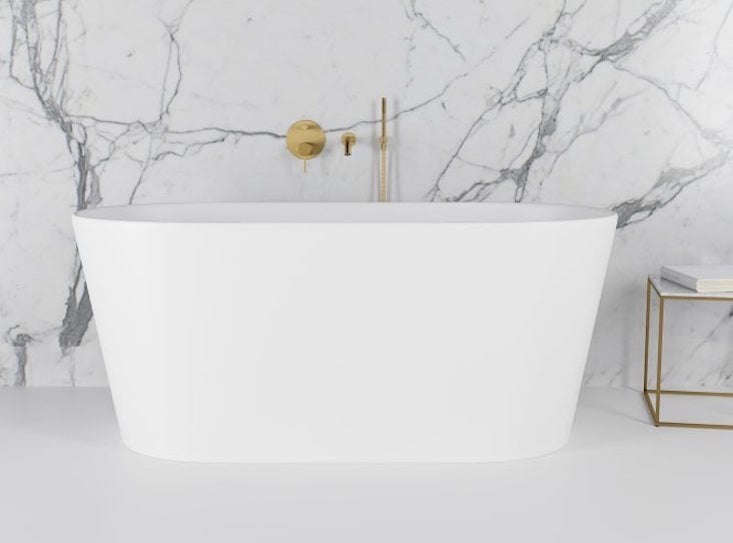
An oval stone resin freestanding bath is not just a bathtub. It is the bathroom equivalent of putting on sunglasses indoors: bold, dramatic, and somehow still practical when done right. With its smooth curves, sculptural presence, and spa-like comfort, this tub style has become a favorite for homeowners who want the bathroom to feel less like a rushed pit stop and more like a five-star retreat with better parking.
Stone resin, often grouped with solid surface bath materials, is made by blending mineral stone powder with resin to create a dense, durable, nonporous surface. The result is a tub that looks like carved stone but is usually more manageable than natural marble or granite. Add an oval silhouette and a freestanding installation, and you get a centerpiece that softens the room, supports deep soaking, and makes even a simple bathroom remodel feel intentional.
What Is an Oval Stone Resin Freestanding Bath?
An oval stone resin freestanding bath is a standalone soaking tub with rounded sides and a smooth mineral-resin body. Unlike alcove tubs that are tucked between walls, a freestanding bath is finished on all visible sides. It can sit near a window, along a feature wall, in the center of a spacious primary bathroom, or in a carefully planned corner where it can still breathe visually.
The oval shape matters more than people think. Rectangular tubs can look crisp and architectural, but an oval bathtub feels softer and more organic. It visually balances hard surfaces such as tile, glass, mirrors, and metal fixtures. In a bathroom full of straight lines, an oval stone resin tub walks in like the one person at the meeting who actually brought snacks.
Stone resin also gives the bath a substantial feel. It does not have the hollow sensation that some lightweight tubs can have. Many homeowners choose it because it offers a refined matte or satin finish, a warm-to-the-touch surface, and a modern appearance that pairs well with luxury bathroom design, minimalist interiors, and spa-inspired remodels.
Why Stone Resin Works So Well for Freestanding Baths
1. It Has a Natural Stone Look Without the Natural Stone Drama
Natural stone tubs are stunning, but they can be extremely heavy, expensive, and demanding to install. Stone resin offers a similar visual languagesmooth, sculptural, and upscalewithout requiring your bathroom floor to have the emotional strength of a medieval castle. It gives you the design impact of stone while typically being easier to manufacture, shape, transport, and maintain.
2. It Retains Heat Better Than Many Lightweight Materials
A good bath should not turn into lukewarm soup after ten minutes. Because stone resin is dense, it can hold warmth well, helping bathwater stay comfortable longer. This is one of the biggest reasons people compare stone resin tubs favorably with basic acrylic or fiberglass models. If you enjoy long soaks, this material has a practical advantage that goes beyond looks.
3. It Feels Solid and Luxurious
The weight and density of a stone resin bathtub create a grounded, premium feel. When you lean back in it, the tub feels stable rather than flimsy. That matters in a freestanding design because the bath is not hidden inside a deck or surrounded by walls. Every curve, edge, and surface is part of the experience.
4. It Is Generally Easy to Clean
Most stone resin and solid surface tubs are nonporous, which means grime, soap residue, and bath oils are less likely to sink into the material. Routine cleaning usually involves warm water, a soft cloth, and mild soap. The big rule is simple: avoid harsh abrasives, acidic cleaners, ammonia-heavy products, and aggressive scrubbing pads. Your tub wants a gentle spa day too.
Oval Shape: More Than Just Pretty Curves
The oval freestanding tub is popular because it combines comfort with visual softness. The rounded interior often supports a reclined soaking position, especially when the backrest angle is well designed. The absence of sharp corners also makes the tub feel more inviting and easier to move around in the bathroom.
Design-wise, an oval stone resin freestanding bath works in many styles. In a modern bathroom, it looks clean and sculptural. In a transitional bathroom, it balances classic tile or warm wood vanities. In a minimalist bathroom, it becomes the main object of interest without shouting for attention. In a small bathroom, a compact oval soaking tub can sometimes look less bulky than a boxy model, although careful measuring is still essential.
For homeowners who want a calm, spa-inspired bathroom, the oval shape is often the safest statement. It is dramatic enough to feel special but not so trendy that it will look outdated before your next set of towels does.
Stone Resin vs. Acrylic vs. Cast Iron: Which Tub Material Wins?
Stone Resin
Stone resin is excellent for homeowners who want a luxury look, strong heat retention, and a durable solid surface. It is heavier than acrylic but usually lighter and more practical than true natural stone. It may cost more than basic acrylic, but the finish and feel are often noticeably more premium.
Acrylic
Acrylic freestanding tubs are lightweight, widely available, and usually more affordable. They come in many shapes and sizes, making them popular for remodels where budget and easier installation matter. However, acrylic can sometimes feel less substantial, and lower-quality models may scratch or flex over time.
Cast Iron
Cast iron tubs are extremely durable and excellent at holding heat. They are also very heavy, which means floor support and installation logistics become serious considerations. Cast iron is wonderful for traditional clawfoot looks but may not deliver the same seamless modern matte finish as an oval stone resin freestanding bath.
Fiberglass
Fiberglass is budget-friendly and lightweight, but it is usually less durable than acrylic, stone resin, or cast iron. It can scratch, fade, or crack more easily, so it is rarely the first choice for a high-end freestanding centerpiece.
Best Bathroom Styles for an Oval Stone Resin Freestanding Bath
Modern Spa Bathroom
Pair a matte white oval stone resin tub with large-format porcelain tile, a frameless glass shower, warm LED lighting, and brushed nickel or matte black fixtures. The look is calm, clean, and relaxing without feeling cold.
Warm Minimalist Bathroom
Use the tub as a sculptural focal point against soft beige walls, natural wood cabinetry, linen textures, and simple floor-mounted fixtures. This style says, “I am peaceful,” even if your group chat says otherwise.
Luxury Hotel-Inspired Bathroom
Place the oval bath under a window or chandelier, add a floor-mounted tub filler, and surround it with marble-look tile or real stone accents. Keep clutter hidden. Nothing ruins a luxury bathroom faster than twelve shampoo bottles staging a rebellion.
Organic Contemporary Bathroom
Combine the stone resin bath with pebble tile, microcement walls, wood shelving, indoor plants, and warm brass fixtures. The oval form supports the natural theme beautifully.
How to Choose the Right Oval Stone Resin Freestanding Bath
Measure the Bathroom First
Before falling in love with a tub online, measure the room carefully. Freestanding tubs need enough clearance around them for cleaning, plumbing access, and comfortable movement. A tub that technically fits but leaves no walking space is not luxury. It is a porcelain obstacle course.
Check the Tub Size
Common freestanding tubs range from compact models around 55 inches long to larger options over 70 inches. Widths often fall around 28 to 32 inches, while soaking depth can vary significantly. Taller users may want a longer tub, while smaller bathrooms may benefit from a shorter but deeper soaking design.
Look at Water Capacity
A deep stone resin soaking tub can use more water than a standard alcove tub. Make sure your water heater can keep up. A beautiful bath loses some charm when the hot water runs out halfway through and you are left negotiating with the faucet like it owes you money.
Confirm Floor Support
Stone resin tubs are heavier than many acrylic tubs, and they become much heavier when filled with water and a person. For upstairs bathrooms or older homes, it is wise to consult a contractor or structural professional before installation.
Choose the Right Drain Placement
Center drains are common in oval freestanding tubs and work well for symmetrical designs. End drains may be more comfortable for single-person soaking because they keep the drain away from your back. Always match the tub drain location with your plumbing plan before ordering.
Select a Compatible Tub Filler
Freestanding tubs usually pair with a floor-mounted tub filler, wall-mounted faucet, or deck-mounted fixture if the tub design allows it. Floor-mounted fillers look elegant but require accurate rough-in plumbing. Wall-mounted fillers can save floor space but need the tub positioned close enough to the wall for comfortable use.
Installation Tips for a Freestanding Stone Resin Bath
Installing an oval stone resin freestanding bath is not the moment to improvise with a wrench, a video tutorial, and blind optimism. Professional installation is strongly recommended, especially if plumbing must be moved or the floor needs reinforcement.
Start by confirming the finished floor is level. A freestanding bath needs stable contact with the floor to avoid rocking. Next, verify drain alignment, water supply placement, and access for future maintenance. Some models include integrated overflow systems, while others require specific drain kits. Read the manufacturer’s instructions before installation day, not during the part where everyone is already sweating.
Also consider delivery. Stone resin tubs are bulky and heavy. Make sure the tub can fit through doorways, hallways, staircases, and turns. Measure the path from the truck to the bathroom. This is not glamorous, but neither is discovering that your dream tub cannot make it past the guest bedroom.
Cleaning and Maintenance: Keeping the Finish Beautiful
An oval stone resin freestanding bath is fairly low-maintenance, but it is not maintenance-free in the magical sense. After bathing, rinse the surface and wipe it with a soft cloth when possible. This prevents mineral deposits, soap film, and bath oil residue from building up.
For regular cleaning, use mild dish soap or a pH-neutral bathroom cleaner with a soft sponge or microfiber cloth. Avoid abrasive powders, steel wool, harsh acids, bleach-heavy products, and ammonia-based cleaners unless the manufacturer specifically approves them. Matte finishes can show residue differently than glossy surfaces, so gentle consistency works better than occasional aggressive scrubbing.
Minor surface marks on some solid surface or stone resin tubs may be repairable through light sanding or polishing, depending on the finish. Always check the care guide for your specific model before attempting repairs. The goal is restoration, not turning your bathtub into a weekend science experiment.
Pros and Cons of an Oval Stone Resin Freestanding Bath
Pros
First, the appearance is hard to beat. An oval stone resin bath has a sculptural quality that instantly upgrades the room. Second, the material feels solid and warm compared with many lightweight alternatives. Third, it offers strong heat retention, which is ideal for long soaking baths. Fourth, the nonporous surface is generally easy to clean. Finally, the oval shape is comfortable, timeless, and flexible across many design styles.
Cons
The main drawbacks are weight, cost, and installation planning. Stone resin is usually heavier than acrylic, so structural support may matter. It can also be more expensive than entry-level tub materials. Freestanding installation requires careful plumbing placement, and the area around the tub must be accessible for cleaning. If your bathroom is very small, the tub may look crowded unless the layout is planned carefully.
Common Mistakes to Avoid
One common mistake is choosing a tub based only on photos. A bathtub is not wall art. You need to think about body fit, soaking depth, back angle, drain location, and faucet reach. If possible, sit in a showroom model before buying. Yes, it may feel awkward. No, it is not more awkward than owning an uncomfortable tub for ten years.
Another mistake is ignoring cleaning clearance. Freestanding tubs look best when they have breathing room. If the tub is pushed too tightly against a wall, cleaning behind it becomes a battle of sponge, wrist, and regret.
Homeowners also forget about water heater capacity. A large soaking tub may require more hot water than your current system comfortably provides. Before upgrading the bath, confirm that your plumbing and water heating setup can support your soaking habits.
Finally, do not assume every stone resin tub has the same finish or care requirements. Matte, gloss, and textured surfaces may need different cleaning methods. Always follow the manufacturer’s care instructions.
Is an Oval Stone Resin Freestanding Bath Worth It?
For many homeowners, yes. An oval stone resin freestanding bath is worth it if you want a durable, elegant, spa-like centerpiece and are prepared for the planning required. It is especially suitable for primary bathrooms, luxury remodels, wellness-focused spaces, and homes where the bath is used for relaxation rather than simply checking the “has bathtub” box on a real estate listing.
However, it may not be the best choice if you are working with a very tight budget, a weak floor structure, a tiny bathroom, or a household where showers do nearly all the work. In those cases, a high-quality acrylic soaking tub or built-in tub may be more practical.
The best decision comes down to lifestyle. If you love long baths, value design, and want the bathroom to feel like a private retreat, stone resin makes sense. If you only use the tub to rinse muddy shoes, please do not buy the sculptural luxury bath. It deserves better.
Real-Life Experience: Living With an Oval Stone Resin Freestanding Bath
The first thing people usually notice about an oval stone resin freestanding bath is how much it changes the mood of the bathroom. Before installation, the room may feel purely functional: sink, shower, toilet, mirror, repeat. After the tub arrives, the space suddenly has a focal point. It feels designed, even if the rest of the house still contains a drawer full of mystery cables.
In daily use, the most appreciated feature is comfort. The oval shape feels easy on the body because there are no hard corners pressing into elbows or shoulders. A well-designed back slope allows you to recline naturally, and the stone resin surface feels smoother and more substantial than many lightweight tubs. It is the kind of bath that encourages you to stay longer than planned. You say, “Ten minutes,” and then somehow the playlist ends.
Heat retention is another experience people notice quickly. A dense stone resin bath tends to keep water warm longer than a thin, lightweight tub. This does not mean the water stays hot forever, because physics remains undefeated, but it can make a long soak more enjoyable. For people who use baths to relax muscles, decompress after work, or escape the family for a legally reasonable amount of time, that extra comfort matters.
Cleaning is usually simple if you keep up with it. The easiest habit is to rinse the tub after every use and wipe down visible water spots with a soft cloth. This is especially helpful in areas with hard water. Bath oils, colorful bath bombs, and mineral-rich soaks should be used with care, because any tub surface can develop residue if products sit too long. The good news is that stone resin does not usually demand fussy maintenance. It mostly asks that you do not attack it with harsh chemicals like you are trying to remove evidence from a crime scene.
The biggest real-life surprise is the importance of space around the tub. In photos, freestanding baths often sit in huge bathrooms with windows, plants, candles, and no visible laundry basket. Real homes are less obedient. If the tub is too close to a wall, cleaning behind it becomes annoying. If the faucet is poorly placed, reaching the controls can feel awkward. If there is no nearby ledge, stool, or niche, you may have nowhere to place soap, a towel, or a book you optimistically believe you will not drop.
Another practical lesson is that delivery and installation deserve respect. Stone resin tubs are heavy. Moving one into place requires planning, manpower, and sometimes a few dramatic facial expressions. Once installed correctly, though, the weight becomes part of the appeal. The bath feels stable and permanent, like it belongs in the room rather than simply occupying it.
Over time, an oval stone resin freestanding bath can become more than a design feature. It becomes a routine. It is where you soak after a long day, where you test fancy bath salts, where you pretend not to hear your phone buzzing, and where the bathroom finally feels like a room made for rest instead of rushing. That is the real value: not just the material, shape, or price tag, but the small daily luxury of having a space that tells you to slow down.
Conclusion
An oval stone resin freestanding bath is one of the strongest choices for homeowners who want comfort, durability, and visual impact in one elegant package. It offers the sculptural beauty of stone, the practical benefits of a nonporous solid surface, and the soft comfort of an oval soaking design. While it requires careful planning around weight, plumbing, clearance, and water capacity, the result can transform an ordinary bathroom into a calm, spa-inspired retreat.
Choose the right size, confirm your installation requirements, care for the surface gently, and pair it with fixtures that match your bathroom style. Do that, and your oval stone resin freestanding bath will not just look beautiful in photos. It will earn its place in your everyday life, one warm soak at a time.
Note: This article is written as original, publication-ready content based on current bath material guidance, remodeling best practices, and real-world product considerations.