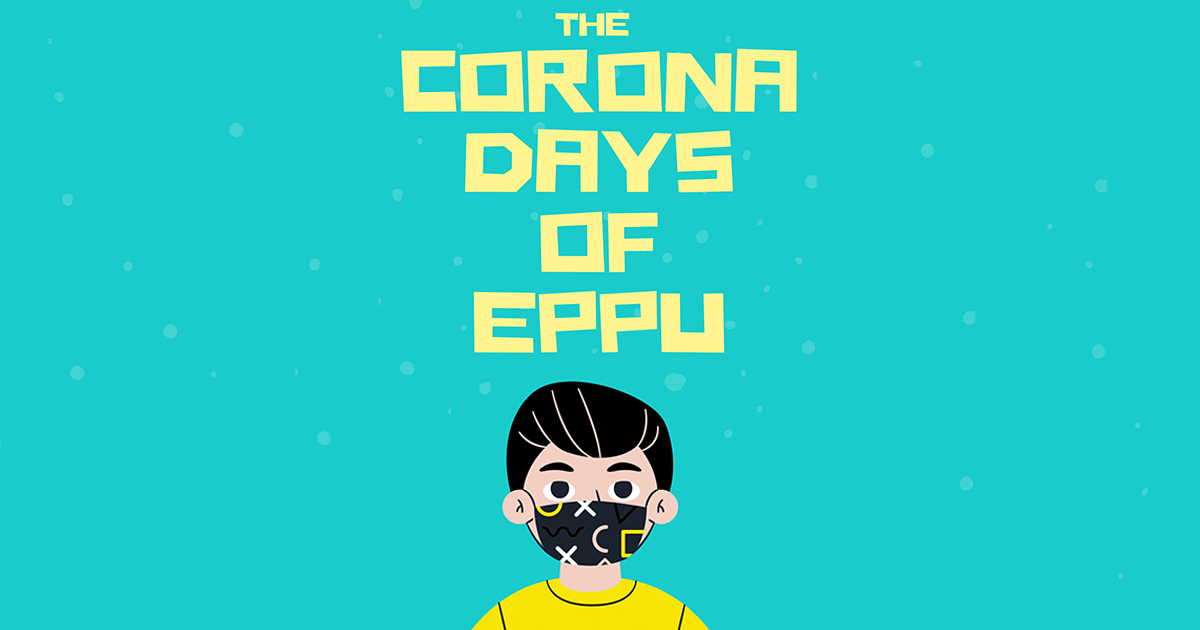
When the coronavirus pandemic arrived, adults suddenly became experts in sourdough, hand sanitizer, video calls, and staring dramatically out of windows. But for toddlers, the world changed in a much stranger way. One day there were playgrounds, preschool friends, birthday parties, grandparents, grocery-store adventures, and sticky-fingered playdates. The next day, there were masks, closed doors, quiet streets, and grown-ups whispering scary words like “quarantine,” “infection,” and “don’t touch that, please, for the love of bananas.”
That emotional confusion is exactly why a children’s illustration ebook about a 3-year-old kid’s thoughts during coronavirus feels so tender, timely, and important. It is not just another pandemic story. It is a small window into a very small person’s very big feelings. Through simple words, expressive drawings, and childlike observations, an illustrated ebook can capture what many young children could not fully explain: missing friends, wondering why adults looked worried, asking why parks were closed, and trying to understand why hugging Grandma suddenly became complicated.
Children’s illustration ebooks about COVID-19 matter because preschoolers process the world differently from adults. A 3-year-old may not understand public health policy, but they absolutely understand that Mommy is tired, Daddy is on the laptop again, the playground has yellow tape on it, and everyone keeps singing the handwashing song like it just won a Grammy. Picture books help translate those confusing moments into something safe, familiar, and even a little funny.
Why a 3-Year-Old’s Pandemic Thoughts Deserve a Whole Ebook
At first glance, a toddler’s pandemic thoughts may sound simple: “I want to go outside,” “Why can’t I see my friends?” or “Why is everyone wearing masks?” But simple does not mean small. For young children, routines are emotional anchors. When daycare closes, grandparents disappear from daily life, and parents become full-time workers, teachers, snack suppliers, and emotional support humans, a child’s inner world can feel upside down.
A children’s illustration ebook gives those feelings shape. Instead of explaining coronavirus with charts, statistics, or the sort of graphs that make adults suddenly remember they need coffee, illustrations speak in the language young children already understand. A sad stuffed animal, a lonely swing set, a superhero mask, a family waving through a screen, or a child looking out the window can say more than a paragraph of adult explanation.
The best children’s books about the coronavirus pandemic do not overload kids with fear. They validate feelings, offer reassurance, and gently explain changes in everyday life. For a 3-year-old, the story does not need to answer every scientific question. It needs to say, “Yes, this is strange. Yes, you are allowed to miss your world. And yes, the grown-ups are still here.”
The Power of Children’s Illustration During Coronavirus
Illustration has a special superpower: it lets children read emotion before they can read words. Preschoolers often understand facial expressions, colors, body language, and visual patterns long before they can decode a sentence. That makes a children’s illustration ebook especially useful for talking about coronavirus, isolation, fear, and change.
During the pandemic, many families turned to picture books, activity books, coloring pages, and digital storybooks to help children understand what was happening. These resources often used friendly characters, gentle explanations, and familiar routines to discuss handwashing, staying home, masks, social distancing, and big emotions. The goal was not to make children mini-epidemiologists. The goal was to make the invisible feel less mysterious.
An illustrated ebook centered on a 3-year-old’s thoughts can do something even more intimate. It does not lecture. It listens. It notices the little details adults might miss: the silence of the street, the disappointment of a canceled party, the weirdness of seeing teachers on a screen, the joy of extra cuddles, and the deep philosophical toddler question: “If we are home all day, why are my socks still missing?”
What Young Children Felt During the Pandemic
Many adults remember the coronavirus years through headlines, work changes, health worries, and social restrictions. Young children experienced it through interrupted rituals. They missed the library story hour. They missed the slide. They missed cousins. They missed the ordinary chaos of being little in a big world.
They Felt Confused by Sudden Rule Changes
Young children love rules when they are predictable. Shoes go on feet. Crayons do not go in noses. Cookies are better than broccoli; this is not a rule, technically, but toddlers treat it as federal law. During coronavirus, many rules changed overnight. Suddenly, people stood far apart. Adults wore masks. Hands had to be washed again and again. Visitors stayed outside. A 3-year-old could easily wonder, “Did I do something wrong?”
A thoughtful illustrated ebook can show that these changes were not punishment. They were ways families tried to keep one another safe. This distinction matters. Children often personalize events they do not understand, so stories can gently separate the child from the crisis.
They Missed People Deeply
For preschoolers, love is physical. It is hugs, lap time, shared snacks, high-fives, and climbing relatives like furniture. Social distancing was emotionally unnatural for many young children because it interrupted how they express affection. Video calls helped, but any parent knows a toddler video call often becomes a tour of the ceiling fan, one nostril, and then sudden disappearance.
A children’s illustration ebook can show this longing honestly. A child waving at grandparents through a window or hugging a teddy bear instead of a friend can help young readers recognize their own sadness. More importantly, it tells them sadness is not bad behavior. It is love looking for somewhere to sit.
They Noticed Adult Stress
Even very young children can sense when adults are worried. They may not understand news reports, hospital numbers, or job uncertainty, but they notice tone of voice, tired faces, and changes in patience. When parents were trying to work from home while managing childcare, many children experienced the emotional weather in the house, even if no one explained the storm.
Books can help families talk about this gently. A story might show a parent taking a deep breath, apologizing after being grumpy, or making time for a small moment of play. That kind of scene reassures children that feelings happen in families, and repair is possible.
How an Ebook Can Help Parents Talk About Coronavirus
One of the hardest parts of parenting during COVID-19 was finding the right words. Too much information could scare a child. Too little information could leave them confused. A children’s illustration ebook offers a middle path. It gives parents a script without sounding like a public-service announcement wearing pajamas.
For example, instead of saying, “A highly contagious respiratory virus caused a global pandemic,” a parent might read, “There is a tiny germ making people sick, so we are staying home to help everyone get better.” That is accurate enough for a preschooler, calm enough for bedtime, and much less likely to cause a child to ask if germs have teeth.
Illustrated ebooks also invite conversation. After a page about missing friends, a parent can ask, “Who do you miss?” After a page about washing hands, they can ask, “What song should we sing?” After a page about feeling angry, they can say, “Sometimes I feel angry too.” In this way, the ebook becomes more than a story. It becomes a bridge.
Why the Child’s Voice Matters
Many pandemic resources were created for children, but the most touching ones felt like they were created with children in mind. A story based on a 3-year-old’s thoughts has a different emotional texture. It is not polished in the adult sense. It is curious, dramatic, repetitive, funny, and honest.
A toddler may ask the same question ten times because the answer is still too big to hold. A toddler may declare that the virus is “naughty” or that masks make people look like “quiet superheroes.” These observations are not distractions from the pandemic story. They are the story. They show how children use imagination to organize uncertainty.
Centering a child’s voice also reminds adults that children were not background characters in the pandemic. They were participants. They gave up routines, relationships, celebrations, and early learning experiences. Their sacrifices were quieter than adult sacrifices, but they were real.
Key Themes a Children’s Coronavirus Illustration Ebook Can Explore
Home as a Safe Place
During lockdowns and quarantine periods, home became everything: school, office, playground, restaurant, movie theater, and occasionally a courtroom for disputes over who touched whose dinosaur. A good ebook can present home as safe without pretending it is always easy. It can show blanket forts, kitchen messes, family games, and the occasional bored child melting dramatically onto the floor.
Hygiene Without Fear
Handwashing, coughing into elbows, and staying home when sick became major lessons during the pandemic. For young children, these habits work best when framed as helpful actions, not scary obligations. An illustration of soap bubbles fighting germs can make hygiene playful. A character singing while washing hands can turn prevention into routine.
Missing Friends and Family
Social separation was one of the hardest pandemic realities for children. A strong illustrated story can acknowledge loneliness while showing creative connection: drawings mailed to relatives, window waves, sidewalk chalk messages, video calls, and pretend tea parties with stuffed animals who, frankly, never RSVP but always attend.
Big Feelings in Small Bodies
Anger, sadness, fear, boredom, jealousy, and excitement can all fit inside one preschooler before breakfast. Coronavirus intensified those emotions because children had fewer outlets. A helpful ebook names feelings clearly and shows healthy ways to express them: drawing, talking, cuddling, breathing, dancing, or asking for help.
What Makes This Kind of Ebook Good for SEO and Readers
From a publishing perspective, a topic like “children’s illustration ebook about coronavirus” has strong evergreen value. Parents, educators, librarians, child psychologists, and children’s book lovers continue to search for resources that help explain difficult events to young kids. Even as the emergency phase of the pandemic has passed, families still need stories about resilience, disruption, grief, and emotional recovery.
Search-friendly content should naturally include related phrases such as children’s coronavirus book, COVID-19 picture book, pandemic story for kids, preschool mental health, toddler emotions, children’s ebook, illustrated story for children, and helping kids cope with coronavirus. The key is to use these terms naturally. Nobody wants to read a paragraph that sounds like a robot swallowed a keyword planner.
Good SEO also depends on usefulness. An article about this ebook should not only describe the project; it should explain why it matters, who it helps, what themes it covers, and how parents can use it. Search engines reward content that answers real questions. Readers reward content that does not make them regret having eyes.
How Parents Can Use a Pandemic Illustration Ebook at Home
Parents do not need a perfect reading voice, a degree in child psychology, or a Pinterest-worthy reading nook to use an ebook like this well. They simply need presence. Reading slowly, pausing at emotional pages, and letting the child interrupt with questions can be more valuable than finishing the story in one sitting.
Here are a few simple ways to make the ebook more meaningful:
- Ask open-ended questions: “What do you think the child is feeling?” or “Have you ever felt like that?”
- Connect the story to real life: “Remember when we waved to Grandma from the car?”
- Let children respond creatively: Encourage them to draw their own pandemic memory or make up a new page.
- Repeat the story: Young children often need repetition to process emotions.
- Keep the tone calm: The goal is comfort, not a dramatic documentary trailer.
When children see their feelings reflected in a story, they often feel less alone. They may not say, “Thank you for validating my emotional experience.” They are 3. They may instead put a cracker in your shoe. But the comfort still lands.
Why Digital Storytelling Worked During Lockdown
Digital books became especially useful during the coronavirus pandemic because families needed resources they could access immediately. Libraries were closed or limited, bookstores were harder to visit, and many parents were searching late at night after the children finally fell asleep on top of three stuffed animals and one parent’s left arm.
An ebook can travel quickly. It can be shared with relatives, read on a tablet, projected during a virtual class, or used by teachers and caregivers. For children’s illustration projects, the digital format also allows colorful visuals to reach families without printing costs. That accessibility matters, especially during crises when emotional support should not depend on shipping delays.
The Emotional Legacy of Coronavirus for Young Children
Some adults may assume that very young children will not remember the pandemic. In some cases, they may not remember the details. But early experiences still shape emotional patterns, family stories, and a child’s sense of safety. A 3-year-old may forget the exact reason a playground was closed, but remember the feeling of being told “not today” again and again.
This is why storytelling matters after the fact. Books help families organize memory. They turn a confusing season into a narrative with feelings, helpers, routines, and hope. A children’s illustration ebook about coronavirus can become part of how a family says, “That was hard, and we got through it together.”
Experience Section: What This Topic Teaches Us About Parenting, Creativity, and Listening
One of the most powerful experiences related to creating or reading a children’s illustration ebook about a 3-year-old’s thoughts during coronavirus is realizing how observant children really are. Adults often assume toddlers live in a bubble of snacks, cartoons, and mysterious sticky substances. But children are constantly collecting emotional clues. They notice when shoes stay by the door because no one is going anywhere. They notice when parents stop inviting friends over. They notice when birthdays happen through screens. They notice when the world becomes quieter.
For parents, this realization can be both beautiful and uncomfortable. Many families tried to protect young children by avoiding difficult conversations. That instinct came from love. But children often filled silence with their own explanations. A child might think friends stopped visiting because they were forgotten. They might think a grandparent stayed away because they were mad. They might think a parent’s stress was somehow their fault. An illustrated ebook can gently correct those misunderstandings by giving children words and images for what happened.
Another experience this topic highlights is the healing power of creativity. During lockdown, families invented tiny rituals to survive long days at home. They painted rocks, baked cookies, built cardboard castles, made living-room obstacle courses, and turned handwashing into musical theater. Some of those activities were messy enough to make adults question their life choices, but they gave children a sense of agency. Creating an ebook from a child’s thoughts follows that same spirit. It takes confusion and turns it into art. It says, “This experience mattered enough to remember.”
Parents who read pandemic-themed picture books with young children often discover that kids do not always respond on schedule. A child may giggle during a sad page or ask for juice during an emotional moment. That does not mean the story failed. Children process in loops. They may return later with a question while putting on pajamas or building a tower. The ebook plants seeds. The conversation may bloom at the weirdest possible time, such as while the parent is trying to locate a missing sock or prevent toothpaste from becoming wall décor.
This topic also teaches adults to respect children’s emotional truth. A 3-year-old’s sadness about a closed playground may seem small compared with adult worries about health, work, and money. But to the child, the playground may represent freedom, friendship, and joy. When adults take that sadness seriously, children learn that their feelings are safe to share. That lesson lasts far beyond coronavirus.
Finally, an illustrated ebook about a child’s pandemic thoughts reminds us that family history is not made only of major milestones. It is made of tiny scenes: waving through windows, drawing rainbows, wearing tiny masks, missing preschool, dancing in the kitchen, and asking when the world will open again. These memories deserve tenderness. They deserve color. They deserve a story.
Conclusion
Our Children’s Illustration Ebook Focuses On Our 3-Year-Old Kid’s Thoughts During Coronavirus is more than a charming title. It represents a meaningful way to honor the emotional lives of young children during one of the most disruptive periods in recent history. Through illustration, simple storytelling, and a child-centered point of view, this kind of ebook helps families talk about fear, change, loneliness, hygiene, hope, and resilience.
For parents, it offers a gentle conversation starter. For educators, it can become a classroom resource. For children, it provides the comfort of recognition: “Someone else felt this too.” And for adults who lived through the pandemic with little ones, it is a reminder that even in isolation, children were thinking, feeling, wondering, adapting, and occasionally asking for snacks every seven minutes.
Coronavirus changed childhood routines, but stories can help restore emotional order. A children’s illustration ebook gives young readers a safe place to revisit confusing memories and discover that love, creativity, and family connection were present even in the hardest days. In the end, that may be the most important message a child can carry forward: the world became strange, but they were never alone.
Note: This article is based on real child-development guidance, pandemic parenting resources, children’s mental health recommendations, and public literacy discussions about picture books and COVID-19. Source links are intentionally not included so the HTML remains clean and ready for publication.