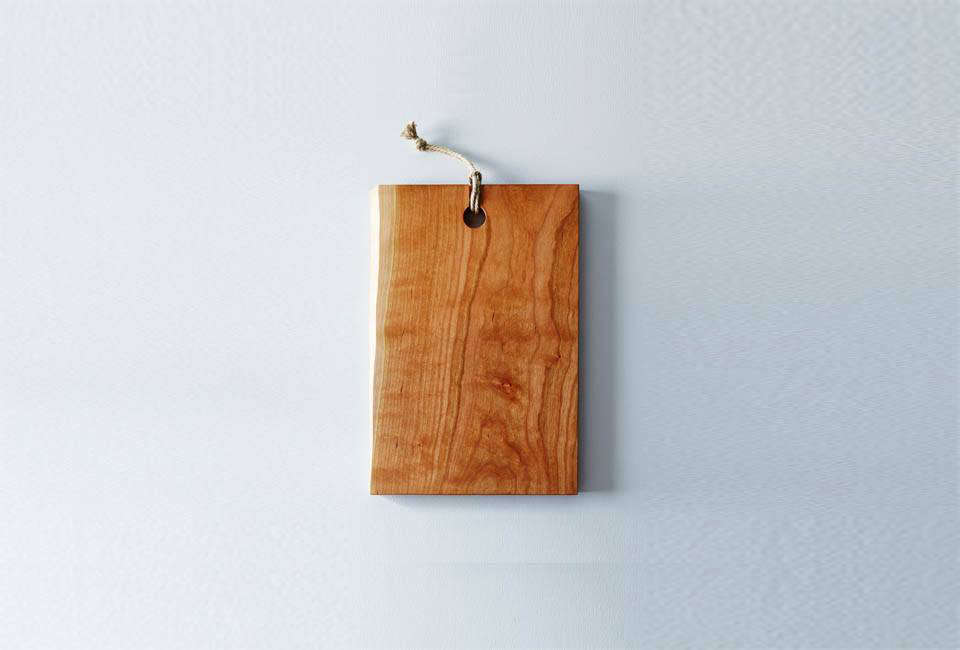
A live-edge domestic wood serving and cutting board is what happens when practical kitchen gear decides to put on a well-tailored flannel shirt. It is useful, warm, sturdy, and just rustic enough to make a wedge of cheese look like it has a publicist. Unlike a plain rectangular board that quietly does its job, a live-edge board brings the natural outline of the tree into your kitchen. The result is a serving piece, prep surface, and conversation starter rolled into one beautiful slab of American hardwood.
But this board is not just about looking handsome next to grapes and crackers. The right live-edge board can handle slicing bread, arranging charcuterie, serving appetizers, and showing off domestic hardwoods such as maple, walnut, cherry, and white oak. The trick is knowing how to choose one, how to use it safely, and how to care for it so it does not warp, crack, stain, or turn into a sad wooden potato chip.
In this guide, we will explore what makes a live-edge domestic wood serving and cutting board special, which woods work best, what to look for before buying, how to clean and maintain it, and how real-life use teaches you things no product description ever will.
What Is a Live-Edge Domestic Wood Serving and Cutting Board?
A live-edge board preserves part of the tree’s natural outer contour. Instead of cutting every side into perfectly straight factory lines, the maker leaves one or more edges shaped by the original trunk or limb. That organic edge may be gently wavy, dramatic, rugged, or softly irregular. It is nature’s handwriting, and thankfully, nature has better penmanship than most of us signing a delivery receipt.
The term “domestic wood” usually refers to wood harvested from trees commonly grown in the United States or North America. Popular choices include hard maple, black walnut, cherry, ash, beech, and oak. These woods are prized because they are accessible, attractive, durable, and often easier to trace than mysterious imported species with names that sound like fantasy kingdoms.
A serving and cutting board has a dual personality. One moment it is a stage for cheese, fruit, bread, smoked meats, roasted vegetables, or desserts. The next moment it may be used for light chopping or slicing. Because of that, it needs more than good looks. It should be made from suitable hardwood, sanded smooth, finished with food-safe oil or wax, and built thick enough to resist everyday movement.
Why Live-Edge Boards Are So Popular
They Bring Natural Character to the Table
No two live-edge boards are identical. Grain lines, knots, mineral streaks, curl, color variation, and edge shape create a one-of-a-kind look. A walnut board may show chocolate-brown heartwood with creamy sapwood. Cherry may begin with a soft pinkish tone and deepen over time into a rich reddish brown. Maple can look clean, bright, and modern, especially when the grain is tight and subtle.
This natural variation is exactly why people love live-edge serving boards. They make simple food look intentional. Crackers become curated. Strawberries become photogenic. A sandwich cut in half suddenly appears to have attended design school.
They Fit Modern and Rustic Kitchens
Live-edge boards work in farmhouse kitchens, modern apartments, lake houses, cabins, and minimalist dining rooms. The natural edge softens clean interiors and adds warmth to stone counters, stainless appliances, and white cabinets. At the same time, it complements rustic settings without looking like it wandered in from a barn sale wearing muddy boots.
They Make Excellent Gifts
A live-edge domestic wood serving and cutting board feels personal without being too risky. It is useful for weddings, housewarmings, holidays, anniversaries, and host gifts. Add engraving, a handwritten care card, or a jar of board conditioner, and you have a gift that says, “I thought about this,” not “I panic-bought this near the checkout lane.”
Best Domestic Woods for Serving and Cutting Boards
Hard Maple
Hard maple is one of the classic choices for cutting boards. It has a tight grain, pale color, and strong surface that can stand up to regular kitchen use. Because the grain is relatively fine, maple is less likely to show dramatic pores. That makes it a practical option for boards used for both serving and slicing.
Maple’s light tone also makes food colors pop. Berries, cheeses, herbs, and breads stand out beautifully against it. If you want a board that looks clean and bright, hard maple is a dependable choice.
Black Walnut
Black walnut is the sophisticated dinner guest of domestic hardwoods. It has deep brown tones, elegant grain, and a luxurious look. Walnut is slightly softer than hard maple, which many people enjoy because it feels gentle under a knife. However, it can show scratches more easily than lighter woods.
Walnut live-edge boards are especially popular for serving. Their rich color creates contrast with pale cheeses, fruit, pastries, and breads. Put brie on walnut and suddenly everyone thinks you know a lot about wine, even if your tasting notes are mostly “tastes fancy.”
Cherry
Cherry is warm, smooth, and quietly beautiful. Fresh cherry wood can appear light reddish brown or pinkish, then darkens naturally with age and exposure to light. This aging process gives cherry boards a lovely evolving character.
Cherry is a good choice for people who want a board with warmth but not the dramatic darkness of walnut. It works beautifully for serving boards, pastry displays, fruit spreads, and everyday light prep.
White Oak
White oak is strong, durable, and visually bold. It has noticeable grain and a traditional American furniture feel. However, oak has more open grain than maple, so buyers should pay close attention to the maker’s sanding, finishing, and intended-use guidance. A white oak board may be excellent as a serving board, bread board, or decorative display piece, while maple may be preferred for heavy daily chopping.
Ash and Beech
Ash offers a light color and strong grain pattern, while beech has a smooth, practical look often associated with traditional kitchen tools. Both can be used in boards when properly selected, dried, built, and finished. As always, craftsmanship matters as much as species. A well-made board from a suitable domestic hardwood will outperform a poorly made board from a trendy wood every time.
Live-Edge Serving Board vs. Cutting Board: What Is the Difference?
Many live-edge boards are marketed as both serving and cutting boards, but not all are equally suited for heavy chopping. A true cutting board should be stable, smooth, thick enough to resist warping, and free from deep cracks, loose bark, soft punky areas, or large open voids where food can hide. A serving board can be more decorative, but it still needs a food-safe finish if it touches food directly.
For serious knife work, a rectangular edge-grain or end-grain board may be more practical. For serving and light slicing, a live-edge board shines. Think of it this way: a live-edge board is perfect for slicing baguettes, arranging appetizers, cutting fruit, or serving grilled vegetables. If you plan to break down a whole chicken every Sunday, use a dedicated board designed for raw proteins and sanitize it carefully afterward.
What to Look for Before Buying
Food-Safe Finish
A serving and cutting board should be finished with food-safe mineral oil, beeswax, carnauba wax, or another finish clearly labeled safe for direct food contact. Avoid boards treated with decorative stains, unknown oils, or glossy finishes that look more like furniture than kitchenware. A board may be beautiful enough to hang on a wall, but if it is touching your cheddar, it needs to behave like kitchen equipment.
Smooth Surface and Stable Construction
Run your hand over the board. It should feel smooth, not fuzzy, splintery, sticky, or uneven. Small natural features can be charming, but deep cracks are trouble. Food particles and moisture can collect in gaps, making cleaning harder. The board should sit flat on the counter without rocking like a restaurant table with one dramatic leg.
Proper Thickness
Thicker boards usually resist movement better than thin boards, especially when exposed to moisture. A live-edge board does not need to be enormous, but it should have enough mass to remain stable. Thin decorative slabs may be fine for serving dry foods, but they are less ideal for cutting and repeated washing.
Quality of the Live Edge
Some live-edge boards keep the bark attached, while others remove it and smooth the natural edge. For food use, a cleaned and sealed natural edge is generally more practical than loose bark. Bark can flake, trap crumbs, and make cleaning annoying. Rustic is charming; crumb storage is less charming.
How to Use a Live-Edge Domestic Wood Board
Use It for Serving
This is where the board becomes a small stage. Arrange hard and soft cheeses, fresh fruit, toasted nuts, crackers, bread, olives, herbs, and small bowls of jam or honey. For a balanced look, place larger items first, then fill gaps with smaller foods. Let the live edge remain visible rather than burying the entire board under snacks like you are hiding evidence.
Use It for Light Cutting
A good board can handle bread, vegetables, fruit, herbs, sandwiches, and cooked foods. Use a sharp knife and avoid aggressive chopping near natural cracks or decorative edges. If the board is primarily decorative or unusually figured, reserve it for serving and use a dedicated workhorse board for heavy prep.
Use Separate Boards for Raw Meat
For food safety, it is smart to use separate boards for raw meat, poultry, seafood, and ready-to-eat foods. A live-edge board is best reserved for foods that are ready to serve or for light prep that can be cleaned immediately afterward. Cross-contamination is not rustic. It is just rude.
How to Clean a Wood Serving and Cutting Board
Wash the board by hand with warm water, mild dish soap, and a soft sponge or cloth. Clean both sides, even if only one side touched food, because balanced moisture helps reduce warping. Rinse well, dry immediately with a towel, and stand the board upright or place it on a rack so air can circulate.
Do not soak the board in the sink. Do not put it in the dishwasher unless the maker specifically says it is dishwasher-safe, which most solid wood boards are not. Heat, detergent, and long exposure to water can cause cracking, warping, raised grain, and other forms of wooden drama.
For odors, rub the surface with coarse salt and half a lemon, then wash and dry. For stronger sanitation after contact with high-risk foods, follow accepted food-safety guidance and use a properly diluted sanitizing solution when appropriate. Always rinse and dry thoroughly afterward, and condition the board once it is completely dry.
How to Maintain the Board
Oil It Regularly
Wood loses moisture over time, especially after washing. Food-grade mineral oil helps keep the board from drying out. Apply oil with a clean cloth, let it soak in, and wipe away excess. If the board looks pale, feels dry, or absorbs water quickly instead of letting it bead on the surface, it is asking for oil in the quiet, dignified language of wood.
Add Wax for Extra Protection
A board cream made with mineral oil and beeswax can add a protective surface feel. Wax helps resist moisture and gives the board a soft sheen. It will not make the board waterproof, but it can make regular cleaning easier and help the wood feel nourished.
Store It Correctly
Store the board in a dry place with air circulation. Avoid leaving it flat on a wet counter. Do not place it next to a hot stove, radiator, sunny window, or dishwasher vent. Wood responds to humidity and temperature, which is a polite way of saying it has opinions.
Common Mistakes to Avoid
Using Vegetable Oil
Cooking oils such as olive oil, corn oil, or vegetable oil can become sticky or develop unpleasant odors over time. Food-grade mineral oil is a better choice because it is stable and commonly used for cutting-board care.
Letting the Board Soak
A long bath is great for humans and terrible for cutting boards. Soaking allows water to penetrate the wood, which can lead to swelling, cracking, and warping. Wash quickly, dry quickly, and let air finish the job.
Ignoring Deep Knife Grooves
Knife marks are normal. Deep grooves, cracks, and splits are different. If a board becomes badly scarred, it may need sanding or replacement. A smooth surface is easier to clean and more pleasant to use.
Buying Only for Looks
Some live-edge boards are designed as décor, not kitchen tools. Before buying, check the wood species, finish, thickness, surface quality, and care instructions. A pretty board that cannot touch food is basically a wooden influencer: photogenic, but limited.
Styling Ideas for Serving
For a cheese board, start with three cheeses: one soft, one firm, and one bold. Add crackers or sliced bread, then include fruit such as grapes, figs, apples, or berries. Fill the remaining space with nuts, pickles, olives, honey, or dark chocolate. Use small bowls for wet items so the board stays cleaner.
For a breakfast board, arrange sliced bagels, cream cheese, smoked salmon, cucumbers, tomatoes, capers, and herbs. For a dessert board, try brownies, cookies, strawberries, marshmallows, and a small bowl of chocolate sauce. For a cozy dinner board, serve sliced roast vegetables, warm bread, compound butter, and flaky salt.
The live edge gives every arrangement a relaxed, organic frame. It says, “This is casual,” while secretly making everything look professionally styled.
Sustainability and Domestic Wood
Choosing domestic hardwood can be a thoughtful decision. American hardwoods are widely used in furniture, cabinetry, flooring, and kitchen goods because they offer beauty, durability, and variety. When sourced responsibly, domestic wood can reduce the mystery often associated with imported materials. Buyers can also support local makers, small sawmills, and craftspeople who understand regional species.
Look for sellers who explain where the wood comes from, how it is dried, and how the board is finished. Reclaimed or urban-salvaged wood can be appealing, but it must be carefully inspected and processed for food-contact use. Not every old slab belongs under a sandwich.
Experience Notes: Living With a Live-Edge Domestic Wood Serving and Cutting Board
The first thing you notice when using a live-edge domestic wood board is that people react to it. Place a normal plate of snacks on the table and guests say, “Thanks.” Place those same snacks on a walnut live-edge board and suddenly someone asks where you got it, another person takes a photo, and a third person starts arranging almonds like they work in hospitality design.
In everyday use, the board quickly becomes more than a serving piece. It becomes the thing you reach for when dinner needs a little charm without extra effort. A simple lunch of sourdough, cheddar, apple slices, and mustard feels more satisfying on wood. A handful of cookies looks bakery-worthy. Even toast looks like it has goals.
One useful lesson is that size matters. A small live-edge board is easy to store and perfect for two people, but it fills up quickly when guests arrive. A medium board offers the best balance for most kitchens. It can serve cheese, fruit, and crackers without taking over the table. A very large board is dramatic and beautiful, but it needs storage space and a sink situation that does not involve acrobatics.
Another lesson is that the board teaches care habits. At first, oiling may seem like a chore. After a few weeks, it becomes oddly satisfying. The dry surface darkens, the grain wakes up, and the board looks refreshed. It is the kitchen version of watering a plant, except this plant holds salami.
You also learn to respect water. A live-edge board can handle washing, but it does not enjoy neglect. Leaving it damp on one side is asking for warping. Standing it upright to dry becomes second nature. So does wiping spills quickly, especially from juicy berries, beets, tomato sauces, or anything with strong color.
As a cutting surface, the best approach is realistic use. Slice bread on it. Cut fruit on it. Chop herbs gently. Use it for cooked meats, sandwiches, and vegetables. But for raw poultry or heavy chopping, many home cooks prefer a separate dedicated board that can be sanitized more aggressively. This keeps the live-edge board looking good and reduces cleaning stress.
The natural edge also changes how you style food. Straight boards encourage rows and symmetry. Live-edge boards invite movement. You can follow the curve with crackers, place grapes near a dip in the edge, or let a wedge of cheese sit near a dramatic grain line. The board does half the decorating for you, which is helpful if your normal plating style is “food exists here.”
Over time, small marks appear. This is not failure; it is patina. A board used lovingly will not stay showroom-perfect forever. It will collect faint knife lines, deeper color, and memories of meals. That is part of the appeal. A live-edge domestic wood serving and cutting board is not a disposable kitchen accessory. It is a tool that becomes more personal the more you use it.
The best experience comes from treating the board as both beautiful and practical. Do not hide it away because it is too nice. Use it, clean it, oil it, and let it become part of your kitchen rhythm. A good board earns its place not by staying flawless, but by showing up for breakfast, snacks, dinner parties, lazy Sundays, and the occasional midnight cheese situation we all pretend not to have.
Conclusion
A live-edge domestic wood serving and cutting board offers a rare mix of function, beauty, and natural character. It can elevate everyday meals, make entertaining easier, and bring the warmth of American hardwood into the kitchen. The best boards are made from suitable domestic woods, finished with food-safe oil or wax, built with stable craftsmanship, and cared for with simple habits: wash by hand, dry thoroughly, oil regularly, and avoid soaking.
Whether you choose maple for its practical strength, walnut for its dramatic color, cherry for its warmth, or another domestic hardwood for its unique grain, the key is to buy with both eyes open. A live-edge board should not just look good in photos. It should feel good in your hands, sit flat on the counter, clean easily, and serve food safely.
In the end, this board is more than a place to cut bread or arrange cheese. It is a small piece of the tree’s story, shaped for daily life. And if it makes your snacks look like they came from a boutique café, well, that is just the wood doing a little harmless showing off.