Some lighting is practical. Some lighting is decorative. And then there are cable and cotton string lights: the tiny mood-makers that can turn a plain bedroom, patio, nursery, dorm room, reading corner, or wedding table into a scene that whispers, “Yes, I absolutely have my life together.” Even if the laundry chair in the corner strongly disagrees.
Cable and cotton string lights combine two things people love in home décor: soft illumination and tactile texture. Instead of bare bulbs glaring at you like a suspicious raccoon in a flashlight beam, these lights often use cotton ball shades, fabric covers, or woven textures to diffuse brightness into a warm, cozy glow. The result is less “interrogation room” and more “boutique café where the latte art is emotionally supportive.”
In modern home lighting, string lights are no longer limited to holidays or college dorm walls. With the rise of LED technology, improved safety standards, plug-in and battery-powered options, and design-forward materials, cotton string lights have become a flexible lighting choice for everyday interiors and relaxed outdoor spaces. This guide explores what cable and cotton string lights are, why they work so well, how to style them, how to choose safe and efficient options, and what real-life experience teaches you after living with them beyond the first “aww, cute” moment.
What Are Cable and Cotton String Lights?
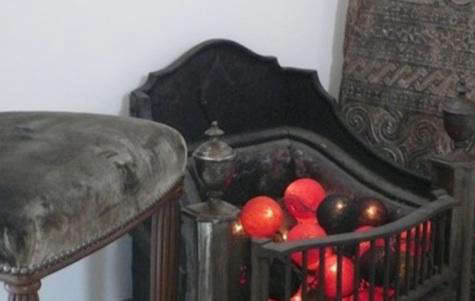
Cable and cotton string lights are decorative light strands made from a cable or wire fitted with small bulbs, usually LEDs, and softened with cotton, thread, fabric, or ball-shaped covers. Many people use the phrase to describe cotton ball fairy lights, cotton globe lights, or Cable & Cotton-style lighting strands that feature colorful handmade-looking cotton spheres attached along a flexible cord.
The “cable” part provides structure and power. It may be a thin copper wire for delicate fairy lights, a thicker insulated cord for plug-in lighting, or a weather-rated cable for outdoor string lights. The “cotton” part provides personality. Cotton shades diffuse the light, add color, and create a softer visual texture than exposed bulbs.
Unlike task lighting, which helps you chop vegetables without accidentally inventing finger confetti, cotton string lights are mainly used for ambient and accent lighting. They create atmosphere, highlight a feature, define a zone, or add a decorative layer to a room. They are not usually bright enough to replace ceiling lights, desk lamps, or kitchen under-cabinet lighting, but they are excellent at making a space feel warmer, calmer, and more finished.
Why Cotton String Lights Are So Popular
The popularity of cotton string lights comes from a rare combination: they are affordable, easy to install, visually charming, and useful in almost any room. They do not require an electrician, a renovation budget, or the emotional strength needed to assemble complicated furniture with one tiny Allen wrench.
They Create Soft, Flattering Light
Lighting affects how a room feels almost instantly. Harsh overhead lighting can make even a beautiful room feel cold, flat, or overly bright. Cotton string lights soften the output from each bulb, spreading light through the cotton or woven cover instead of sending it directly into your eyes. This creates a gentle glow that works especially well in bedrooms, nurseries, living rooms, meditation corners, and evening entertaining spaces.
They Add Texture Without Taking Up Space
One reason designers love layered interiors is texture. A room with only smooth walls, flat furniture, and hard surfaces can feel unfinished. Cotton ball string lights add a handmade, tactile quality. They bring a little softness to shelves, headboards, mantels, mirrors, and window frames without adding bulky décor. In small apartments, that matters. When floor space is precious, wall and vertical décor become your best friends.
They Offer Color Without Commitment
Paint is commitment. Tile is serious commitment. A pink velvet sofa is the kind of commitment that makes guests ask questions. Cotton string lights, however, let you add color in a low-risk way. You can choose neutral white, cream, gray, beige, blush, mustard, navy, pastels, jewel tones, or playful multicolor combinations. If your style changes, switching out a strand is far easier than repainting a room because you suddenly decided “desert clay” was your entire personality.
They Work Year-Round
String lights are often associated with holidays, but cotton string lights feel less seasonal than traditional Christmas lights. Warm white cotton globes can look elegant in January, cheerful in spring, festive in summer, and cozy in fall. They can decorate a child’s room, frame a reading nook, soften a home office, or add charm to a covered patio. The secret is choosing colors and placement that match your everyday style rather than treating them like temporary party décor.
LED Technology Makes String Lights More Practical
Most modern cotton string lights use LED bulbs, and that is a big advantage. LEDs are widely used because they are energy-efficient, compact, long-lasting, and suitable for many decorative applications. They also produce less heat than traditional incandescent bulbs, which is especially helpful when a bulb is surrounded by a cotton shade.
Energy efficiency matters for decorative lighting because string lights are often used for hours at a time. A cozy bedroom strand may run every evening. Patio lights may stay on during weekend gatherings. Nursery lights may become part of a bedtime routine. LEDs help keep electricity use lower while still delivering the warm glow people want.
Another benefit is size. Tiny LED bulbs can fit inside small cotton balls, delicate wire strands, and compact battery-powered designs. This gives homeowners and renters more choices, from subtle fairy lights on a bookshelf to larger globe-style strands over a patio dining area.
Cable Types: What to Know Before You Buy
The cable is easy to overlook because the cotton shades get all the compliments. But the cord is the backbone of the light strand. It affects safety, durability, appearance, installation, and where the lights can be used.
Plug-In Cable String Lights
Plug-in cotton string lights are ideal for longer use and brighter output. They are best for bedrooms, living rooms, covered porches, event backdrops, and spaces near an outlet. Because they draw power from the wall, you do not have to keep replacing or charging batteries. Look for an accessible switch, a cord long enough to reach your outlet neatly, and a design that does not require awkward cable gymnastics across the room.
Battery-Powered Cotton String Lights
Battery-powered lights are excellent for shelves, centerpieces, wreaths, party tables, dorm rooms, and areas where no outlet is nearby. They are portable and easy to hide. The trade-off is runtime. Batteries eventually need replacement or recharging, and brightness may fade as battery power drops. For occasional use, they are wonderfully convenient. For daily use, plug-in or USB-powered options may be more practical.
USB-Powered String Lights
USB string lights are common in bedrooms, desks, gaming setups, and small apartments. They can plug into a USB adapter, power bank, computer, or compatible charging station. They are flexible and renter-friendly, but you still need to manage cords safely and avoid overloading adapters.
Outdoor-Rated Cable Lights
Outdoor string lights need proper weather resistance. Indoor cotton string lights should not be used outside unless the product is specifically marked for outdoor use. Moisture, sun exposure, wind, and temperature changes can damage cords and electrical parts. For patios, balconies, pergolas, or garden seating areas, choose lighting clearly labeled for outdoor or indoor/outdoor use, and make sure extension cords and outlets are also rated for exterior conditions.
Safety First: Pretty Lights Should Not Be Spicy
Decorative lighting should create warmth, not actual heat drama. When buying cable and cotton string lights, safety should be just as important as color, price, and whether the shade of ivory matches your throw pillows.
Choose products tested by a recognized safety laboratory, such as UL, ETL, or CSA. These marks indicate that the product has been evaluated against relevant safety standards. For decorative lighting strings, product standards help address risks related to wiring, overheating, insulation, plugs, and construction. If the lights are for outdoor use, the label should clearly say so.
Inspect string lights before using them. Do not use strands with cracked sockets, frayed wires, exposed copper, broken bulbs, loose plugs, or a cord that feels hot during operation. Do not run cords under rugs, pinch them behind heavy furniture, staple through them, or hang them with nails that can pierce insulation. Use clips, hooks, removable adhesive supports, or light-hanging hardware designed for the job.
Also, avoid overloading outlets. Even though LED string lights use less power than older incandescent lights, every product still has limits. Follow the manufacturer’s instructions for connecting multiple strands. If the packaging says not to connect more than a certain number of sets, believe it. The instructions are not just decorative literature.
Where to Use Cable and Cotton String Lights
Cotton string lights are flexible because they sit somewhere between lighting and décor. They are not just functional objects; they are visual accessories. Here are some of the best places to use them.
Bedroom Headboards
Drape warm white cotton string lights along a headboard for a cozy, hotel-inspired glow. For a calm bedroom, choose soft neutrals like cream, sand, blush, gray, or warm white. For a child’s room or playful guest room, use pastel or multicolor cotton balls. Keep cords tidy and make sure the strand is securely attached so it does not fall into bedding.
Reading Corners
A reading nook benefits from layered lighting. Use a floor lamp or wall sconce for actual reading, then add cotton string lights along a shelf, curtain rod, or small canopy for atmosphere. The result is a corner that says, “I read literary fiction,” even if the book currently open is a takeout menu.
Nurseries and Kids’ Rooms
Cotton ball lights can look magical in nurseries and children’s bedrooms. They work well above shelves, around wall art, or near a changing station as gentle accent lighting. However, they should always be placed out of reach of babies and young children. Decorative lights are not toys, and cords should never be near cribs, beds, or play areas where they could create a hazard.
Living Room Shelves
Bookshelves, floating shelves, and media units can feel more intentional with a subtle strand of cotton lights tucked among books, vases, framed photos, and plants. Battery-powered strands work especially well here because the battery pack can often be hidden behind décor.
Dining Tables and Party Settings
For parties, cotton string lights can be woven down the center of a table, placed inside glass vessels, wrapped around a centerpiece, or used behind a dessert table. Warm white is the safest choice for elegant dinners, while colorful cotton balls work beautifully for birthdays, baby showers, garden parties, and casual celebrations.
Covered Patios and Balconies
Outdoor spaces come alive with string lights, but cotton materials need special care. Use only outdoor-rated lights in exterior areas, and avoid exposing cotton shades to rain unless the product is designed for it. On covered patios, cotton string lights can soften beams, railings, or pergolas. Combine them with lanterns, pathway lights, or wall sconces for a layered lighting plan.
How to Style Cotton String Lights Like a Designer
The difference between charming string lights and chaotic string lights is intention. A strand tossed randomly across a room can look messy. A strand placed with rhythm, spacing, and purpose looks designed.
Use Warm Light for Cozy Spaces
Warm white light is usually the best choice for bedrooms, living rooms, dining areas, and patios. It feels softer and more relaxing than cool white light. Cool white may work in modern spaces, craft rooms, or crisp holiday displays, but for everyday comfort, warm tones are usually more flattering.
Repeat Colors Already in the Room
If your room has sage green pillows, natural wood furniture, and cream curtains, choose cotton balls in cream, moss, beige, and soft gray. If your space has bold art, you can echo those colors in the lights. Repetition makes the strand feel connected to the design instead of randomly invited to the party.
Hide the Practical Parts
Battery packs, plugs, and extra cord length can ruin the magic if they are dangling in plain sight. Hide battery packs behind books, baskets, planters, or furniture. Use cord covers if necessary. For plug-in lights, plan the route before hanging so the cable follows a clean line.
Layer, Do Not Overload
String lights work best as part of layered lighting. Pair them with lamps, sconces, pendants, candles, or natural daylight. The goal is not to make your room visible from space. The goal is to create depth, softness, and mood.
Buying Guide: What to Look For
Before buying cable and cotton string lights, consider where they will go, how often you will use them, and how much light you need.
Length and Bulb Spacing
Measure the area before ordering. A 6-foot strand may work for a shelf, but it will look tiny across a large wall. A 20-foot strand may be perfect for a headboard, curtain rod, or small patio edge. Check bulb spacing too. Closely spaced cotton balls feel fuller and more decorative, while wider spacing creates a lighter, airier look.
Power Source
Choose plug-in lights for everyday use, battery-powered lights for flexible styling, USB lights for desk and bedroom setups, and solar or outdoor plug-in lights for exterior spaces. Each power source has benefits, but convenience depends on your room layout.
Color and Shade Size
Small cotton balls feel delicate and subtle. Larger globes create more visual impact. Neutral shades look sophisticated, while multicolor strands feel playful. For grown-up interiors, try a limited palette of two to four colors. For kids’ spaces and parties, go ahead and let the rainbow have its moment.
Controls and Timers
A timer is more useful than it sounds. It keeps lights from running all night and helps reduce energy waste. Remote controls, dimmers, and smart plugs can also make string lights easier to use, especially when the outlet is behind furniture, because crawling behind a sofa every night is not a lifestyle plan.
Certifications and Ratings
Look for recognized safety testing marks and clear indoor or outdoor use labels. For outdoor products, check weather-resistance information. For indoor cotton ball lights, make sure the cotton shades are securely attached and designed for use with the included bulbs.
Common Mistakes to Avoid
The first mistake is using indoor lights outdoors. Even if the weather looks harmless, moisture can damage electrical components. The second mistake is ignoring cord management. A gorgeous light strand loses points when the cord droops across the wall like a tired spaghetti noodle.
Another common mistake is choosing lights that are too bright or too cool in color temperature. Cotton string lights are meant to be cozy. If they feel harsh, the room loses the softness that made you want them in the first place. Finally, avoid using too many strands in one small room. One or two well-placed strands feel charming. Five strands can make your bedroom look like it is auditioning for a holiday window display.
Maintenance and Cleaning Tips
Cotton shades collect dust over time. To clean them, turn off and unplug the lights first. Use a dry microfiber cloth, soft brush, or gentle duster. Avoid soaking cotton shades unless the manufacturer specifically says they are washable. Moisture and electrical lighting are not a cute couple.
For storage, wrap the strand loosely around a piece of cardboard or a cord organizer. Do not crush the cotton balls or bend the cable sharply. Store lights in a dry place away from heavy objects. Before reusing seasonal lights, inspect the entire strand for damage.
Are Cable and Cotton String Lights Worth It?
Yes, if you want affordable atmosphere, easy installation, and a decorative lighting layer that feels soft rather than flashy. Cable and cotton string lights are especially worth it for renters, small-space dwellers, parents decorating kids’ rooms, event planners, and anyone who wants a cozy glow without complicated wiring.
They are not the right solution if you need strong task lighting, weatherproof permanent outdoor lighting, or a fixture that can illuminate an entire room by itself. But as accent lighting, they punch far above their weight. They are small, charming, flexible, and surprisingly powerful in how they change the mood of a space.
Real-Life Experience: Living With Cable and Cotton String Lights
After the first week with cable and cotton string lights, you start noticing something interesting: you use your rooms differently. A corner that once felt empty suddenly becomes “the cozy corner.” A shelf that used to hold random books, a candle, and one mysterious screw from furniture assembly becomes a styled focal point. A patio that felt forgotten after sunset starts inviting people to linger after dinner.
The biggest lesson is that placement matters more than price. An inexpensive strand can look beautiful if it is thoughtfully installed, while an expensive strand can look messy if the cord is tangled, the colors clash, or the bulbs are unevenly spaced. Before hanging, lay the lights on the floor and experiment with the shape. Try a gentle swag, a straight line, a wrapped arrangement, or a loose cluster. This five-minute test saves you from putting twelve adhesive hooks on the wall and then realizing the layout looks like a nervous lightning bolt.
In bedrooms, cotton string lights often work best when they are not the only light source. Pairing them with a bedside lamp creates a relaxing evening setup. The lamp provides useful brightness, while the cotton lights provide softness. This combination is excellent for winding down, especially if you are trying to make your room feel calmer before sleep. The strand should be visible but not overwhelming. Around a headboard, above a reading chair, or along a curtain rod usually works better than covering every wall.
In living rooms, the best results often come from using string lights as shelf lighting. Tuck them behind framed photos, trail them around plants, or let them glow behind textured baskets. The cotton balls create tiny pools of light that make ordinary objects look curated. Suddenly your bookshelf looks less like storage and more like a lifestyle editorial. The books are still unread, but at least they are beautifully illuminated.
For parties, cotton string lights are wonderfully forgiving. They make food tables, dessert stations, drink carts, and entryways feel festive without requiring expensive floral arrangements or complicated rentals. Warm white lights feel elegant for dinners and weddings. Colorful strands feel cheerful for birthdays, kids’ parties, baby showers, and holiday gatherings. One practical tip: if using battery-powered lights for an event, put in fresh batteries before guests arrive. Nothing ruins a magical glow faster than a dim strand gasping for power beside the cupcakes.
Outdoor use requires more discipline. A covered porch or balcony can look amazing with cotton-style lights, but only if the product is suitable for that setting. If the lights are not outdoor-rated, use them temporarily for a dry evening event and bring them inside afterward. For permanent patio lighting, choose outdoor-rated string lights and reserve cotton textures for protected spaces. Wind can also be surprisingly rude. Secure strands at several points instead of relying on one hook at each end.
Another real-world lesson is that cord color matters. White cords disappear better on pale walls. Dark cords look cleaner against beams, black railings, or industrial-style interiors. Clear or copper wire works well for delicate arrangements, but it can look too fragile for larger spaces. Matching the cord to the background makes the lights feel intentional.
Finally, cotton string lights have emotional value. That may sound dramatic for a strand of tiny bulbs wearing cotton sweaters, but lighting truly changes the way a home feels. These lights can make a rental feel personal, a child’s room feel magical, a small balcony feel like a café, or a quiet corner feel like a retreat. They are not essential in the way a refrigerator is essential, but they add comfort, beauty, and personality. And sometimes, after a long day, a soft little glow is exactly the design upgrade your nervous system ordered.
Conclusion
Cable and cotton string lights are a simple way to bring warmth, color, texture, and charm into everyday spaces. Their strength is not raw brightness; it is atmosphere. With LED efficiency, safer product options, flexible power sources, and endless styling possibilities, cotton string lights can fit into bedrooms, living rooms, nurseries, shelves, patios, parties, and cozy corners of all kinds.
The key is choosing the right strand for the right location. Use indoor lights indoors, outdoor-rated lights outdoors, warm tones for comfort, and secure hanging methods that protect the cord. Treat cotton string lights as part of a layered lighting plan rather than the only source of illumination. When used thoughtfully, they can make a room feel softer, more personal, and more inviting without a major renovation or a heroic budget.
In short, cable and cotton string lights prove that small lighting choices can create a big emotional effect. They are practical enough for everyday use, pretty enough for special occasions, and charming enough to make even a plain wall feel like it has discovered its true calling.
Note: This article is written for web publication in standard American English and synthesizes current home lighting, LED efficiency, decorative styling, and electrical safety guidance without inserting source links into the publishable copy.