Some living rooms whisper, “Welcome, come sit down.” Others quietly say, “Please ignore the chair in the corner, the rug is temporary, and yes, the lamp has been leaning since 2019.” Chantel’s living room was not a disaster. In fact, it had great bones: natural light, usable square footage, and a homeowner who cared enough to ask for help before panic-buying three more throw pillows. But like many real homes, it felt unfinished, slightly disconnected, and not quite as warm or polished as she wanted.
That is exactly where an online decorating consultation can shine. Instead of starting from scratch, our goal was to help Chantel see the room she already had with fresh eyes. We looked at the furniture layout, color palette, rug size, lighting, artwork, storage, and the small styling choices that make a living room feel personal rather than showroom-stiff. The result was a living room makeover that felt calm, collected, comfortable, and completely livable.
This article walks through Chantel’s online decorating consultation, what changed, why it worked, and how you can apply the same living room design ideas in your own homewithout needing a mansion, a movie-star budget, or a delivery truck full of furniture named “Lars.”
What Is an Online Decorating Consultation?
An online decorating consultation is a virtual interior design service that helps homeowners improve a room through photos, measurements, style preferences, budget notes, and professional design recommendations. Instead of having a designer physically visit the home, the process happens through email, video calls, questionnaires, mood boards, shopping suggestions, and layout plans.
For many homeowners, this approach is less intimidating than traditional interior design. It is flexible, usually more affordable, and especially helpful for people who already own some pieces they want to keep. Chantel did not need someone to bulldoze her living room and rebuild it with furniture no one is allowed to sit on. She needed a clear plan, a few strategic upgrades, and permission to stop treating the room like a waiting area for “someday.”
Chantel’s Living Room Before the Makeover
Before the consultation, Chantel’s living room had common decorating problems that show up in homes everywhere. The furniture was functional but not fully anchored. The seating did not encourage easy conversation. The room had some attractive pieces, but they were not speaking the same design language. Think less “beautiful choir” and more “everyone is singing a different karaoke song.”
The biggest issues were proportion, flow, and finishing details. The rug did not define the seating area strongly enough. The lighting relied too heavily on one source, which made the room feel flatter in the evening. The walls needed more personality, and the accessories felt scattered rather than intentional. None of these problems required a dramatic renovation. They required a better decorating strategy.
The Main Goal: A Comfortable Living Room That Still Looked Pulled Together
Chantel wanted a living room that looked styled but not precious. That distinction matters. A styled room has balance, texture, rhythm, and personality. A precious room makes guests wonder whether they should hover above the sofa like a nervous ghost. We wanted comfort first, polish second, and personality everywhere.
The design direction leaned peaceful, fresh, and layered. We focused on a soft color palette, better scale, cozy textiles, practical storage, and a furniture arrangement that made the room feel more intentional. The makeover was not about chasing a trend. It was about creating a living room that supported real life: relaxing, reading, chatting, watching TV, entertaining, and occasionally pretending the laundry basket in the hallway does not exist.
Step One: Fixing the Furniture Layout
The first major improvement was the furniture layout. In many living rooms, furniture gets pushed against the walls by default. It seems logical, especially when people want the room to feel larger. But pushing everything outward can make the center of the room feel empty and awkward, like a dance floor where no one requested music.
For Chantel’s room, we recommended pulling the seating inward slightly and creating a stronger conversation zone. The sofa became the anchor, while accent chairs and side tables helped balance the room. The goal was to make every seat feel connected, not stranded. Good living room layout depends on flow: people should be able to walk through the room easily, set down a drink, reach a lamp, and talk without shouting across a decorative canyon.
Why the Layout Worked
The revised arrangement gave the living room a clearer purpose. Instead of furniture simply existing along the perimeter, each piece had a role. The sofa grounded the room. Chairs added flexibility. Side tables made the seating practical. The coffee table connected the arrangement visually and functionally. Once the layout worked, every other design decision became easier.
Step Two: Choosing the Right Rug Size
If there is one decorating mistake that quietly sabotages living rooms across America, it is the too-small rug. A tiny rug floating in the middle of a seating area can make even nice furniture look disconnected. It is the decorative equivalent of wearing a hat that is clearly meant for a toddler: technically a hat, emotionally confusing.
For Chantel’s makeover, we recommended a larger rug that allowed at least the front legs of the main furniture pieces to sit on it. This simple change helped define the seating zone, made the room feel larger, and created a more finished foundation. A living room rug should not look like a postage stamp under a coffee table. It should anchor the furniture and visually tie the room together.
Rug Tip for Your Own Living Room
When in doubt, size up. A larger rug often makes a room look more expensive and more cohesive. Choose a color or pattern that connects with your sofa, curtains, pillows, or artwork. The rug does not have to match everything perfectly; in fact, it should not. It should act as the friendly mediator that helps all the other pieces get along.
Step Three: Building a Color Palette That Felt Calm, Not Boring
Chantel wanted a peaceful living room, but peaceful does not have to mean beige-on-beige-on-beige until everyone slowly disappears into the upholstery. We built the palette around soft neutrals, gentle blues, warm whites, natural textures, and small contrast moments. The result felt airy but not cold, coordinated but not matchy-matchy.
A good living room color palette usually includes a base color, a secondary color, an accent color, and a few grounding tones. For Chantel, the base came from the larger pieces: sofa, rug, and walls. The secondary colors appeared in pillows, curtains, and art. The grounding tones came through wood finishes, frames, baskets, and darker accents.
The Power of Repetition
One reason Chantel’s makeover worked was repeated color. A color should appear more than once in a room if you want it to feel intentional. A blue pillow alone can look random. A blue pillow, blue art detail, and blue ceramic vase suddenly look like a plan. This is one of the easiest decorating tricks for making a room feel designed without making it feel stiff.
Step Four: Layering Lighting Like a Designer
Lighting can make or break a living room. One overhead light in the center of the ceiling is rarely enough. It can create shadows, flatten the room, and make everyone look like they are waiting for a very serious dentist appointment. Chantel’s room needed layered lighting: ambient, task, and accent.
We suggested a mix of table lamps, a floor lamp, and softer bulbs to create warmth in the evening. A lamp near the sofa made reading easier. Another light source near an accent chair helped balance the room. The goal was to create pools of light instead of one harsh glow. Layered lighting makes a living room feel cozier, more flexible, and more expensiveeven when the lamps are budget-friendly.
Step Five: Adding Texture So the Room Felt Finished
A room can have the right colors and still feel flat if the textures are all the same. Chantel’s living room needed more tactile variety: woven baskets, linen curtains, soft pillows, a plush throw, wood tones, ceramic accents, and framed artwork. Texture gives a space depth. It is what makes a neutral room feel warm instead of plain.
We recommended mixing smooth, rough, soft, woven, matte, and slightly shiny surfaces. The secret is balance. Too much shine can feel flashy. Too many rough textures can feel heavy. Too many soft textiles can make the room look like it is preparing for hibernation. Chantel’s design landed in the sweet spot: layered, relaxed, and inviting.
Step Six: Styling the Walls With Meaningful Art
Blank walls can make a living room feel unfinished, while random wall art can make it feel like a hotel lobby that lost its confidence. For Chantel, we recommended artwork that connected with the room’s palette and reflected her personal taste. The goal was not to fill every inch of wall space. Negative space is healthy. Walls need breathing room, too.
A large piece of art above the sofa or a balanced gallery arrangement can instantly give a living room a focal point. In Chantel’s case, the wall decor helped pull the color palette together and added personality. The room started to feel less like a collection of furniture and more like a home with a point of view.
How to Choose Living Room Art
Start with scale. A tiny frame above a long sofa will look lonely. Choose one large piece, a pair of medium pieces, or a gallery grouping that relates to the furniture below it. Then look at color. Art does not need to match the room exactly, but it should have at least one visual connection. Finally, choose something you actually like. “It was on sale” is not a design style, although we have all briefly tried to make it one.
Step Seven: Making Storage Look Intentional
Living rooms collect life: remotes, books, blankets, board games, chargers, toys, mail, mystery cords, and that one candle no one likes but everyone feels guilty throwing away. Chantel’s makeover included storage solutions that looked decorative instead of purely utilitarian.
We suggested baskets for throws, closed storage for visual clutter, and a more intentional surface styling plan. A sideboard, console, cabinet, or storage ottoman can transform a living room because it gives everyday items a place to disappear. The best storage does not shout, “I am hiding chaos!” It simply smiles politely and does its job.
Step Eight: Avoiding the Matchy-Matchy Trap
One of the most important parts of Chantel’s online decorating consultation was helping the room feel coordinated without looking like everything came from the same furniture showroom on the same Tuesday. Matching sets can be convenient, but they often make a room feel flat. A better approach is to mix materials, shapes, and finishes while repeating colors and tones for cohesion.
For example, wood furniture does not need to be the exact same stain. Pillows do not need to come in identical pairs. Metals can mix if they feel balanced. A room becomes more interesting when it looks collected over time. Chantel’s space became warmer and more personal because it included variety within a clear design direction.
What Made Chantel’s Living Room Makeover Successful?
The success of Chantel’s living room makeover came from smart, realistic changes. We did not rely on one dramatic purchase to fix everything. Instead, the room improved through a series of connected decisions: better layout, larger rug, layered lighting, softer textiles, meaningful art, improved storage, and a calmer color palette.
This is the real beauty of an online decorating consultation. It gives homeowners a roadmap. Many people know something feels “off” in a room, but they do not know what to adjust first. Should they paint? Replace the sofa? Buy curtains? Move the chair? Adopt a new identity and start over in Vermont? A consultation narrows the options and turns decorating anxiety into clear next steps.
How to Use Chantel’s Makeover Lessons in Your Own Home
If your living room feels unfinished, start with the foundation. Look at the layout before buying anything new. Can people move comfortably through the room? Does the seating encourage conversation? Is the rug large enough? Do you have more than one source of light? These basics matter more than trendy accessories.
Next, identify your palette. Choose two or three main colors and repeat them throughout the room. Add contrast with wood, black accents, metal finishes, or deeper tones. Then bring in texture through pillows, throws, curtains, baskets, rugs, and natural materials. Finally, edit. A finished room is not a room with more stuff. It is a room where the right things have room to shine.
Common Living Room Decorating Mistakes to Avoid
Choosing Furniture That Is the Wrong Scale
Oversized furniture can crowd a room, while too many small pieces can make it feel cluttered. Measure before buying. Tape dimensions on the floor if needed. Your future self will thank you, probably while not tripping over an enormous coffee table.
Ignoring Window Treatments
Curtains add softness, height, color, and texture. Hang them higher and wider than the window when possible to make the room feel taller and more polished.
Using Only One Light Source
A living room needs layered lighting. Combine overhead lighting with table lamps, floor lamps, sconces, or picture lights for a warmer and more flexible space.
Buying Decor Without a Plan
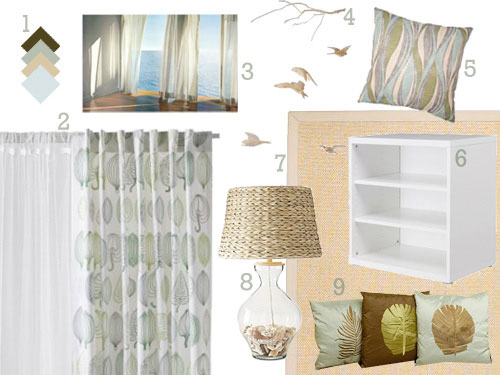
Impulse decor shopping is fun until your living room contains seven unrelated vases and no actual direction. Create a simple mood board before shopping so each purchase supports the room’s overall look.
Why Online Decorating Consultations Are So Helpful
Online decorating consultations are ideal for homeowners who want expert guidance without committing to a full-service interior design project. They work especially well for living rooms because these spaces often need layout help, furniture coordination, styling advice, and practical solutions for daily life.
A virtual design process also makes it easier to move at your own pace. You can implement recommendations over a weekend, a month, or a season. Chantel’s makeover did not require everything to happen overnight. The consultation gave her a clear direction, and the room evolved from there. That flexibility is one reason online interior design has become so popular with busy homeowners, renters, families, and anyone who has ever stood in a home store holding a pillow and whispering, “Who am I?”
Extra Experience: What This Makeover Taught Us About Real-Life Decorating
Chantel’s living room makeover reinforced one of the biggest truths about decorating: most rooms do not need more pressure; they need more clarity. People often assume a beautiful living room starts with a huge budget, designer furniture, or a dramatic before-and-after reveal involving slow-motion curtain installation. In reality, the best transformations usually begin with observation.
When working through an online decorating consultation, photos are incredibly revealing. A homeowner may be used to walking through the same room every day, stepping around the same chair, ignoring the same blank wall, and accepting the same awkward lamp placement. But a photo freezes the room and makes the problems easier to see. In Chantel’s case, the photos showed that the room was close. It was not broken. It was simply missing connection.
One experience that stood out was how much the rug changed the room’s personality. A larger rug did not just make the space look better; it made the seating area feel more confident. That is the funny thing about scale. When the scale is wrong, people may not immediately know why the room feels off. They just sense that something is floating, shrinking, or shouting. Once the proportions are corrected, the whole room exhales.
Another lesson was the importance of keeping some of what the homeowner already loves. A makeover should not erase a person’s taste. Chantel’s room became successful because the design plan worked with her preferences, not against them. Online decorating is not about forcing a single style onto every client. It is about listening carefully, identifying the strongest pieces, and building a room that feels more like the homeowner on their best, most organized day.
We also learned, yet again, that lighting deserves more respect. People will spend weeks choosing a pillow pattern but live for years with lighting that makes their living room feel like a storage unit. Once Chantel’s room had multiple light sources, it immediately felt warmer and more dimensional. Lamps are not just accessories. They are mood managers. They decide whether a room feels cozy, harsh, romantic, sleepy, or like someone is about to ask for your insurance card.
The final experience worth sharing is that finishing touches matter, but they should come last. Accessories are the jewelry of a room, not the skeleton. If the layout, rug, lighting, and color palette are not working, no amount of tiny objects will save the space. Once Chantel’s foundation was right, styling became fun instead of frustrating. A tray on the coffee table, a few books, a vase, a plant, and textured pillows suddenly had context.
For anyone considering an online decorating consultation, Chantel’s makeover is a reminder that help does not have to be dramatic to be valuable. Sometimes the best design advice is practical: move this, size that up, repeat this color, add a lamp, edit the shelf, hang the curtains higher, and please stop buying single pillows with no friends. Small decisions, when connected by a clear plan, can completely change how a living room looks and feels.
Conclusion
Chantel’s living room makeover proves that an online decorating consultation can turn a nearly-there room into a polished, personal, and comfortable space. The transformation did not depend on tearing everything out or starting over. It came from thoughtful design decisions: a stronger layout, a better rug, layered lighting, cohesive colors, meaningful art, useful storage, and textures that made the room feel warm and finished.
The best living rooms are not perfect. They are personal, practical, and welcoming. They invite people to sit down, relax, and stay awhile. Chantel’s room now does exactly thatwith style, softness, and just enough design confidence to make the old awkward layout a distant memory.
Note: This article is written as an original, web-ready piece based on widely accepted interior design principles, current online decorating consultation practices, and real living room makeover strategies.