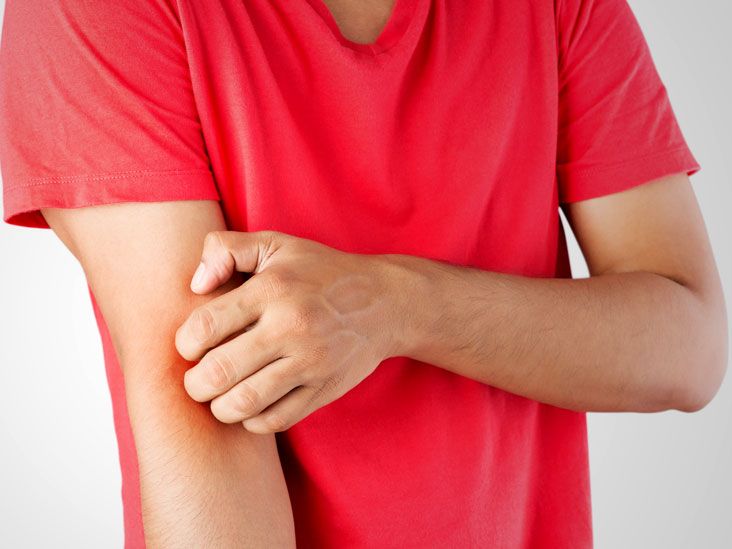
Skin infections can be tiny, stubborn, itchy, painful, dramatic, orbecause skin enjoys keeping us humbleall of the above. One infection may look like a harmless pimple, while another produces a rapidly expanding patch of swollen, tender skin. Some clear with an over-the-counter antifungal cream. Others need prescription medication, drainage, laboratory testing, or urgent hospital care.
The challenge is that many skin problems look remarkably similar in photographs. Ringworm can resemble eczema. Cellulitis may be mistaken for an allergic reaction. A bacterial boil can initially look like acne, and shingles may begin with pain before any blisters appear. Skin color also affects appearance: inflammation may look bright red on lighter skin but deep red, purple, gray, brown, or only subtly darker on deeper skin tones.
This guide explains the major types of skin infections, what they commonly look like in photos, what causes them, how doctors diagnose them, and which treatments may be used. It is educational rather than diagnostic; a photograph cannot reveal temperature, tenderness, depth, immune status, or how quickly a rash is spreading.
What Is a Skin Infection?
A skin infection occurs when disease-causing bacteria, viruses, fungi, or parasites enter or multiply on the skin. Some infections remain in the outer layer. Others travel into hair follicles, deeper skin tissue, fat, muscle, orrarelythe bloodstream.
Healthy skin is an impressive barrier, but it is not an armored vault. Germs may enter through cuts, cracked heels, shaving irritation, insect bites, burns, surgical wounds, eczema, athlete’s foot, pressure sores, or areas scratched until they break. Warmth, moisture, friction, shared personal items, close physical contact, diabetes, poor circulation, swelling, and a weakened immune system can increase the risk.
What Skin Infections Look Like in Photos
Although appearance alone cannot confirm a diagnosis, certain visual clues can point in a useful direction.
| Visual clue | Possible explanation | Important details |
|---|---|---|
| Honey-colored crusts | Impetigo | Often appears around the nose or mouth and spreads easily through contact. |
| Warm, swollen, expanding patch | Cellulitis | Usually tender and commonly affects one leg rather than both equally. |
| Pus-filled tender lump | Boil or abscess | May require professional drainage rather than squeezing at home. |
| Scaly ring with a raised edge | Ringworm | The center may look clearer, but not every case forms a perfect circle. |
| Grouped painful blisters | Herpes simplex or shingles | Location, distribution, recurrence, and associated pain help distinguish them. |
| Tiny bumps with intense nighttime itching | Scabies | Burrows may appear between fingers, around wrists, or in body folds. |
| Small smooth bumps with central dimples | Molluscum contagiosum | Common in children and sometimes clears without treatment. |
Look beyond color. Swelling, shine, scaling, crusting, drainage, blisters, defined borders, skin breakdown, and changes over time may be more informative than redness alone.
Bacterial Skin Infections
Bacterial infections are frequently caused by Staphylococcus or Streptococcus species. They range from superficial crusted sores to serious infections involving deep tissue.
Impetigo
Impetigo is a contagious infection seen most often in young children, although adults can develop it too. It commonly begins as reddish or darker spots, fragile blisters, or small sores. These rupture and leave yellow-gold crusts often described as honey-colored.
The faceespecially near the nose and mouthis a classic location, but sores can spread to the arms, legs, or other areas through fingers, towels, clothing, and close contact. Treatment may involve a prescription topical antibiotic for limited disease or an oral antibiotic when lesions are extensive. Washing hands, trimming fingernails, avoiding shared towels, and covering affected areas can reduce transmission.
Folliculitis, Boils, and Abscesses
Folliculitis affects hair follicles and may resemble a crop of pimples. Small bumps can be itchy, sore, crusted, or filled with pus. Sweat, shaving, friction, tight clothing, contaminated hot tubs, and occlusive skin products can contribute.
A boil is a deeper, painful infection involving a follicle and surrounding tissue. Several connected boils form a carbuncle. An abscess is a pocket of pus that may feel tender, firm at the edges, and softer in the center.
Warm compresses may help a small boil drain naturally, but squeezing or puncturing it can push infection deeper and spread bacteria. Larger abscesses often need incision and drainage by a healthcare professional. Antibiotics may also be prescribed when there is surrounding cellulitis, fever, multiple lesions, immune suppression, difficult facial locations, or concern about resistant bacteria.
MRSA Skin Infection
Methicillin-resistant Staphylococcus aureus, or MRSA, is resistant to several commonly used antibiotics. A community-associated MRSA infection may initially resemble a spider bite, painful pimple, boil, or swollen red bump. It may contain pus and feel unusually warm or tender.
Appearance cannot determine whether a lesion is MRSA. A clinician may collect drainage or swab a wound for culture and antibiotic-susceptibility testing. Because treatment depends on the organism and resistance pattern, leftover antibiotics from an old prescription are not a clever shortcut; they are more like inviting the bacteria to a strategy meeting.
Cellulitis
Cellulitis is an infection of deeper skin layers and underlying tissue. Typical signs include swelling, warmth, tenderness, pain, and an expanding area of discoloration. It often affects the lower leg and may appear mainly on one side. Fever, chills, fatigue, swollen lymph nodes, blisters, or red streaks may occur when infection is more advanced.
Cellulitis requires medical evaluation and is usually treated with prescription antibiotics. A clinician may outline the edge of the discoloration to track whether it is expanding. Rapid progression, severe pain, fever, facial or eye involvement, immune suppression, or worsening despite treatment requires prompt attention.
Viral Skin Infections
Antibiotics do not kill viruses. Viral skin infections may resolve with time, require antiviral medication, or persist until the immune system suppresses them.
Shingles
Shingles occurs when the varicella-zoster virusthe virus responsible for chickenpoxreactivates later in life. It often begins with burning, tingling, itching, or pain on one side of the body. A cluster or stripe of fluid-filled blisters usually follows along the path of a nerve.
The rash typically remains on either the left or right side rather than crossing the body’s midline. Antiviral treatment works best when started promptly, often within the first few days after the rash appears. Shingles near the eye, ear, or face needs urgent evaluation because it can threaten vision or cause neurological complications.
Herpes Simplex
Herpes simplex commonly causes grouped, painful blisters around the lips, mouth, genitals, or nearby skin. Some people notice tingling, burning, or itching before a visible outbreak. The blisters may break, form shallow sores, and crust during healing.
Antiviral medications can shorten outbreaks and may reduce future recurrences. Because herpes can resemble impetigo, shingles, contact dermatitis, or other blistering disorders, new or severe lesions should be professionally evaluatedparticularly during pregnancy, in newborns, or in people with weakened immune systems.
Warts and Molluscum Contagiosum
Warts are caused by certain types of human papillomavirus. They may be rough, flat, finger-like, or grow inward on the soles of the feet. Treatment options include salicylic acid, freezing, prescription medications, and office procedures, although some warts disappear as the immune system recognizes the virus.
Molluscum contagiosum produces small, smooth, dome-shaped bumps with a tiny central indentation. In healthy children, the bumps often resolve without treatment, but clearance may take many months. Treatment may be recommended for genital lesions, extensive disease, severe eczema, discomfort, immune suppression, or persistent spreading.
Fungal Skin Infections
Fungi thrive in warm, damp environments, which explains their enthusiastic interest in sweaty shoes, locker-room floors, groin folds, and areas beneath the breasts. Fungal infections are treated with antifungal medicationnot antibiotics.
Ringworm, Athlete’s Foot, and Jock Itch
Ringworm is not caused by a worm. The name refers to its frequent ring-shaped appearance. The rash may be itchy and scaly with a raised or more active outer border. On deeper skin tones, it may appear brown, purple, gray, or darker than surrounding skin rather than bright red.
Athlete’s foot can cause peeling, cracking, itching, burning, or soggy white skin between the toes. Jock itch typically affects the groin and inner thighs, often producing a scaly border that spreads outward.
Many limited infections improve with an over-the-counter antifungal applied exactly as directed. Treatment should continue for the recommended duration even if symptoms improve early. Ringworm of the scalp, beard, or nails commonly requires prescription oral medication because creams cannot adequately reach infected hair shafts or nail tissue.
Cutaneous Candidiasis
Candida yeast can overgrow in moist folds, including beneath the breasts, under abdominal skin, around the groin, or in the diaper area. The rash is often sore, itchy, and sharply inflamed, with smaller “satellite” spots beyond the main patch.
Keeping folds dry, reducing friction, changing damp clothing, and using an appropriate antifungal can help. Recurrent infections may prompt evaluation for diabetes, medication effects, immune problems, or another condition that is being mistaken for yeast.
Parasitic Skin Infestations
Scabies
Scabies is caused by microscopic mites that burrow into the upper layer of skin. The hallmark is intense itching, often worse at night. Small bumps, scratch marks, crusts, or thin wavy burrows may appear between the fingers, around the wrists, at the waist, under the arms, near the genitals, or on the buttocks.
Treatment generally requires a prescription cream or oral medicine. Close household and sexual contacts may need coordinated treatment even if they are not yet itchy. Recently used clothing, towels, and bedding should be handled according to medical instructions. Itching can continue for several weeks after successful treatment, so persistent itch alone does not always mean the mites survived.
How Doctors Diagnose Skin Infections
Diagnosis begins with the story: when the problem started, whether it itches or hurts, how fast it is changing, recent travel, animal contact, sports participation, shared equipment, new medications, shaving, injuries, diabetes, circulation problems, and immune status.
The clinician then examines the distribution, border, depth, warmth, tenderness, drainage, blisters, crusts, and surrounding tissue. When the cause is unclear, testing may include:
- A swab or culture of fluid, pus, or an open sore
- A skin scraping examined for fungal elements or mites
- A nail or hair sample
- A viral swab from a fresh blister
- Blood tests when systemic infection is suspected
- Ultrasound to distinguish cellulitis from a hidden abscess
- A biopsy for unusual, persistent, or treatment-resistant lesions
Skin Infection Treatments
The correct treatment depends on the organism, location, severity, depth, and patient’s overall health.
- Bacterial infections: Topical or oral antibiotics may be used. Abscesses frequently require drainage.
- Viral infections: Some resolve naturally, while herpes and shingles may be treated with antivirals.
- Fungal infections: Topical antifungals treat many surface infections; scalp, nail, widespread, or resistant disease may need oral medication.
- Parasitic infestations: Prescription creams or oral drugs may be required, along with treatment of close contacts and environmental cleaning.
Avoid applying corticosteroid cream to an undiagnosed rash unless a clinician recommends it. Steroids can temporarily reduce redness while allowing certain fungal, bacterial, or parasitic infections to spread or change appearance.
When a Skin Infection Is an Emergency
Seek urgent medical care for rapidly spreading swelling or discoloration, severe pain, pain that seems much worse than the visible rash, black or dusky skin, large blisters, confusion, fainting, fast breathing, high fever, persistent vomiting, or red streaks moving away from the affected area.
Prompt evaluation is also important when infection involves the eye, face, hands, genitals, a surgical wound, a bite, or a joint. Infants, pregnant patients, people receiving chemotherapy, transplant recipients, and anyone with uncontrolled diabetes or significant immune suppression should contact a healthcare professional early.
How to Prevent Common Skin Infections
- Wash hands regularly and clean cuts promptly with soap and water.
- Keep wounds covered with clean, dry dressings.
- Do not share razors, towels, clothing, makeup, athletic gear, or nail tools.
- Wear sandals in shared showers and locker rooms.
- Shower after contact sports and clean shared equipment.
- Change sweaty socks and clothing instead of letting moisture settle in for a long vacation.
- Treat athlete’s foot, eczema, and cracked skin to restore the protective barrier.
- Avoid picking, squeezing, or shaving over infected areas.
- Take prescription medication for the full recommended course.
Experiences and Practical Lessons From Common Skin Infections
The following examples are educational composite scenarios, not identifiable patient testimonials. They illustrate why timing, accurate diagnosis, and following treatment instructions matter.
The “Spider Bite” That Was Not a Spider Bite
A recreational athlete notices a painful bump on his thigh after a weekend tournament. Because he slept in a cabin, he assumes a spider bit him. By the next morning, the lump is larger, warmer, and filled with pus. He tries to squeeze it, which increases the pain and surrounding swelling.
An urgent-care clinician identifies an abscess, drains it safely, and sends a sample for culture. The result shows a staph infection requiring an antibiotic selected for that organism. The practical lesson is simple: people frequently blame spiders for unexplained bumps, while infected follicles and abscesses are much more common. Rapid enlargement, pus, warmth, and significant tenderness deserve medical attention.
The Ring-Shaped Rash Treated Like Eczema
A parent notices a scaly patch on a child’s arm and applies a leftover steroid cream. The center becomes less red, but the border continues expanding. After several days, two new spots appear. A clinician performs a skin scraping and confirms ringworm.
The steroid reduced inflammation without eliminating the fungus, making the rash less typical and more difficult to recognize. After appropriate antifungal treatmentand laundering shared beddingthe rash gradually clears. This experience highlights why “it is round, so it must be eczema” is not a diagnosis. Expanding scale at the outer edge, exposure to infected pets, and spread among household members are useful clues.
The Cellulitis That Looked Like Ordinary Swelling
An older adult with chronic leg swelling notices that one lower leg is warmer and more painful than usual. The discoloration is subtle against deeper skin tone, so the family initially focuses only on the swelling. Several hours later, the affected area has expanded and the person develops chills.
Medical evaluation confirms cellulitis, likely entering through cracked skin between the toes. Antibiotic treatment is started, and the clinician also recommends treating the athlete’s foot that created an entry point for bacteria. The lesson is that warmth, tenderness, asymmetry, and rapid change can be more important than vivid redness. Treating the infection without correcting damaged skin may invite a repeat performance nobody requested.
The Household Itch That Kept Returning
One family member develops intense nighttime itching and small bumps around the wrists. An anti-itch lotion offers temporary relief, but soon two other people are scratching. Only the first person receives treatment, and symptoms appear to return several weeks later.
A clinician diagnoses scabies and explains that close contacts must be treated at the same time. The family follows instructions for medication, clothing, towels, and bedding. Itching continues briefly after treatment, but no new burrows appear and symptoms slowly fade.
This scenario demonstrates two common frustrations: treating only the person with obvious symptoms can allow reinfestation, and post-treatment itching can create unnecessary panic. Coordinated treatment and patience are both part of the plan.
The Painful Rash That Arrived Before the Blisters
A middle-aged adult develops burning pain along one side of the ribs. At first, there is no visible rash, so the discomfort is blamed on a strained muscle. Two days later, grouped blisters appear in a narrow band on the same side.
The pattern leads to a shingles diagnosis, and antiviral treatment is started promptly. The experience shows why the timeline matters: pain, tingling, or sensitivity can precede visible skin changes. A one-sided band of blisters, particularly in an older adult, should not be treated as an ordinary heat rash. Involvement near the eye or ear requires especially urgent care.
Conclusion
Skin infections are not one disease but a large family of conditions caused by bacteria, viruses, fungi, and parasites. Photos can offer clueshoney-colored crusts suggest impetigo, a spreading warm patch may indicate cellulitis, and an itchy scaly ring can point toward a fungal infectionbut appearance is only one piece of the diagnostic puzzle.
The safest approach is to watch how quickly the problem changes, notice pain, warmth, drainage, fever, and swelling, and seek medical care when symptoms are severe, spreading, recurrent, or unclear. Matching the treatment to the cause matters: antibiotics cannot cure viruses or fungi, antifungals cannot drain an abscess, and wishful thinking remains disappointingly ineffective against scabies.