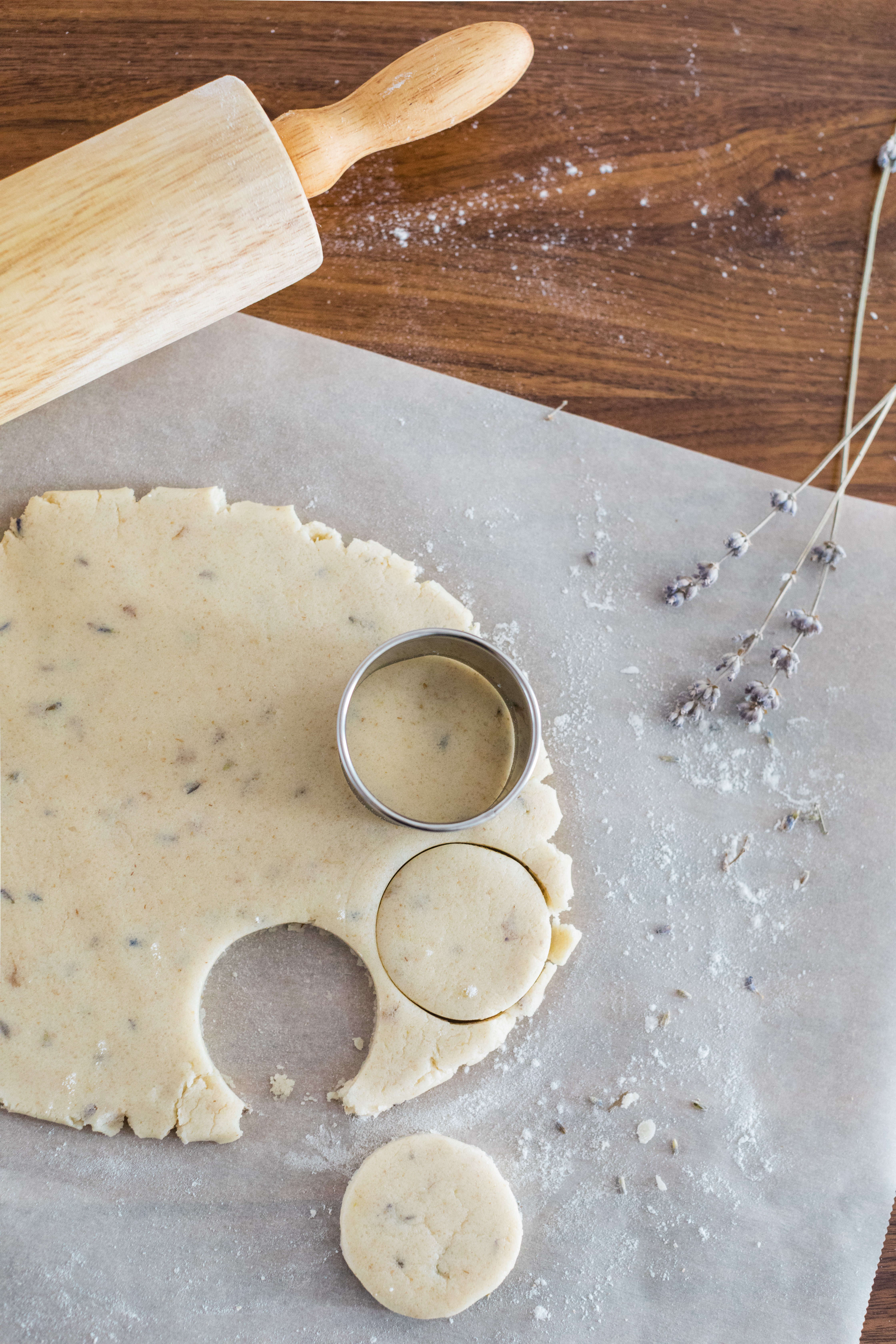
Some cookies walk into a room quietly. Lemon lavender shortbread cookies enter like they own a tiny cottage in Provence, carry a linen napkin, and somehow smell like sunshine paid rent there. But do not be fooled by their delicate personality. These buttery little cookies are serious about texture, flavor, and oven behavior. When baked well, they are crisp at the edge, tender in the center, lightly floral, bright with lemon, and just rich enough to make tea feel underdressed.
This guide focuses on Baking with Bosch: Lemon Lavender Shortbread Cookies, especially for home bakers using a Bosch mixer, Bosch convection oven, or any well-calibrated kitchen setup. The beauty of shortbread is its simplicity: butter, sugar, flour, salt, and flavor. The danger of shortbread is also its simplicity. With so few ingredients, every detail matters. Butter temperature matters. Flour measurement matters. Lavender restraint matters. The oven matters. And yes, the cookie sheet matters too, because shortbread has opinions.
Below, you will find an in-depth, practical guide to making lemon lavender shortbread cookies that taste elegant without becoming fussy. Think of it as a bakery-style cookie with a home-kitchen soul: easy enough for a weekend batch, pretty enough for gifting, and refined enough to make people ask, “Did you buy these?” which is baker code for “mission accomplished.”
Why Lemon Lavender Shortbread Cookies Work So Well
Shortbread is one of the best cookie styles for showcasing subtle flavors. Unlike chewy cookies loaded with chocolate chunks or oatmeal, shortbread has a clean, buttery base. That makes it the perfect stage for lemon zest and culinary lavender. Lemon brings brightness, lavender adds a soft herbal-floral note, and butter ties everything together like the friend who remembers everyone’s birthday.
The key is balance. Too little lavender and the cookie simply tastes like lemon shortbread. Too much lavender and suddenly dessert feels like you licked a candle at a spa. The goal is a whisper, not a perfume counter. Culinary lavender should taste gentle, fragrant, and slightly earthy. Lemon zest should lift the flavor without turning the cookie sour. A small amount of vanilla can smooth the edges, while salt keeps the cookie from tasting flat.
The Bosch Advantage: Mixing and Baking with More Control
When people talk about Baking with Bosch, they usually mean two things: powerful mixing and dependable baking. A Bosch stand mixer can handle firm doughs without dramatic countertop gymnastics, which is helpful for shortbread because the dough becomes dense once the flour is added. The goal is not to whip the dough into a fluffy cloud. Shortbread needs gentle, efficient mixing so the butter blends evenly without developing too much gluten.
A Bosch convection oven can also be helpful for cookies because circulating hot air encourages even baking and consistent browning. For lemon lavender shortbread cookies, that means the edges can set cleanly while the centers remain tender. If your Bosch oven has Auto Convection Conversion, it may adjust the temperature automatically. If not, a common rule is to reduce the oven temperature by about 25°F when using convection.
Best Bosch Settings for Shortbread Cookies
For a standard oven, bake these cookies at 350°F. For convection baking, use about 325°F unless your oven automatically adjusts. Use a low-sided cookie sheet so the circulating air can move freely around the cookies. Line the pan with parchment paper for easy release and even bottoms. If your parchment likes to flap around in the fan breeze, anchor the corners with small oven-safe weights or use a silicone baking mat.
Even with a good oven, keep an eye on the first batch. Shortbread does not need deep browning. The cookies are done when the edges look lightly golden and the tops appear set. If they look bronzed like they just returned from a beach vacation, they went too far.
Ingredients for Lemon Lavender Shortbread Cookies
Great shortbread starts with good ingredients. This is not the time for mystery butter hiding in the back of the fridge next to last month’s takeout sauce. Since butter is the main flavor, choose a fresh, high-quality unsalted butter. Unsalted butter gives you better control over the final taste.
Recommended Ingredients
- 1 cup unsalted butter, softened but cool
- 2/3 cup powdered sugar
- 2 cups all-purpose flour
- 1 tablespoon fresh lemon zest
- 1 to 1 1/2 teaspoons culinary lavender, finely crushed
- 1 teaspoon vanilla extract
- 1/2 teaspoon fine salt
- Optional: 1 teaspoon lemon juice for a sharper citrus note
- Optional: sparkling sugar for finishing
Powdered sugar gives shortbread a more delicate texture than granulated sugar because it blends smoothly into the butter. The result is a cookie that feels tender and almost sandy in the best possible way. All-purpose flour provides structure. Lemon zest brings essential oils from the peel, which gives the cookie a strong citrus aroma without adding too much liquid. Lavender should always be food-grade culinary lavender, not decorative lavender meant for crafts.
How to Make Lemon Lavender Shortbread Cookies
This recipe is simple, but the method matters. Shortbread dough should be handled gently. Overmixing can make the cookies tough. Under-chilling can make them spread. Overbaking can turn elegant cookies into fancy crackers. Let’s keep the drama on streaming TV, not on the baking sheet.
Step 1: Prepare the Lavender Sugar Base
For the best flavor, rub the lemon zest and crushed lavender into the powdered sugar with your fingertips before mixing. This releases the lemon oils and helps distribute the lavender evenly. It also smells incredible, like a sunny garden decided to become dessert.
Step 2: Cream the Butter Gently
Add the softened butter to your Bosch mixer bowl. Beat on low to medium-low speed until smooth. Add the lemon-lavender sugar mixture, vanilla extract, and salt. Mix until combined and creamy, but do not beat until fluffy. Shortbread should be tender and dense, not aerated like cake batter.
Step 3: Add the Flour Slowly
Add the flour gradually on low speed. Stop as soon as the dough begins to come together. It may look crumbly at first, then suddenly gather into a soft dough. That is your cue to stop. The dough does not need a motivational speech or five extra minutes of mixing. It needs rest.
Step 4: Shape and Chill
Turn the dough onto a lightly floured surface and shape it into a disk, rectangle, or log, depending on your preferred cookie style. For slice-and-bake cookies, form a log about 2 inches wide. For cut-out cookies, flatten the dough into a disk. Wrap tightly and chill for at least 1 hour. Chilling firms the butter, hydrates the flour, and helps the cookies hold their shape.
Step 5: Slice or Cut
If using a log, slice cookies about 1/4 to 1/3 inch thick. If rolling the dough, roll it to an even thickness and cut into rounds, squares, hearts, flowers, or whatever shape makes your cookie-loving heart behave irresponsibly. Place cookies on a parchment-lined baking sheet, leaving about 1 inch of space between them.
Step 6: Chill Again Before Baking
For sharper edges, chill the shaped cookies on the tray for 15 to 20 minutes before baking. This second chill is especially helpful for cut-out cookies. It keeps the butter cold long enough for the structure to set in the oven.
Step 7: Bake Until Just Golden
Bake at 350°F in a conventional oven or about 325°F in a convection oven. Start checking around 10 minutes for smaller cookies and 12 to 15 minutes for thicker ones. The cookies should be pale on top with lightly golden edges. Let them cool on the pan for 5 minutes before transferring to a wire rack.
Flavor Tips: How to Keep Lavender Elegant, Not Overwhelming
Lavender is powerful. It may look tiny and harmless, but it can take over a cookie faster than a toddler with a sticker book. Start with 1 teaspoon of finely crushed culinary lavender for a standard batch. If you love floral desserts, increase to 1 1/2 teaspoons. Avoid lavender essential oil unless it is specifically labeled safe for food use, and even then, use extreme caution because extracts and oils vary in intensity.
Lemon zest is more forgiving. One tablespoon adds a bright, clean flavor. For more lemon personality, add a small amount of lemon juice or a lemon glaze. However, too much juice can affect the dough texture because shortbread contains very little liquid. Zest is the safer way to build citrus flavor.
Optional Lemon Glaze
A light glaze can turn these cookies into a gift-box masterpiece. Mix 1 cup powdered sugar with 1 to 2 tablespoons fresh lemon juice until smooth. Dip cooled cookies halfway into the glaze or drizzle lightly over the tops. Sprinkle with a few lavender buds or extra lemon zest before the glaze sets.
The glaze adds sweetness and a sharper lemon finish, but it is optional. Plain lemon lavender shortbread cookies are more classic and buttery. Glazed cookies are brighter, prettier, and more likely to disappear first at parties. Choose your adventure wisely.
Common Mistakes and How to Fix Them
The Cookies Spread Too Much
The butter was probably too warm, or the dough was not chilled long enough. Chill the dough before shaping and chill again before baking. Also make sure the baking sheet is cool before adding the next batch.
The Cookies Taste Soapy
Too much lavender is the usual suspect. Use culinary lavender and crush it finely. Start with a smaller amount and build from there in future batches.
The Texture Is Tough
The dough may have been overmixed after adding flour. Mix only until the flour disappears and the dough begins to come together.
The Lemon Flavor Is Weak
Use fresh lemon zest, not just lemon juice. Rub the zest into the sugar before mixing to release the oils. A small amount of lemon extract can also help, but use it sparingly.
Serving Ideas for Lemon Lavender Shortbread Cookies
These cookies pair beautifully with Earl Grey tea, chamomile tea, iced black tea, coffee, lemonade, or even a simple glass of cold milk. They are excellent for spring brunches, Mother’s Day, bridal showers, baby showers, afternoon tea, holiday cookie boxes, or quiet “I deserve a cookie because I answered emails” moments.
For gifting, stack the cookies in a small bakery box lined with parchment. Add a ribbon and a handwritten tag. If glazed, let the cookies dry completely before packaging. If unglazed, they stay crisp longer and travel better.
Storage and Make-Ahead Tips
Store baked cookies in an airtight container at room temperature for up to 5 days. For longer storage, freeze unglazed cookies in a sealed container for up to 2 months. The dough can also be frozen as a log. When ready to bake, thaw slightly until sliceable, then bake as usual.
If making cookies for an event, prepare the dough one or two days ahead and keep it refrigerated. This improves flavor and makes baking day feel much more civilized. Future you will be grateful. Future you may even write present you a thank-you card.
Experience Notes: What Baking Lemon Lavender Shortbread with Bosch Feels Like
Baking lemon lavender shortbread cookies with a Bosch setup feels like giving a simple recipe a better stage. The dough itself is humble. It does not bubble, rise dramatically, or perform any theatrical pastry tricks. But the process is deeply satisfying because every small step creates a visible improvement. The butter smooths out cleanly. The lemon zest perfumes the sugar. The lavender, when crushed between your fingers, releases a calm floral aroma that makes the kitchen feel quieter, even if there are dishes in the sink pretending not to exist.
One of the best parts of using a Bosch mixer for this kind of cookie is how quickly the dough comes together. Shortbread dough can be stubborn in smaller mixers because it becomes thick near the end. With a strong mixer, the flour incorporates evenly without requiring aggressive scraping every seven seconds. That said, the machine’s power means you still need restraint. Low speed is your friend. Shortbread does not want to be beaten into submission. It wants to be persuaded.
The first batch teaches you the most. When the cookies go into a Bosch convection oven, the heat feels steady and efficient. The edges begin to set before the tops take on much color. That is exactly what you want. The cookies should not brown like chocolate chip cookies. They should remain pale, refined, and just golden enough around the edges to signal that the butter and flour have done their quiet little handshake.
The aroma is the real reward. Around the halfway point, the kitchen starts smelling like buttered lemon peel with a soft garden note behind it. It is not loud. It is not candy-like. It is the kind of fragrance that makes someone wander in and ask, “What are you making?” even though they fully intend to stand there until samples appear.
Texture is where the recipe proves itself. A good lemon lavender shortbread cookie should snap gently, then melt into a tender crumb. It should not be greasy, hard, or powdery. The lemon should arrive first, bright and clean. The lavender should follow quietly. The butter should stay present from beginning to end. When the balance is right, the cookie tastes elegant but still familiar, like classic shortbread dressed up for brunch.
These cookies also teach patience. Chilling the dough may feel like an unnecessary delay, especially when the kitchen already smells promising. But the chill time gives the cookies cleaner edges and a better bite. The second chill after shaping is especially useful if you are making cut-outs. It is the difference between neat cookies and cookies that look like they tried yoga and got stuck.
The most memorable experience is serving them. People often expect floral cookies to be too strong, but lemon lavender shortbread surprises them. The flavor is gentle, bright, and buttery. It feels homemade in the best way, but polished enough for a bakery window. That is the charm of Baking with Bosch: the appliance helps with consistency, but the personality still comes from your hands, your ingredients, and your decision not to dump in the entire jar of lavender.
Conclusion
Baking with Bosch: Lemon Lavender Shortbread Cookies is a perfect example of how simple ingredients can become something memorable with the right technique. Butter creates richness, powdered sugar gives tenderness, lemon zest adds brightness, and culinary lavender brings a graceful floral finish. A Bosch mixer helps bring the dough together smoothly, while a Bosch convection oven can support even baking and crisp edges when used with the proper temperature adjustment.
The secret is not complexity. It is control. Use cool softened butter, measure flour carefully, mix gently, chill the dough, and bake only until the edges are lightly golden. Do that, and you will have cookies that taste delicate, buttery, fragrant, and beautifully balanced. In other words, cookies that behave like they came from a boutique bakery, even if you made them while wearing fuzzy socks.