African black soap has the résumé of a beauty multitasker: facial cleanser, body wash, scalp cleanser, makeup remover, and occasional exfoliator. It is also surrounded by enough enthusiastic claims to make it sound as though one lumpy brown bar can clean your pores, reorganize your bathroom, and answer emails before breakfast.
The reality is more usefuland less magical. Authentic African black soap can be an effective plant-based cleanser, but its strength and ingredients vary. Some people find that it leaves their skin comfortably clean, while others experience tightness, dryness, itching, or irritation. The secret is not using more soap. It is choosing a suitable formula, creating a gentle lather, starting slowly, and paying attention to what your skin and scalp are telling you.
What Is African Black Soap?
African black soap is a traditional cleanser associated primarily with West Africa. It is also known by regional names such as ose dudu, alata samina, and anago samina. Traditional production methods commonly combine the alkaline ash of agricultural materialssuch as plantain peels, cocoa pods, palm leaves, or shea tree barkwith vegetable fats or oils such as palm kernel oil, coconut oil, cocoa butter, or shea butter. The mixture is cooked, stirred, formed into soap, and allowed to cure.
There is no single universal recipe. One bar may contain mostly plantain ash and palm kernel oil, while another may include shea butter, cocoa shell powder, aloe, honey, oatmeal, fragrance, essential oils, or acne-fighting ingredients. Commercial products labeled “African black soap” may differ considerably from traditionally made soap, so the ingredient list matters more than the dramatic lettering on the package.
Why Is It Brown Instead of Jet Black?
Authentic black soap is often dark brown, gray-brown, or mottled rather than uniformly black. It may have an uneven surface and a soft, crumbly texture because of its handmade production process. A perfectly smooth, coal-black bar is not automatically bad, but its color may come from added pigments or other ingredients rather than traditional plant ash.
Potential Benefits for Skin and Hair
Effective Cleansing
Soap molecules help water combine with skin oils, sweat, dirt, and product residue so they can be rinsed away. African black soap can therefore work well as a face, hand, and body cleanser. Its oils may also help loosen certain types of makeup, although waterproof cosmetics may still require a dedicated makeup remover.
Light Surface Exfoliation
Traditional black soap can have a slightly grainy texture because of its plant-derived ash and minimally processed ingredients. This may provide mild surface exfoliation, but rubbing the raw bar directly on the face can turn “mild” into “why is my cheek angry?” very quickly. The safer method is to create a smooth lather in your hands before touching your skin.
Possible Antimicrobial Activity
Laboratory research and dermatology reviews suggest that some black soap formulations have antimicrobial properties. However, formulas vary, and laboratory activity does not prove that every bar will treat acne, fungal infections, or inflammatory skin disease. Black soap should be considered a cleansernot a replacement for benzoyl peroxide, prescription acne treatment, antifungal shampoo, or medication recommended by a healthcare professional.
Help With Oil and Product Buildup
People with oily skin or a scalp coated with styling residue may appreciate the thorough cleansing effect. On the other hand, a cleanser that removes oil efficiently can also remove more oil than dry or sensitive skin can comfortably spare. Tightness after washing is not proof that the soap “worked extra hard.” It is often a sign that the skin barrier needs a gentler routine.
What the Evidence Does Not Yet Prove
A survey of 100 black soap users found high self-reported satisfaction, particularly for general skin care, dark spots, acne, and razor bumps. But the study was observational, included only existing users, and did not compare black soap with a placebo or standard treatment. Researchers specifically noted that more investigation is needed. In other words, positive experiences are worth hearing, but they are not the same as clinical proof.
How to Choose African Black Soap
Begin by reading the full ingredient list. A short, recognizable list may include plantain or cocoa pod derivatives, palm or palm kernel oil, coconut oil, cocoa butter, and shea butter. Added ingredients are not automatically harmful, but each addition creates another variable your skin must tolerate.
- For dry skin: Look for shea butter, cocoa butter, glycerin, or another moisturizing component.
- For sensitive skin: Favor fragrance-free products without peppermint, citrus oils, strong perfume, or multiple botanical extracts.
- For acne-prone skin: Choose a simple formula and introduce it separately from new acne treatments.
- For hair: A liquid or easily diluted version is usually easier to distribute than a rough chunk of raw soap.
Do not rely too heavily on the word “hypoallergenic.” The U.S. Food and Drug Administration notes that there is no federal standard defining that marketing term for cosmetics. A product can carry the label and still irritate an individual user.
Patch-Test It Before Regular Use
Patch testing is especially important when the soap contains fragrance, essential oils, sulfur, cocoa-derived ingredients, or unfamiliar botanicals. The American Academy of Dermatology recommends testing a new skin product on a small area twice daily for seven to ten days. For a rinse-off cleanser, leave the lather on the test area for approximately the amount of time you expect to use it, then rinse.
- Choose a quarter-sized area on the inner arm or bend of the elbow.
- Create a small amount of lather rather than rubbing the bar directly on the skin.
- Apply, wait about 30 to 60 seconds, and rinse thoroughly.
- Repeat daily while watching for itching, swelling, rash, burning, or persistent redness.
- Stop immediately if a reaction develops.
A home test cannot rule out every possible allergy. Persistent or severe reactions may require medical evaluation and professional patch testing. Cosmetic allergens can cause redness, itching, swelling, hives, or dermatitis, and repeated exposure may sometimes worsen sensitivity.
How to Use African Black Soap on Your Face
- Wet your face with lukewarm water. Hot water can remove natural oils and increase dryness.
- Break off a tiny piece. A pea-sized amount is usually plenty when working with soft, traditional soap.
- Create lather in your hands. Rub the soap between wet palms until the foam feels smooth and no rough particles remain.
- Massage gently. Use your fingertips for 20 to 30 seconds. Avoid scrubbing brushes, rough washcloths, and aggressive circular polishing.
- Rinse completely. Residue can contribute to irritation.
- Pat dry and moisturize. Apply a fragrance-free moisturizer while the skin is still slightly damp.
Start with two or three uses per week, preferably in the evening. If your skin remains comfortable for two weeks, you can increase the frequency gradually. Daily use is not a required achievement badge. Some people get better results by alternating black soap with a mild, nonsoap cleanser. Dermatologists generally recommend lukewarm water, gentle cleansing, and prompt moisturizing to reduce moisture loss.
Can You Leave It on Like a Face Mask?
Leaving cleanser on the face for several minutes usually increases exposure without adding a proven benefit. Rinse it off after a brief massage unless the manufacturer provides different tested instructions. If your skin begins to sting, do not wait for the soap to “finish working.” Your face is not a cast-iron skillet that needs seasoning.
How to Use African Black Soap on Your Body
For body cleansing, place a small piece in a wet washcloth or soap pouch and work it into a rich lather. Apply the foam rather than scraping the bar across your skin. Concentrate on areas that accumulate sweat, sunscreen, or body-product residue, and avoid repeatedly scrubbing dry areas.
Rinse thoroughly, pat the body dry, and apply a cream or ointment within a few minutes. This is particularly important in cold weather, in air-conditioned environments, or whenever your skin looks dull, flaky, or “ashy.” Moisturizers containing both water-attracting humectants and water-sealing ingredients can compensate for some of the lipids lost during cleansing.
How to Use African Black Soap for Hair and Scalp Cleansing
Although black soap can be used on hair, it is best treated as an occasional clarifying cleanser rather than an automatic replacement for a properly formulated shampoo. Coily, curly, color-treated, bleached, relaxed, or naturally dry hair may become rough or tangled if cleansed too aggressively.
Method 1: Create a Fresh Liquid Dilution
- Break off a small piece of soap and place it in a clean cup.
- Add warm water and allow the soap to soften.
- Stir until the mixture becomes thin enough to spread easily.
- Use the mixture promptly rather than storing a homemade water-based solution for weeks.
Method 2: Lather It Between Your Hands
Wet your hands and the soap, build a smooth foam, and transfer only the lather to your scalp. Product labels for some commercial black soap preparations similarly instruct users to lather the soap first, massage it gently onto the hair or skin, and rinse thoroughly.
Apply Mainly to the Scalp
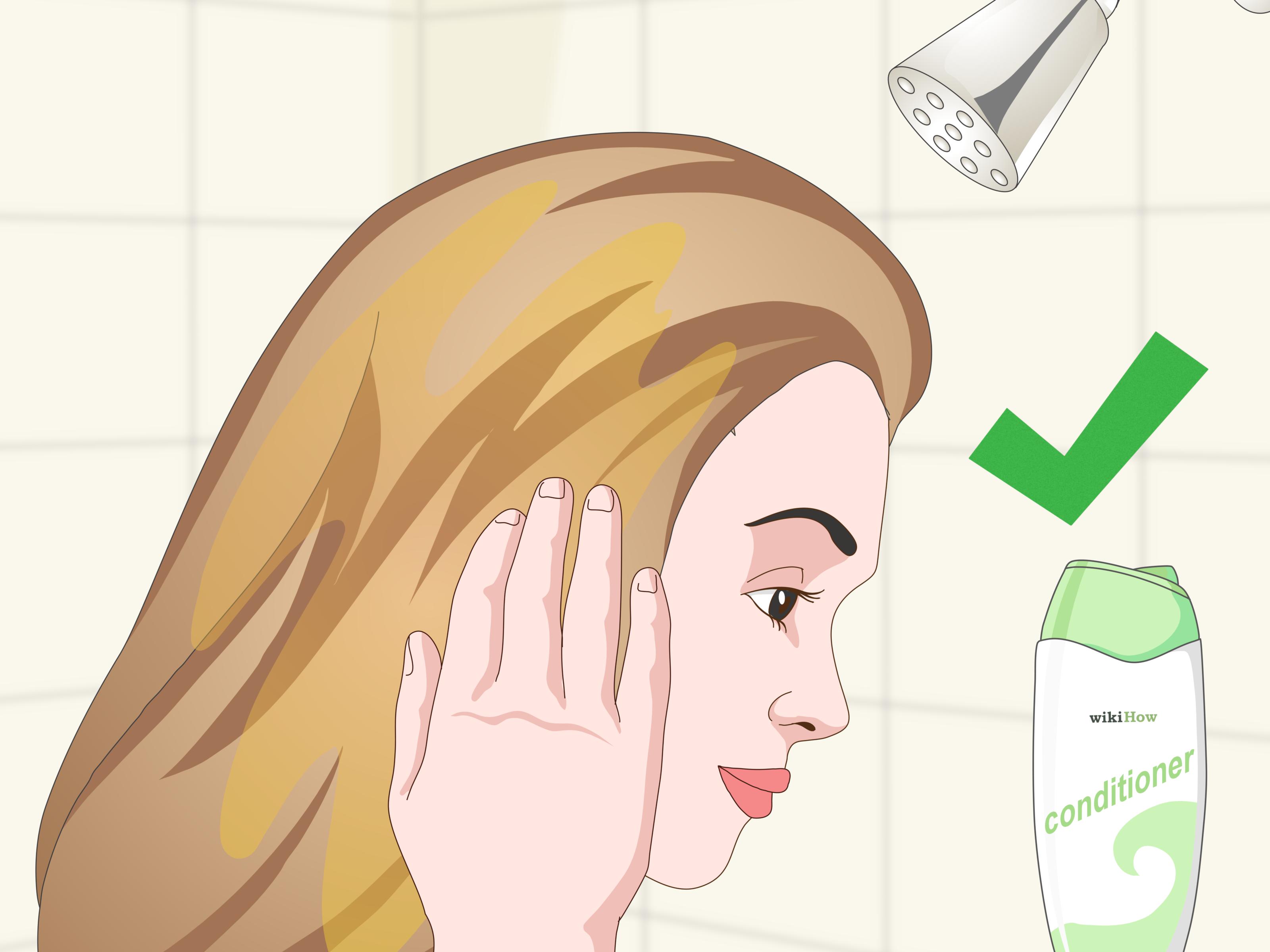
Separate the hair into sections and massage the lather onto the scalp with the pads of your fingers. Do not pile the hair on top of the head or scrub the lengths together. Allow the rinse water to carry the cleanser through the ends. Follow with a moisturizing conditioner, focusing especially on the mid-lengths and ends.
Start once every two to four weeks if you are using the soap to remove heavy buildup. People with an oily scalp may tolerate it more often, while dry, curly, or coily hair may need less frequent clarification. If flakes or itching persist, use a proven dandruff shampoo containing an appropriate active ingredient rather than assuming stronger black soap will solve the problem. The American Academy of Dermatology recommends matching shampoo frequency to hair type and notes that medicated dandruff products can dry curly or coily hair.
Ingredients and Products to Avoid Combining With It
Because African black soap may already be cleansing and mildly exfoliating, avoid introducing it on the same night as several strong active products. Potentially irritating combinations include:
- High-strength glycolic, lactic, or salicylic acid treatments
- Retinoids when your skin is still adjusting to them
- Benzoyl peroxide washes used in the same cleansing step
- Physical scrubs, cleansing brushes, or exfoliating gloves
- Alcohol-heavy toners and heavily fragranced aftercare products
This does not mean these ingredients can never exist in the same routine. It means you should introduce one change at a time, separate potentially irritating steps, and reduce frequency if dryness develops. Combining every exfoliant in the cabinet does not create “advanced skin care.” It creates a very expensive route to a damaged barrier.
Who Should Be Especially Careful?
People with eczema, rosacea, an actively inflamed scalp, open cuts, sunburn, or a known fragrance allergy should speak with a dermatologist before using a strong or unfamiliar soap. Eczema care generally emphasizes warm rather than hot water, fragrance-free nonsoap cleansers, short washing times, and immediate moisturizing because harsh soaps may remove too much natural oil.
Stop using the product if you experience persistent burning, swelling, hives, worsening flakes, cracked skin, or a spreading rash. Avoid contact with the eyes, and do not use the soap on broken skin. Seek medical care for severe swelling, breathing difficulty, extensive blistering, signs of infection, or a reaction that does not improve after the product is discontinued.
Common Mistakes to Avoid
- Using the raw bar directly on the face: Rough particles and friction can irritate delicate skin.
- Starting twice a day: Begin a few times per week and increase only when your skin remains comfortable.
- Skipping moisturizer: Cleansing without restoring moisture can leave skin tight and flaky.
- Assuming tingling means success: Persistent stinging is an irritation warning, not applause from your pores.
- Treating every flake as dandruff: Scalp psoriasis, eczema, product reactions, and dry skin can look similar.
- Believing it permanently removes dark spots: Gentle exfoliation may improve surface brightness, but established hyperpigmentation often requires sun protection and targeted treatment.
- Changing the entire routine at once: When five new products cause a reaction, identifying the culprit becomes a bathroom detective novel.
Practical Experiences and Lessons From Realistic Use
The following examples reflect common patterns people report when introducing a strong traditional cleanser. They are illustrative experiences rather than clinical case studies, and individual results can differ.
Experience 1: The “Squeaky Clean” Trap
A first-time user with combination skin washes with black soap every morning and evening because the face feels unusually clean afterward. During the first few days, the oily T-zone looks less shiny. By the end of the week, however, the cheeks feel tight and makeup begins catching on dry patches. The user assumes the dryness is a temporary “purge” and continues.
The more practical response is to reduce use to two evenings per week, switch to a mild cleanser on other days, and apply moisturizer immediately after rinsing. Within another week, the skin feels more balanced. The lesson is simple: a tight finish is not necessarily a desirable finish. Comfortable skin should feel clean but flexible, not shrink-wrapped.
Experience 2: The Raw-Bar Scrub
Another user rubs a textured piece directly over the nose and chin, hoping to polish away clogged pores. The treatment feels satisfyingly industriousrather like sanding a tiny tablebut the skin becomes red and tender. Small bumps appear a few days later.
The improved method is to dissolve a small piece between wet hands and apply only the smooth foam. The user also pauses exfoliating acids until the irritation settles. What looked like “more acne” may have been an irritated barrier reacting to friction and overlapping exfoliation.
Experience 3: The Successful Body-Wash Routine
A person who wears water-resistant sunscreen and works in a humid environment uses diluted black soap on the chest, back, underarms, and feet three times per week. Instead of scrubbing the entire body, the user focuses on sweat-prone areas, rinses well, and applies a fragrance-free body cream while the skin is damp.
This routine feels effective because the soap is assigned a specific job: removing sweat and product buildup. It is not asked to exfoliate, medicate, moisturize, and perform an emotional support role all at once. During colder weather, the user reduces the frequency because the arms and legs become drier.
Experience 4: Clarifying Coily Hair
A user with coily hair and several layers of styling cream notices that the usual shampoo is no longer producing much lather. A thin, freshly prepared black soap dilution is applied only to the scalp in sections. The scalp feels cleaner, but the hair lengths feel rough after rinsing.
At the next wash, the user protects the lengths with conditioner before cleansing, keeps the soap mainly on the scalp, and follows with a rich rinse-out conditioner. Black soap is then used only once a month. The result is better because clarification is occasional and followed by conditioning rather than repeated whenever the hair feels imperfect.
Experience 5: When Stopping Is the Best Technique
A user with a history of eczema chooses a scented black soap containing several essential oils. Even after patch testing, repeated facial use causes itching around the mouth and eyelids. Instead of experimenting with longer rinsing, extra oils, or another social-media recipe, the user stops the product and returns to a fragrance-free nonsoap cleanser.
This is not a failure. Skin care is not a loyalty contest, and “natural” ingredients are still capable of causing irritation or allergy. A product can be traditional, popular, beautifully packaged, and completely wrong for one person’s skin. The most valuable experience is sometimes recognizing that your skin has already votedand the vote was no.
Final Thoughts
African black soap can be a useful addition to a skin or hair cleansing routine when it is chosen carefully and used with restraint. Create a smooth lather, keep contact brief, rinse thoroughly, and replace lost moisture with a suitable moisturizer or conditioner. Begin a few times per week for skin or every few weeks for hair, then adjust according to comfort rather than hype.
Most importantly, treat it as a cleanser rather than a cure-all. It may help remove oil, sweat, makeup, and product residue, but persistent acne, eczema, scalp inflammation, fungal infection, or hyperpigmentation deserves evidence-based care. The best routine is not the one with the most dramatic before-and-after promise. It is the one your skin and hair can tolerate consistently.