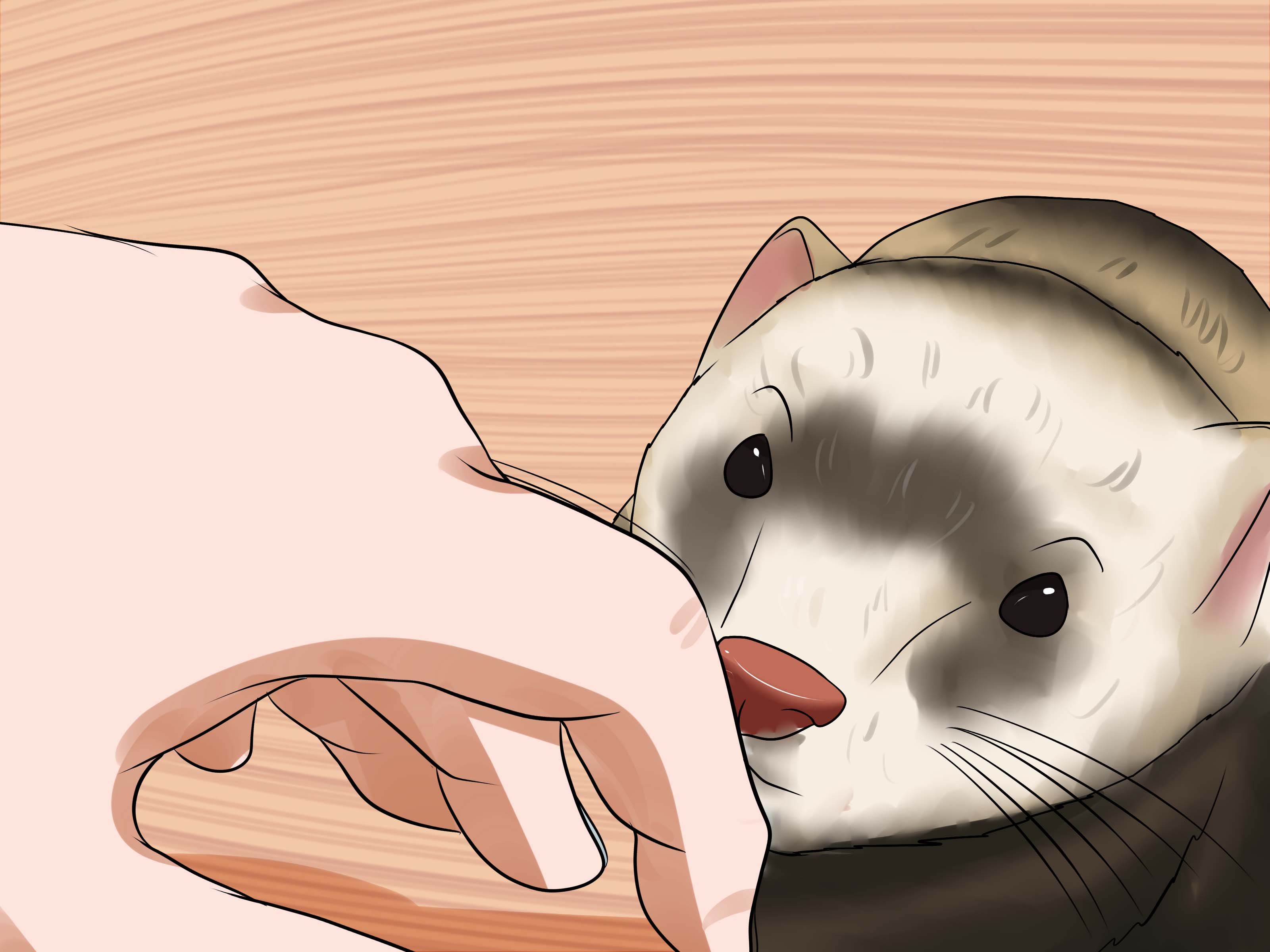
Ferrets are funny, fearless, and just a little chaotic. One minute they are bouncing sideways like furry noodles with a sugar rush, and the next they are testing whether your finger is, in fact, a chew toy. If your ferret bites, do not assume you adopted a tiny villain with a personal grudge. In most cases, biting is a behavior problem that can be improved with patience, consistency, and smarter handling.
The good news is that most ferrets are trainable. The less-fun news is that they do not come preloaded with human manners. A ferret may bite because it is excited, scared, overstimulated, territorial, under-socialized, teething, or trying to make your hand disappear from its favorite hideout. That means your goal is not just to stop the bite. Your goal is to understand why it happens and then teach a better response.
This guide walks you through 10 practical steps to train a ferret not to bite, along with common mistakes to avoid, signs that a vet visit is needed, and real-life experience-based tips that make the process easier. No drama. No gimmicks. Just a better-behaved ferret and fewer surprise chomps.
Why Ferrets Bite in the First Place
Before you start training, it helps to know what you are dealing with. Ferrets often use their mouths during play, especially when they are young. Some were poorly socialized before they came home with you. Some get defensive when startled. Others bite because they learned that biting makes the giant human hand back off immediately. In ferret logic, that means the bite worked beautifully.
A bite can also be a warning sign. If a ferret that used to be sweet suddenly becomes grumpy, painful conditions, illness, or stress may be involved. That matters because training cannot fix a toothache, an injury, or a frightened animal that feels cornered.
How to Train a Ferret Not to Bite: 10 Steps
1. Start by figuring out what triggers the bite
Do not train blindly. Watch for patterns. Does your ferret bite during rough play? When you wake it up suddenly? When you reach into a hammock? When guests visit? When you smell like food? Write down the triggers for a few days if needed.
For example, if your ferret bites most often when you grab it from above, the issue may be fear or poor handling. If it bites when your kids squeal and chase it, the problem is likely overstimulation. If it bites when you reach into its sleeping area, that may be territorial behavior. Once you identify the pattern, your training becomes much more effective because you can manage the situation instead of guessing.
2. Rule out pain, illness, or sudden behavior changes
If the biting appeared out of nowhere, book a vet visit. This step is not optional if your ferret suddenly becomes aggressive after previously being calm. Pain can make even a friendly pet defensive. A sore mouth, skin irritation, injury, or underlying illness can turn normal handling into something your ferret wants to avoid.
Think of it this way: if you had a pounding headache and someone picked you up like a sack of laundry, you might also become less charming. Training works best when the ferret is physically comfortable.
3. Handle your ferret calmly and correctly
Many bites start with human mistakes. Fast grabs, looming over the ferret, cornering it, or trying to pull it out of a favorite hiding place can trigger defensive nipping. Move slowly. Scoop from underneath with steady support instead of grabbing from above. Keep handling sessions short and calm at first.
Let the ferret sniff you before you pick it up. Avoid sticking fingers directly in its face. If the ferret is asleep, do not startle it awake and expect gratitude. That is how you get a bite and a very judgmental stare.
4. Use one clear correction every single time
Consistency matters more than intensity. The best correction is short, predictable, and boring. The moment your ferret bites, use the same calm cue each time, such as “No bite” or a firm “No.” Some owners also use a brief hiss sound because ferrets naturally use hissing to communicate boundaries.
What you do not want is a different reaction every time. Laughing one day, yelling the next, and letting it chew on you during “cute” play on weekends will only confuse the ferret. Pick one correction and stick to it like it is your full-time job.
5. End the fun immediately with a brief timeout
If the ferret bites, the game ends. Right away. No speeches. No dramatic courtroom monologue about betrayal. Just stop interaction and place the ferret in a brief timeout for a few minutes. The message is simple: biting makes fun disappear.
Keep the timeout short. Longer is not smarter. Ferrets do best when the consequence is immediate and easy to connect to the behavior. A short reset works better than a long punishment session that only creates stress.
6. Reward calm behavior like it is the winning lottery ticket
This is the part many people skip, and it is why progress stalls. Do not only react to bad behavior. Reward the good behavior you want more of. When your ferret sniffs your hand without biting, licks instead of nips, accepts handling calmly, or plays nicely with a toy, offer praise, affection, or a small ferret-safe treat.
You are teaching a replacement behavior. Instead of “Stop being bad,” the message becomes, “This is what works.” Ferrets are smart enough to learn that calm behavior gets rewards and wild chomping gets nothing.
7. Stop using your hands as wrestling toys
This one sounds obvious, but many owners accidentally teach biting by roughhousing with bare hands. If your ferret thinks your fingers are part of the entertainment package, it will use its mouth the same way it would with another ferret. That may feel playful to the ferret and absolutely not playful to your skin.
Use toys for chasing, pouncing, tugging, and mock hunting. Wands, tunnels, balls, and safe chew toys are much better targets than your knuckles. If the ferret redirects onto your hand, calmly stop and hand it a toy instead. Your fingers are management, not merchandise.
8. Make sure your hands do not smell delicious
Sometimes a bite is not personal. It is lunch confusion. If your hands smell like food, treats, meat, or another pet, your ferret may investigate with more enthusiasm than wisdom. Wash your hands before handling, especially after preparing food or touching anything that smells interesting.
This is especially important with young ferrets and newly adopted ferrets that are still learning what belongs in the “bite this” category. Spoiler: your thumb should not make the list.
9. Build trust with short, positive sessions every day
Bite training is not a one-time event. It is a relationship project. Spend time near your ferret without always picking it up. Sit on the floor, let it approach you, hand out treats for calm interaction, and keep daily sessions short and positive. Trust is often what transforms a mouthy ferret into a manageable one.
If your ferret is nervous, do not rush the process. A frightened ferret usually needs more predictability, not more pressure. Over time, your presence should start to mean play, food, safety, and routine instead of “Here comes the giant hand of mystery.”
10. Be patient, track progress, and adjust as needed
Training a ferret not to bite is usually a gradual process, not a magical afternoon makeover. Some ferrets improve in days. Others need weeks of consistent work, especially if they came from a stressful environment or never learned bite inhibition properly.
Look for small wins. A harder bite becoming a gentle nip is progress. A nip turning into a sniff is progress. A ferret that used to lunge but now hesitates is progress. If one method is not working, revisit the trigger. Are you moving too fast? Are family members being inconsistent? Is rough play still sneaking in? Fix the system, and the behavior often follows.
Common Mistakes That Make Biting Worse
Some training mistakes practically send a written invitation for more biting. The biggest one is physical punishment. Hitting, flicking the nose, throwing, yelling, or using fear-based discipline can make a ferret more defensive, more stressed, and less trusting. It may also teach the ferret that hands are scary, which is the opposite of what you want.
Another common mistake is accidentally rewarding the bite. If the ferret bites because it wants you to stop touching it, and you instantly yank your hand away every time, the bite just worked. That does not mean you should let yourself be used as a chew stick, but it does mean your response should be calm, structured, and consistent.
People also make the mistake of expecting too much too fast. A new ferret in a strange home is already processing new smells, sounds, routines, and humans. Give it time to settle in. Training works best when the environment feels safe and predictable.
What to Do If Your Ferret Bites and Breaks the Skin
First, wash the area thoroughly with soap and water. Then assess the bite. If the skin is broken, bleeding, deep, on the face or hand, or looks swollen later, contact a medical professional. If your ferret is not current on required rabies vaccination, follow local veterinary and public health guidance right away.
This is also a good moment to review what happened. Was the bite triggered by fear, pain, food smell, rough play, or a surprise grab? Every bite contains information. Annoying information, sure, but useful.
When to Get Extra Help
You should get professional help if the biting is severe, escalating, unpredictable, or tied to sudden behavior changes. A ferret-savvy exotic veterinarian is the first stop to rule out medical problems. If the ferret is healthy but the behavior remains intense, ask that vet for behavior guidance or a referral to someone experienced with exotic pets.
Also get extra help if there are children in the home, because safety and handling consistency matter even more. Ferrets and little kids are not a “figure it out live on camera” situation. Adults should supervise all interaction and teach calm, respectful handling from the start.
Experience-Based Tips That Make Training Easier
Owners who succeed with bite training usually do a few simple things well. They keep a routine. They handle the ferret at low-stress times instead of during a ferret tornado episode. They redirect to toys fast. They do not play the “this nip was kind of adorable” game. They reward calm curiosity. And they stay boringly consistent.
That last part matters. Ferrets are clever. If one person in the house allows rough finger play while another person is trying to teach manners, the ferret will learn that biting is sometimes acceptable. In other words, your ferret may not be confused. Your training team might be.
Real Experiences and Lessons From Training a Mouthy Ferret
One of the most common real-world experiences owners describe is bringing home a young ferret that seems sweet for the first hour and then suddenly turns into a tiny land shark. This often happens because the ferret is finally comfortable enough to play, and ferret play can be mouthy. The mistake many first-time owners make is assuming the ferret is mean. In reality, the ferret may simply have no idea how hard it is biting human skin. A ferret that played rough with other ferrets may use that same style on people until it is taught a better way.
Another common experience is discovering that bites are highly situational. A ferret may seem completely fine during floor play but bite when someone reaches into a hammock or grabs it while it is half asleep. Owners often learn that their “aggressive ferret” is not aggressive at all. It is just defensive in specific moments. Once they start waking the ferret gently, letting it come out on its own, and handling it with more warning, the biting drops fast. That feels like a breakthrough, but really it is just better communication.
Many owners also notice that the first week sets the tone. When they react dramatically to every nip, the ferret gets more wound up. When they stay calm, use a short verbal cue, end interaction, and try again later, the ferret starts connecting the dots. One owner might report that the worst bites happened during high-energy evening play, so they switched to toy-based games before handling. Another might realize that the ferret bit only when hands smelled like cooked chicken. Mystery solved. Apparently, fingers are more tempting when they smell like dinner.
Families with multiple people in the home often learn the hard way that consistency matters. If one person uses toys and structured timeouts while another person roughhouses with bare hands, progress slows to a crawl. The ferret ends up learning two completely different rulebooks. Owners who improve fastest usually agree on the same cue, the same timeout routine, and the same reward system. It is less exciting than inventing new tricks every day, but it works far better.
People who adopt older rescue ferrets often share a different kind of experience. These ferrets may bite from fear, stress, or a rough history rather than simple play. In those cases, trust-building matters even more than correction. Sitting near the cage, offering treats, speaking softly, and allowing the ferret to approach on its own can make a huge difference. Owners often say the biggest turning point was when they stopped trying to “win” the interaction and started making themselves predictable. Ferrets that feel safer usually become less defensive.
Perhaps the most encouraging shared experience is that improvement often comes in layers. First the bite becomes less frequent. Then it becomes less hard. Then the ferret starts licking instead of nipping. Then one day you realize you have been playing for ten minutes without needing to say “No bite” even once. That is usually how progress looks: not dramatic, but real. So if you are currently living with a furry bite machine, do not panic. Plenty of owners have stood where you are, hiding tiny puncture marks and questioning their life choices. With patience, structure, and good handling, many of those same owners end up with affectionate, playful ferrets that are much more interested in toys than fingers.
Final Thoughts
Training a ferret not to bite is really about teaching trust, boundaries, and better habits. You are not trying to overpower the ferret. You are showing it that calm behavior gets attention, toys, praise, and freedom, while biting ends the fun. That is a lesson most ferrets can learn when the training is fair and consistent.
If you remember only three things, make it these: find the trigger, stay consistent, and reward the behavior you want. Your ferret may still be a mischievous little chaos noodle, but it does not have to be a biting one.