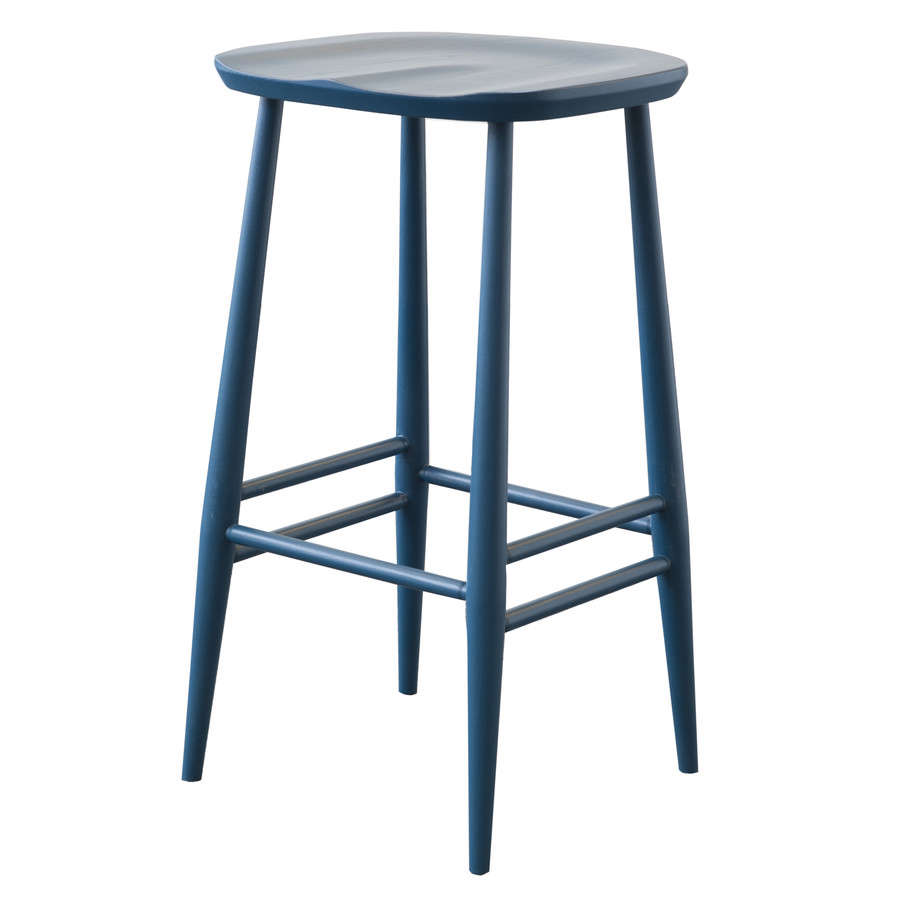
Some furniture walks into a room wearing tap shoes. Other pieces simply stand there, quiet and confident, making everything around them look more intentional. Originals Bar + Counter Stools belong to the second group. They are not the loudest seats in the kitchen, but they may be the ones people notice first after they have already sat down, rested their feet, and thought, “Wait, why is this little wooden stool so comfortable?”
The phrase “Originals Bar + Counter Stools” is often associated with heritage-inspired wooden stools, especially the Ercol/L. Ercolani Originals style: compact, sculptural, practical, and rooted in mid-century craft. These stools have the kind of design honesty that works in a modern kitchen, a breakfast nook, a studio apartment, or a home bar where the drink menu is mostly coffee and sparkling water. No judgment. We have all hosted a “bar” where the signature cocktail was iced tea in a mason jar.
This guide explores what makes Originals bar stools and counter stools special, how to choose the right height, which materials matter, where they fit best, and how to style them without turning your kitchen island into a furniture showroom. The goal is simple: help you pick stools that look beautiful, feel useful, and do not make your knees file a formal complaint.
What Are Originals Bar + Counter Stools?
Originals Bar + Counter Stools generally refer to classic, wood-forward stools inspired by original mid-century workshop seating. The best-known version comes from the Ercol design tradition, where Lucian Ercolani’s simple utility stool evolved from practical factory seating into a collector-friendly design object. The stool’s appeal lies in its restraint: a shaped wooden seat, tapered legs, traditional joinery, and a silhouette that looks familiar without feeling boring.
Unlike many bulky upholstered stools, Originals stools are usually backless, compact, and easy to tuck under a counter or bar. That makes them especially useful for kitchens where space is precious and traffic flow matters. A stool with a high back can be cozy, but it can also interrupt sightlines. A backless Originals-style stool keeps the room open, which is helpful in open-concept homes where the kitchen, dining area, and living room are all pretending to be separate rooms while clearly sharing one big conversation.
Why the Design Still Works
The charm of Originals counter stools is not based on novelty. It is based on proportion. The seat is small but not flimsy. The legs are slim but visually grounded. The curves soften the wood, so the stool does not feel like a punishment device from an old schoolhouse. In good versions, the seat is carved or molded to improve comfort, and the footrest gives your feet somewhere to land instead of swinging around like they are looking for Wi-Fi.
This design also adapts well. In a white kitchen, natural wood brings warmth. In a dark kitchen, a black or deep-stained stool adds structure. In a farmhouse kitchen, the stool feels honest and handmade. In a modern kitchen, it brings texture without shouting “rustic.” That flexibility is one reason the design has stayed relevant while trendier seating has come and gone, occasionally taking questionable chrome finishes with it.
Bar Stool vs. Counter Stool: The Height Matters
Before falling in love with a stool, measure your counter or bar. This is not the glamorous part of decorating, but it is the part that prevents regret. A counter stool and a bar stool are not the same thing, even though stores sometimes group them together as if they are cousins at a family reunion.
Counter Height Stools
Counter-height stools are designed for standard kitchen counters and islands, usually around 35 to 37 inches high. A comfortable counter stool seat is commonly around 24 to 26 inches high. Originals counter stools often land near this range, making them a natural fit for kitchen islands, breakfast counters, and casual prep areas.
Bar Height Stools
Bar-height stools are taller and are meant for surfaces around 40 to 42 inches high. A typical bar stool seat often falls around 28 to 30 inches high. If your home has a raised bar, pub table, or dedicated entertaining area, the taller version is the one to consider. Put a counter stool at a bar and you may feel like a child at Thanksgiving. Put a bar stool at a counter and your thighs may negotiate for better working conditions.
The Simple Measuring Rule
A good rule is to leave about 10 to 12 inches between the top of the seat and the underside of the counter or bar. That gap gives most people enough legroom to sit comfortably. Also check the depth of the counter overhang. A stool can be the perfect height and still feel awkward if there is nowhere for knees to go.
Materials: Why Wood Is the Star
Originals-style stools are usually strongest when they celebrate wood. Solid ash, beech, elm, or oak can bring natural grain, durability, and a tactile quality that metal or plastic rarely matches. Wood also ages with more grace than many synthetic materials. A few small marks can look like character rather than damage, especially if the stool has a matte or natural finish.
Traditional joinery is another major selling point. Many heritage stools avoid unnecessary metal hardware, relying instead on shaped joints, tapered legs, and careful construction. The result is a piece that feels more crafted than assembled. That may sound subtle, but in daily use, subtle becomes important. A stool that does not wobble, creak, or demand an Allen wrench every six months is a stool worth respecting.
Comfort: Can a Backless Wooden Stool Actually Feel Good?
Yes, but with a few conditions. A backless wooden stool is best for casual sitting: morning coffee, quick meals, helping with homework, chatting while someone cooks, or enjoying a snack you absolutely did not need but fully deserved. For long dinners or work-from-home marathons, a stool with a back and cushion may be more comfortable.
The seat shape makes a big difference. A flat wooden square can feel charming for approximately four minutes. A carved or contoured wooden seat is much better because it supports the body more naturally. Footrests matter too. Without a footrest, even a beautiful stool can feel unfinished. With one, the body relaxes, posture improves, and the stool becomes much easier to use every day.
How Many Originals Stools Do You Need?
Spacing is where many kitchens go wrong. People often squeeze in one extra stool because the island “technically” has room. Technically, you can also wear shoes two sizes too small. That does not make it a lifestyle recommendation.
For most bar and counter stools, allow about 26 to 30 inches from the center of one stool to the center of the next. If the stools are wider, have arms, or swivel, give them more space. Originals stools are often compact and backless, so they can fit more easily than bulky upholstered seats. Even so, leave enough elbow room for real life: plates, laptops, cereal bowls, and that one family member who talks with their entire upper body.
Best Places to Use Originals Bar + Counter Stools
Kitchen Islands
The kitchen island is the natural home for Originals counter stools. Their small footprint helps keep the kitchen open, while their wood construction adds warmth to stone, quartz, tile, or painted cabinetry. They are especially good in kitchens where the island doubles as a prep zone, snack zone, conversation zone, and occasional mail-dumping zone.
Breakfast Bars
A breakfast bar needs seating that is easy to move and easy to tuck away. Originals stools work well because they are not visually heavy. In smaller homes, backless stools can slide under the counter when not in use, keeping walkways clearer.
Home Bars
For a dedicated bar area, Originals bar stools add a clean, classic look. They pair well with wood shelving, marble counters, brass accents, matte black fixtures, and even modern pendant lighting. The result feels grown-up without becoming stiff.
Creative Workspaces
Because the original concept was tied to workshop and drafting use, these stools also feel appropriate in creative spaces. A taller stool can work at a standing desk, studio table, or craft counter. Just make sure the height fits the surface and the sitting sessions are not too long.
Style Ideas for Different Kitchens
Modern Minimalist
Choose black, natural ash, or pale wood finishes. Keep the rest of the styling simple: clean pendant lights, slab cabinet fronts, and uncluttered counters. The stool adds just enough curve to prevent the room from feeling like a very expensive laboratory.
Warm Farmhouse
Pair natural wood Originals counter stools with shaker cabinets, ceramic lighting, woven baskets, and a soft runner. Avoid overloading the room with distressed finishes. One honest wooden stool is charming; twelve distressed objects can make the kitchen look like it survived a historical reenactment.
Mid-Century Inspired
Originals stools shine in mid-century spaces. Combine them with walnut tones, globe lights, simple hardware, and warm neutrals. Because the stool shape already carries vintage influence, you do not need to add too many retro accessories. Let the piece do its quiet little design speech.
Small Apartment Kitchen
Backless stools are a gift in compact spaces. Choose a finish that blends with the floor or cabinetry if you want the room to feel larger. If you want contrast, black stools under a light counter can create a crisp, graphic look without taking up much visual space.
Buying Checklist Before You Order
First, measure the height from the floor to the underside of your counter or bar. Second, confirm the stool seat height. Third, measure the width of the island or bar and calculate how many stools can fit comfortably. Fourth, check the stool depth to make sure it will not stick too far into a walkway. Finally, think about how people will actually use the seats.
If your household uses the island for quick breakfasts and casual conversation, Originals stools are excellent. If people sit there for two-hour dinners or remote work, you may want to mix in more supportive seating. A good home is not about following one rule; it is about choosing what fits your habits. Furniture should support your life, not audition for a museum label while your back suffers.
Care and Maintenance Tips
Wooden stools are fairly easy to care for if you treat them kindly. Wipe spills quickly with a soft, slightly damp cloth. Avoid harsh cleaners that can dull or damage the finish. Use felt pads if the stools sit on delicate flooring. Tighten or inspect joinery only if the manufacturer recommends it, and avoid dragging stools across the floor like you are moving stage equipment.
For painted or lacquered finishes, be gentle around edges and footrests, since those areas get the most contact. For natural wood finishes, occasional dusting and careful cleaning are usually enough. If the stool develops small signs of wear, do not panic. On a well-made wooden stool, gentle aging can add warmth. That is the difference between “damaged” and “lived with by people who enjoy toast.”
Are Originals Bar + Counter Stools Worth It?
They are worth considering if you value timeless design, compact proportions, solid materials, and furniture that can move between decorating styles. They are not the plushest option, and they are not meant to replace a lounge chair. But as kitchen island stools or bar stools, they offer a rare combination of utility and beauty.
The strongest argument for Originals stools is longevity. Trend-driven stools can date a kitchen quickly. Oversized upholstered seating can look luxurious at first, then become difficult to clean. Lightweight bargain stools can wobble before the return window closes. A well-made Originals-style stool has a better chance of staying useful and attractive for years.
Real-Life Experiences With Originals Bar + Counter Stools
Living with Originals Bar + Counter Stools is different from admiring them in a product photo. In pictures, they look sculptural and neat. In real life, they become part of the daily rhythm of the kitchen. Someone sits on one while slicing an apple. Someone else uses it as a temporary bag drop. A guest pulls one out during a party and suddenly the kitchen becomes the main event, because kitchens have mysterious social gravity. You can set up a perfect living room, light candles, arrange pillows, and people will still gather around the island asking where the chips are.
The first experience many owners notice is how visually light these stools feel. A backless wooden stool does not block the counter, the backsplash, or the line of cabinets. That makes a kitchen feel calmer. If you have a small kitchen, this matters. High-back chairs can make an island feel crowded, while compact Originals counter stools slide underneath and almost disappear until needed. It is a practical kind of beauty: not flashy, not fussy, just helpful.
The second experience is the honest feel of wood. Upholstered stools can be comfortable, but they also invite crumbs to build a tiny civilization in the seams. Wooden stools are simpler. A quick wipe usually handles coffee drips, toast crumbs, or the mysterious sticky spot nobody admits creating. Parents, pet owners, and frequent snackers may especially appreciate this. A wood stool does not panic when life happens.
Comfort depends on expectations. For a 10-minute breakfast, a carved wooden seat can feel perfectly pleasant. For a long dinner, you may start wishing for a backrest. That is not a failure; it is simply the nature of the design. Originals stools work best as perches, not recliners. They are ideal for quick meals, casual chats, and flexible seating. If your island is your main dining room, consider whether everyone in the household will be happy with backless seating every day.
Another real-life lesson: footrests are not optional. A stool without a comfortable footrest can make even a short sit feel awkward. Originals-style stools often include lower rails that serve this purpose, giving your feet a natural place to rest. This small detail changes everything. It keeps posture more relaxed and helps shorter users feel more secure.
Styling is also easier than expected. Natural wood stools can soften a white kitchen. Black stools can sharpen a pale island. A warm wood finish can bridge stainless appliances and painted cabinets. The stools do not need matching dining chairs nearby; in fact, a coordinated-but-not-identical look often feels more collected. Think of them as the quiet friend at dinner who somehow makes the whole table better.
The most common mistake is ordering the wrong height. It happens because “bar stool” has become a casual phrase for almost any tall seat. Measure first. A counter-height island needs counter stools, not bar stools. Once the height is right, the experience improves immediately. Your elbows rest naturally, your knees have room, and breakfast no longer feels like a geometry problem.
Overall, the experience of using Originals Bar + Counter Stools is about balance. They are beautiful but not precious, compact but not flimsy, classic but not old-fashioned. They suit people who want a kitchen that feels designed without feeling staged. And if a stool can make morning coffee feel a little more intentional, that is not a small thing. That is furniture doing its job before caffeine has even clocked in.
Final Thoughts
Originals Bar + Counter Stools prove that simple furniture can still have personality. Their appeal comes from proportion, material, history, and usefulness. They are not trying to be the star of the kitchen, but they often become the detail that makes the whole room feel finished.
If you want seating that is compact, timeless, and easy to style, Originals counter stools and bar stools deserve a serious look. Measure carefully, choose the right height, consider how long people will sit, and pick a finish that works with your kitchen rather than fighting it. Do that, and you will end up with stools that feel less like a quick purchase and more like a long-term design decisionthe good kind, not the “why did we paint the pantry orange?” kind.
Note: This article is written for web publication as original editorial content. Product details, sizing guidance, styling recommendations, and care suggestions are based on current furniture design standards, retailer information, and home-interior best practices.