Every kitchen has a tiny mystery drawer. Sometimes it is the one full of soy sauce packets. Sometimes it is the one full of spare chip clips. And sometimes it is your refrigerator shelf, where a few innocent-looking eggs are sitting there like undercover agents, daring you to guess which ones are raw and which ones are hard boiled.
If you have ever reached for an egg, confidently cracked it on the counter, and discovered that you just opened a raw egg when you meant to make deviled eggs, welcome to the club. It is a large, slightly embarrassed club.
The good news is that learning how to tell if eggs are raw or hard boiled is easier than most people think. You do not need a lab coat, a culinary degree, or psychic powers. You just need a few simple tests, a little common sense, and the willingness to spin an egg on your countertop like you are auditioning for a very niche talent show.
In this guide, you will learn five practical ways to identify raw vs hard boiled eggs, which methods are actually reliable, which ones are just decent backup plans, and how to store eggs so you never have to play refrigerator roulette again.
Why It Helps to Know the Difference
At first glance, a raw egg and a hard-boiled egg look exactly the same. Same shell. Same shape. Same smug energy. But what is happening inside them is completely different.
A raw egg has a liquid center. The yolk and white move around inside the shell, which affects how the egg spins, stops, and reacts to movement. A hard-boiled egg has a solid interior, so it behaves more like a single object. That is why many of the best tests are based on motion rather than appearance.
This matters for practical reasons, too. Maybe you meal-prepped a batch of boiled eggs for breakfast. Maybe your kids helped with Easter eggs and then put them back in the carton. Maybe you boiled six eggs and forgot to mark them because you were distracted by a text, a dog, or a pan on another burner. It happens.
Knowing how to identify cooked eggs quickly can save time, reduce waste, and help you avoid turning a recipe into a surprise science project.
Test #1: The Spin Test
How to do it
Place the egg on a flat, smooth surface such as a countertop or cutting board. Give it a gentle spin with your fingers.
What to watch for
A hard-boiled egg will usually spin smoothly, quickly, and steadily. A raw egg tends to wobble, spin more slowly, or look slightly chaotic, as if it is having second thoughts.
Why it works
This is the classic test for a reason. A cooked egg has a firm center, so the whole egg moves together. A raw egg has liquid inside that shifts as the shell rotates. That moving liquid throws off the balance and makes the spin less stable.
When to use it
If you only try one method, make it this one. The spin test is fast, clean, and surprisingly effective in everyday kitchen use. It is especially handy when you have a few mystery eggs and want an answer in five seconds instead of five minutes.
Best for: quick identification with no mess.
Test #2: The Stop-and-Release Test
How to do it
Start with the spin test. Once the egg is spinning, lightly touch it with a fingertip to stop it. Then lift your finger away immediately.
What to watch for
If the egg stays still, it is probably hard boiled. If it starts moving again after you let go, it is likely raw.
Why it works
This is basically the spin test’s smarter cousin. In a raw egg, the liquid inside keeps moving even after the shell is stopped for a moment. When you lift your finger, that internal motion can make the egg start rotating again. A hard-boiled egg does not have that liquid momentum, so once it stops, it stops.
Why many cooks love it
This test adds an extra layer of confidence. If the first spin left you unsure because the egg only wobbled a little, the stop-and-release test usually clears things up. It is the kitchen equivalent of asking a follow-up question when someone gives a suspiciously vague answer.
Best for: confirming the result of the spin test.
Test #3: The Flashlight Test
How to do it
Go into a darker room and hold a flashlight or phone light behind the egg. You want the egg between your eyes and the light source.
What to watch for
A raw egg may glow more from within because light can pass through the uncooked interior more easily. A hard-boiled egg usually looks darker or more opaque, with less light coming through the center.
Why it works
Light behaves differently when it passes through a liquid interior than when it hits a fully cooked white and yolk. In theory, that makes the cooked egg look more blocked and the raw egg look more illuminated.
The reality check
This test is fun, and it feels a little like kitchen detective work, but it is not as reliable as the spin methods. Shell thickness, egg color, lighting conditions, and how strong your flashlight is can all affect the result. Think of this as a helpful clue, not a courtroom-level verdict.
Best for: curiosity, backup checking, and pretending your refrigerator is a crime scene investigation unit.
Test #4: The Gentle Shake Test
How to do it
Hold the egg close to your ear and give it a very gentle shake.
What to watch for
If you hear or feel sloshing, the egg is probably raw. If there is no noticeable movement, it may be hard boiled.
Why it can help
A raw egg contains liquid, so movement inside the shell can sometimes be detected. A hard-boiled egg has a fixed interior, so it should feel quieter and more stable.
Why you should not trust it blindly
This method is less dependable than the first two. Very fresh raw eggs may not make much sound. Older raw eggs may be easier to hear. A softly cooked egg can confuse the result. And unless your kitchen is silent and your ears are feeling especially heroic, the difference may be subtle.
Best for: a quick extra clue when you cannot spin the egg easily.
Test #5: The Crack-or-Peel Test
How to do it
If all else fails, crack the egg into a bowl or peel a small section of shell.
What to watch for
If the contents spill out, congratulations, it was raw. If the egg holds its shape and you see a firm white beneath the shell, it is hard boiled.
Why it is the final answer
This is the one method that is not guessing. It is not elegant, and it is not always convenient, but it is definitive. When you need certainty, especially before adding eggs to a recipe, cracking one into a separate bowl is the safest move.
Why the bowl matters
If an egg turns out to be spoiled, cracking it into a bowl first prevents you from ruining the rest of your ingredients. That is a smart habit for both raw eggs and hard-boiled eggs that seem a little suspicious.
Best for: final confirmation when you absolutely need the right answer.
Which Test Is Most Reliable?
Here is the practical ranking:
- Spin test the best everyday method.
- Stop-and-release test excellent confirmation.
- Crack-or-peel test the only fully certain answer.
- Flashlight test useful, but inconsistent.
- Shake test okay as a clue, not a verdict.
If you want the shortest possible advice, here it is: spin the egg first, then briefly stop it with your finger. If it spins smoothly and stays stopped, it is probably hard boiled. If it wobbles or starts moving again, it is probably raw.
A Common Mistake: The Float Test Is Not for Raw vs Hard-Boiled Eggs
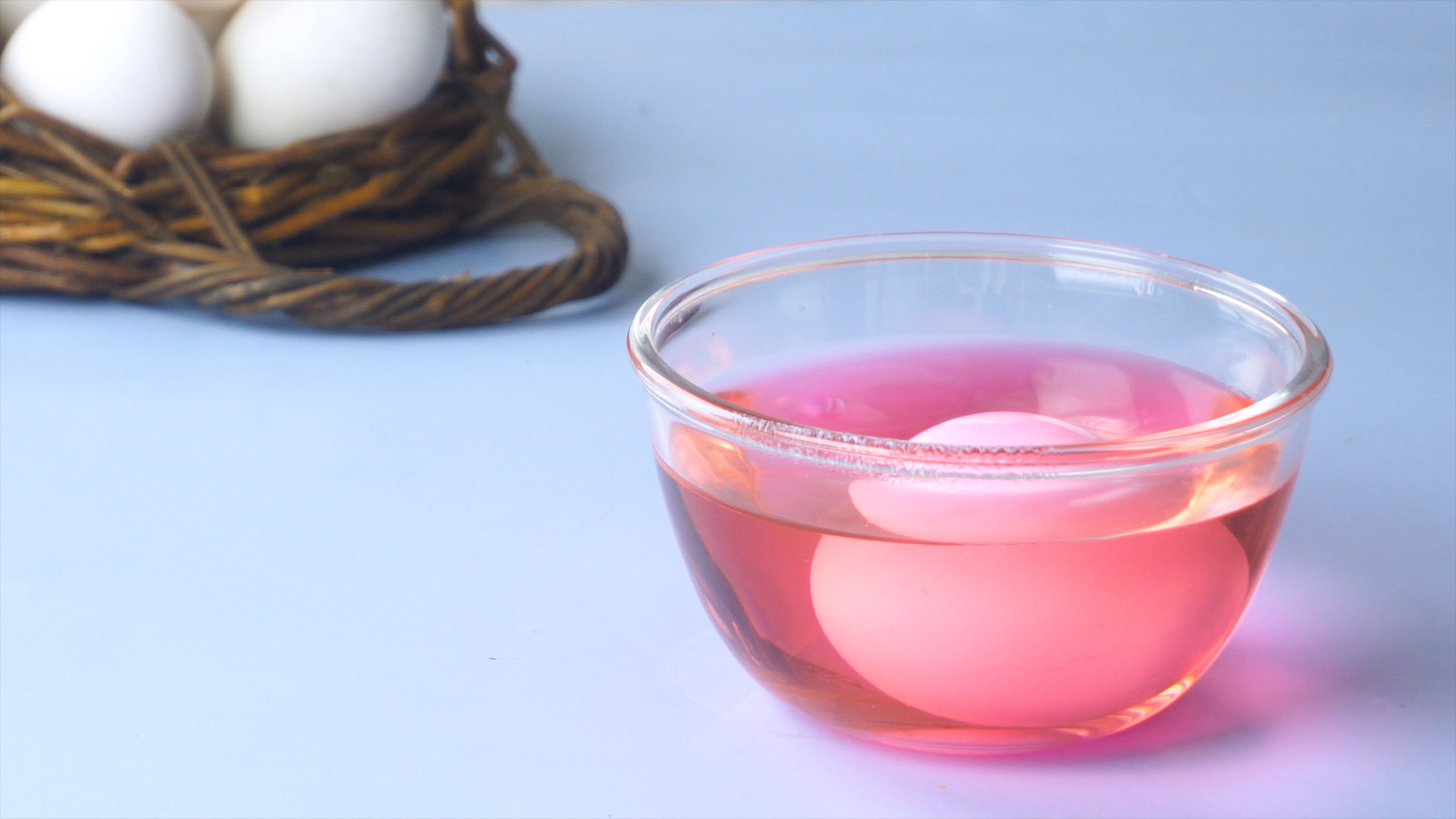
A lot of people confuse the float test with a cooked-vs-raw test. It is not. The float test is mainly about freshness, not whether the egg has been boiled.
As eggs age, the air cell inside gets larger, which makes them more buoyant in water. That means an older egg is more likely to stand up or float. But both raw and hard-boiled eggs can behave differently depending on age, so floating does not tell you whether the inside is cooked.
In other words, if you drop an egg in water and it floats, that does not mean it is hard boiled. It means it is older and should be checked carefully before eating. This is one of those classic kitchen myths that sounds useful until it sends you in the wrong direction.
Egg Safety and Storage Tips You Should Actually Remember
Once you figure out whether your eggs are raw or hard boiled, storage matters just as much. Eggs are not dramatic, but they are fussy enough to reward good habits.
For raw eggs
- Store them in the refrigerator, not on the door if you can help it.
- Keep them in the original carton so they are protected and do not absorb odors.
- Use them within a reasonable time for best quality.
For hard-boiled eggs
- Refrigerate them promptly after cooking.
- Try to use them within a week.
- Keep them separate from raw eggs or label them clearly.
That last point deserves a gold star. If you boil eggs and put them back into the same carton with unboiled eggs, you are basically creating your own future inconvenience. A quick pencil mark, a separate container, or even a sticky note can save you from a very avoidable breakfast plot twist.
How to Prevent the Mix-Up in the First Place
Yes, these tests work. But the real pro move is preventing the mystery entirely.
Try one of these easy habits:
- Mark hard-boiled eggs with a small pencil dot on the shell.
- Store cooked eggs in a clearly labeled container.
- Keep raw eggs in their original carton and hard-boiled eggs somewhere else.
- If you meal prep, write the cook date on the container so you know when to use them.
None of this is glamorous, but neither is accidentally peeling a raw egg over the trash can.
Final Thoughts
If you are wondering how to tell if eggs are raw or hard boiled, you do not need to overcomplicate it. The spin test is your best first move. The stop-and-release test is your best follow-up. The flashlight and shake tests can help, but they are more like supporting actors than the lead. And when you need certainty, cracking the egg into a bowl is the final word.
The best kitchens are not the ones where nothing ever goes wrong. They are the ones where people know a few smart tricks, recover quickly, and do not let a mystery egg ruin lunch. So the next time you open the fridge and face a shell-based identity crisis, give that egg a spin and let physics do the talking.
Real-Life Kitchen Experiences With Mystery Eggs
Let’s be honest: this topic sticks with people because it shows up in real life more often than anyone expects. It is rarely a grand culinary emergency. It is usually a small domestic plot twist that appears when you are hungry, in a hurry, and feeling just confident enough to make a mistake.
One of the most common scenarios happens during meal prep. Someone boils a batch of eggs for weekday breakfasts, cools them, and then places them right back into the egg carton because it seems tidy. Two days later, the fridge contains a dozen identical eggs and absolutely no useful clues. At that point, the spin test stops being a fun kitchen trick and becomes a public service.
Then there is the holiday version of the same problem. Easter eggs get dyed, decorated, admired, and then shuffled around. Some were definitely hard boiled. Some may have started as display eggs. A few might have gone back into the fridge next to uncooked eggs from grocery day. That is how families end up passing around eggs like tiny riddles. The person who knows the spin test suddenly looks like a wizard.
Another common moment happens when someone is cooking for kids. A parent peels what they think is a hard-boiled egg for lunch, only to discover a raw one halfway through the process. The countertop becomes a mess, the child becomes a food critic, and the dog becomes emotionally invested. This is why simple kitchen systems matter. A small pencil mark on the shell can save a surprising amount of drama.
Home cooks also learn that experience changes how they use the tests. Beginners often rely on the flashlight because it feels scientific. Then they try it in a bright kitchen with a weak phone light and end up more confused than before. More experienced cooks usually skip straight to the spin test because it is faster and clearer. After doing it a few times, the difference between a smooth spin and a wobbly one becomes pretty obvious.
There is also a useful lesson buried in all these little egg mix-ups: the best kitchen habits are usually the boring ones. Label the cooked eggs. Store them separately. Crack questionable eggs into a bowl first. None of that is flashy, but it is exactly the kind of routine that makes cooking easier and less wasteful over time.
And maybe that is why this topic stays oddly memorable. It is not really just about eggs. It is about the tiny decisions that make everyday cooking smoother. A mystery egg can be annoying, funny, or messy, but it also teaches a practical kind of kitchen confidence. Once you know what to look for, you stop guessing. You trust the test, save the recipe, and move on with your day like the calm, capable person you were always meant to be.