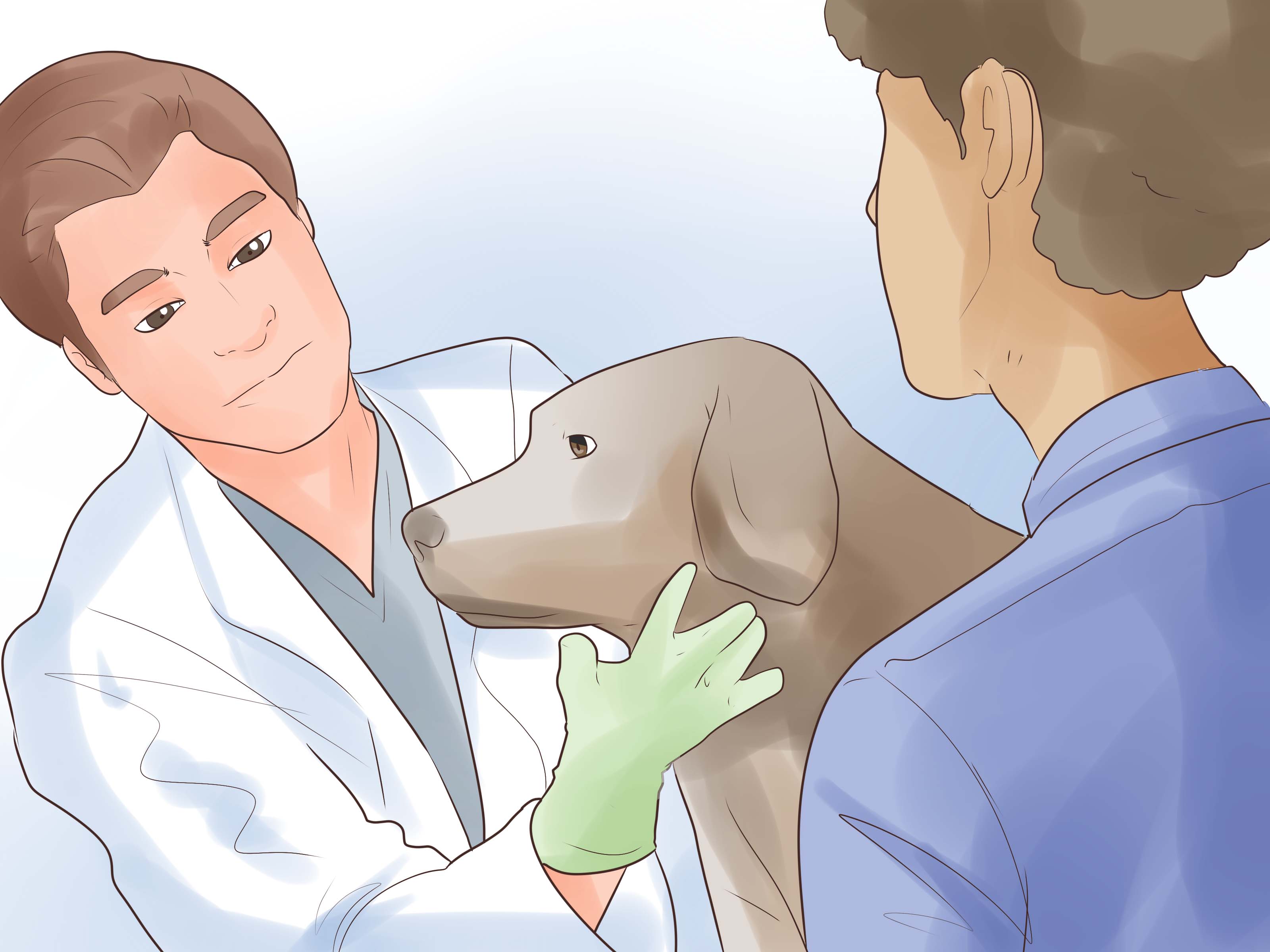
If you searched how to give a dog a rabies shot at home, you are probably not trying to become your dog’s personal veterinarian overnight. You are probably trying to save money, save time, or avoid a dramatic wrestling match in a waiting room that smells faintly of antiseptic and regret. Fair enough. But when it comes to a rabies vaccine for dogs, this is one of those moments where the shortcut is not actually a shortcut.
Rabies is a deadly disease, and rabies vaccination is tied to public health laws, local licensing rules, boarding requirements, and travel paperwork. In plain English: this is not the vaccine to freestyle in your kitchen while your dog looks at you like you have betrayed the pack. The smarter move is to follow a safe, legal process that protects your dog and keeps your records valid.
This guide walks you through 10 practical steps to handle your dog’s rabies shot the right way. You will still get the convenience you want, but without the risks that come from trying to do something at home that is usually meant to be done by a licensed professional or under veterinary supervision.
Why a DIY Rabies Shot at Home Is a Bad Idea
Let’s start with the obvious elephant in the exam room: rabies is not just another routine vaccine from a pet supply shelf. A rabies vaccine can affect your dog’s legal vaccination status, and the certificate often matters just as much as the shot itself. If your dog bites someone, gets into a fight with wildlife, needs grooming, enters daycare, boards, travels, or needs a local license, the question is not only “Was your dog vaccinated?” It is also “Was that vaccination done in a way your state or county accepts?”
That matters because a do-it-yourself shot can create a mess. If the vaccine was not administered according to local requirements, the dose may not count for legal purposes. Then you are left with the worst possible combo: your dog was stressed, you were stressed, and the paperwork may still be worthless. That is a pretty expensive way to save money.
There is also the issue of storage, timing, handling, and emergency response. Vaccines have to be stored correctly. Dogs also vary by age, weight, health status, and vaccine history. A veterinarian or a licensed clinic can help spot problems, answer questions about boosters, explain timing, and document everything properly. Your dog gets medical care, and you get proof that actually means something.
The Safe Alternative: 10 Steps Every Dog Owner Should Follow
Step 1: Check Your Local Rabies Rules Before You Do Anything
Rabies laws vary by state, county, and city. That means the minimum age for vaccination, booster timing, waiver rules, and accepted documentation may differ depending on where you live. Before you start price-shopping or booking a visit, look up your local requirements or call your veterinarian, county animal services office, or public health department.
This step sounds boring, but it can save you from a future headache. If your dog ever needs proof of vaccination, you want a valid rabies certificate, not a stack of receipts and a very confident story.
Step 2: Gather Your Dog’s Vaccine Records
Before scheduling the appointment, collect every rabies record you have. That includes old certificates, reminder cards, adoption paperwork, shelter records, and any recent vet invoices. If your dog is new to you, ask the rescue, breeder, or previous veterinarian for copies.
Why this matters: rabies booster timing often depends on your dog’s vaccine history. A dog with a documented prior rabies vaccine may have a different timeline than a dog with no reliable records. Bringing paperwork helps the clinic make the right call and keeps you from paying for unnecessary confusion.
Step 3: Choose the Most Convenient Legal Option
You do not necessarily need a fancy full-service hospital visit if your dog only needs a routine rabies update. Many communities offer low-cost rabies vaccine clinics, mobile vaccine events, humane society programs, and retail vet clinics run by licensed professionals. These options can be faster and cheaper than a traditional appointment while still giving you valid documentation.
In other words, the answer to “Can I do this at home?” is often “No, but you may not need a pricey office visit either.” Sometimes the best middle ground is a supervised clinic that gets you in, gets your dog protected, and gets you back home before your coffee goes cold.
Step 4: Confirm Your Dog Is Old Enough and Healthy Enough
Do not assume every dog should get vaccinated on the exact same day just because the calendar says so. Puppies, senior dogs, dogs with chronic illness, and dogs with a history of vaccine reactions may need extra planning. If your dog has ever had swelling, vomiting, collapse, facial puffiness, or an unusual reaction after a vaccine, say so before the appointment.
If your dog is sick, feverish, unusually lethargic, or actively dealing with another medical issue, ask the clinic whether the vaccine should be postponed. Rabies laws are strict, but veterinarians can help navigate timing and, in some places, possible exemption or waiver pathways for dogs with serious medical concerns.
Step 5: Ask What the Appointment Includes
Not all vaccine visits are identical. Some clinics give the rabies vaccine only. Some include a quick exam. Some offer combo packages with microchipping, heartworm testing, nail trims, or core vaccines. Ask in advance what the visit covers, what records you will receive, and whether you need cash, card, appointment confirmation, or proof of prior vaccination.
This is one of those small grown-up tasks that pays off instantly. Five minutes of asking questions ahead of time can prevent the classic pet-owner scene of standing in a parking lot saying, “Wait, they needed the old certificate too?”
Step 6: Prepare Your Dog for the Trip, Not the Needle
If your real concern is not the vaccine itself but the circus surrounding it, focus on the trip experience. Use a secure leash, harness, or crate. Bring treats your dog actually respects, not the sad biscuit they tolerate out of politeness. Take a short walk before the visit if your dog has nervous energy. Bring a towel or mat for smaller dogs who feel safer off slippery floors.
For anxious dogs, practice calm car rides and brief handling exercises before the appointment. If your dog becomes a furry tornado at the mere sight of a clinic sign, ask the veterinarian whether anti-anxiety medication, timing strategies, or a quieter appointment slot would help. That is a much smarter home-prep plan than trying to play amateur injector in the living room.
Step 7: Bring the Right Information on Appointment Day
When you arrive, bring your dog’s records, your ID if required, payment, and a short health summary. Tell the staff about medications, allergies, past vaccine reactions, recent illness, pregnancy status if relevant, and any known bite or wildlife exposure history.
Be honest, even if the truth is a little chaotic. “He once ate half a sandwich wrapper” is not helpful. “He had facial swelling after a vaccine two years ago” is helpful. The more accurate your information, the safer the visit will be.
Step 8: Stay for the Observation Period and Review Aftercare
After a rabies vaccination, most dogs do just fine, but mild soreness, sleepiness, or a temporary lump at the injection site can happen. Before you leave, ask what side effects are normal, what signs are urgent, and who to call after hours if something looks off.
Do not race home like you just finished a pit stop. Give the staff time to review aftercare and keep your dog nearby for the recommended observation window if the clinic asks you to do so. It is much easier to handle a problem while you are already at the place with trained people than halfway home with your dog drooling on the back seat and your stress level launching into orbit.
Step 9: Store the Rabies Certificate Like It Is Gold
Once the vaccine is done, the certificate becomes the hero of the story. Save the original paper copy. Take a photo. Scan it. Email it to yourself. Upload it to cloud storage. Put it somewhere you can actually find later and not in the random drawer where batteries, expired coupons, and mystery screws go to retire.
Your dog’s rabies certificate may be needed for licensing, boarding, daycare, travel, grooming, apartment rules, or any future incident involving bites or wildlife exposure. If your dog ever tangles with a bat, raccoon, skunk, fox, or other potentially rabid animal, having current records ready can make a huge difference in what happens next.
Step 10: Put the Next Due Date on Your Calendar Immediately
This step is shockingly powerful. Before you forget, set calendar reminders for the next rabies due date and keep them in more than one place. Use your phone, your email calendar, your paper planner, and maybe even the refrigerator if your household respects refrigerator law.
Why so dramatic? Because rabies boosters are time-sensitive, and lapses can complicate legal status, travel plans, and post-exposure decisions. Staying on schedule is easier, cheaper, and far less stressful than realizing your dog’s certificate expired two weeks before a boarding reservation or after an unfortunate squirrel incident.
What If You Were Hoping to Save Money?
That is completely understandable. Pet care adds up fast, and many owners search for how to save money on dog vaccinations because they are trying to do the responsible thing on a real-world budget. The good news is that affordability does not require risky DIY shortcuts.
Look for humane society clinics, county vaccine drives, community veterinary programs, mobile events, retail wellness clinics, or pet charity programs in your area. Ask whether exam fees are required for a rabies-only visit. Some places offer lower-cost options specifically for routine preventive care. You may also be able to bundle a rabies vaccine with licensing, microchipping, or other preventive services to make the trip more efficient.
What If Your Dog Is Elderly or Has Health Problems?
This is where internet advice gets messy fast. Some owners assume an older dog should skip vaccination automatically. Others assume every dog should get vaccinated on the dot no matter what. Real life is more nuanced. A dog with cancer, immune-mediated disease, severe prior vaccine reactions, or other serious health issues may need an individualized plan.
The key word there is individualized. Not guessed. Not improvised. Not decided by your cousin’s friend from social media who once owned a beagle. A veterinarian can help weigh legal requirements, medical risks, prior vaccine history, and local waiver options if they exist. If a waiver is appropriate in your area, it usually must be supported by a licensed veterinarian and follow public health rules.
Common Mistakes Dog Owners Make With Rabies Vaccination
- Assuming any vaccine purchase automatically creates legal rabies status
- Forgetting to bring old rabies records to the appointment
- Missing the booster date and assuming “close enough” still counts
- Ignoring mild past vaccine reactions until the next visit
- Storing the certificate somewhere impossible to find later
- Waiting until the week before boarding, travel, or licensing renewal
None of these mistakes make you a bad pet owner. They make you a normal human being with a busy life and probably too many browser tabs open. But they are fixable, and fixing them starts with a clear plan.
Final Takeaway
If you came here looking for how to give a dog a rabies shot at home, the best answer is this: don’t try to do it yourself. Choose a legal, veterinarian-led option that protects your dog, keeps your records valid, and lowers the chance of trouble later. The real win is not saying, “Technically I injected something.” The real win is knowing your dog is protected, your paperwork is solid, and you are not one squirrel chase away from a paperwork disaster.
A safe rabies vaccination plan is not just about the shot. It is about public health, legal proof, stress reduction, and good long-term pet care. That may not sound glamorous, but neither is explaining to a boarding facility why your dog has a homemade vaccination story and no acceptable certificate.
Real-World Experiences Owners Often Have With Rabies Vaccination
Ask enough dog owners about rabies vaccines, and you start hearing the same themes over and over. Not because people are careless, but because life gets busy and dogs do not exactly send polite calendar invites. One owner realizes the rabies booster is due the day before a grooming appointment. Another discovers the boarding facility wants the certificate uploaded by noon. A third learns, after digging through a folder that contains approximately 900 unrelated receipts, that the old paperwork is missing. Suddenly the search for “how to give a dog a rabies shot at home” starts to make emotional sense.
Then there are the nervous dog stories. The shepherd mix who plants all four paws in the parking lot like a furry statue of resistance. The Chihuahua who screams as if the building itself has offended him personally. The senior Labrador who is sweet as pie until he spots the exam table and becomes suspiciously philosophical about mortality. A lot of owners are not trying to dodge proper care. They are trying to avoid chaos. What usually helps most is not a home injection plan, but better preparation: quieter appointment times, favorite treats, calming routines, and a clinic staff that has seen every flavor of canine drama before breakfast.
Money also comes up constantly. Some owners assume a legal rabies vaccine has to mean a pricey office visit with every bell and whistle attached. Then they find a community clinic, a humane society vaccine day, or a retail vet service and realize the process can be simpler than expected. The relief is real. Instead of spending days debating risky shortcuts, they get the shot done correctly, walk out with a valid certificate, and go home feeling like responsible adults who deserve a trophy made of coffee and uninterrupted silence.
Owners of older dogs often describe a different kind of stress. They are not worried only about cost or convenience. They are worried about doing the wrong thing medically. Maybe their dog has cancer, heart disease, severe allergies, or a history of reacting badly to vaccines. In those cases, the appointment becomes less about “just get it done” and more about “help me make the safest decision.” That is where a veterinarian earns their paycheck. A thoughtful conversation can replace panic with a plan, whether that means vaccination, monitoring, rescheduling, or discussing what the law allows in special cases.
And then there is the paperwork lesson almost every dog owner learns eventually: the rabies certificate matters a lot more than you think. It matters when you move. It matters when you license your dog. It matters when a bat gets into the garage and suddenly nobody is laughing anymore. Owners who have lived through a wildlife exposure scare become evangelists about record-keeping overnight. They will tell you to scan the certificate, photograph it, back it up, and maybe engrave it on a tablet for future generations.
The most common experience, though, is simple: people feel better once it is handled correctly. The dread beforehand is usually worse than the appointment itself. The dog gets a treat, the owner gets a document, and the world keeps spinning. No dramatic at-home medical experiment required. Just one sensible decision, one protected dog, and one less thing to worry about.