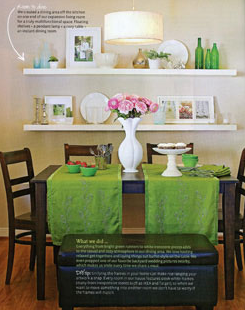
Adding a dining area to your living room can sound a little like inviting your couch and your dinner plates into a long-term relationship. At first, everyone is excited. Then the questions begin. Where does the table go? Will the chairs block the walkway? Will the room look stylish or like it lost a bet with a furniture store? The good news is that a living room dining combo can work beautifully when you treat it like a design decision, not a desperate last-minute shuffle.
In many American homes, especially apartments, condos, older houses, and open-plan layouts, a separate formal dining room is more fantasy than floor plan. That does not mean you have to eat every meal balanced over a coffee table like you are auditioning for a sitcom. A thoughtfully designed dining zone can make your home more functional, more social, and often more attractive. It creates a place for everyday dinners, weekend brunches, homework sessions, board games, and those “we should do this more often” gatherings that finally have somewhere to happen.
The secret is balance. Your living room still needs to feel like a living room, and your new dining area needs to feel intentional. That means paying attention to layout, table shape, seating, lighting, storage, and traffic flow. Once those pieces work together, the space stops feeling cramped and starts feeling clever. In other words, your living room can become a multitasking overachiever without looking stressed about it.
Why This Setup Works So Well
A dining area in the living room solves more than one problem at once. It gives you a real place to eat, entertain, and gather, while also making better use of square footage that might otherwise be underused. In homes without a formal dining room, this kind of combo layout often feels more natural than trying to squeeze a full table into a kitchen corner that was clearly designed by someone who never hosted Thanksgiving.
There is also a lifestyle advantage. Today’s homes are expected to do more. One room may need to handle movie night, takeout, birthday cake, laptop work, and occasional dramatic discussions about where the missing remote went. A combined living and dining space reflects that reality. It encourages flexibility, and when it is done well, it actually improves how people move through and enjoy the room.
Start With The Room, Not The Table
The biggest mistake people make when adding a dining area to the living room is shopping for a table before they understand the room. The table is important, sure, but layout comes first. Before you buy anything, measure the available footprint and figure out where people need to walk. You want a dining zone that fits your life, not one that turns every meal into a low-stakes obstacle course.
A good rule is to leave about 36 inches of clearance around the table when possible. That gives people enough room to pull out chairs and move around without clipping a shin or bumping a side table. If you want a buffet, cabinet, or major traffic path nearby, you may need even more breathing room. One helpful sizing method is to measure your available dining area and subtract roughly 6 feet from the total length and width. That leaves about 3 feet of clearance on each side and gives you a practical maximum table size.
Think About Traffic Flow First
Look at the natural pathways in your living room. People should be able to walk from the entry to the sofa, from the sofa to the kitchen, and from the dining area to the rest of the room without weaving like they are in a maze. If a table blocks the easiest route through the room, it will feel annoying no matter how pretty it is.
Use painter’s tape on the floor to mock up the table and chairs before you buy. It is one of the easiest ways to test scale. If the taped outline already feels crowded, the actual furniture will not magically become smaller because it has nice legs and a walnut finish.
Choose The Right Table Shape For The Space
Not all dining tables are equally friendly in a shared living room. Shape matters a lot, especially in small spaces.
Round Tables
A round dining table is often the smartest choice for a living room dining combo. It softens a room full of straight lines, improves movement because there are no corners to dodge, and usually fits well in square or compact areas. A round table around 42 to 48 inches in diameter can often seat four comfortably, which is enough for many households without dominating the room.
Drop-Leaf And Extendable Tables
If your space has commitment issues, an extendable or drop-leaf table is a hero piece. It stays compact for daily use and expands for guests. This is especially helpful when your dining area shares space with your main seating zone. You do not need a giant table every day just because you host twice a year. Let the furniture earn its square footage.
Narrow Rectangular Tables
In a long, narrow room, a slim rectangular table may work better than a round one. Look for a narrower depth so the table does not eat up the whole passageway. In especially tight spaces, placing one side near a wall can be a practical solution. It is not the grand dining hall vibe, but it is functional, and functional is underrated.
Use Design Tricks To Create A Separate Dining Zone
Once the table is in the right spot, the next job is to make the dining area look intentional. This is where zoning comes in. In an open or multipurpose room, you want clear visual signals that say, “This is where we lounge,” and “This is where we eat pasta and pretend we are very organized adults.”
Anchor It With A Rug
A rug is one of the simplest ways to define the dining area. The key is size. The rug should extend far enough beyond the table that chairs remain on the rug when pulled out. A dining rug that is too small makes the whole setup feel awkward and unstable. Also choose a material that can handle crumbs, spills, and the occasional dramatic splash of red sauce.
Hang A Pendant Light
A pendant or chandelier above the table instantly marks the dining zone. It creates a focal point and gives the area a sense of purpose. In many layouts, hanging the fixture around 30 inches above the tabletop works well for sight lines and intimacy. Bonus: lighting makes the dining area feel like a destination instead of a random table parked near the sofa.
Float The Sofa
If your room allows it, float the sofa so the back helps define the living area. This is one of the best ways to separate zones without adding walls. A sofa placed between the seating area and the dining table acts like a visual divider while keeping the room open. A slim console table behind the sofa can strengthen that separation and add storage or display space.
Repeat Colors And Materials
The dining zone and living zone should feel distinct, but they should still belong to the same room. Repeat a few materials, colors, or finishes across both areas. Maybe the black metal on the dining chairs appears again in the floor lamp. Maybe the wood tone on the table echoes the media console. That kind of visual rhythm keeps the room cohesive.
Pick Seating That Does More Than One Job
Dining chairs in a living room should work hard. They need to look good, feel comfortable, and avoid making the room feel packed. Lighter chairs, visually and physically, tend to perform best. Slim frames, open backs, or armless designs keep the space from feeling heavy.
Benches are another smart move. A bench can slide under the table when not in use, which saves precious inches. It can also double as extra living room seating when guests come over. That is the kind of multitasking furniture that deserves a little applause.
If you entertain often, stackable or easily movable chairs are worth considering. In a combo room, flexibility is everything. Furniture that can migrate from the dining area to the living area without causing chaos gives the room much more range.
Add Storage So The Space Stays Calm
A living room with a dining area can go from stylish to cluttered very quickly if there is nowhere to put the practical stuff. Placemats, candles, serving pieces, napkins, and random entertaining extras all need a home. Without storage, they end up scattered around the room like tiny reminders that your life is a work in progress.
A slim sideboard, closed cabinet, bar cart, or tall hutch can provide storage without taking over. In small homes, vertical storage is especially useful. A tall cabinet or shelving unit draws the eye upward and helps you use wall space instead of crowding the floor. If your room is tight, look for pieces that feel airy or have legs so the space still breathes.
Layout Ideas That Actually Work
The Corner Dining Zone
If one side of your living room gets good light or sits near the kitchen, claim that corner for dining. A round table, four chairs, a pendant, and a rug can turn an overlooked area into a true dining nook. This works especially well in apartments and open-plan spaces.
The Sofa Divider Layout
Place the dining table behind the sofa, with the sofa facing the main focal point of the living area. This creates two clear zones and often feels natural in rectangular rooms. It is a classic trick because it works.
The Window-Side Setup
If your living room has a large window, placing the dining table nearby can make meals feel brighter and more inviting. Natural light flatters almost everything, including your breakfast and your mood. Just make sure the table placement still allows enough room for curtains, radiators, or doors.
The Wall-Hugging Table
In very tight rooms, a small round or narrow rectangular table near a wall can be the most practical option. Pair it with a bench on the wall side and chairs on the open side. It is compact, efficient, and surprisingly charming when styled well.
Mistakes To Avoid
The first mistake is choosing a table that is too large. Oversized furniture makes the whole room feel tense. The second is treating the dining area like an afterthought. If the table looks like it wandered in from another zip code, the room will never feel resolved. The third is forgetting about lighting. A dining area without dedicated lighting often feels temporary, even if everything else is right.
Another common error is using tiny rugs. In shared spaces, undersized rugs make furniture feel disconnected. The final mistake is ignoring everyday use. If you cannot comfortably sit, walk, or clean around the dining area, the setup is not working no matter how photogenic it looks online.
Decor Moves That Make The Whole Space Feel Intentional
Once the major furniture is in place, styling is what makes the room feel polished. Art above a sideboard, a mirror to bounce light, coordinated textiles, and a centerpiece that is low enough for conversation can all help. Keep the decor edited. In a combo room, too many visual elements can make the space feel busy fast.
Color can also do a lot of heavy lifting. Soft neutrals make a small room feel airy, while warmer tones can make the dining zone feel intimate and inviting. If you love bold color, use it strategically, perhaps on dining chairs, artwork, or a dramatic light fixture. The room should feel layered, not loud.
Experiences People Commonly Have When Adding A Dining Area To The Living Room
One of the funniest things about adding a dining area to a living room is how quickly it changes the rhythm of the home. At first, many people think they are just adding a table. In reality, they are adding a whole new behavior pattern. Suddenly there is a place to drink coffee in the morning without balancing a mug on a throw pillow. There is a place to answer emails, help kids with homework, wrap gifts, play cards, or spread out takeout containers like a very unofficial tasting menu.
A lot of homeowners and renters also discover that the dining table becomes the most social spot in the house. The sofa may still win for movie night, but the table often becomes the place where conversations linger. Someone sits down “just for a second,” another person joins, and before long the room is doing exactly what a good home should do: bringing people together without making it feel forced.
There is usually a learning curve, of course. Many people realize their first table choice was too big. It looked reasonable in the store and slightly less reasonable once it arrived and swallowed half the room. Others learn that chairs matter more than expected. Heavy chairs are annoying to move, oversized chairs make the room feel crowded, and chairs with tricky fabric can become a regrettable choice after the first spaghetti incident. Real-life experience tends to teach the same lesson: pretty matters, but practical pretty wins.
Lighting is another thing people often underestimate until they live with the setup. A dining area that shares the living room’s general lighting can feel vague and unfinished. Add one pendant over the table, though, and suddenly the whole arrangement looks intentional. It feels like a room within a room. That one change can make dinners feel cozier, the layout feel smarter, and the space feel more expensive than it actually was. Which, frankly, is the dream.
Then there is the issue of flexibility. People who add a dining area to the living room often become passionate fans of extendable tables, benches, and chairs that can be borrowed by the seating area when company comes over. The room starts acting like a shape-shifter. It can host Tuesday tacos, Saturday game night, and a holiday meal with a leaf added to the table and a bit of strategic optimism. That flexibility is what makes the setup feel less like a compromise and more like a design upgrade.
There is also an emotional side to the change. A dedicated dining spot, even a small one, can make daily life feel more grounded. Meals feel less scattered. The room feels more complete. And strangely enough, many people say they use the living room more once the dining area is added, not less. The reason is simple: the whole space becomes more purposeful. Instead of one oversized zone trying to do everything vaguely, it becomes two connected zones doing specific jobs well.
Of course, nobody talks enough about the tiny realities. Crumbs will travel. Chairs will migrate. Someone will absolutely use a dining chair as temporary laundry storage at least once. But even with those everyday quirks, most people who make the switch say they would not go back. A good living room dining combo feels lived-in, welcoming, and smart. It proves that you do not need more rooms to live better. Sometimes you just need one room to finally get its act together.
Conclusion
Adding a dining area to your living room is not about squeezing furniture into a tight spot and hoping for the best. It is about creating a flexible, stylish layout that supports the way you actually live. When you choose the right table, respect clearance, define zones clearly, and add storage and lighting with intention, the room can feel bigger, better, and far more useful. The end result is a home that eats, entertains, relaxes, and adapts without missing a beat.