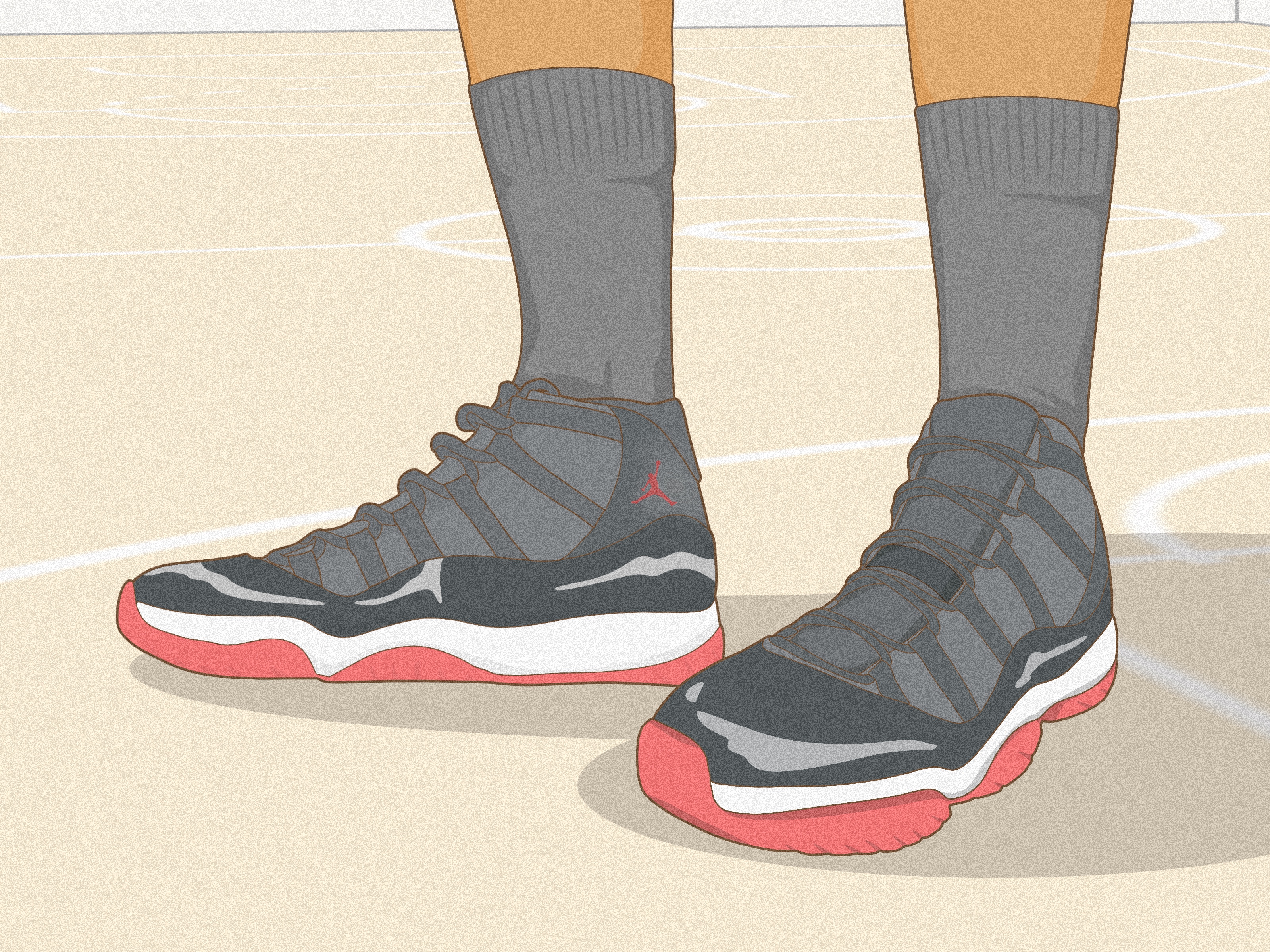
If the Air Jordan 11 had a personality, it would absolutely be the person who shows up polished, expensive-looking, and fully aware of it. The silhouette is legendary for a reason: glossy patent leather, sleek lines, sporty mesh, and that unmistakable “I might hoop in these, but I could also wear them to a very dramatic dinner” energy. Unfortunately, that same star power makes the Jordan 11 one of the most faked sneakers on the market.
So how do you tell fake Jordan 11s from real 11s without turning into a full-time sneaker detective? The answer is not one magic trick. It is a checklist. Real pairs usually get the overall shape, materials, labels, outsole details, branding, and packaging working together like a band that actually rehearsed. Fake pairs often get one or two things right, then completely face-plant on the rest.
This guide breaks down exactly how to spot fake Jordan 11s vs. real 11s using the details serious buyers, resellers, and authentication teams tend to focus on. Whether you are hunting for Concords, Breds, Cool Greys, Cherrys, Jubilees, or a low-top release, these expert insights will help you shop smarter and avoid paying premium money for bargain-bin nonsense wearing a glossy disguise.
Why Jordan 11s Get Faked So Often
The Jordan 11 is a perfect storm for counterfeiters. It is iconic, collectible, highly wearable, and tied to some of the most beloved releases in sneaker culture. On top of that, the silhouette has instantly recognizable design cues: patent leather mudguard, mesh or ballistic-style upper panels, a translucent outsole on many versions, a carbon-fiber support piece, and signature heel branding. In other words, it is famous enough that buyers know what it should look like, but complex enough that bad copies still slip through when shoppers rush.
That is why the smartest approach is not to ask, “Does this look kind of right?” It is to ask, “Do all the details agree with each other?” Real Jordan 11s tend to tell one consistent story. Fake pairs usually sound like three different witnesses trying to describe the same getaway car.
The Fastest Real vs. Fake Jordan 11 Checklist
If you only remember one section from this article, make it this one. Before buying, check these areas:
- The overall shape and silhouette
- The cut, height, and shine of the patent leather
- The texture and quality of the upper mesh or nylon
- The stitching consistency around the mudguard and heel
- The Jumpman logo and heel details, including the “23” or release-specific branding
- The outsole translucency, traction pattern, and carbon-fiber support plate
- The size tag inside the shoe and the style code on the box
- The quality of the box label, tissue paper, inserts, and packaging
- The seller’s photos, reputation, and whether the pair goes through authentication
If a pair looks great from ten feet away but gets weird when you zoom in, congratulations, you have entered fake Jordan 11 territory.
Start With the Shape: Real Jordan 11s Usually Look Cleaner
The first thing experts notice is shape. Real Jordan 11s tend to have a sleek, balanced silhouette. The toe area usually looks streamlined rather than bulky. The side profile feels intentional, not swollen. The collar height and heel structure also look proportional, rather than awkwardly tall or oddly collapsed.
Counterfeit pairs often miss the geometry. Some look too chunky through the forefoot. Others have a boxier toe shape or a sloppy, overbuilt heel. The shoe may seem “off” without you being able to explain why. Trust that instinct, then start comparing the pair against official product photos for that exact release.
This is where many buyers make a mistake: they compare a questionable pair to a random Jordan 11 they found online. That is not enough. Jordan 11 releases vary in color blocking, materials, heel details, lining, and even the tone of the outsole. You must compare the sneaker to official images of the same colorway and cut. A high-top cannot be judged like a low-top, and one year’s retro can differ slightly from another.
Patent Leather Should Look Sharp, Not Cheap
The patent leather mudguard is one of the easiest places to catch a fake. On authentic Jordan 11s, the patent leather usually looks smooth, cleanly wrapped, and confident. It should feel deliberate, not wavy or hesitant. Depending on the release, it may be cut a little higher or lower, but it should look symmetrical and neatly applied on both shoes.
Fake Jordan 11s often blow this part. Common problems include patent leather that sits too high, looks too thick, wrinkles strangely, or reflects light in a plasticky, toy-like way. On some bad pairs, the mudguard edge looks uneven, as if the shoe lost a fight with a glue gun. On others, the shine is too dull or too exaggerated, which sounds contradictory until you see it in person and think, “Wow, this is glossy in all the wrong ways.”
Also compare the curve of the patent leather around the toe. Authentic pairs usually have cleaner, more natural lines. Fakes may look clumsy or too steep, especially where the mudguard rises along the lateral side.
Check the Upper Material: Mesh, Nylon, and Texture Matter
Jordan 11s are not just about shine. The upper material matters just as much. Many authentic pairs use mesh or ballistic-style nylon that looks structured, durable, and consistent. It should not feel flimsy or random. The weave should appear even, and the panels should align cleanly with the patent leather below.
Counterfeit pairs often miss the texture. The mesh can look too loose, too flat, too shiny, or just plain cheap. In photos, fake uppers sometimes appear limp or oddly stiff. If the upper looks like it came from a discount costume shoe that moonlights as a basketball sneaker, that is not a great sign.
Pay attention to symmetry too. Real pairs usually look matched from left to right. If one shoe appears to have a different panel shape, mesh tension, or lace placement than the other, the red flag is officially waving.
Stitching Can Expose a Fake in Seconds
Clean stitching is one of the least glamorous but most reliable legit checks. Authentic Jordan 11s typically have tidy, even stitching around the mudguard, eyestays, heel, tongue, and collar. The lines should be consistent, without skipped stitches, drifting rows, or obvious messes.
Fake pairs often get lazy here. You may see crooked stitching, loose threads, uneven spacing, or sloppy curves where the patent leather meets the upper. A counterfeit can still look pretty decent in a social-media photo, but the stitching often tells the truth once you zoom in.
That said, do not panic over one tiny manufacturing imperfection. Real sneakers are mass-produced, not carved by elves in a moonlit workshop. Look for patterns of poor execution, not one isolated flaw.
The Jumpman, Heel Tab, and “23” Need to Make Sense
Branding details are another major giveaway. On authentic Jordan 11s, the Jumpman logo usually looks crisp and well-placed. The embroidery should be clean, the shape should be recognizable, and the logo should not look swollen, flattened, or weirdly athletic in a completely new and unintended way.
The heel is also important. Many Jordan 11s feature “23” on the back, while some releases use different heel branding details. Whatever is supposed to be there should be centered, clean, and properly sized. On fake pairs, the heel number can be crooked, stretched, too low, too high, or poorly stitched. Sometimes the spacing looks wrong. Sometimes the digits look oddly thick. Sometimes they look like they were applied by a very nervous intern.
Always compare heel branding to verified release images for that exact pair. This step alone saves buyers from a shocking number of expensive mistakes.
Look Underneath: Outsole and Carbon-Fiber Details Matter
Flip the shoe over. The outsole on a real Jordan 11 is one of the most useful authentication zones. Authentic pairs commonly feature a translucent rubber outsole and a visible support plate through the midfoot area, along with traction that should look sharp and well-defined. Many real pairs also show a herringbone-style traction pattern with strong visual clarity.
On fake Jordan 11s, the outsole may look too cloudy, too dull, too blue, or strangely milky compared with authentic examples of the same release. The traction pattern may appear softer or less precise. The carbon-fiber or midfoot support area can also look cheap, flat, or visually inaccurate.
One important warning: outsole color can vary by release and can also appear different in bad lighting. Do not rely on sole color alone. Use it as part of a bigger picture. Some model-specific legit checks also use UV light or release-specific outsole behavior, but those clues are best treated as backup evidence, not universal law.
The Inside Label and Style Code Are Non-Negotiable
If the seller refuses to show the inner size tag, start hearing alarm bells. The inside label is one of the most important details on any Jordan legit check. You want to inspect the printing quality, font clarity, spacing, country-of-manufacture info, sizing layout, and most importantly, the style code.
The style code should match the product code associated with that release and should also match the code on the box label. If the box says one thing and the shoe says another, that pair has some explaining to do. Real labels usually look clean and sharply printed. Fakes often show blurry text, odd spacing, crooked placement, or font inconsistencies that become obvious next to known authentic examples.
Be careful with pairs that have damaged labels, missing labels, or conveniently “forgotten” box photos. Sometimes that is innocent. Sometimes it is the sneaker equivalent of a fake mustache.
Do Not Ignore the Box
Sneaker buyers love to focus on the shoe and forget the packaging. Big mistake. Authenticators routinely check the box, labels, tissue paper, and inserts because counterfeiters frequently cut corners there. A fake Jordan 11 may come with a wrong box color, wrong label format, fuzzy printing, bad spacing, incorrect retail sticker placement, or packaging that simply does not match the release.
The box label should be legible and professionally printed. The style code, size information, and model naming should make sense. If the label looks low-resolution or the box itself feels flimsy compared with known authentic examples, take that seriously.
Still, remember this: a correct box does not automatically make the shoes real. Boxes can be swapped. Think of the box as supporting evidence, not the final verdict.
Release Differences Are Real, So Compare the Exact Pair
This is where many online buyers get burned. They learn one fake-vs.-real trick from a video about one release, then try to apply it to every Jordan 11 ever made. Sneaker authentication does not work that way. Different colorways and retros can vary in materials, outsole tint, lining, heel branding, and packaging details.
For example, a clue that works well for a specific low-top release may be much less helpful on a holiday retro high. That is why the smartest move is always side-by-side comparison with official product images and trusted marketplace photos of the exact shoe you want.
Where You Buy Matters Almost as Much as What You Buy
Even the best legit-check skills are not a substitute for buying through safer channels. If a marketplace offers professional authentication, use it. Platforms that physically or digitally inspect sneakers often examine labels, stitching, soles, logos, heel tabs, laces, color, texture, and packaging before the pair reaches the buyer. That extra layer can dramatically reduce your risk.
If you are buying from an individual seller, ask for detailed photos of the following:
- Both lateral and medial sides
- Toe boxes from above and from the front
- Heel tabs and heel branding
- Jumpman logos
- Outsoles and midfoot support plate
- Inner size tags
- Box label and packaging
Also check the seller’s feedback, previous sales, return policy, and willingness to answer questions. A trustworthy seller usually does not get offended when you ask for clear photos. A suspicious seller often acts like you just requested their Social Security number and dental records.
Common Mistakes Buyers Make
Buying on price alone
If the deal looks too good to be true, stretch first, because you are about to leap into regret. Jordan 11s are rarely “crazy cheap” for no reason.
Trusting one photo
A single angled side shot is not authentication. It is marketing.
Using only one clue
One weird stitch does not make a shoe fake, and one decent logo does not make it real. Use a full checklist.
Ignoring release-specific differences
Always compare the exact model, colorway, and cut.
Assuming confidence equals authenticity
A seller saying “100% legit, bro” is not evidence. It is a sentence.
Expert Takeaway: Think Like an Authenticator
If you want to spot fake Jordan 11s vs. real 11s like a pro, stop looking for one dramatic smoking gun. Instead, think like an authenticator. Examine the shoe as a system. Does the shape match? Do the materials feel premium and consistent? Is the patent leather cut right? Do the outsole and support details line up? Does the box agree with the label? Does the seller’s story match the product in front of you?
Authentic Jordan 11s usually pass because the details reinforce each other. Fake pairs usually fail because one shortcut leads to another. And then another. And then suddenly the heel number is crooked, the mesh looks tired, the outsole is ghostly, and the box label seems to have been printed by a potato.
Take your time, compare carefully, and when in doubt, buy through a platform with authentication. In the world of collectible sneakers, patience is cheaper than getting cooked.
Real-World Experiences: What Buyers Usually Notice First
Ask enough sneaker buyers about fake Jordan 11s and you start hearing the same story with different costumes. At first glance, the pair looks good. Maybe even great. The seller uses flattering lighting, angles the patent leather just right, and throws in a box shot for extra confidence. Everything feels exciting right up until the buyer gets the shoes in hand and that tiny voice in the back of the brain says, “Hmm. Something here is a little goofy.”
For some people, the first red flag is the shape. They pull the shoes out of the box and notice the toe looks puffier than expected. Others spot the patent leather immediately. Instead of looking sleek and premium, it looks thick and overdone, like the sneaker is wearing too much clear lip gloss. A lot of buyers also talk about the heel area. On a fake pair, the back of the shoe can look strangely stiff, oddly tall, or just plain clumsy compared with the smooth, balanced look they expected from real 11s.
Then there is the photo-versus-reality problem. A pair can look convincing online and fall apart under normal room lighting. Stitching that seemed fine in listing photos suddenly looks uneven. The Jumpman that appeared sharp now looks chunky. The outsole that looked icy and clean on a seller’s page now seems cloudy or wrong for the release. It is not that buyers become experts overnight. It is that bad details get louder in person.
Experienced resellers often say the best habit is slowing down before money changes hands. They compare the size tag, check the style code, inspect the heel branding, and ask for outsole photos. They also know not to rely too heavily on one viral “legit check” trick. Real sneaker experience teaches that fake pairs fail in clusters. If the label is strange, the box is questionable, and the patent leather cut is off, that is usually enough to walk away without waiting for a dramatic final clue.
Another common experience is buyer overconfidence. Someone thinks they can judge authenticity from one side-view image because they have owned Jordan 11s before. Then they miss the mismatched label, the off-center “23,” or the strange outsole pattern because they were too focused on the overall vibe. The Jordan 11 is one of those shoes that rewards close inspection and punishes assumptions.
Seasoned buyers also learn that the seller’s behavior matters almost as much as the shoe itself. A good seller usually provides detailed photos quickly and answers direct questions without getting weird. A bad seller dodges the inner tag photo, crops out the box label, or acts offended when asked for outsole shots. That reaction alone has saved people from bad purchases more times than any flashlight, blacklight, or magnifying glass ever could.
In the end, the most useful experience-based lesson is simple: authentic pairs feel coherent. Even before you break down every detail, real Jordan 11s tend to look and feel like a finished product. Fakes often feel like a close-enough imitation that starts unraveling the second you inspect the details with patience. That is why the smartest buyers do not rush, do not chase suspicious deals, and do not let hype override common sense. Because nothing ruins the thrill of buying Jordan 11s faster than realizing your “grail” has the craftsmanship of a Halloween prop.
Conclusion
Learning how to spot fake Jordan 11s vs. real 11s is really about training your eye to notice consistency. Authentic pairs usually nail the signature formula: the sleek shape, the polished patent leather, the quality upper, the clean stitching, the correct heel details, the proper outsole design, and labels that match the box and release. Counterfeits may copy the silhouette, but they often fail to copy the discipline behind it.
That is the real expert insight. Do not hunt for one magical tell. Build a process. Compare the exact release, inspect the small details, question anything that feels off, and lean on authentication-backed marketplaces when the price is too serious for guesswork. Because when it comes to Jordan 11s, the goal is not just buying heat. It is buying the real heat.