Matted cat fur is not just a beauty problem. It is a tiny, furry alarm bell. Mats pull on the skin, trap dirt and moisture, hide sores, and can turn your elegant little house panther into a walking ball of discomfort. If the coat is badly tangled, your cat is not being “dramatic.” Your cat is being a cat with a very valid complaint.
The good news is that some minor matting can be managed carefully. The not-so-fun news is that severe matting is often a job for a veterinarian or an experienced cat groomer, not for a brave soul with a pair of scissors and misplaced confidence. This guide walks through a safe, practical, and realistic approach to shaving a matted cat, with the emphasis exactly where it belongs: on safety, patience, and knowing when to stop.
Before You Start: The Most Important Rule
If the mats are tight against the skin, spread over large areas, located near the face, armpits, belly, genitals, or anus, or your cat is elderly, overweight, painful, aggressive, or panicking, skip the do-it-yourself heroics and call a vet or cat groomer. Cat skin is thin, delicate, and easy to nick. A “quick trim” can become a “surprise veterinary bill” faster than a cat can teleport off the table.
Also, never reach for household scissors to cut out mats. That move feels clever right up until the moment it is not. Clippers are safer than scissors, but even clippers require caution, patience, and a cat who is willing to cooperate for more than four dramatic seconds.
How to Shave a Matted Cat: 15 Steps
1. Decide whether this is really a home job
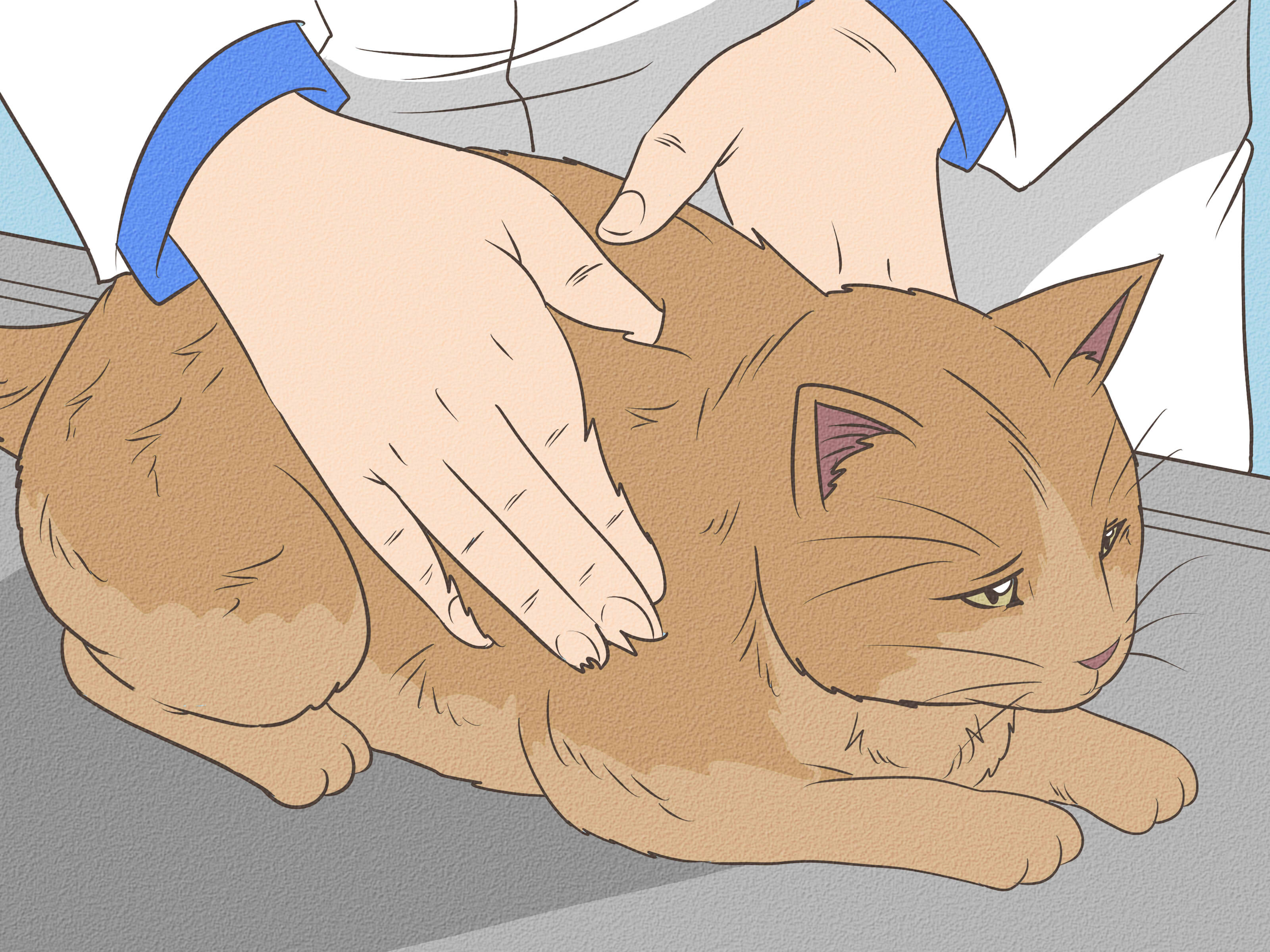
Start with a full-body visual check. Are the mats small and isolated, or is your cat wearing a full felt blanket? Small tangles may be manageable. Tight mats that look fused to the skin usually are not. If you see redness, odor, dampness, scabs, fleas, fecal mess, or skin that seems sore underneath, stop and book professional help.
2. Choose the calmest moment possible
Do not attempt this when your cat has zoomie energy, post-dinner chaos, or an active campaign against human authority. Pick a time when your cat is sleepy, settled, and least likely to treat the clipper as a personal insult. A short play session beforehand can help burn off some steam.
3. Set up a quiet, escape-proof grooming space
Use a small room with the door closed. Put down a non-slip towel or mat on a sturdy surface. Keep the lighting bright enough to clearly see the skin under the coat. Your mission is to reduce surprises, reduce slipping, and reduce the odds of your cat vanishing under the bed like a furry ninja.
4. Gather the right tools before you touch the cat
You will want pet clippers, a comb, a slicker brush for loose coat, towels, treats, and a helper if your cat tolerates another human in the room. Do not improvise with random human grooming gear and hope for the best. This is not a reality show challenge.
5. Brush only what is loose enough to brush
Before shaving, gently test the coat. If a tangle moves freely and your cat is comfortable, you may be able to tease it apart with fingers or a comb. If the mat is tight, pulling on it will hurt. Pain teaches cats to hate grooming, and once that lesson sticks, your future self will not be thrilled.
6. Skip the bath until after the mats are gone
Bathing a badly matted cat before removing the mats usually makes the problem worse. Water can tighten tangles, and wet mats are even less cooperative than dry ones. Think of them as tiny wool sweaters that went through a shrinking cycle and came back with attitude.
7. Turn the clippers on nearby first
Let your cat hear the sound before the clippers touch the coat. Offer treats and praise so the noise does not become the soundtrack of doom. Some cats object to the vibration more than the trimming itself, so this small introduction step can save you a lot of drama.
8. Start with the least sensitive area
Do not begin near the belly, rear end, or armpits unless you enjoy living dangerously. Start somewhere safer, such as a mat on the side or back, where you can evaluate how your cat reacts. A successful first pass builds confidence for both of you.
9. Hold the skin steady and keep the mat visible
Cat skin can bunch, shift, and fold under mats, which is one reason shaving them is tricky. Use your free hand to keep the skin flat and visible while you work slowly. If you cannot clearly see what is happening under the mat, that is your sign to stop and let a professional handle it.
10. Shave small sections, not giant swaths
Clip a little at a time. Do not try to bulldoze through the whole mat in one pass like you are mowing a lawn. Slow, controlled trimming is safer and much less stressful. The goal is not speed. The goal is a cat that finishes the session with dignity, intact skin, and only moderate contempt.
11. Check the blade temperature often
Clippers heat up. Hot blades can irritate or burn skin, especially when the skin is already sensitive under a mat. Pause frequently, turn the clippers off, and test the blade against your inner wrist. If it feels too warm for you, it is too warm for your cat.
12. Stop the second your cat stops coping
Tail lashing, skin twitching, growling, hissing, swatting, panting, or frantic wriggling are not signs that your cat needs a motivational speech. They are signs that the session is over. A short, calm session is better than a wrestling match that ends with scratches, fear, and zero progress.
13. Check the skin under every removed mat
Once a mat is off, inspect the area. You may find redness, dandruff, sores, parasites, urine scald, fecal residue, or hidden wounds. Mats are sneaky little carpets. They hide problems well. If the skin looks inflamed or damaged, your next call should be to a veterinarian.
14. Reward generously and let the cat reset
Offer treats, praise, and a break after every small win. This matters more than people think. Cats remember unpleasant handling, and a few positive experiences can make future grooming sessions dramatically easier. In cat terms, this is called “earning a temporary ceasefire.”
15. Make prevention your long-term strategy
Once the mats are gone, keep them gone. Brush regularly, especially on the chest, belly, underarms, rear end, and behind the ears. Long-haired cats often need daily or near-daily coat checks. Senior cats, overweight cats, and cats with arthritis may need extra grooming help because they cannot reach every area comfortably anymore.
When You Should Not Shave a Matted Cat at Home
There are times when the safest move is doing less, not more. If your cat has full-body matting, pelted fur, skin infections, fecal mats near the rear, a very anxious temperament, or a medical issue that affects grooming, professional help is the right answer. Vets and experienced groomers can work more safely, and in some cases a veterinarian may recommend sedation when removal would otherwise be too painful or too stressful.
This matters especially for senior cats, obese cats, and cats with arthritis. These cats often develop mats not because they are lazy, but because grooming hurts or they cannot physically reach parts of their body. In those cases, shaving the mats solves only half the problem. The other half is figuring out why the matting happened in the first place.
Common Mistakes People Make
The first mistake is using scissors. The second is brushing too hard and calling it “determination.” The third is trying to finish the entire coat in one marathon session. The fourth is bathing before mat removal. The fifth is ignoring the cause of the matting once the coat looks better.
Another common error is assuming all mats are equal. They are not. A loose tangle is annoying. A skin-tight mat is a different beast entirely. It can pull painfully, restrict movement, hold moisture against the skin, and hide infections or parasites. Treating both situations the same way is like calling a paper cut and a broken lamp “minor household issues.” Technically true. Emotionally inaccurate.
How to Prevent Mats From Coming Back
Prevention is far easier than rescue grooming. Check the coat a few minutes each day. Focus on friction zones where hair rubs and tangles: behind the ears, under the collar, under the front legs, around the hindquarters, and along the belly. Use a comb that reaches through the coat, not just across the top.
Keep litter habits, weight, mobility, and grooming behavior on your radar. A cat who suddenly stops grooming may be dealing with pain, obesity, dental disease, arthritis, or another health issue. In other words, mats can be a grooming problem, but they can also be a medical clue wearing a fur disguise.
Final Thoughts
If you are trying to figure out how to shave a matted cat safely, the real answer is not “be brave.” It is “be careful.” A small mat on a calm cat may be manageable with patience, clippers, and common sense. A heavily matted coat is different. That is when a veterinarian or skilled cat groomer earns every penny.
The smartest cat grooming plan is simple: remove minor tangles early, avoid painful pulling, never use scissors on tight mats, and ask for professional help before a stressful grooming session turns into an injury. Your cat may not write you a thank-you note, but a comfortable coat is very close to the feline version of gratitude.
Extra Insights: Real-Life Experiences With Matted Cats
One of the most common experiences people describe when dealing with a matted cat is surprise. They notice one knot near the back leg, then another behind the ear, and suddenly discover that the cat has been quietly collecting a whole secret quilt under the topcoat. This happens a lot with long-haired cats because the outer fur can look decent while the undercoat is staging a rebellion. Owners often feel guilty when they finally realize how bad it is, but the better response is not guilt. It is action.
Another very real experience is learning that a cat who seems “fine” is actually uncomfortable. A cat may still eat, nap, glare from a bookshelf, and maintain a normal schedule while mats pull on the skin every time it walks. Many people do not understand how painful matting can be until the mats are removed and the cat suddenly starts moving better, grooming more, and acting younger. It is one of those quiet-before-and-after changes that makes people say, “Oh. Wow. You were really uncomfortable, weren’t you?”
Grooming sessions themselves tend to teach the same lessons over and over. First, short sessions usually work better than ambitious ones. Second, the cat’s mood matters more than the human’s schedule. Third, helpers are wonderful only if the cat agrees with that opinion. Some cats calm down with a familiar person offering treats. Others become twice as suspicious, as if they are being targeted by a conspiracy with snacks.
Many owners also discover that matting is often tied to a bigger issue. Senior cats may struggle because arthritis makes twisting and bending painful. Overweight cats may not reach their lower back or rear end comfortably. Cats with dental pain, skin disease, or stress may stop grooming efficiently. In those cases, removing the mats helps, but it does not solve the root problem. The experience becomes less about “bad fur” and more about understanding what the cat has been trying to communicate without using words.
Professional grooming stories share a common theme too: relief. People often worry that taking a cat to the vet or groomer means they have failed. In reality, it usually means they made a smart decision. Severe matting can be removed faster, more safely, and with less stress when handled by people who do this regularly. Some cats need sedation for humane mat removal, and while that can sound dramatic, it is often kinder than forcing a painful struggle at home.
The biggest long-term lesson from these experiences is that prevention feels boring right up until the day it saves you from a major de-matting project. A two-minute comb check behind the ears and under the legs does not seem glamorous. It will never go viral. But it works. And in the glamorous, mysterious, mildly judgmental world of cat care, “works” is a very beautiful word.