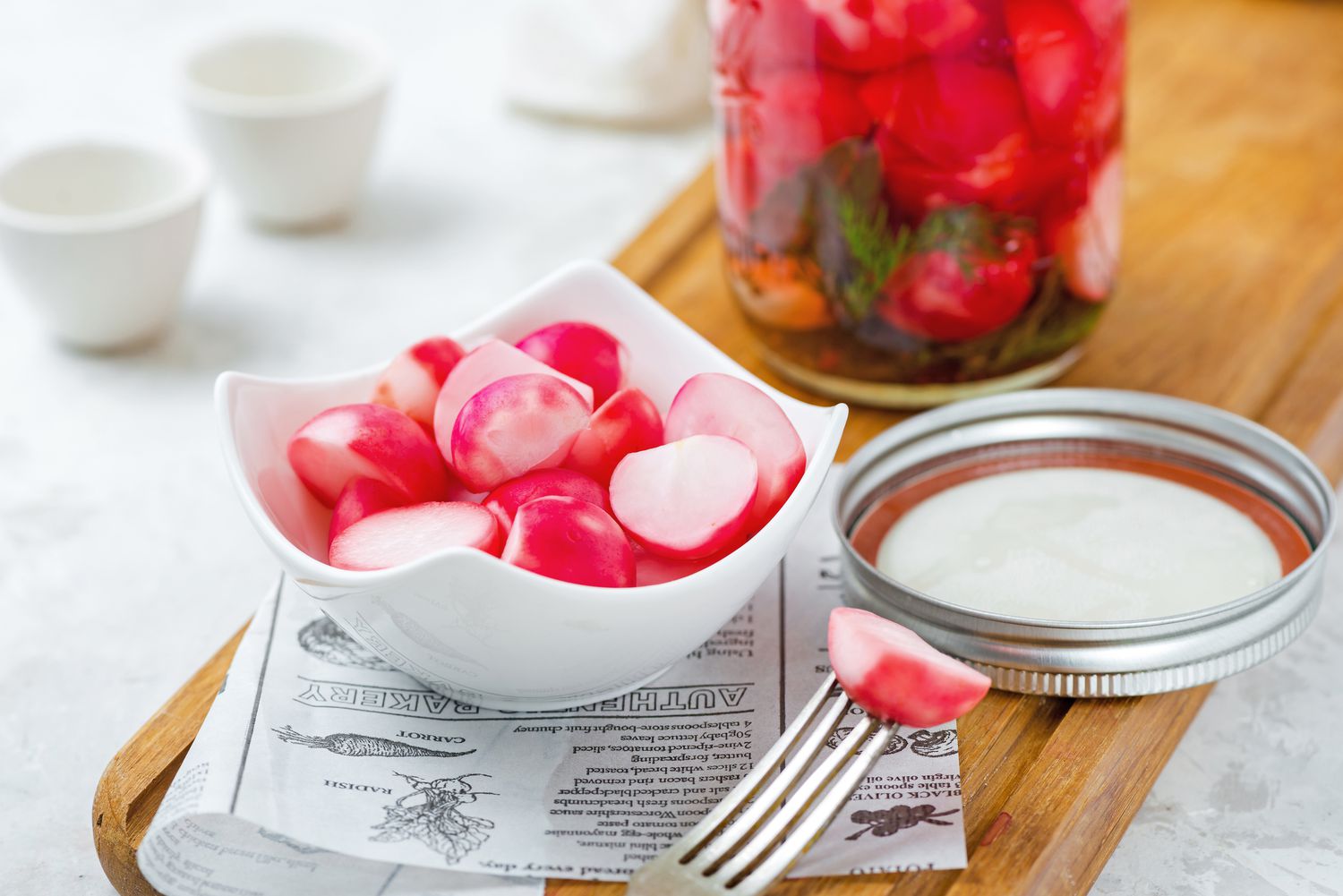
Radishes are basically the extroverts of the produce drawer: bright, crunchy, a little spicy, and somehow still perky
after spending a week next to a sad bag of spinach. But give them vinegar, salt, and one night in the fridge, and
they turn into the kind of topping that makes everything taste like you planned dinner on purpose.
This is a true refrigerator pickleno canning, no mystery lids, no “Did I just invent botulism?” panic.
You’ll slice, pour, chill, and then, 24 hours later, you’ll have crisp, tangy radishes that wake up tacos, salads,
rice bowls, sandwiches, burgers, and even boring leftovers that were one sigh away from the trash.
Why 24 Hours Makes a Big Difference
Quick pickles can taste good in 15 minutes, but 24 hours is the sweet spot where the brine fully seasons
the radish without turning it limp. In that time, the radishes mellow (less sharp bite), stay snappy (if you treat
them right), and take on whatever flavors you toss ingarlic, peppercorns, dill, chile, citrus, you name it.
The Basic Formula (So You Can Stop Measuring Like It’s a Chemistry Final)
This recipe uses a classic refrigerator-pickle approach: vinegar + water + salt + a little sweetener.
Think “bright and tangy” with enough balance that your mouth doesn’t feel like it licked a battery.
- Vinegar: Provides tang and helps preserve.
- Water: Softens the acidity so the pickles taste clean, not aggressive.
- Salt: Seasons, pulls moisture from the radish, and improves texture.
- Sugar/honey: Optional but highly recommended to round out sharp flavors.
- Aromatics/spices: Where you can be an artist instead of an accountant.
Quick 24-Hour Refrigerator-Pickled Radishes Recipe
Ingredients (Makes about 1 pint / 2 cups)
- 1 bunch radishes (about 10–12 medium), trimmed
- 1/2 cup distilled white vinegar (5% acidity) or apple cider vinegar
- 1/2 cup water
- 1 1/2 teaspoons kosher salt (or 1 teaspoon fine sea salt)
- 1 1/2 tablespoons sugar or 1 tablespoon honey (adjust to taste)
- 1 small garlic clove, smashed (optional but charming)
- 1 teaspoon mustard seeds (optional, adds gentle warmth)
- 1/2 teaspoon black peppercorns (optional)
- Pinch of red pepper flakes or a few thin jalapeño slices (optional, for heat)
Tools
- Clean pint jar with lid (or any nonreactive container)
- Small saucepan or microwave-safe measuring cup
- Knife or mandoline (carefulradishes are slippery little jokers)
Step-by-Step Instructions
-
Slice the radishes. For maximum crunch, slice into thin rounds (about 1/8 inch). For a bolder bite,
cut into matchsticks or half-moons. Consistent thickness = consistent pickling. -
Pack the jar. Add radishes to a clean jar. Tuck in garlic, mustard seeds, peppercorns, and chile if using.
Don’t smash everything down like you’re trying to win a jar-stuffing contestjust pack snugly. -
Make the brine. In a small saucepan, combine vinegar, water, salt, and sugar/honey.
Warm just until the salt and sugar dissolve (you don’t need a rolling boil). Then let it cool for 5 minutes.
Why warm it? It dissolves seasonings quickly and infuses aromatics fasterwithout cooking the radishes into sadness. -
Pour and submerge. Carefully pour the brine over the radishes until fully covered. If pieces float,
gently press them down with a clean spoon. (Radishes love to bob like they’re in a tiny spa.) -
Cool, cover, refrigerate. Let the jar cool to room temp, then cover and refrigerate.
You can snack after an hour, but the magic happens at 24 hours.
When They’re Ready
At 24 hours, the radishes should taste tangy, lightly sweet, and well-seasoned, with a crunch that makes your
salad sound like it has confidence. If they’re too sharp, add a touch more sugar. If they’re too mild,
add a splash more vinegar. This is your jar. You’re the boss.
Flavor Variations (Because Plain Is Fine, but Chaos Is Delicious)
1) Taco Shop Style
- Use apple cider vinegar
- Add 1/2 teaspoon cumin seeds, a pinch of oregano, and a strip of lime zest
- Optional: thin sliced red onion for bonus crunch
2) Dill & Garlic “Sandwich Saver”
- Add 1–2 sprigs fresh dill (or 1/2 teaspoon dried dill)
- Add an extra garlic clove
- Great on turkey sandwiches, smoked salmon toast, and bagels that need excitement
3) Ginger-Sesame Crunch
- Swap half the vinegar for rice vinegar
- Add a few slices of fresh ginger
- Finish servings with toasted sesame seeds
- Perfect for rice bowls, noodles, and dumplings
4) Pink Peppercorn Citrus
- Add 1/2 teaspoon pink peppercorns
- Add a strip of orange zest
- This one tastes fancy even if you eat it over the sink
How to Keep Pickled Radishes Crisp
Refrigerator pickles are low-stress, but crispness has a few rules. Follow these and your radishes will stay
snappy instead of turning into pink coins of regret:
- Start cold and fresh: Firm radishes pickle better than ones that already feel soft.
- Don’t boil the radishes: Warm the brine to dissolve salt/sugar, but avoid cooking the vegetables.
- Slice evenly: Thin rounds pickle fast; thicker cuts stay punchier and crunchier.
- Keep them submerged: Exposed slices dry out and can discolor.
- Optional crisp helper: A tiny pinch of calcium chloride (“pickle crisp”) can boost crunch, if you keep it around.
Food Safety and Storage (The Calm, Responsible Part)
These are refrigerator pickles, not shelf-stable canned pickles. That means:
- Store in the fridge the whole time.
- Use a clean jar and clean utensils to avoid contamination.
- Best texture: 1–2 weeks. Still usually good: up to 2–4 weeks, depending on cleanliness and fridge temperature.
- When to toss: mold, off smells, slimy texture, or an aggressively cloudy brine that looks suspicious.
What to Serve with Pickled Radishes
You’ll quickly realize these are less of a “side dish” and more of a “fix my whole personality” condiment.
Try them on:
- Tacos (especially fish, carnitas, or mushroom)
- Avocado toast (yes, still legal)
- Salads that need crunch and brightness
- Grain bowls with roasted vegetables
- Burgers, hot dogs, pulled pork sandwiches
- Eggs: scrambled, fried, deviledradishes don’t judge
- Charcuterie boards (instant color and snap)
Troubleshooting: Common Pickle Problems
“They’re too sharp!”
Add 1–2 teaspoons more sugar/honey, or dilute with a splash of water. Next time, use apple cider vinegar for a softer tang.
“They’re too salty!”
Add a bit more water and vinegar in equal parts to rebalance. Also check your salt typefine salt is stronger by volume than kosher.
“They lost crunch.”
Radishes may have been older, sliced too thin, or exposed to very hot brine. Next time: fresher radishes, slightly thicker slices,
and only warm (not boiling) brine.
24-Hour Pickled Radish “Experiences” From Real-Life Kitchens (Extra )
If you’ve never made refrigerator pickles before, the first experience is usually a mix of confidence and mild suspicion.
You slice radishesalready a small victory because they roll away like tiny wheelsthen you pour a brine over them and think,
“That’s it? I don’t have to sterilize anything? No dramatic popping lids? No ancient preserving spell?” Exactly. The fridge is doing
the heavy lifting, and it’s surprisingly reliable at not starting a fermentation project you didn’t sign up for.
The second experience happens around hour two: you open the fridge “just to check,” then you take a sneak bite. The radish is still
mostly radishpeppery, bright, a little rawbut now it’s wearing a tangy jacket. This is when you start imagining every possible use.
You mentally add it to tacos you haven’t even made, salads you don’t want to eat, and sandwiches that currently exist only as a daydream.
It’s also when you realize the brine smells incredible, and you start wondering if it would be weird to sip it. (It would. But we’ve all thought it.)
The big “aha” moment is the next day. At 24 hours, the flavor is deeper and more balancedless sharp, more rounded, more snackable.
People often describe the crunch as the best part, because it’s a different crunch than raw radishes: not just crisp, but crisp with
purpose. The acidity makes the bite feel brighter, and the sweetness (even a small amount) takes the edge off. If you added garlic,
it’s mellow and fragrant instead of punchy. If you added chile, it’s a clean heat that wakes up rich foods.
Another common experience: the jar becomes a “fridge upgrade.” You know that feeling when you open the fridge and everything looks like
ingredients rather than food? A jar of pickled radishes fixes that. Suddenly, leftovers feel intentional. A bowl of rice and beans feels
finished. A basic turkey sandwich becomes a sandwich with opinions. You might even start making them when you buy radishes automatically,
because you’ve learned the truth: pickled radishes are less about preserving and more about making weekday meals feel a little less weekday.
And finally, the funniest experience is the “where did they go?” phenomenon. You make a full jar. You feel proud. You plan to use them
responsibly over the next two weeks. Then, mysteriously, the jar empties in three days because every time you walk past the fridge you
take “one slice,” and one slice has a way of turning into eight. Congratulationsyour radishes just got promoted from side vegetable to
main character.
Conclusion
Refrigerator-pickled radishes are the fastest way to turn a humble bunch of radishes into a crunchy, tangy condiment you’ll want on
everything. With a simple brine, a clean jar, and a 24-hour nap in the fridge, you get bright flavor, satisfying crunch, and endless
meal upgradesno canning gear, no stress, and no boring bites.