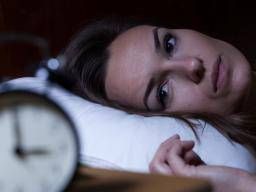
There is a special kind of annoyance reserved for the first night in a new place. You finally arrive at the hotel, guest room, dorm, rental house, or hospital bed. You are tired. You are absolutely, sincerely, Oscar-worthy ready to sleep. And yet your brain decides this is the perfect moment to become a part-time security guard, part-time weather radar, and full-time drama club.
If that sounds familiar, you are not imagining it. Many people sleep worse on their first night in an unfamiliar environment. Sleep researchers even have a name for it: the first-night effect. In plain English, your brain does not fully trust the new setting yet, so it keeps part of its attention slightly raised instead of diving into deep, peaceful sleep like a happy sea otter on vacation.
This article explains why we sleep badly during the first night in a new place, what is happening inside the brain and body, which factors make the problem worse, and what you can actually do to improve your odds of sleeping like a civilized human instead of a startled squirrel. We will also cover common first-night sleep experiences people report, because sometimes the most comforting sentence in the English language is: “Oh good, it’s not just me.”
What is the first-night effect?
The first-night effect is a well-documented sleep phenomenon in which people tend to sleep more lightly, wake up more often, and feel less rested on the first night in a new environment. Researchers first noticed it in sleep labs, where participants often slept differently during the first recorded night than they did on later nights. That led scientists to realize the setting itself was influencing sleep.
Later studies suggested the effect is not limited to laboratories. It can happen in hotels, vacation rentals, dorm rooms, relatives’ houses, and other unfamiliar sleeping environments. In other words, your brain does not care whether the room is five-star luxury or just Aunt Linda’s aggressively floral guest bedroom. If it feels new, your sleep may get weird.
One of the most interesting explanations comes from research suggesting that, during the first night in a novel environment, one hemisphere of the brain may remain more vigilant than the other during sleep. Think of it as your brain assigning one side to “night watch” duty. Very thoughtful. Very protective. Also very rude when you have a 7 a.m. meeting.
Why your brain gets suspicious in a new place
Humans like to think of themselves as highly evolved creatures with calendars, mortgages, and strong opinions about coffee grinders. But the sleeping brain still carries some ancient instincts. When you are in an unfamiliar place, your brain has less information about safety, sound patterns, room layout, temperature shifts, and possible disturbances. That uncertainty can keep your nervous system slightly more alert.
From an evolutionary point of view, this makes sense. A familiar room tells your brain, “We know this cave. Probably no tiger.” A new room tells your brain, “We do not know this cave. Let us stay medium-concerned.”
That extra vigilance can reduce the depth and continuity of sleep. You may fall asleep later, wake more often, spend more time in lighter sleep, or feel like you never reached the deeply restorative stages your body wanted. You might technically sleep for several hours and still wake up feeling as if your brain spent the night clocking suspicious hallway noises and filing reports.
The biggest reasons you sleep badly on night one
1. Unfamiliar sounds, smells, and sensations
Your usual sleep environment has a signature. Maybe it is the hum of your fan, the firmness of your mattress, the weight of your comforter, or even the smell of your laundry detergent. When those cues disappear, your brain notices.
A new environment introduces different sensory input: strange HVAC noises, elevator dings, hallway footsteps, a mattress with the personality of a diving board, pillows shaped like overconfident clouds, and sheets that somehow feel both crisp and suspicious. Even subtle changes can fragment sleep because the brain has not yet classified them as harmless background information.
2. Stress and anticipation
A first night away from home often comes with a reason you are away in the first place. Travel. A work trip. A family event. A move. A big exam. A wedding. A hospital stay. A new semester. Those situations can bring excitement, anxiety, or both.
Stress makes sleep harder because it nudges the body toward alertness. If your mind is busy running tomorrow’s schedule, replaying conversations, or asking whether you packed the charger, the body is less likely to settle smoothly into sleep. In other words, your bed may be soft, but your thoughts are doing parkour.
3. Disrupted routine and circadian rhythm
Sleep depends heavily on timing. Your circadian rhythm helps regulate when you feel sleepy and when you feel awake, and it responds to cues like light and darkness. Travel, especially across time zones or after a late arrival, can push that timing out of sync.
Even without major jet lag, staying somewhere new often changes your routine. You may eat later, get more screen exposure, drink more caffeine, take a nap in transit, or go to bed at an unusual hour. All of that can interfere with the body’s usual preparation for sleep.
4. Light, noise, and temperature problems
Many first-night sleep struggles are not mysterious at all. They are environmental. The room is too warm. The hallway is noisy. There is a blinking smoke detector, a glowing alarm clock, or curtains that apparently believe in optimism more than darkness.
Sleep is sensitive to noise, light, and temperature. Excess noise can fragment sleep, even when it does not fully wake you. Bright light in the evening can delay sleepiness by interfering with melatonin signals. And when a room is too hot, the body has a harder time making the normal temperature shift that supports falling asleep.
5. Food, alcohol, and caffeine choices
Travel nights often come with less-than-ideal sleep habits. Airport coffee at 5 p.m. A spicy dinner at 9 p.m. A celebratory drink “to relax.” Dessert because you are on vacation and therefore apparently immortal. Unfortunately, the body may have a few notes.
Caffeine can make it harder to fall asleep. Alcohol may make you drowsy at first but can disrupt sleep later in the night. Heavy, spicy, or acidic meals may cause discomfort or heartburn that interferes with sleep. So yes, the nightcap and the extra-hot buffalo something may have teamed up against you.
What first-night sleep usually feels like
Not everyone experiences the first-night effect in the same way, but some patterns are common:
- Taking longer than usual to fall asleep
- Waking up repeatedly for no clear reason
- Sleeping lightly and feeling “half awake”
- Waking early and struggling to fall back asleep
- Having unusually vivid dreams or feeling mentally busy overnight
- Waking up groggy, foggy, or not fully restored
That last part matters. Even if you were “in bed long enough,” fragmented or lighter sleep can leave you with morning grogginess and poor concentration. You may feel as if you slept in installments, like your brain was paying for rest with monthly interest.
Who is most likely to feel it?
Almost anyone can sleep poorly in a new place, but some people are more vulnerable. Light sleepers often notice it more. So do people who already deal with stress, insomnia, irregular schedules, or sleep deprivation. Travelers, shift workers, students moving into dorms, patients in hospitals, and people under emotional strain may all experience a stronger first-night effect.
Children and adults can both be affected, though they may show it differently. One person lies awake for hours. Another falls asleep quickly but wakes six times. Another claims they “slept fine” and then spends breakfast staring into the middle distance like a philosopher who has seen too much.
How to sleep better on the first night in a new place
Bring your brain some familiarity
One of the easiest ways to reduce first-night discomfort is to make the new environment feel less new. Bring your usual pillowcase, sleep mask, earplugs, pajamas, or a familiar scent. A small routine cue can signal safety and continuity to the brain.
This is especially helpful for kids, but adults benefit too. We are all a little more emotionally sophisticated than toddlers with a favorite blanket, but only a little.
Protect the sleep environment
Do a quick room setup before bed. Close the curtains fully. Lower the thermostat if possible. Cover bright lights. Silence unnecessary notifications. Use white noise or a fan if the room is noisy. If the pillow situation is tragic, ask for another one. You are not being difficult. You are being strategic.
Keep your schedule as steady as possible
Try to keep your bedtime and wake time reasonably close to your normal schedule, especially if you are only away briefly. Get natural light during the day, particularly in the morning. Light is one of the strongest cues for your body clock, and it helps the brain understand when to feel alert and when to feel sleepy.
Be careful with caffeine, alcohol, and late meals
If you know you are sleeping somewhere new, do not stack the deck against yourself. Limit late caffeine. Go easy on alcohol. Avoid huge meals right before bed. Skip the spicy midnight experiment unless your digestive system has a proven history of bravery.
Create a wind-down routine
Your brain rarely shifts from “navigate luggage, answer texts, check tomorrow’s directions, panic slightly” straight into high-quality sleep. Give it a runway. Take a warm shower, stretch, read a few pages of a book, breathe slowly, or listen to calm audio. Keep screens and bright light low close to bedtime.
If you wake up, do not make it a project
One of the fastest ways to make sleep worse is to begin monitoring it like a suspicious accountant. Avoid clock-watching. Avoid mentally shouting, “I need to sleep right now.” That approach has a terrible success rate.
If you cannot fall back asleep after a while, get up briefly and do something quiet in dim light until you feel sleepy again. Keep it boring. This is not the time to start email, doomscrolling, or researching whether the hotel art is cursed.
When poor first-night sleep is not just a first-night problem
A bad first night in a new place is common. A bad first night every time you travel is still common. But if sleep problems are frequent, intense, or affecting your daily life, it may be worth looking beyond the environment.
Talk to a healthcare professional if you regularly have trouble falling asleep, staying asleep, snore heavily, gasp during sleep, wake up unrefreshed, feel very sleepy in the daytime, or have sleep problems that persist for weeks. Sometimes what looks like “I just sleep badly away from home” can overlap with insomnia, sleep apnea, circadian rhythm issues, anxiety, or other treatable problems.
In other words, the first-night effect is real, but it should not become the explanation for every miserable night forever.
Why this matters more than people think
It is easy to dismiss a rough first night as no big deal. Sometimes it really is just one annoying night. But sleep quality affects mood, attention, memory, decision-making, and energy the next day. That matters if you are traveling for work, driving long distances, starting school, caring for family, or facing a big event.
Even one night of poor sleep can make you feel less patient, less sharp, and less emotionally sturdy. So while first-night sleep disruption is common, it is still worth managing. The goal is not perfection. The goal is to give your brain fewer reasons to keep one eye half open.
Common experiences people have on the first night in a new place
Ask enough people about sleeping in a new place, and the stories start to sound weirdly similar. One person says they felt exhausted all day, crawled into bed, and then instantly became alert enough to solve international diplomacy. Another says they fell asleep fast but woke up at every hallway sound, every plumbing rattle, and every mysterious air vent whisper like they had been appointed deputy sheriff of the hotel corridor.
A very common experience is the “I slept, but not really” night. You remember drifting in and out. You remember rolling over a lot. You remember brief wake-ups, but you are not sure how many. Morning arrives, and technically you were horizontal for seven hours, yet your brain feels like it ran overnight security software updates.
Students often describe the first night in a dorm or apartment as mentally loud. Even if the room itself is quiet, their thoughts are not. New roommates, a new campus, new expectations, and the general emotional chaos of a major life transition can make the first night feel loaded. The body is in bed, but the mind is still unpacking boxes labeled “future,” “identity,” and “where did I put my charger?”
Travelers on business trips report another classic pattern: falling asleep late because of work stress, then waking up too early because the brain knows something important is scheduled. It is as if the mind says, “We cannot miss the alarm if we simply never trust sleep in the first place.” Not efficient, but certainly committed.
Family visits create their own version of the first-night effect. You may be sleeping in a perfectly nice guest room, yet everything is slightly off. The mattress is softer. The room is warmer. The house settles differently at night. Someone gets up early. Someone snores through walls that appear to be made of recycled crackers. None of these things are catastrophic, but together they create that light, brittle style of sleep where you never quite sink into full rest.
Hospitals and medical stays can be even more challenging. The environment is unfamiliar, routines are disrupted, stress is higher, and sleep may be interrupted by noise, checks, or discomfort. In these settings, poor sleep is not just about novelty. It is also about vulnerability, which can keep the nervous system more alert.
Even happy experiences can trigger bad first-night sleep. Vacation eve, wedding weekend, the first night in a beach house, the first night in a new home you were thrilled to move into, all of these can produce restless sleep. Excitement is not the opposite of stress when it comes to the body. Both can increase arousal, both can keep thoughts active, and both can make sleep shallower.
That is why the first-night effect feels so universal. It does not only happen when life is going badly. It happens whenever the brain is trying to balance sleep with novelty, uncertainty, anticipation, or environmental change. The details differ, but the experience is deeply familiar: a new room, a tired body, and a brain that says, “I know you want sleep, but first I would like to evaluate every possible variable.”
Final thoughts
If you sleep badly during the first night in a new place, your body is not broken and your brain is not being dramatic just for fun. This reaction is a normal blend of biology, vigilance, routine disruption, and environmental sensitivity. The first-night effect is real, common, and surprisingly logical once you understand it.
The good news is that the effect usually improves after the first night as the environment becomes more familiar. And with a few smart adjustments, such as controlling light and noise, keeping your routine steady, avoiding late stimulants, and bringing familiar sleep cues, you can make that first night much easier.
So the next time you find yourself wide awake in a perfectly decent room, do not panic. Your brain is not betraying you. It is just doing an overly enthusiastic safety check. Give it some darkness, some quiet, some consistency, and maybe a familiar pillow. With luck, your inner night watchman will eventually clock out.