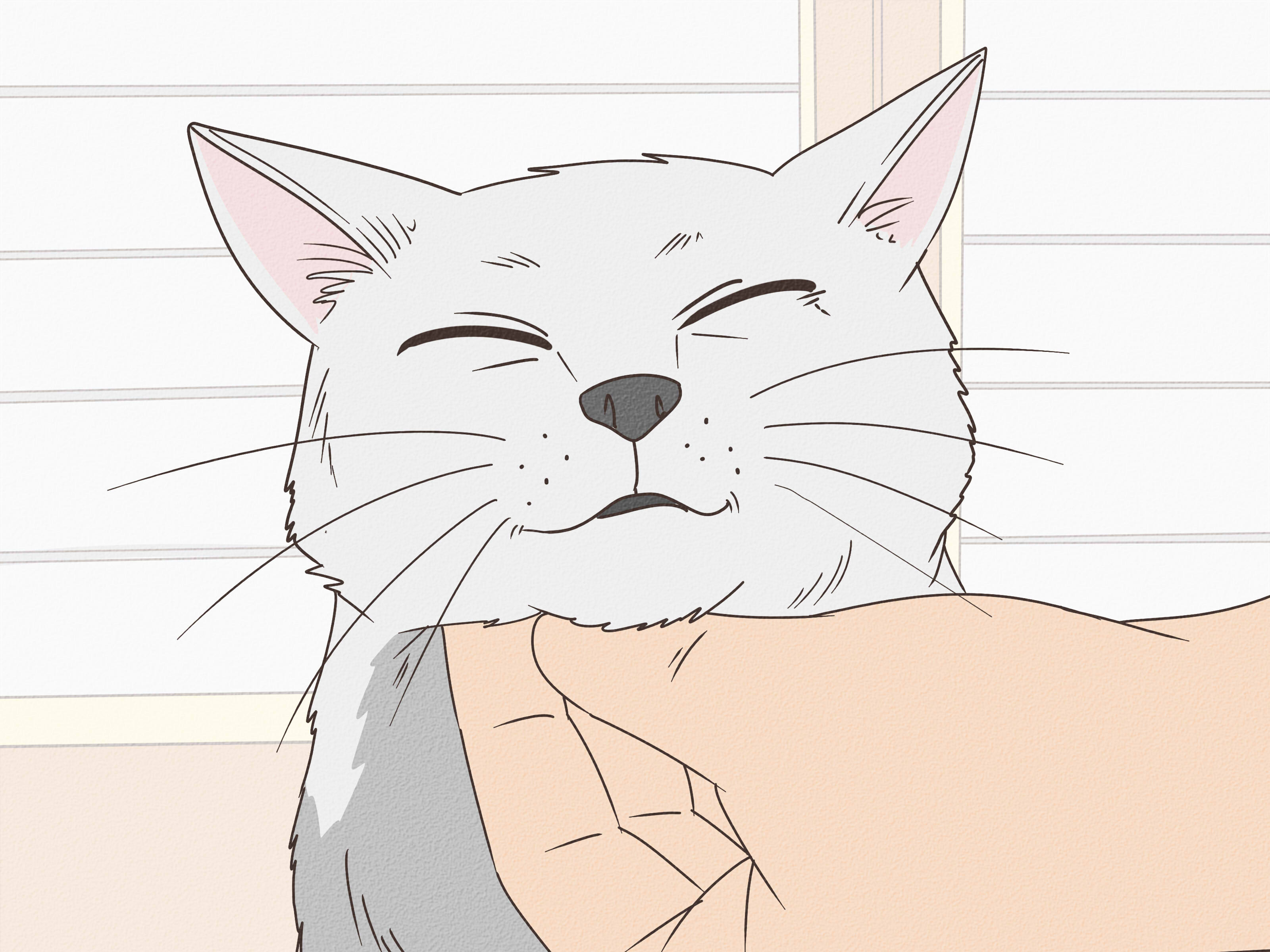
Note: This article is for educational purposes and is not a substitute for a veterinarian’s diagnosis. If your cat’s chin is swollen, bleeding, painful, oozing pus, losing hair, or not improving with gentle home care, contact your veterinarian.
Feline acne sounds like something your cat invented to get out of family photos, but it is a real and fairly common skin problem. Most often, it appears on the chin or lower lip as tiny black dots that look like dirt, pepper flakes, or mysterious crumbs from a snack your cat refuses to admit eating. In many mild cases, cat chin acne can be managed at home with better hygiene, gentle cleaning, and a safer feeding setup. The key word is gentle. Your cat’s chin is not a kitchen pan, and scrubbing it like one will not improve the situation.
The good news is that mild feline acne is usually manageable. The less good news is that cats are dramatic little royalty, and many do not appreciate spa treatments unless they personally scheduled them. That is why the best at-home treatments are simple, quick, and low-stress. This guide explains what feline acne looks like, why it happens, when home care is appropriate, and the three easiest at-home treatments that can help your cat’s chin look less like it rolled through coffee grounds.
What Is Feline Acne?
Feline acne is a skin condition that usually affects the chin and lower lip. It happens when hair follicles become clogged with oil, dead skin cells, keratin, and debris. These clogged follicles may form blackheads, also called comedones. In mild cases, you may only see dark specks on the chin. In more irritated cases, the skin may become red, swollen, crusty, itchy, or tender. Sometimes pimples, pustules, or small infected bumps can develop.
Unlike teenage acne in humans, feline acne is not about your cat staying up too late, eating pizza, or worrying about prom. It can affect cats of any age, breed, or sex. Some cats have one small flare-up and never deal with it again. Others have recurring chin acne that comes and goes like an unwanted subscription service.
Common Signs of Cat Chin Acne
Cat acne is usually easy to spot once you know what to look for. The most common signs include:
- Small black dots on the chin or lower lip
- A “dirty chin” appearance that does not wipe away easily
- Redness, mild swelling, or irritation
- Greasy or crusty skin around the chin
- Hair thinning near the affected area
- Scratching, rubbing, or sensitivity when touched
- Pimples, scabs, or pustules in more advanced cases
If the area smells bad, bleeds, oozes, becomes very swollen, or seems painful, it is time to stop the DIY routine and call your veterinarian. Severe feline acne can become infected and may need prescription treatment.
What Causes Feline Acne?
There is not always one clear cause. Feline acne can be triggered by several factors, and sometimes your cat’s chin simply decides to be high-maintenance. Possible contributors include excess oil production, poor grooming, stress, allergies, skin infections, mites, immune issues, or irritation from food and water bowls.
Plastic bowls are often discussed because they can develop scratches that trap bacteria and residue. They may also irritate some cats’ skin. While a bowl is not always the villain, switching away from plastic is one of the easiest and safest first steps. Think of it as giving your cat a chin-friendly dining upgrade without needing a tiny reservation.
Before You Start: When Is At-Home Treatment Safe?
At-home treatment is best for mild feline acne: blackheads, light chin debris, and minor irritation without obvious pain or infection. If your cat has deep swelling, open sores, pus, bleeding, severe itching, spreading redness, or repeated flare-ups, a veterinarian should examine the area. Other skin conditions can look like cat acne, including allergies, ringworm, mites, bacterial infection, or wounds from scratching.
Also, never squeeze, pick, or pop cat acne. This can push bacteria deeper into the skin, increase inflammation, and make your cat reconsider every ounce of trust they have ever placed in you. Your job is to clean and support the skin barrier, not perform bathroom-counter dermatology.
How to Treat Feline Acne: 3 Easy At-Home Treatments
The best home care plan is simple: remove common irritants, soften debris, and clean the chin gently with cat-safe products. Below are three easy at-home treatments that work well for many mild cases.
1. Switch to Stainless Steel or Ceramic Bowls and Wash Them Daily
The easiest first treatment is not a cream, wipe, or fancy product. It is changing your cat’s food and water bowls. Replace plastic bowls with stainless steel, ceramic, or glass bowls. These materials are smoother, easier to clean, and less likely to hold grime in tiny scratches. If your cat eats from a plastic bowl, this swap may reduce irritation and bacteria exposure around the chin.
Wash bowls every day with hot water and mild dish soap. Rinse well so no soap residue remains. If your cat eats wet food, clean the bowl after every meal because dried food residue can cling to the chin and create a perfect little dirt-and-oil party. Water fountains should also be cleaned regularly according to the manufacturer’s instructions, including the filter and pump parts.
For example, if your cat eats pâté-style food and tends to mash their chin into the bowl like a tiny bulldozer, a shallow, wide dish may help reduce chin contact. Some cats do better with flat plates because their whiskers and chin do not rub against the sides as much. This small change can make feeding cleaner and more comfortable.
Why This Helps
Clean bowls reduce the amount of bacteria, oil, old food, and saliva that touches your cat’s chin every day. If the acne is mild, this one change may be enough to calm the skin over time. It also helps prevent future flare-ups, which is important because feline acne can be recurring.
Quick Bowl-Care Checklist
- Use stainless steel, ceramic, or glass bowls.
- Avoid scratched plastic dishes.
- Wash food bowls daily or after every wet-food meal.
- Clean water bowls and fountains regularly.
- Try a shallow dish if your cat’s chin rubs the bowl.
2. Use a Warm Compress to Loosen Debris
A warm compress is one of the gentlest ways to help mild cat chin acne. It softens crusts, loosens trapped debris, and makes cleaning easier. It can also feel soothing if your cat’s skin is mildly irritated. The secret is to make it warm, not hot. Your cat needs comfort, not a steamed dumpling experience.
To do it, soak a clean, soft cloth or gauze pad in warm water. Wring it out so it is damp but not dripping. Hold it gently against your cat’s chin for one to three minutes, if your cat allows it. Do not force the process. If your cat gives you the “I will remember this betrayal” look, pause and try again later with a shorter session.
After the compress, lightly pat the area dry with a clean towel. Moisture left under the chin can worsen irritation, especially in cats with thick fur. If debris has softened, you can gently wipe it away, but do not scrape. The goal is gradual improvement, not instant perfection.
How Often to Use a Warm Compress
For mild feline acne, once daily for several days may help. If your cat tolerates it well, you can use a warm compress before gentle cleaning. If your cat hates it, keep sessions brief and reward cooperation with treats, praise, or a dignified return to their throne by the window.
Warm Compress Tips
- Use clean cloths every time.
- Test the temperature on your wrist first.
- Keep pressure light and gentle.
- Stop if your cat seems painful or stressed.
- Dry the chin after the compress.
3. Clean the Chin With a Vet-Approved Antiseptic Wipe or Cleanser
Gentle chin cleaning is the core of feline acne home care. Many veterinarians recommend cat-safe antibacterial wipes, medicated shampoos, or cleansers containing ingredients such as chlorhexidine. These can help reduce bacteria and oil on the skin. However, not every product is safe for every cat, so it is best to ask your veterinarian which wipe or cleanser is appropriate, especially if your cat has sensitive skin or recurring acne.
To clean the chin, apply the product to a cotton pad, gauze, or soft cloth if it is not already in wipe form. Gently wipe the affected area once daily or as directed by your veterinarian. Avoid the mouth, eyes, and nose. Do not scrub. If the skin becomes drier, redder, or more irritated, stop using the product and contact your vet.
Human acne products can be too harsh for cats. Avoid alcohol, hydrogen peroxide, strong salicylic acid products, essential oils, and full-strength benzoyl peroxide unless your veterinarian specifically tells you otherwise. Cats groom themselves, which means anything on the chin may be licked. A product that seems harmless in a human bathroom cabinet may not belong anywhere near a cat’s face.
Sample Gentle Cleaning Routine
- Wash your hands.
- Apply a warm compress for one to three minutes.
- Use a vet-approved wipe or cleanser on the chin.
- Pat the area dry with a clean towel.
- Reward your cat with a treat or calm praise.
This routine usually takes only a few minutes. The biggest challenge is not the cleaning itself; it is convincing your cat that you are not launching a betrayal campaign. Keep the process calm, short, and predictable.
What Not to Do When Treating Cat Acne at Home
Because feline acne looks like blackheads, it can be tempting to treat it like human acne. Please resist. Cats have delicate skin, and their grooming habits make topical products riskier. The wrong treatment can make irritation worse or cause your cat to ingest unsafe ingredients.
Avoid These Common Mistakes
- Do not pop blackheads or pimples. This can cause pain, infection, and deeper inflammation.
- Do not scrub aggressively. Harsh rubbing damages the skin barrier.
- Do not use hydrogen peroxide. It can irritate tissue and delay healing.
- Do not use alcohol-based products. They can sting and dry the skin.
- Do not apply essential oils. Many essential oils are unsafe for cats.
- Do not use random human acne creams. Cats may lick them, and many are too strong.
How Long Does Feline Acne Take to Improve?
Mild feline acne may begin to look better within one to two weeks of consistent home care, especially if dirty bowls or chin residue were contributing factors. Some cats improve quickly after switching bowls and starting gentle cleaning. Others need longer maintenance because their acne is recurring.
If there is no improvement after seven to fourteen days, or if the acne becomes worse at any point, schedule a veterinary visit. Your veterinarian may check for infection, mites, allergies, or other skin problems. In more serious cases, treatment may include prescription topical medication, antibiotics, anti-inflammatory medication, clipping the fur, or special shampoos.
How to Prevent Feline Acne From Coming Back
Prevention is mostly about consistency. Once your cat’s chin improves, do not immediately return to old habits. Keep bowls clean, use non-plastic dishes, and check the chin during regular grooming or cuddle sessions. If your cat is prone to flare-ups, occasional maintenance cleaning with a vet-approved product may help.
Stress management can also matter. Cats are sensitive creatures who may act like they own the mortgage, but they do not always handle change gracefully. New pets, new food, moving furniture, loud guests, or changes in routine can contribute to grooming changes and skin flare-ups. A predictable environment, clean feeding area, and regular observation can reduce future problems.
When to Call the Veterinarian
Home care is useful, but it has limits. Call your veterinarian if your cat has any of the following:
- Swelling of the chin or lower lip
- Pus, bleeding, open sores, or a bad smell
- Obvious pain when touched
- Loss of appetite or behavior changes
- Hair loss that spreads beyond the chin
- Severe scratching or rubbing
- Acne that keeps returning
- No improvement after one to two weeks of gentle care
A vet visit is not a failure. It is simply the next smart step. Some cases need medical treatment, and catching infection early can prevent a small chin problem from becoming a larger, more uncomfortable issue.
Real-Life Experience: What Treating Feline Acne at Home Can Look Like
Many cat owners first notice feline acne during a normal chin scratch. One day your cat is enjoying royal-level affection, and suddenly you feel tiny gritty bumps under the chin. You lift the fur, see black specks, and immediately wonder whether your cat has been secretly working in a coal mine. The first instinct is often to wipe harder, but experience teaches that patience works better than panic.
A practical at-home routine usually starts with the feeding area. One common scenario involves a cat who eats from a plastic bowl, especially wet food. The chin touches the rim every day, food residue dries around the mouth, and the bowl may not be washed as often as it should be. After switching to stainless steel or ceramic dishes and cleaning them daily, the chin often becomes less greasy. This does not cure every case, but it removes a major source of irritation and grime.
The next lesson is that cats prefer cooperation over surprise. A warm compress works best when the cat is relaxed, not when they are ambushed like a tiny fugitive. Some owners have better luck after a meal, when the cat is calm and sleepy. Others do it during lap time. Holding a warm cloth under the chin for even thirty seconds can be a win at first. Over time, many cats tolerate longer sessions, especially when treats appear afterward like payment for emotional damages.
Cleaning also requires restraint. It is easy to think, “If a little wiping helps, a lot of wiping will help more.” Unfortunately, cat skin disagrees. Too much cleaning can dry and inflame the area. A soft wipe, a gentle motion, and a clean towel to dry the chin are usually enough. The goal is to reduce oil and debris, not create a squeaky-clean chin that looks polished for inspection.
Another real-world point: progress may look boring. The blackheads may not disappear overnight. Instead, the area gradually looks less greasy, less crusty, and less irritated. You may notice fewer new specks and less redness before the chin looks completely clear. Taking a quick photo every few days can help you track improvement without poking at the area constantly.
Finally, the biggest experience-based tip is to know when to stop home treatment. If your cat flinches, growls, hides, bleeds, or develops swelling, the situation has moved beyond basic chin cleaning. A veterinarian can determine whether infection or another skin condition is involved. Mild feline acne is often manageable at home, but stubborn or painful acne deserves professional care. Your cat may not thank you in words, but a healthier chin, calmer grooming routine, and fewer suspicious black specks are a pretty solid review.
Conclusion
Feline acne is common, usually manageable, and often less scary than it looks. For mild cat chin acne, the best at-home treatments are simple: switch to clean stainless steel or ceramic bowls, use warm compresses to soften debris, and gently clean the chin with a vet-approved wipe or cleanser. Avoid popping, scrubbing, hydrogen peroxide, alcohol, essential oils, and harsh human acne products. If symptoms are severe, painful, infected, or not improving, your veterinarian should take a look.
Your cat’s chin does not need a complicated beauty routine. It needs cleanliness, consistency, and a human who understands that “gentle” is not optional. With the right care, many cats can get back to their regular schedule of napping, judging your life choices, and pretending they have never been fed.