That bright ring at the flea market looks convincing. The serving spoon in Grasuspiciously close to lunch money. So, how do you know if something is sterling silver without relying on wishful thinking and a seller’s enthusiastic use of capital letters?
Sterling silver is an alloy containing 92.5% silver and 7.5% other metals, usually copper. Pure silver is beautiful but soft, so alloying it makes jewelry, flatware, and decorative pieces more durable. Genuine sterling may be stamped 925, .925, S925, Sterling, or Ster. Unfortunately, stamps can be missing, worn away, incorrectly interpreted, or faked.
The smart approach is not to trust one party trick. Use several non-damaging checks first, then move to density, acid, or professional testing when value matters. The following 12 sterling silver tests progress from quick visual clues to laboratory-grade verification.
What Counts as Sterling Silver?
In the United States, an item described as sterling silver should contain at least 925 parts silver per 1,000 parts metal. That is where the familiar “925” mark comes from. Fine silver marked 999 is purer, but it is not technically sterling. Older or imported pieces may show 900, 835, or 800, indicating lower silver fineness standards.
Also remember that silver-colored is not the same as silver. Nickel silver, German silver, and alpaca silver are typically copper-based alloys with a silvery appearance but little or no actual silver. Silver plate consists of a thin silver layer over another metal. It can look elegant and may even be collectible, but it is not solid sterling silver.
How to Know if Something Is Sterling Silver: 12 Tests
1. Read the Hallmark Carefully
Start with the least dramatic tool available: your eyes. Check the inside of a ring, the back of a pendant, the clasp of a necklace, the underside of flatware, or the base of a decorative object. A jeweler’s loupe or your phone’s macro camera can make tiny marks readable.
Common sterling silver marks include 925, .925, S925, Sterling, and Ster. British pieces may use a lion passant alongside assay-office and maker marks. Mexican silver can include “Mexico,” “925,” registration marks, or older fineness numbers. A legitimate hallmark is encouraging, but it is not proof by itself because counterfeiters own stamping tools too.
2. Look for Words That Reveal Silver Plate
Some marks do not prove sterling; they quietly confess the opposite. Watch for abbreviations such as EP, EPNS, silver plate, silver plated, quadruple plate, or A1. EPNS means electroplated nickel silver: a base-metal object wearing a very thin silver jacket.
Marks such as “International Silver,” “Community Plate,” or a company name containing the word “silver” may identify a manufacturer rather than the metal content. Read the complete mark, not just the most flattering word. A spoon labeled “silver plate” is being honest; it simply is not sterling.
3. Inspect Worn Edges, Seams, and High-Friction Areas
Use bright, angled light and examine places where fingers, clothing, or table surfaces repeatedly rub the item. On plated jewelry, the silver layer may wear through at edges, clasps, chain links, ring shanks, or raised details. Yellow, reddish, dark gray, or dull metal showing beneath the surface suggests brass, copper, nickel alloy, or another base metal.
Solid sterling remains essentially the same color beneath scratches, although solder joints may look slightly different. Be cautious with intentional two-tone designs, vermeil, rhodium-coated sterling, and antique repairs. Jewelry has more plot twists than a daytime soap opera.
4. Try the Magnet Test
Silver is not ferromagnetic, so a strong magnet should not snap onto solid sterling. Use a small neodymium magnet rather than a weak refrigerator magnet. Move it near several parts of the item. Strong attraction usually means an iron- or steel-containing base metal is present.
A nonmagnetic result does not prove sterling because copper, brass, aluminum, zinc alloys, and many stainless steels may also show little attraction. Necklace clasps, pin mechanisms, watch components, and spring-loaded findings may contain tiny steel parts even when the main body is sterling. Treat magnetism as an excellent rejection test, not a final certificate.
5. Use the Smell Test
Clean and dry the piece, warm it in your hand, and then smell it. Sterling silver generally has little noticeable metallic odor. Copper-rich or brass items may produce a stronger “penny” smell, especially after rubbing, because skin oils and moisture react with the metal surface.
This test is fast and free, but it is subjective. Plating, polish, perfume, storage chemicals, and your own sense of smell can affect the result. If the necklace smells like a hardware drawer, be suspicious. If it smells like nothing, continue testing rather than planning its museum debut.
6. Rub It With a White Polishing Cloth
Gently rub an inconspicuous area with a clean white cotton cloth or a silver-polishing cloth. Genuine silver commonly develops gray or black tarnish caused largely by reactions with sulfur-containing substances in the environment. That tarnish may transfer to the cloth as a dark streak.
A black mark supports the presence of silver, but silver-plated items can tarnish too. A newly polished or anti-tarnish-coated piece may leave little residue. Green residue may point toward exposed copper or brass. Avoid aggressive rubbing on delicate patina, intentionally oxidized jewelry, fragile antique surfaces, or museum-quality objects.
7. Perform the Ice Cube Test
Silver transfers heat extremely efficiently. Place an ice cube on a room-temperature, flat silver item and another cube on a similarly sized nonmetal surface for comparison. On a substantial silver coin, bar, spoon bowl, or tray, the ice should begin melting noticeably fast because heat moves through the metal into the ice.
This is a science-based screening test, not wizardry. Copper and aluminum also conduct heat well, and thin jewelry does not provide enough mass for a dramatic demonstration. Results depend on shape, thickness, room temperature, and contact area. The ice test works best on larger solid piecesnot on a chain that weighs less than a crouton.
8. Listen for a Clear Ring
Solid silver coins and some flat, dense objects produce a clear, sustained, bell-like tone when gently tapped. Base-metal pieces may sound shorter, duller, or flatter. To test safely, balance a coin on a fingertip and tap its edge lightly with another known coin or a small wooden object.
Do not perform a dramatic “ping test” on gemstone jewelry, hollowware, fragile antiques, soldered pieces, or anything you would be upset to dent. Shape, thickness, cracks, attachments, and alloy composition all affect sound. This test is most useful when comparing a suspected silver coin with an authentic example of the same size and design.
9. Compare Its Weight and Heft
Sterling silver is relatively dense, so it often feels heavier than aluminum, pewter, or lightweight costume-jewelry alloys of the same size. Compare the item with a known sterling piece that has similar dimensions. A large “silver” pendant that feels oddly weightless deserves further investigation.
Heft is only a clue. Brass and some copper alloys can feel substantial, while hollow sterling can feel surprisingly light. Stones, resin filling, steel reinforcement, weighted candlestick bases, knife blades, and non-silver internal structures can make hand comparison misleading. Your palm is useful, but it is not a calibrated laboratory instrument.
10. Calculate Specific Gravity
Specific gravity is one of the strongest nondestructive home tests for a solid, unadorned object. Sterling silver usually has a density around 10.3 to 10.4 grams per cubic centimeter, depending on the exact alloy and manufacturing process.
First, weigh the dry item in grams on an accurate scale. Next, suspend it completely in water without letting it touch the container. Measure the apparent loss of weight in water, or tare the water container and record the water-displacement reading in grams. Divide the dry weight by the displaced-water weight.
For example, if a solid object weighs 52.0 grams and displaces 5.0 grams of water, its specific gravity is 10.4. That result is consistent with sterling silver.
This method does not work reliably on hollow pieces, porous items, objects with trapped air, weighted bases, mixed metals, gemstones, enamel, or glued components. Remove visible air bubbles and use thin thread. A result near the sterling range is powerful evidence, but construction tricks and measurement errors can still complicate the verdict.
11. Use a Silver Acid TestWith Caution
Commercial silver-testing acid can reveal metal composition through a controlled chemical reaction, usually on a filed spot or a streak made on a testing stone. Color results vary among kits, so follow the manufacturer’s chart rather than memorizing a random color guide from social media.
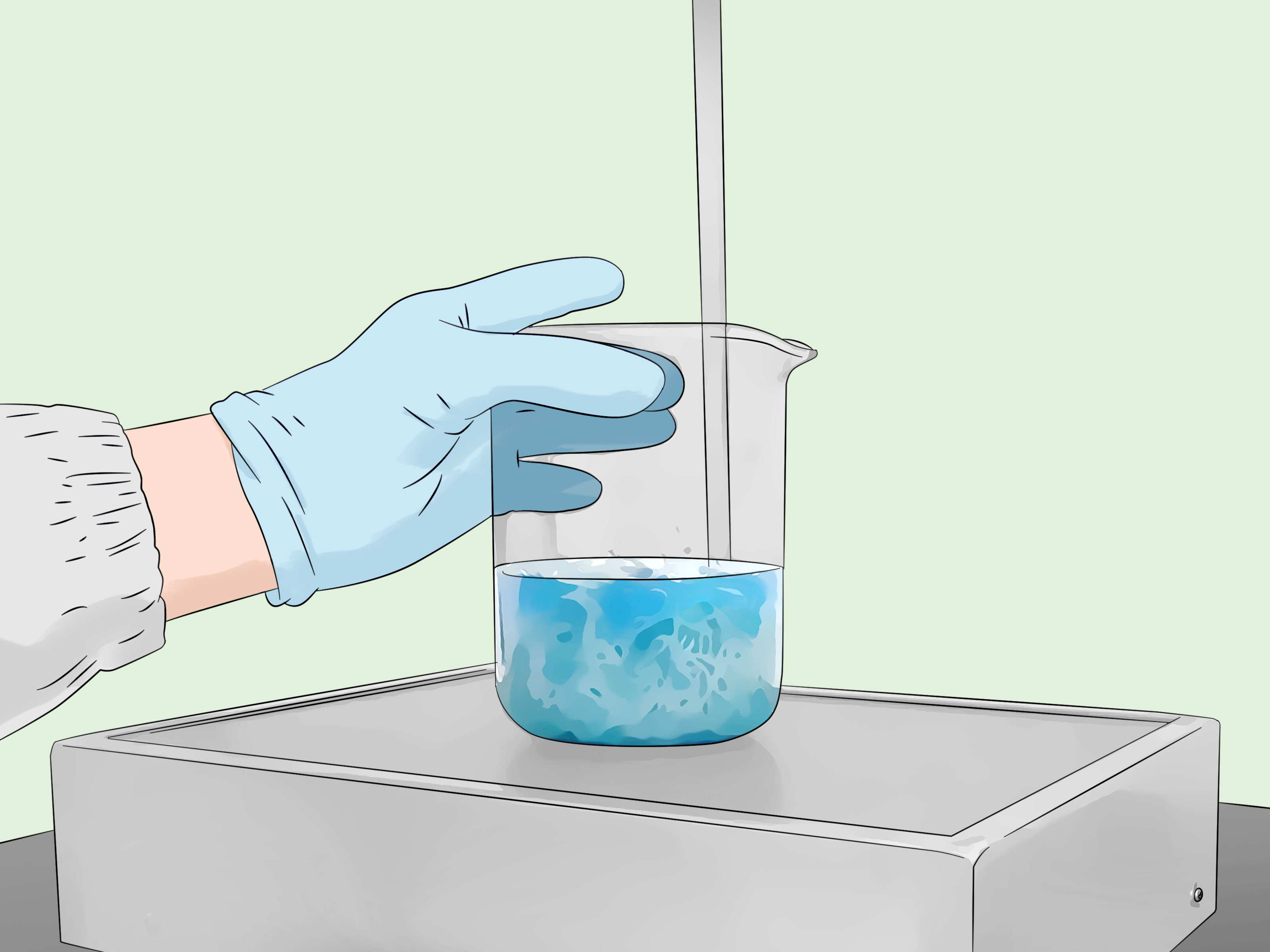
Acid testing may stain, scratch, or permanently damage the object. Testing only the untouched surface can also produce a false impression if the item is thickly plated. Because testing chemicals can burn skin, injure eyes, corrode surfaces, and release irritating fumes, gloves, eye protection, ventilation, and strict adherence to instructions are essential.
For valuable jewelry, antiques, coins, or sentimental items, skip the kitchen-chemist chapter and let a qualified jeweler, appraiser, or refiner perform the test.
12. Get an XRF Test or Professional Assay
X-ray fluorescence, commonly called XRF, is the best practical confirmation for most valuable objects. A precious-metal analyzer measures the elements present without cutting or melting the item. A jeweler, refinery, pawn professional, coin dealer, or assay service may be able to identify its silver content in seconds.
XRF primarily analyzes the surface and near-surface area, so heavy plating or unusual layered construction can complicate results. A trained operator may test multiple spots, examine worn areas, or combine XRF with specific gravity and microscopic inspection.
Fire assay or laboratory chemical analysis can provide stronger confirmation of the metal throughout an object, but those methods require removing or destroying material. When a piece may be worth hundreds or thousands of dollars, professional verification is cheaper than discovering that your “sterling treasure” is an enthusiastic teaspoon with good lighting.
Which Sterling Silver Tests Are Most Reliable?
No single home test answers every question. Use a sequence that protects the object while steadily increasing confidence:
- Start visually: Inspect fineness marks, maker marks, plate abbreviations, wear, and construction.
- Add safe screening tests: Use a magnet, cloth, smell comparison, ice, sound, and weight where appropriate.
- Measure when possible: Specific gravity is more persuasive than appearance alone.
- Escalate for value: Use professional acid testing, XRF, or laboratory analysis before buying, selling, insuring, or altering an important item.
A convincing hallmark plus no magnetic attraction, normal tarnish behavior, consistent density, and a clean professional XRF result creates a much stronger case than any single viral “silver hack.”
Common Mistakes When Testing Sterling Silver
The first mistake is assuming a 925 stamp is a guarantee. It is evidence, not immunity from fraud. The second is declaring an item fake because one small clasp attracts a magnet; clasps and springs often contain steel. The third is polishing an antique until every trace of patinaand possibly some collector valuehas fled the building.
Another mistake is using bleach, an open flame, harsh abrasives, or acid without understanding the damage. Chlorine can aggressively tarnish silver and harm solder, finishes, and gemstones. Heat can loosen settings, destroy adhesives, alter patina, or crack stones. Destructive tests should not be your opening move.
Finally, do not confuse authenticity with value. A genuine sterling spoon may have modest scrap value but meaningful historical or maker value. A silver-plated tray may contain little recoverable silver yet remain desirable because of its design, age, condition, or provenance.
Experience-Based Lessons: A Practical Sterling Silver Testing Workflow
Real-world silver identification is less like solving a riddle and more like building a case. Experienced collectors and jewelers rarely make a confident decision from one clue. They look for agreement among several clues and become especially alert when the evidence contradicts itself.
Consider a thrift-store ring marked 925. The mark is a promising start, but the next step is to inspect the inside of the band. If the surface is bright white while a deep scratch reveals yellow metal, the ring is likely plated despite the stamp. If the color remains consistent, a magnet does not attract the band, and a polishing cloth lifts normal dark tarnish, the ring becomes more convincing. Because rings may contain solder and decorative components, a quick professional XRF check may be more useful than trying to calculate density at home.
Flatware requires a different mindset. A spoon marked “Sterling” is often straightforward, but knives are commonly made from several materials. The handle may be sterling while the blade is stainless steel, and the hollow handle may contain cement or another filling. A magnet sticking to the blade does not disprove the sterling handle. Likewise, weighing the entire knife and calculating density produces meaningless results because it is not a uniform object. Test the relevant component, not the object’s résumé as a whole.
Large candlesticks, bowls, trophies, and decorative pieces create another trap. Many are marked “weighted sterling,” meaning the visible shell is sterling silver formed around a heavier filling. The exterior may be genuine sterling, but the object’s total weight is not its silver weight. Anyone estimating melt value from the bathroom scale is about to have a disappointing afternoon.
Online purchases demand evidence before payment. Ask for sharp photographs of every mark, the complete item, clasps, seams, worn areas, and the piece sitting on a gram scale. Request exact dimensions because weight without size tells you very little. For a high-value purchase, ask whether the seller accepts independent XRF verification and a return if the item is materially misdescribed. Honest sellers generally understand the request; evasive sellers often become mysteriously busy.
Heirlooms deserve the gentlest workflow. Do not scratch, acid-test, bleach, heat, or aggressively polish an inherited piece simply to satisfy curiosity. Photograph its markings, record the family history, and have a specialist inspect it. Maker, age, rarity, condition, and provenance can matter more than silver content. Removing original patina or damaging a hallmark may reduce the very value you hoped to confirm.
The most useful experience-based rule is to match the test to the object. Use ice and sound for solid coins or bars, not delicate earrings. Use density for homogeneous objects, not hollow or gemstone-set jewelry. Use hallmarks as a starting point, not a verdict. Use XRF when money, insurance, resale, or sentiment raises the stakes.
Good testing is not about performing the largest number of tricks. It is about choosing the fewest appropriate tests needed to reach a reliable conclusion without harming the item.
Conclusion
To tell whether something is sterling silver, begin with hallmarks and construction clues, then combine several safe tests such as magnetism, tarnish transfer, thermal response, sound, and weight. When the object is solid and uncomplicated, a careful specific-gravity calculation can provide strong evidence. Acid testing offers more information but risks damage, while professional XRF analysis is usually the best nondestructive choice for valuable pieces.
The winning strategy is evidence stacking. A 925 stamp alone can lie. An ice cube can be fooled by another conductive metal. A black polishing-cloth mark can also come from silver plate. But when independent clues agree, confidence rises quickly. When the clues disagree, let a professional have the final word before you buy, sell, repair, or celebrate.