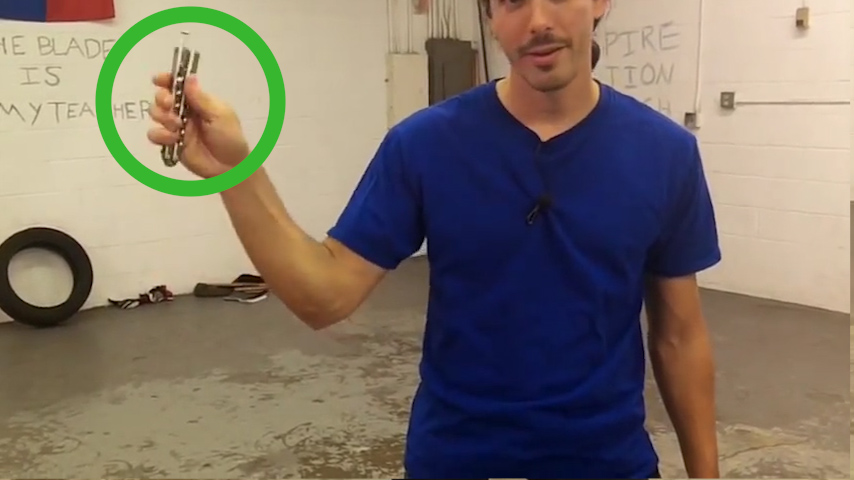
Butterfly knife flipping looks flashy, fast, and oddly satisfyinglike a fidget spinner that went to action-movie school. But before anyone starts imagining slow-motion wrist tricks in a leather jacket, let’s get one thing straight: this guide is not about using a live blade. A real butterfly knife, also called a balisong, can be dangerous and may be restricted or illegal depending on where you live.
Instead, this article explains how to approach butterfly knife flipping safely with a blunt, non-sharpened trainer, while focusing on awareness, responsible practice, and beginner-friendly habits. If you searched for “how to flip a butterfly knife,” the smartest first step is not learning a dramatic moveit is learning how not to turn your hand into a cautionary tale.
Below are 10 practical steps for getting started in the safest possible way, followed by real-world experience tips for beginners who want the hobby without the emergency-room subplot.
What Is a Butterfly Knife?
A butterfly knife, or balisong, is a folding knife with two handles that rotate around the base of the blade. When closed, the handles cover the blade. When opened, the handles align to form a grip. The design is famous because it allows fast, flowing movementsbut that same design is also why live blades can be risky.
In modern hobby communities, many people practice with butterfly knife trainers. These are non-sharpened practice tools designed to mimic the shape and balance of a balisong without a cutting edge. A trainer is the responsible choice for learning coordination, rhythm, and basic handling concepts.
Important Safety and Legal Notes Before You Begin
Laws around butterfly knives vary widely across the United States. Some places restrict carrying, owning, selling, or transporting them. Travel rules are strict, too: knives are not allowed in carry-on bags when flying. Because regulations can change and local laws may be stricter than state laws, always check official rules where you live before buying, carrying, or practicing with anything that resembles a weapon.
The safest rule is simple: practice only with a blunt trainer, in a private and legal setting, with enough space, and never around people, pets, glass tables, expensive monitors, or anything your parents would ask “why is there a dent in this?” about.
How to Flip a Butterfly Knife Safely: 10 Steps
Step 1: Choose a Blunt Trainer, Not a Live Blade
The first and most important step is choosing the right practice tool. Use a dull butterfly knife trainer with no cutting edge. A trainer gives you the weight and feel needed for practice without the danger of a sharpened blade. Beginners should avoid anything sharp, heavy, broken, rusty, or suspiciously cheap in a “this arrived in a mystery envelope” kind of way.
A good beginner trainer should feel sturdy, open and close smoothly, and have handles that are easy to grip. Avoid practicing with real knives, modified blades, or anything homemade. The goal is to build hand coordination, not to audition for a medical bill.
Step 2: Understand the Parts Before Practicing
Before doing any movement, learn the basic parts of a trainer. Most butterfly-style trainers have two handles, pivots, a spine-like blunt insert, and sometimes a latch. Understanding which handle is which helps beginners avoid confusion. Many trainers have a “safe handle” and a “bite handle” concept copied from real balisongs. On a trainer, this distinction is harmless, but learning the vocabulary can help you follow safety-focused tutorials and discussions.
Do not rush this stage. Knowing the tool is part of responsible practice. You would not try to ride a skateboard before knowing which side has the wheelsunless your hobby is falling dramatically.
Step 3: Check Your Practice Area
Create a safe practice space. Stand on a soft surface such as carpet or a mat so the trainer does not bounce dangerously if dropped. Keep your desk, phone, laptop, drinks, siblings, pets, and collectibles out of the area. Beginners drop trainers often, and that is completely normal.
Good lighting matters, too. Practice where you can clearly see your hands. Avoid practicing when tired, distracted, angry, or rushing. Butterfly trainer practice is about rhythm and control, not speed. Speed comes later, and honestly, it usually arrives only after many boring-looking repetitions.
Step 4: Start With a Relaxed Grip
Hold the trainer gently but securely. Many beginners squeeze too hard because they are nervous. A tense grip makes movements jerky and harder to control. Think “holding a TV remote,” not “clinging to the last slice of pizza.”
Keep your wrist relaxed, your fingers loose, and your focus on smooth handling. The trainer should not fly out of your hand, but it also should not be crushed like it owes you money. A relaxed grip helps you learn balance, timing, and control.
Step 5: Practice Opening and Closing Awareness Slowly
Instead of jumping into tricks, begin by learning controlled opening and closing awareness with the trainer. Move slowly and pay attention to where the handles travel. The goal is not to perform a trick; the goal is to understand how the handles rotate and how the tool feels in your hand.
Keep movements close, calm, and deliberate. Avoid sharp snaps, aerial tosses, or fast spins. Beginners should focus on control first because control is what keeps practice safe. A slow, clean movement is far better than a fast, chaotic one that ends with the trainer under the couch.
Step 6: Learn Balance Before Style
Every trainer has a different balance. Some feel handle-heavy, some feel lighter, and some move more smoothly than others. Spend time learning how your trainer responds to small movements. This stage may not look exciting, but it is where confidence is built.
Many beginners want stylish tricks right away. That is understandable. The internet makes everything look easy because it edits out the 300 failed attempts and the person muttering “why did I think this was relaxing?” But balance practice is the foundation for safer flipping.
Step 7: Keep Practice Sessions Short
Start with short sessions of 5 to 10 minutes. Long sessions can lead to fatigue, and tired hands make mistakes. If your fingers feel sore, your wrist gets stiff, or you start losing focus, stop. Progress comes from regular practice, not marathon sessions.
Short sessions also help your brain learn. Repetition works best when it is focused and consistent. A few minutes each day with a trainer is more useful than one long session where your hand starts moving like it has resigned from the team.
Step 8: Avoid Public Practice
Even with a blunt trainer, public practice can alarm people. Many trainers look similar to real knives from a distance. Do not practice at school, in public parks, in stores, on public transportation, or anywhere people may feel unsafe.
Responsible practice means thinking beyond yourself. A hobby can be harmless in private but misunderstood in public. Keep trainer practice at home or in a private space where it is allowed and where everyone nearby understands it is a blunt practice tool.
Step 9: Do Not Chase Advanced Tricks Too Soon
Beginners should avoid advanced moves, tosses, aerials, fast rotations, and anything that depends on catching the trainer midair. Those techniques increase the chance of dropping the tool, hitting something nearby, or developing bad habits.
Instead, focus on patience, hand awareness, and smooth repetition. If a move feels confusing, pause and return to basic handling. The goal is not to impress strangers online. The goal is to practice safely and build coordination over time.
Step 10: Make Safety Your Main Skill
The best butterfly trainer users are not just fast; they are controlled. They know when to stop, where to practice, what tool to use, and how to avoid risky situations. Safety is not the boring part of the hobby. Safety is the reason the hobby stays fun.
A good rule is to treat every practice session like skill training, not performance. Put the trainer away when finished. Store it responsibly. Do not hand it to someone who does not know what it is. Never use a live blade for practice, and never treat a knife as a toy.
Common Beginner Mistakes
Practicing Too Fast
Speed is the most common beginner trap. New learners often try to copy smooth videos without understanding how much practice happened behind the scenes. Fast movements without control lead to drops, frustration, and sloppy habits.
Using the Wrong Tool
A live blade is not a beginner tool. A blunt trainer is the safer and more responsible option. Even experienced hobbyists often use trainers for learning new movements because practice should not come with unnecessary risk.
Ignoring Local Rules
Butterfly knives and similar tools are regulated differently depending on location. Some areas treat them more strictly than ordinary folding knives. Before owning or carrying anything, check current local laws and official guidance.
Practicing Around Other People
A trainer can still hit someone if dropped or swung carelessly. Keep your practice area clear. Nobody wants to become part of your learning curve, especially not the family dog.
Is Butterfly Knife Flipping a Good Hobby?
Trainer-based butterfly knife flipping can be a coordination hobby when practiced responsibly. It can improve patience, rhythm, finger control, and focus. Some people enjoy it the same way others enjoy pen spinning, juggling, cardistry, or yo-yo tricks.
The difference is that butterfly-style trainers resemble weapons, so the responsibility level is higher. That means beginners need to think about safety, storage, location, and how their actions appear to others. A hobby is more enjoyable when it does not create panic, legal trouble, or broken furniture.
Best Safety Tips for Beginners
- Use only a blunt trainer for practice.
- Check local rules before buying or carrying any butterfly-style tool.
- Practice in a private, open area with good lighting.
- Keep sessions short and focused.
- Stop immediately if you feel tired, frustrated, or distracted.
- Never bring a trainer or knife to school, airports, or restricted spaces.
- Store your trainer responsibly when not in use.
Experience Notes: What Beginners Usually Learn the Hard Way
The first thing most beginners discover is that butterfly trainer practice looks easier online than it feels in real life. Videos make the motion appear smooth and effortless, but the early stage is usually full of awkward pauses, clumsy drops, and moments where the trainer somehow ends up facing the wrong direction. That is normal. Coordination hobbies always feel strange at first.
A helpful beginner mindset is to treat the trainer like a musical instrument rather than a stunt prop. You would not pick up a guitar and expect to play a perfect solo in 10 minutes. The same idea applies here. Small, careful repetitions build familiarity. Over time, your fingers start to understand the weight, spacing, and timing. The improvement is gradual, but it is satisfying.
Another useful lesson is that slow practice is not embarrassing. In fact, slow practice is where control comes from. Many people rush because they want the smooth visual effect immediately. But rushing often creates bad habits. A slow, clean movement teaches your hand where the trainer is going. A fast, messy movement only teaches your trainer how to escape.
Beginners also learn that the practice environment matters more than expected. Practicing over a hard tile floor can damage a trainer. Practicing near a desk can knock over drinks. Practicing near a phone can create the world’s most unnecessary screen repair bill. A carpeted space with clear surroundings is boring in the best possible way: nothing dramatic happens.
Comfort is another underrated factor. If your wrist is tense, your grip is too tight, or your shoulders are stiff, practice feels worse. A relaxed hand makes the trainer easier to control. Take breaks. Shake out your fingers. Do not turn a fun hobby into a battle against your own joints.
One more experience-based tip: avoid comparing yourself to advanced flippers. Online clips often show polished routines, not the slow learning process. Your first goal is not to look impressive. Your first goal is to be safe, consistent, and responsible. Once the basics feel natural, progress becomes easier.
Finally, remember that trainer flipping is still a hobby with social responsibility. Even a harmless trainer can make people uncomfortable if used in the wrong place. Keep practice private, respectful, and legal. When in doubt, put it away. The coolest version of this hobby is not the loudest or fastest oneit is the one practiced with patience, control, and common sense.
Conclusion
Learning how to flip a butterfly knife should begin with one clear rule: do not practice with a live blade. Use a blunt trainer, understand the safety risks, check your local laws, and build control before chasing style. The best beginners are not the ones who rush into advanced moves; they are the ones who practice responsibly and improve step by step.
Butterfly trainer flipping can be a fun coordination hobby when handled with maturity. Keep it legal, keep it private, keep it safe, and remember: smooth practice beats dramatic chaos every single time.