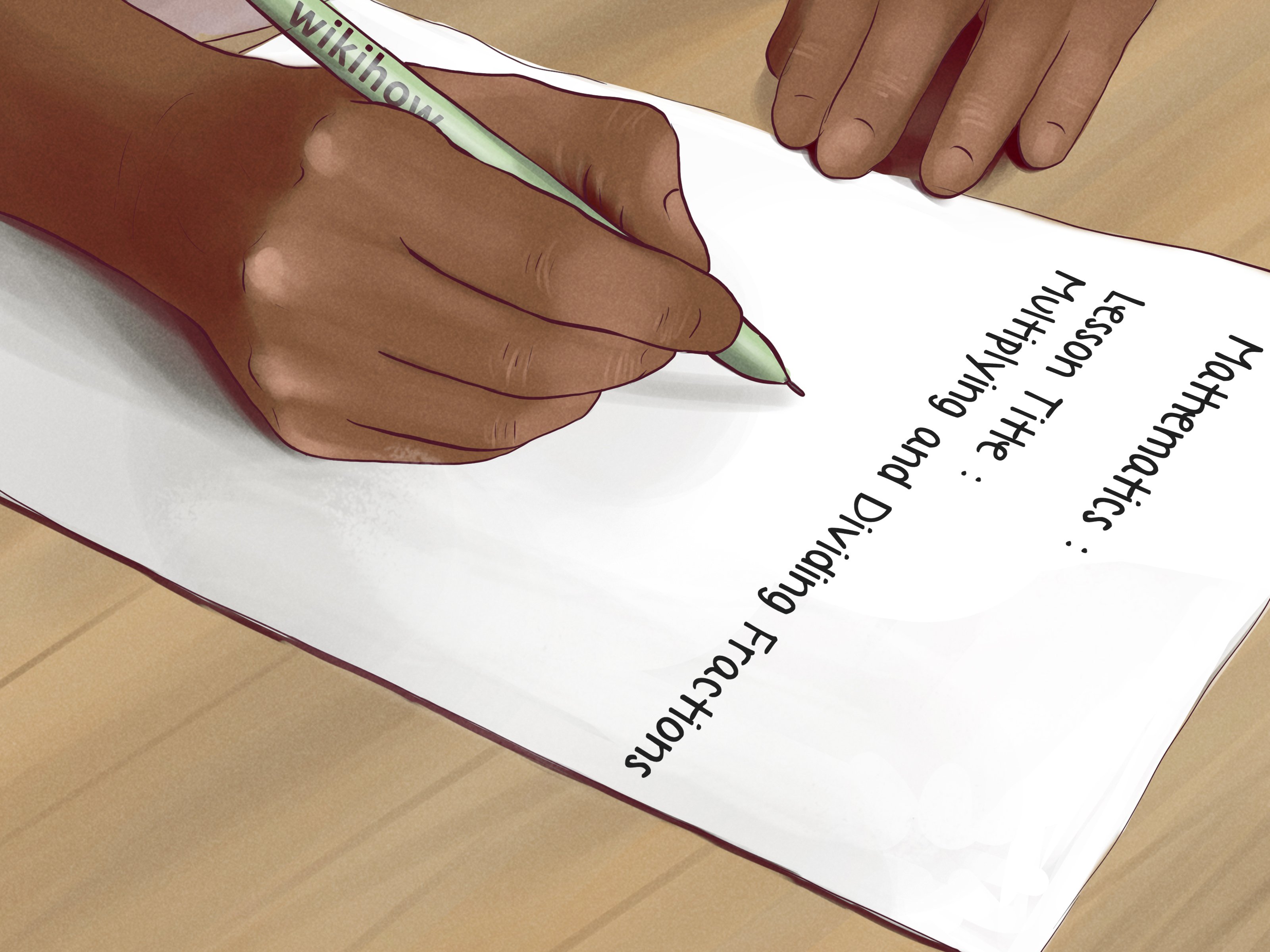
Curriculum development sounds intimidating, like something that requires a giant committee, three binders, six color-coded spreadsheets, and one person who keeps saying “circle back” every 12 minutes. In reality, developing a curriculum is a practical process. You decide what learners need, define what success looks like, choose how students will show their learning, and build lessons that actually help them get there. That is the big idea.
A strong curriculum does more than organize content. It creates a clear path from standards and learning goals to assessments, instruction, materials, pacing, and review. When it is done well, teachers are not winging it, students are not guessing what matters, and everyone avoids the educational version of assembling furniture with one mysterious screw left over.
This guide breaks the process into 15 manageable steps. Whether you are building a K–12 curriculum, revising a training program, or designing a course for a school, nonprofit, or district, these steps will help you create a curriculum that is rigorous, realistic, student-centered, and flexible enough to survive contact with actual human beings.
Why Curriculum Development Matters
A well-designed curriculum acts like a roadmap. It clarifies what students should know, understand, and be able to do. It also keeps teaching aligned with standards, assessments, and instructional strategies. Without that alignment, even talented teachers can end up teaching one thing, testing another, and wondering why students look confused. Curriculum design gives coherence to learning. It helps ensure that lessons build logically, skills develop over time, and assessments measure what truly matters.
The 15 Steps to Develop a Curriculum
Step 1: Identify the Need for the Curriculum
Start with the obvious question: why are you creating or revising this curriculum in the first place? Maybe students are not mastering key skills. Maybe standards changed. Maybe the old curriculum is outdated, overloaded, or built around worksheets last seen during the Jurassic period. Gather the reason before you gather the resources. Look at student performance, teacher feedback, course completion data, community needs, and institutional goals. A curriculum without a clear purpose often turns into a random pile of “good stuff” that does not add up to meaningful learning.
Step 2: Define Your Learners
Curriculum is for learners, not for shelves. Before mapping content, think carefully about who your students are. What is their age, grade level, readiness, prior knowledge, language background, motivation, and learning context? Are they beginners, advanced learners, English language learners, adult learners, or students with a wide range of support needs? This step matters because strong curriculum design is never one-size-fits-all. If your curriculum assumes every learner starts in the same place, it will work beautifully for exactly three people and a houseplant.
Step 3: Review Standards, Requirements, and Expectations
Now look at the external anchors. Review state standards, district requirements, accreditation expectations, graduation competencies, program outcomes, or employer expectations, depending on your setting. Standards do not need to become a straitjacket, but they should shape the destination. The goal is not to dump every standard into a giant document and call it a day. The goal is to determine which standards are essential, how they connect, and what learners must be able to do by the end of instruction.
Step 4: Write Clear Learning Outcomes
This is where curriculum development begins to sharpen. Write learning outcomes that describe what students will know or be able to do. Use measurable action verbs such as analyze, explain, compare, design, solve, interpret, or create. Avoid vague verbs like understand or appreciate unless you define what they look like in practice. Good curriculum outcomes are specific enough to guide instruction but broad enough to allow flexibility. If you cannot picture how a student would demonstrate the outcome, it is probably too fuzzy.
Step 5: Prioritize the Big Ideas
Not every fact deserves a parade. Curriculum works best when it focuses on the concepts and skills with lasting value. Ask yourself what learners should still remember or be able to transfer months later. These are the big ideas, essential understandings, and enduring skills. Prioritizing content keeps your curriculum from becoming a race through disconnected topics. It also helps teachers spend time on what matters instead of cramming in every possible detail like a suitcase that definitely should have been checked.
Step 6: Decide What Mastery Looks Like
Before you plan activities, define the evidence of learning. How will students show that they met the outcomes? Will they write an essay, complete a performance task, build a project, solve a real-world problem, deliver a presentation, conduct an experiment, or sit for a test? This step is the heart of backward design. You start with the end in mind, then build instruction toward it. If the outcome says students will evaluate arguments, the assessment should require evaluation, not just memorization.
Step 7: Build a Balanced Assessment Plan
Curriculum should include more than one dramatic final exam lurking at the end of the unit. Plan a balanced mix of formative, summative, and self-assessment opportunities. Formative assessment checks learning during instruction through exit tickets, short quizzes, discussions, drafts, and conferences. Summative assessment evaluates learning after instruction. Self-assessment helps students reflect on progress and take ownership. A smart assessment strategy gives teachers useful information early enough to adjust teaching before the wheels come off.
Step 8: Organize the Scope and Sequence
Now decide what will be taught and when. Scope refers to the breadth of content and skills. Sequence refers to the order in which they are taught. This is where curriculum mapping becomes incredibly useful. Place units, topics, and standards on a calendar or planning template. Make sure learning builds progressively from simple to complex, concrete to abstract, foundational to advanced. Good sequence creates momentum. Bad sequence makes students learn paragraph writing after the research paper, which is a bold choice, but not a wise one.
Step 9: Create Units and Modules
Break the curriculum into logical chunks such as units, modules, or themes. Each unit should have a title, a central question or concept, key standards, learning outcomes, major assessments, vocabulary, and core learning experiences. This makes the curriculum easier to teach, revise, and share across teams. It also supports continuity when multiple teachers teach the same course. Instead of a mystery box, the curriculum becomes a visible structure with clear goals and coherent parts.
Step 10: Plan Learning Activities That Match the Goals
Once outcomes and assessments are clear, choose instructional activities that prepare students for success. This is where many curriculum plans either shine or fall face-first into a puddle. Activities should not be selected because they are trendy, cute, or came laminated. They should be selected because they directly support the desired learning. Use a mix of modeling, guided practice, discussion, collaborative learning, direct instruction, inquiry, projects, and independent application. Variety matters, but alignment matters more.
Step 11: Design for Accessibility and Differentiation
An effective curriculum anticipates learner variability instead of acting surprised by it. Build in multiple ways for students to access content, engage with ideas, and demonstrate learning. That may include visuals, audio, discussion, graphic organizers, guided notes, flexible grouping, scaffolded tasks, captions, assistive technology, or choice in how students respond. Differentiation does not mean writing 37 separate lesson plans before breakfast. It means making intentional choices so more learners can succeed without unnecessary barriers.
Step 12: Select High-Quality Materials and Resources
Resources should serve the curriculum, not hijack it. Choose texts, media, tools, manipulatives, case studies, technology, and practice materials that match your outcomes and reflect your learners. Look for relevance, rigor, cultural responsiveness, reading level, accessibility, and accuracy. This is also the time to eliminate clutter. If a resource is flashy but does not support the learning goals, it is decoration, not curriculum. Helpful? Maybe. Essential? Probably not. Be picky in the best possible way.
Step 13: Build a Realistic Pacing Guide
Even excellent curriculum can fail if it assumes every week unfolds in a perfect little cloud of uninterrupted learning. Create a pacing guide that is ambitious but realistic. Estimate how long each unit, lesson, and assessment will take. Include time for reteaching, discussion, practice, projects, and feedback. Build breathing room into the calendar because schools contain events, illnesses, assemblies, snow days, technology meltdowns, and the occasional Tuesday that behaves like a Friday. A realistic pacing guide protects both quality and sanity.
Step 14: Pilot the Curriculum and Collect Feedback
Before calling the curriculum “done,” test it in real classrooms or learning settings. Watch what happens. Do students understand the directions? Are the assessments fair and aligned? Is the pacing workable? Are teachers spending an hour explaining what a task even means? Collect feedback from teachers, students, coaches, administrators, and, when appropriate, families or community partners. Piloting is not a sign of weakness. It is a sign that you prefer evidence over wishful thinking, which is generally a good life policy.
Step 15: Revise, Document, and Improve Continuously
The best curriculum is not frozen in amber. After implementation, review student work, assessment results, teacher reflections, and stakeholder feedback. Revise what needs improvement. Clarify confusing tasks, strengthen weak assessments, update examples, improve differentiation, and refine pacing. Document the final curriculum clearly so others can use it. Then revisit it regularly. Curriculum development is a continuous improvement cycle, not a one-time event. If learning changes, standards change, or learners change, the curriculum should grow too.
What a Strong Curriculum Includes
When all 15 steps come together, a strong curriculum usually includes several core pieces: measurable learning outcomes, aligned assessments, logically sequenced units, well-matched learning activities, accessible materials, a pacing guide, differentiation supports, and a process for review. In other words, curriculum design is not just “what we teach.” It is the whole architecture of learning.
For example, imagine a middle school environmental science curriculum. Instead of assigning random articles and a final poster, the curriculum might begin with a central question such as, “How do human choices affect local ecosystems?” Students analyze data, conduct field observations, study food webs, and design solutions to a real community problem. Assessments include short checks for understanding, lab notes, peer feedback, and a final proposal presentation. Everything connects. That is curriculum development done right.
Common Mistakes to Avoid
One common mistake is starting with activities before defining outcomes. Another is writing too many standards into a single unit and creating the academic equivalent of an all-you-can-eat buffet no one can survive. A third is relying on one assessment type for every objective. Other issues include unrealistic pacing, weak differentiation, vague learning outcomes, and poor alignment between what is taught and what is tested. If students practice one thing and are graded on another, frustration is not a bug. It is the system working badly.
Conclusion
Developing a curriculum is part strategy, part empathy, and part editing. You begin by identifying what matters most, define how learning will be demonstrated, and then build instruction with purpose. The process works best when it is aligned, inclusive, realistic, and open to revision. The final goal is not a pretty document that gathers dust in a shared drive. The final goal is a learning experience that helps students grow in knowledge, skill, confidence, and independence.
If you remember one thing, remember this: curriculum development is not about stuffing more into the calendar. It is about making better decisions about what belongs there in the first place. And that, thankfully, is a problem humans can solve without needing a 90-slide meeting deck titled “Visioning the Learning Ecosystem.”
Experiences From the Real World of Curriculum Development
Anyone who has ever developed a curriculum in the real world knows the process looks much messier than the clean diagrams in professional development slides. On paper, curriculum design flows neatly from standards to outcomes to assessments to instruction. In practice, it often starts with a teacher opening last year’s folder and whispering, “Well, let’s see what survived.” That is not failure. That is reality. The useful lesson is that curriculum becomes stronger when it is treated like fieldwork, not fantasy.
One common experience is discovering that what looked logical to adults makes very little sense to students. A curriculum team may create a beautiful unit with polished prompts, rigorous texts, and a final performance task, only to learn during piloting that students did not understand the vocabulary in the directions. Suddenly the issue is not rigor. It is clarity. Many teachers learn this quickly: if students spend half the lesson decoding the task instead of doing the thinking, the curriculum needs revision. Simple wording is not “watering down.” It is good design.
Another frequent experience is realizing that pacing is always more optimistic in the planning stage than in the classroom. Teams often imagine that a discussion will take 15 minutes, feedback will take 10, and a project draft will magically appear on schedule. Then real students ask real questions, assemblies interrupt the week, and the internet collapses right when everyone needs to log in. Veteran curriculum writers eventually learn to build in margin. The curriculum that respects actual classroom time is usually the one teachers keep using.
Teachers also discover that alignment solves a surprising number of problems. When a lesson feels flat, the issue is often not energy, behavior, or even resources. It is misalignment. Maybe the learning objective asks students to analyze, but the activity only requires copying notes. Maybe the final assessment demands a polished argument, but students never practiced argument writing along the way. Fixing the alignment often improves engagement because students can finally see the point of what they are doing. Teenagers, like adults, tend to work harder when the work does not feel random.
Perhaps the most valuable experience in curriculum development is collaboration. The best curriculum rarely comes from one person typing heroically in isolation. It improves when teachers compare student work, debate priorities, swap examples, and admit when something flopped. One teacher may notice that a text is too difficult. Another may suggest a better formative assessment. Another may point out that a project assumes background knowledge many students do not have. Those conversations are where curriculum gets smarter, more inclusive, and more teachable.
In the end, curriculum development is less about producing perfection and more about building something useful, teachable, and worth improving. The strongest curriculum is not the one that looks impressive in a binder. It is the one that helps real students learn in real classrooms, on real Tuesdays, with all the beautiful unpredictability that education brings.