Frozen prawns are the weeknight dinner superhero nobody talks about enough. They sit quietly in the freezer, wearing tiny icy capes, waiting to rescue you from the dreaded question: “What are we eating tonight?” The answer can be garlic butter prawns, shrimp tacos, noodle bowls, curry, pasta, fried rice, or a quick salad topper that makes leftovers look like they graduated culinary school.
The best part? Learning how to cook frozen prawns is not complicated. You do not need a seafood degree, a chef’s jacket, or a mysterious copper pan inherited from a French grandmother. You only need the right thawing method, a hot pan or pot, a little seasoning, and the confidence to stop cooking before the prawns turn into pencil erasers.
In American grocery stores, the words “prawns” and “shrimp” are often used interchangeably, especially in recipes. Technically, they are different animals, but in most kitchens, frozen prawns and frozen shrimp cook in very similar ways. This guide will use “prawns” as the main term while including practical shrimp-cooking tips that apply beautifully to both.
Before You Cook: How to Prep Frozen Prawns the Right Way
Check the package first
Before anything hits the skillet, inspect the bag. Good frozen prawns should be solidly frozen, not swimming in mystery slush. Avoid packages with torn edges, lots of loose ice crystals, freezer-burned white patches, or signs that the prawns thawed and refroze. A little frost is normal; a snowstorm inside the bag is a red flag wearing mittens.
Also check whether the prawns are raw or already cooked. Raw prawns are usually gray, blue-gray, or translucent. Cooked prawns are pink, orange, or white and need only reheating. This matters because cooked frozen prawns can become tough very quickly if you cook them like raw ones.
Thaw safely when possible
The best way to thaw frozen prawns is overnight in the refrigerator. Place them in a covered bowl or sealed bag on the bottom shelf so they do not drip onto other foods. For faster thawing, put the prawns in a sealed bag and submerge it in cold water, changing the water if needed until they are flexible. Do not thaw prawns on the counter, in hot water, or in the sun like they are enjoying a beach vacation. That can create food-safety problems and ruin the texture.
Pat them dry
After thawing, drain the prawns and pat them dry with paper towels. This tiny step is the difference between “golden, garlicky prawns” and “steamed seafood puddle.” Dry prawns sear better, absorb seasonings more evenly, and do not flood your skillet the moment they touch heat.
Peel, devein, and season
If your prawns still have shells, you can peel them before cooking or leave shells on for extra flavor when grilling, roasting, or boiling. Deveining is optional for safety but recommended for cleaner taste and appearance. To season, keep it simple: salt, pepper, garlic, lemon, paprika, chili flakes, Old Bay-style seasoning, Cajun seasoning, curry powder, or a quick marinade with olive oil and herbs.
For extra plump prawns, toss one pound of raw thawed prawns with about one teaspoon kosher salt and one-quarter teaspoon baking soda, then refrigerate for 15 to 30 minutes before cooking. This restaurant-style trick helps the prawns stay juicy and snappy instead of sad and rubbery.
How Long Do Frozen Prawns Take to Cook?
Thawed raw prawns cook fast, usually in 2 to 5 minutes depending on size and method. Small prawns may need only 2 minutes; jumbo prawns may need 5 to 7 minutes. Cook them until they turn opaque, pinkish, and curl into a loose “C” shape. If they curl tightly into an “O,” they may be overcooked. Think “C” for cooked, “O” for overdone. Cute, useful, and slightly bossy.
For food safety, seafood should reach 145°F, or be cooked until the flesh is opaque and firm. If you are reheating already cooked frozen prawns, warm them gently just until hot. They do not need a second full cook unless your goal is seafood-flavored rubber bands.
7 Easy Ways to Cook Frozen Prawns
1. Sautéed Frozen Prawns with Garlic Butter
Sautéing is the fastest and most flexible way to cook thawed frozen prawns. Heat a skillet over medium-high heat, add olive oil or butter, then add the prawns in a single layer. Cook for 1 to 2 minutes per side until pink and opaque. Add minced garlic during the final minute so it becomes fragrant without burning. Finish with lemon juice, parsley, and a pinch of chili flakes.
This method is perfect for pasta, rice bowls, tacos, salads, and quick appetizers. The key is not crowding the pan. If the prawns overlap, they steam instead of sear. Give them personal space. Prawns, like humans in airport lines, perform better when not smashed together.
2. Boiled or Poached Prawns
Boiling and poaching are ideal when you want tender prawns for shrimp cocktail, salads, spring rolls, or chilled seafood plates. Bring a pot of water to a gentle boil with salt, lemon slices, bay leaves, peppercorns, or seafood seasoning. Add the prawns and cook just until opaque, usually 2 to 4 minutes. Immediately transfer them to an ice bath if you plan to serve them cold.
Poaching is even gentler. Bring seasoned water or broth to a simmer, turn off the heat, add the prawns, cover the pot, and let them sit until cooked through. This method reduces the chance of overcooking and produces a delicate texture.
3. Grilled Frozen Prawns
Grilled prawns taste like summer decided to wear garlic cologne. Thaw and dry the prawns first, then toss them with olive oil, salt, pepper, lemon zest, garlic, and smoked paprika. Thread them onto skewers to keep them from escaping through the grill grates. Grill over medium-high heat for about 2 minutes per side, depending on size.
Shell-on prawns are excellent for grilling because the shell protects the meat and adds flavor. If using wooden skewers, soak them in water first so they do not burn. Serve grilled prawns with chimichurri, garlic aioli, lime crema, or a simple squeeze of lemon.
4. Oven-Roasted or Broiled Prawns
Roasting is the low-effort method that makes you look organized. Preheat the oven to 425°F, toss thawed prawns with oil and seasonings, then spread them on a sheet pan. Roast for 5 to 8 minutes, depending on size. For broiling, place the pan closer to the heat and cook for 3 to 5 minutes, watching carefully.
Sheet-pan prawns are fantastic with vegetables that cook quickly, such as asparagus, cherry tomatoes, zucchini, bell peppers, or snap peas. Add lemon wedges to the pan so they caramelize slightly and become extra juicy. Serve over couscous, rice, pasta, or salad greens.
5. Stir-Fried Prawns
Frozen prawns are made for stir-fries because they cook quickly and love bold sauces. Thaw and dry them, then cook in a hot wok or large skillet with a little oil. Remove the prawns once they are nearly done, stir-fry the vegetables, then return the prawns to the pan with sauce during the final minute.
Try a simple sauce made with soy sauce, garlic, ginger, honey, sesame oil, and a splash of rice vinegar. For a thicker glaze, add a small cornstarch slurry. Great vegetable pairings include broccoli, snow peas, carrots, bell peppers, mushrooms, bok choy, and green beans. Serve with rice or noodles for a dinner that tastes like takeout but costs less than delivery fees and emotional tipping math.
6. Air-Fried Frozen Prawns
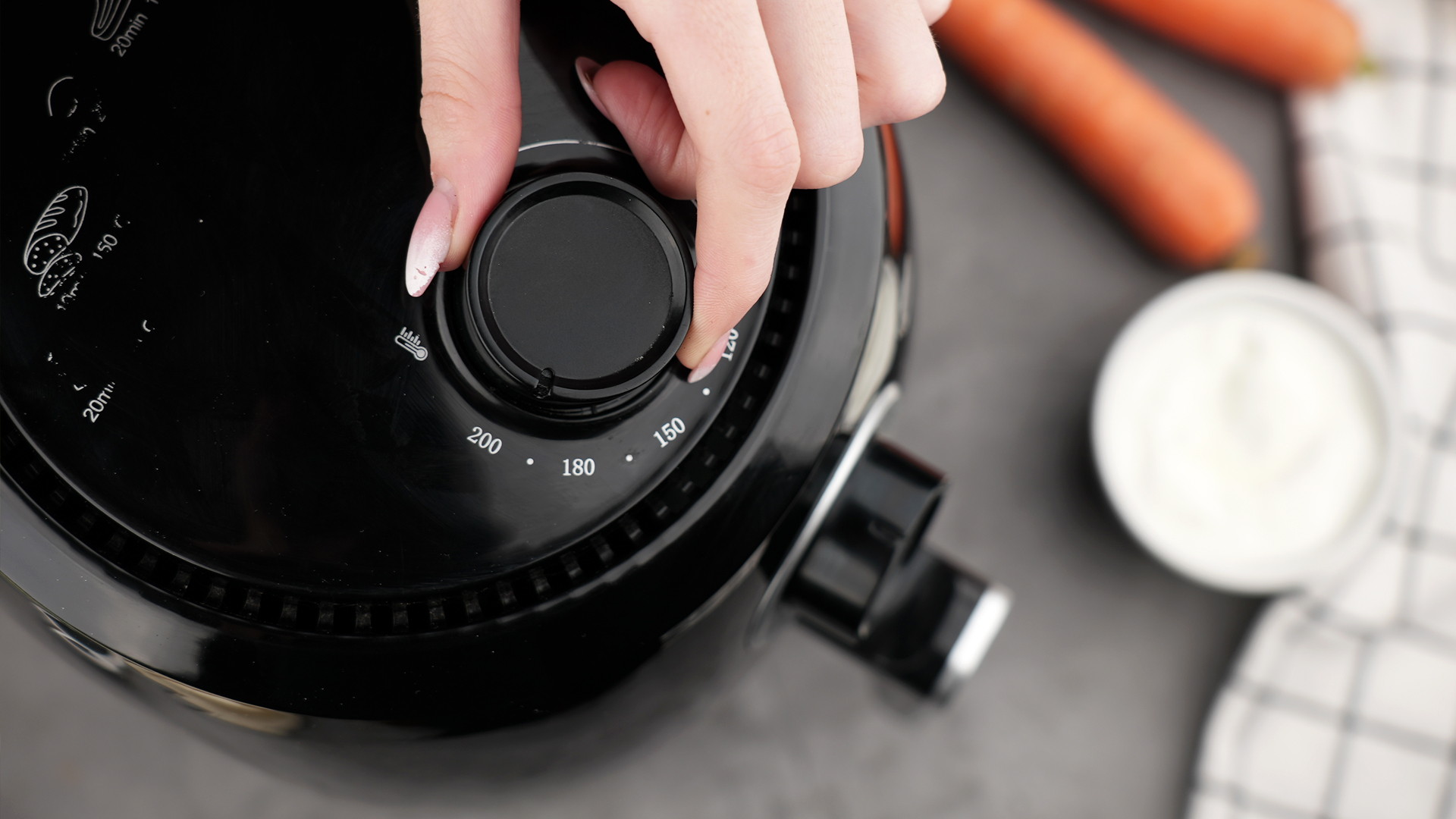
The air fryer is excellent for prawns because it creates a light, crisp edge without deep-frying. Thaw the prawns, dry them well, then season with oil, salt, paprika, garlic powder, and black pepper. Air fry at 400°F for about 5 to 7 minutes, shaking the basket halfway through.
For a crunchy version, dip prawns in flour, egg, and panko breadcrumbs before air frying. Serve with cocktail sauce, spicy mayo, lemon-garlic yogurt sauce, or sweet chili sauce. Air-fried prawns are perfect for tacos, rice bowls, lettuce wraps, and party snacks that disappear faster than you can say, “I made extra.”
7. Prawns in Soups, Curries, and Pasta Sauces
One of the easiest ways to enjoy frozen prawns is to add them at the end of a simmering soup, curry, or pasta sauce. Because prawns cook so quickly, they should not simmer for a long time. Add thawed raw prawns during the final 3 to 5 minutes, just until they turn opaque.
Try prawns in coconut curry with ginger and lime, tomato-based pasta sauce with garlic and basil, creamy Alfredo-style sauce, spicy ramen, seafood chowder, or gumbo-inspired stew. If using cooked frozen prawns, stir them in at the very end and heat gently. This method gives you maximum flavor with minimum fuss.
Can You Cook Prawns Straight from Frozen?
Yes, you can cook prawns straight from frozen in some cases, especially by boiling, poaching, roasting, or broiling. However, thawing usually gives better texture and more even seasoning. Frozen prawns release water as they cook, which can dilute sauces and prevent browning. That is why sautéing and stir-frying work best with thawed, well-dried prawns.
If you must cook from frozen, rinse off excess ice under cold water, separate the prawns, and dry them as much as possible. Add a few extra minutes to the cooking time and drain excess liquid if needed. Avoid cooking frozen prawns in a crowded skillet unless you are intentionally making prawn soup, which is not the same as a sear, no matter how optimistic you feel.
Best Seasonings and Flavor Ideas for Frozen Prawns
Prawns are mild, slightly sweet, and extremely cooperative. They work with almost every flavor profile. For Mediterranean prawns, use olive oil, garlic, lemon, oregano, parsley, and feta. For Cajun prawns, use paprika, cayenne, garlic powder, onion powder, thyme, and black pepper. For Asian-inspired prawns, use ginger, garlic, soy sauce, sesame oil, scallions, and chili crisp.
For Mexican-style prawns, season with cumin, chili powder, lime, cilantro, and a little smoked paprika. For Indian-inspired prawns, use turmeric, cumin, coriander, chili, garam masala, and coconut milk. For a classic American seafood flavor, combine butter, lemon, garlic, parsley, and a pinch of seafood seasoning.
What to Serve with Cooked Frozen Prawns
Cooked prawns are wildly adaptable. Serve them with pasta, rice, quinoa, grits, roasted potatoes, garlic bread, tortillas, salad, noodles, or steamed vegetables. Turn them into shrimp tacos with cabbage slaw and lime crema. Toss them into fried rice. Add them to Caesar salad. Pile them over creamy polenta. Mix them with lemony pasta and peas. Or serve them cold with cocktail sauce when you want the appetizer table to look expensive without taking out a small loan.
Common Mistakes to Avoid
Overcooking
This is the number one prawn crime. Prawns cook quickly, and once they are done, more heat does not make them “extra done.” It makes them tough. Remove them from the heat as soon as they are opaque and curled.
Thawing in hot water
Hot water can make the outside warm while the inside remains frozen, creating uneven texture and food-safety concerns. Use the refrigerator or cold water instead.
Skipping the drying step
Wet prawns steam. Dry prawns sear. This is kitchen physics with delicious consequences.
Adding prawns too early to soups or sauces
Prawns should go in near the end. Long simmering can make them rubbery and bland.
Not checking whether they are raw or cooked
Raw frozen prawns need cooking. Cooked frozen prawns need gentle reheating. Treating them the same is how dinner gets chewy.
Storage and Leftover Tips
Keep frozen prawns frozen until you are ready to use them. After thawing in the refrigerator, cook them within a day or two for best quality. Once cooked, store leftovers in an airtight container in the refrigerator and use them within 3 to 4 days. Reheat gently over low heat or add them cold to salads, wraps, or grain bowls.
To reheat without ruining the texture, avoid blasting prawns in the microwave for too long. Use short intervals or warm them in a skillet with a splash of water, broth, or sauce. The goal is warm and tender, not seafood jerky.
Kitchen Experiences: What Cooking Frozen Prawns Teaches You
Cooking frozen prawns has a funny way of turning a chaotic kitchen evening into something surprisingly calm. Many home cooks start with a bag of frozen prawns because they forgot to plan dinner, forgot to thaw chicken, or forgot that humans expect meals more than once per day. Then, ten minutes later, they are eating garlic butter prawns over rice and wondering why they ever panicked.
The first lesson is that frozen seafood is not a compromise. In many cases, frozen prawns are excellent because they are often frozen soon after harvesting, which helps preserve their flavor and texture. Once you learn to look for good packaging and avoid freezer-burned bags, you realize the freezer aisle is not the backup plan. It is the plan wearing sweatpants.
The second lesson is that timing matters more than complexity. Prawns do not reward multitasking. You cannot toss them in a skillet, wander away to answer emails, fold laundry, and return expecting perfection. They cook in minutes. The best approach is to prepare everything first: chop the garlic, slice the lemon, measure the sauce, warm the tortillas, and set out the serving bowl. Once prawns hit heat, dinner is basically sprinting.
The third lesson is that simple flavors win. Some of the best frozen prawn meals need only butter, garlic, lemon, salt, and pepper. A handful of parsley makes it look intentional. Chili flakes make it exciting. A spoonful of pasta water turns it into sauce. Suddenly, you are not “just using what was in the freezer.” You are serving a bright, fast seafood dinner that tastes fresh and feels generous.
The fourth lesson is that texture is everything. A perfectly cooked prawn is juicy, slightly springy, and tender. An overcooked prawn is a tiny edible tire. The difference can be less than a minute. That is why visual cues are so helpful: pink color, opaque flesh, and a relaxed C-shaped curl. Once you learn those signs, cooking prawns becomes less intimidating.
The fifth lesson is that frozen prawns make leftovers exciting. A scoop of rice becomes fried rice. A lonely bag of salad becomes a protein-packed lunch. A jar of marinara becomes seafood pasta. Tortillas become tacos. Noodles become stir-fry. Frozen prawns are especially useful because they do not demand a long marinade or complicated prep. They absorb flavor quickly and play nicely with whatever ingredients are already hanging around your kitchen.
Most of all, frozen prawns teach confidence. They remind home cooks that good food does not always require a long shopping list or an afternoon of chopping. Sometimes dinner begins with a freezer bag, a skillet, and a little faith. Add garlic, keep an eye on the clock, and do not overcook them. That is the whole magic trick.
Conclusion
Learning how to cook frozen prawns gives you one of the easiest shortcuts to fast, flavorful meals. Whether you sauté them in garlic butter, poach them for shrimp cocktail, grill them on skewers, roast them on a sheet pan, stir-fry them with vegetables, crisp them in the air fryer, or add them to soups and curries, frozen prawns can go from freezer to fantastic with very little drama.
The secret is simple: thaw safely when possible, pat them dry, season boldly, cook quickly, and stop as soon as they are opaque and tender. Once you master those basics, a bag of frozen prawns becomes more than a convenience food. It becomes your emergency dinner button, your protein upgrade, and your best excuse to keep lemons and garlic in the kitchen at all times.