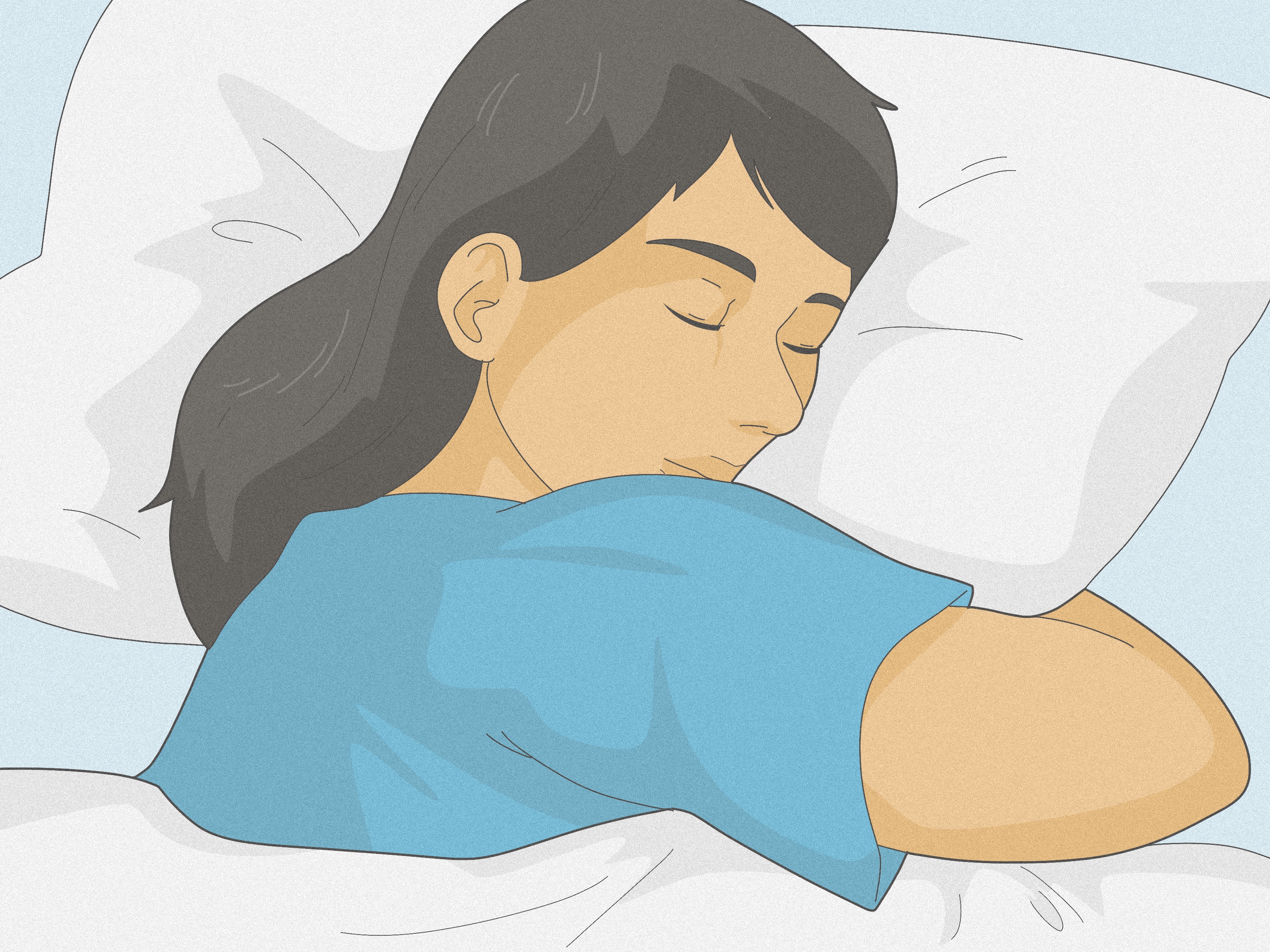
You are lying on the couch. The remote is nearby. Your phone is suspiciously at 3% battery. You have not done a squat, a plank, or even an enthusiastic walk to the fridge. And yet, your body is still burning calories like a tiny, stubborn furnace. So, how many calories do you burn a day doing nothing?
The honest answer: most adults burn roughly 1,200 to 2,000+ calories per day at rest, depending on body size, age, sex, muscle mass, hormones, genetics, and overall health. That number is mainly your basal metabolic rate, or BMR, which is the energy your body needs to keep you alive before you add exercise, walking, chores, typing angry emails, or chasing your dog after it steals a sock.
In other words, “doing nothing” is not truly nothing. Your heart pumps. Your lungs breathe. Your brain manages the group chat of organs. Your liver, kidneys, digestive system, cells, and nervous system all keep working behind the scenes. You may be resting, but your body is running a 24-hour maintenance department with no lunch break.
What Does “Burning Calories Doing Nothing” Actually Mean?
When people ask, “How many calories do I burn a day doing nothing?” they usually mean: How many calories does my body burn if I do not exercise? The answer is tied to your resting metabolism.
BMR vs. RMR: The Two Cousins of Calorie Burn
Basal metabolic rate (BMR) is the minimum number of calories your body needs to perform basic life-sustaining functions under very controlled conditions. Think breathing, blood circulation, cell repair, temperature control, hormone balance, and brain activity.
Resting metabolic rate (RMR) is similar, but it is usually measured under less strict conditions. For everyday people who are not living inside a laboratory wearing a mask and being studied by scientists with clipboards, RMR is often the more practical estimate.
For most readers, BMR and RMR can be understood as the calories your body burns at rest. They are not always identical, but they point to the same big idea: your body burns energy simply to stay alive.
So, How Many Calories Do You Burn a Day Doing Nothing?
A common range for adults is about 1,200 to 2,000+ calories per day at rest. Smaller, older, less muscular people may fall toward the lower end. Larger, younger, more muscular people often fall higher. Some people may burn less or more depending on medical conditions, medications, thyroid function, body composition, and genetics.
Here are simple examples using the widely used Mifflin-St Jeor equation. These are estimates, not destiny carved into a dumbbell.
Example 1: A 35-Year-Old Woman
Suppose a woman is 35 years old, 5 feet 5 inches tall, and weighs 150 pounds. Her estimated BMR may be around 1,390 calories per day. That means her body could burn roughly that amount before counting exercise or daily movement.
Example 2: A 35-Year-Old Man
Suppose a man is 35 years old, 5 feet 10 inches tall, and weighs 180 pounds. His estimated BMR may be around 1,780 calories per day. Again, this is the “keep the lights on” energy cost, not the number burned after errands, work, workouts, or pacing around while wondering why the printer hates everyone.
Example 3: A Smaller Older Adult
A 65-year-old person who is smaller and has less muscle mass may have a BMR closer to 1,100 to 1,400 calories per day. Age often reduces calorie needs because people tend to lose muscle over time, and muscle tissue uses more energy than fat tissue.
The Formula: How to Estimate Calories Burned at Rest
One of the most common formulas for estimating BMR is the Mifflin-St Jeor equation. You need your weight in kilograms, height in centimeters, and age in years.
For Men
BMR = (10 × weight in kg) + (6.25 × height in cm) – (5 × age) + 5
For Women
BMR = (10 × weight in kg) + (6.25 × height in cm) – (5 × age) – 161
To convert pounds to kilograms, divide by 2.2. To convert inches to centimeters, multiply by 2.54. Yes, the math looks like it came with assembly instructions, but it is manageable.
What Your Body Is Doing While You Are “Doing Nothing”
It may feel like you are just sitting there, but your body is handling a surprising list of tasks. Your brain burns energy even when your biggest decision is whether to watch one more episode. Your heart contracts thousands of times per hour. Your lungs bring in oxygen. Your liver processes nutrients. Your kidneys filter blood. Your cells repair damage, build proteins, and maintain fluid balance.
This is why you burn calories while sleeping, sitting, reading, watching TV, or lying still. Sleeping may burn roughly 40 to 55 calories per hour for many adults, while sitting awake usually burns a little more. The exact number changes with body size and metabolism.
Why Two People Burn Different Calories Doing Nothing
Two people can be the same age and height yet burn different calories at rest. Metabolism is not one-size-fits-all. It is more like jeans: the label may help, but the fit depends on the person.
1. Body Size
Bigger bodies usually require more energy to maintain. A larger person generally burns more calories at rest than a smaller person because there is more tissue to support.
2. Muscle Mass
Muscle is metabolically active tissue. It does not turn you into a calorie-burning superhero overnight, but having more lean mass can raise resting energy use. This is one reason strength training matters for long-term weight management and healthy aging.
3. Age
Resting calorie burn often decreases with age, partly because muscle mass tends to decline over time. That does not mean your metabolism “breaks” after a birthday. It means preserving muscle, moving regularly, eating enough protein, and sleeping well become even more important.
4. Sex and Hormones
On average, men often have higher BMR than women because they tend to have more lean body mass. Hormones, thyroid function, pregnancy, menopause, and certain medical conditions can also affect calorie burn.
5. Genetics
Some people naturally have a higher or lower resting metabolic rate. Genetics can influence body composition, appetite, energy expenditure, and how efficiently the body uses fuel.
6. Dieting History
Long periods of very low-calorie dieting may reduce calorie needs. When the body loses weight, especially muscle, it often requires fewer calories to maintain its new size. This is one reason crash diets are usually a bad bargain: they promise speed, then leave metabolism holding the receipt.
BMR Is Not the Same as Total Daily Calories Burned
Your BMR is only one part of your total daily energy expenditure, or TDEE. TDEE is the total number of calories you burn in a full day.
Your TDEE Includes Three Main Pieces
1. Basal or resting metabolism: the calories burned to keep your body alive.
2. Thermic effect of food: the calories used to digest, absorb, and process food. Protein generally takes more energy to digest than carbohydrates or fat.
3. Activity calories: the calories burned through exercise and non-exercise movement, including walking, cleaning, standing, fidgeting, gardening, cooking, and carrying groceries like you are training for the Grocery Olympics.
If your BMR is 1,500 calories, your actual daily burn might be 1,800, 2,000, or more depending on how much you move. Even a “sedentary” day usually includes some activity: showering, brushing your teeth, making food, walking to the mailbox, and dramatically searching for your keys.
How Many Calories Do You Burn Sleeping?
During sleep, your calorie burn usually drops slightly compared with resting while awake. Many adults burn around 320 to 440 calories during an eight-hour sleep, though the number can vary widely.
Sleep is not just passive downtime. Your body repairs tissues, regulates hormones, supports immune function, and helps the brain process information. Poor sleep can also affect hunger hormones, cravings, energy levels, and weight management. So no, sleeping is not a workout, but it is still part of a healthy metabolism.
Can You Increase the Calories You Burn at Rest?
You cannot completely redesign your metabolism like a kitchen renovation, but you can influence it. The most reliable strategies are not flashy. They are boring in the way that works: build muscle, move more, eat enough protein, sleep well, and avoid extreme diets.
Build and Maintain Muscle
Strength training helps preserve lean mass, especially as you age. More muscle can slightly increase resting calorie burn and improve strength, balance, insulin sensitivity, and quality of life.
Move More Outside the Gym
Non-exercise activity thermogenesis, often called NEAT, includes all the calories you burn through everyday movement. Standing, walking during phone calls, taking stairs, cleaning, stretching, and short movement breaks can add up. You do not have to live in a gym. You can simply stop outsourcing every movement to your chair.
Eat Enough Protein
Protein supports muscle repair and maintenance. It also has a higher thermic effect than carbs or fats, meaning your body uses more energy to process it. That does not mean you need to eat chicken breast until you start clucking. It means protein should have a regular place on your plate.
Avoid Crash Dieting
Severe calorie restriction can backfire by increasing hunger, lowering energy, reducing lean mass, and making your plan difficult to maintain. A moderate calorie deficit is usually more realistic and less miserable.
Prioritize Sleep
Good sleep supports appetite regulation, recovery, training performance, and daily energy. If you are tired, you may move less, snack more, and feel like your workout plan was written by someone who personally dislikes you.
Calories Burned Doing Nothing vs. Sitting All Day
“Doing nothing” and “sitting all day” are similar, but not identical. Sitting awake generally burns slightly more than sleeping because your brain is alert, your posture muscles are working, and you may move a little. Still, sitting all day keeps activity calories low.
That matters because resting metabolism may account for the biggest share of daily calorie burn, but activity is the part you can change most quickly. A person who adds more walking, standing, lifting, or cycling can increase daily calorie burn without changing their BMR very much.
Common Myths About Burning Calories at Rest
Myth 1: “If I Have a Slow Metabolism, I Cannot Lose Weight”
A lower metabolism can make weight management harder, but it does not make it impossible. Food intake, activity level, sleep, stress, muscle mass, and consistency all matter.
Myth 2: “Skinny People Always Have Fast Metabolisms”
Not always. Smaller bodies often burn fewer calories at rest because they require less energy to maintain. Body size and composition matter more than assumptions.
Myth 3: “One Workout Fixes Everything”
Exercise is powerful for health, but one workout does not erase an entire lifestyle. Daily habits matter more than occasional heroic sweat sessions followed by three days of couch hibernation.
Myth 4: “Eating Tiny Amounts Will Speed Up Fat Loss Forever”
Very low-calorie diets often become difficult to sustain and may reduce energy expenditure over time. Sustainable fat loss usually works better with a moderate deficit, enough protein, and regular movement.
How to Use Your Resting Calorie Burn in Real Life
Knowing your estimated BMR can help you understand your body’s baseline needs. However, it should not become a number you obsess over. BMR is a starting point, not a full instruction manual.
If your estimated BMR is 1,500 calories, eating exactly 1,500 calories may not be right for you. Your total needs also include digestion and activity. A sedentary person may multiply BMR by about 1.2 to estimate daily maintenance calories. Someone who exercises regularly may need significantly more.
For example, a person with a BMR of 1,500 calories might burn around 1,800 calories per day with a sedentary lifestyle. If that same person becomes more active, their daily burn may rise to 2,000 calories or beyond. The difference comes from movement, not magic metabolism dust.
Simple Ways to Burn More Without “Working Out”
If formal exercise feels intimidating, start with tiny upgrades. Walk for five minutes after meals. Stand while answering messages. Park farther away. Take the stairs. Do light housework. Stretch while watching TV. Carry your own groceries. Pace during calls. These small actions may not look dramatic, but they can build momentum.
The goal is not to turn every moment into a calorie-burning contest. The goal is to make movement normal again. Your body was designed for more than sitting in a chair shaped like a productivity trap.
When Should You Be Concerned About Your Metabolism?
If you experience unexplained weight gain or loss, extreme fatigue, unusual cold intolerance, rapid heartbeat, hair loss, major appetite changes, or other concerning symptoms, speak with a healthcare professional. Thyroid disorders, hormonal changes, medication effects, sleep problems, and other health conditions can influence metabolism.
Online calculators are useful, but they are estimates. A clinical test, such as indirect calorimetry, can measure resting metabolic rate more accurately. Most people do not need lab testing, but it may be helpful in certain medical or athletic situations.
Personal Experiences and Everyday Observations About Burning Calories Doing Nothing
One of the funniest things about learning how many calories you burn a day doing nothing is realizing that your body has been quietly working hard the whole time. Many people imagine calorie burn as something that only happens during a run, a spin class, or a workout where someone yells “one more rep” despite clearly not understanding the meaning of “one.” But the first time you calculate your BMR, it can feel oddly comforting. Even on a lazy Sunday, your body is not lazy. It is managing oxygen, blood flow, temperature, hormones, digestion, and cell repair while you debate whether sweatpants count as an outfit.
A common experience is surprise. Someone may estimate their BMR and discover they burn 1,400 or 1,700 calories before exercise is even included. That can change how they think about food and energy. Instead of seeing calories as the enemy, they begin to see them as fuel. Your body needs energy to think clearly, sleep well, recover, digest, and move through the day. Eating too little may seem like a shortcut, but in real life it often leads to low energy, cravings, irritability, and eventually a dramatic reunion with the snack cabinet.
Another relatable experience is realizing how much daily movement matters. Two people can have similar BMR numbers but very different total daily calorie burns. One person sits for ten hours, drives everywhere, and ends the day with fewer than 3,000 steps. Another person does not formally exercise but walks the dog, takes stairs, cooks dinner, cleans the kitchen, and shops for groceries. The second person may burn noticeably more calories, not because they did a heroic workout, but because their day included more movement. This is where “doing nothing” becomes a useful reality check. Resting metabolism is powerful, but your small choices still count.
Many people also notice that strength training changes how they feel, even before it dramatically changes the scale. Building muscle takes time, and it does not instantly double metabolism. Still, stronger muscles can make everyday life easier. Carrying bags feels lighter. Stairs feel less rude. Posture improves. Energy may improve. Over months, preserving or gaining muscle can support a healthier resting metabolic rate, especially during weight loss or aging.
Sleep is another experience people underestimate. After a poor night of sleep, hunger often feels louder, cravings get pushier, and movement feels optional in the worst way. After a solid night of sleep, it is often easier to make balanced food choices and move more naturally. Since your body continues burning calories while sleeping, rest is not “wasted time.” It is maintenance mode, and maintenance mode matters.
The biggest practical lesson is this: your body is not a calculator, but calculators can teach you something. Estimating your calories burned at rest gives you a baseline. From there, you can adjust based on real-life results, hunger, energy, goals, and health. You do not need to obsess over every calorie. You simply need to understand that doing nothing still burns energy, and doing a little more than nothing can add up beautifully over time.
Conclusion
So, how many calories do you burn a day doing nothing? Most adults burn somewhere around 1,200 to 2,000+ calories per day at rest, with individual differences based on age, size, sex, muscle mass, genetics, hormones, and health status. Your body burns calories every minute because staying alive is surprisingly expensive.
Your BMR or RMR is the foundation of your daily calorie burn, but it is not the whole story. Digestion, exercise, walking, standing, cleaning, fidgeting, and all the tiny movements of daily life add to your total energy expenditure. If you want to support a healthy metabolism, focus on sustainable habits: build muscle, move often, eat enough protein, sleep well, and skip the crash-diet circus.
The best part? You do not need perfection. You need consistency. Your body is already working for you, even when you are doing “nothing.” Give it better inputs, more movement, and decent rest, and it will usually return the favor.