Note: This article is for educational purposes only and does not replace medical advice. Nasal polyps can feel like your nose has quietly joined a traffic jam, but home care should focus on symptom reliefnot DIY removal. Never try to pull, cut, burn, or “shrink” nasal polyps with harsh substances. Reputable medical sources consistently recommend safe supportive steps such as saline irrigation, humidification, allergy control, and medical evaluation when symptoms persist.
What Are Nasal Polyps?
Nasal polyps are soft, noncancerous growths that develop inside the lining of the nose or sinuses. They are usually linked to long-term inflammation rather than a one-time cold. Think of them as tiny, unwanted “guests” showing up after your nasal passages have been irritated for too long. They may be associated with chronic sinusitis, allergies, asthma, aspirin sensitivity, or recurring infections.
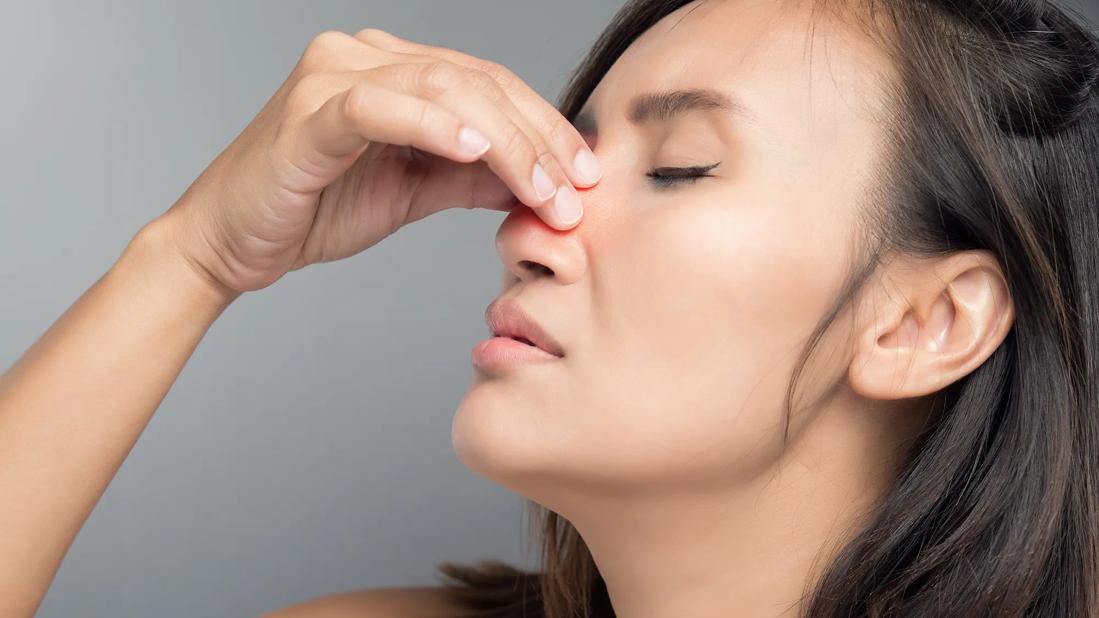
Small nasal polyps may not cause symptoms at all. Larger polyps, or clusters of them, can block airflow and sinus drainage. That can lead to nasal congestion, postnasal drip, reduced sense of smell, facial pressure, snoring, headaches, and recurring sinus infections. If your “stuffy nose” has been hanging around longer than a houseguest who missed every hint, nasal polyps may be one possible reason.
Can Home Remedies Cure Nasal Polyps?
Here is the honest answer: home remedies may help relieve nasal polyp symptoms, but they usually do not remove polyps. Nasal polyps are inflammation-driven growths, so symptom relief often comes from reducing irritation, improving mucus flow, and supporting sinus drainage. Medical treatment may include corticosteroid nasal sprays, short courses of oral steroids, biologic medications, allergy management, or surgery in more severe cases.
That does not mean home care is useless. Far from it. The right routine can make breathing easier, reduce crusting, flush out allergens, and help your nose feel less like a blocked tunnel during rush hour. The key is using safe, evidence-informed remediesnot random internet potions with the personality of a science fair accident.
Best Home Remedies for Nasal Polyps Relief
1. Use Saline Nasal Irrigation Safely
Saline irrigation is one of the most commonly recommended home remedies for nasal polyps relief. It involves rinsing the nasal passages with a saltwater solution using a squeeze bottle, neti pot, or another nasal rinse device. This can help thin mucus, wash away allergens and irritants, moisturize the nasal lining, and improve sinus drainage.
For many people, a saline rinse feels like giving the sinuses a tiny spa day. But safety matters. The FDA warns that tap water should not be used for nasal rinsing unless it has been boiled and cooled. Use distilled, sterile, or previously boiled water because organisms that are harmless to swallow can be dangerous if introduced into the nasal passages. Clean and dry the device after each use.
How to try it: Use a store-bought saline packet or a properly mixed saline solution. Lean over a sink, breathe through your mouth, and allow the solution to flow through one nostril and out the other. Do not force it. If it burns, the salt balance may be off, the water may be too hot or cold, or your nasal passages may be very irritated.
2. Keep Indoor Air Moist With a Humidifier
Dry air can make nasal congestion, crusting, and irritation worse. A humidifier may help moisten breathing passages, support mucus flow, and make the nose feel less angry. Cleveland Clinic, Mayo Clinic Health System, and Johns Hopkins all mention humidification as a helpful supportive step for people prone to nasal and sinus inflammation.
The trick is keeping the humidifier clean. A dirty humidifier can turn into a tiny fog machine for germs and mold, which is not exactly the wellness upgrade anyone ordered. Empty the tank daily, clean it according to the manufacturer’s instructions, and avoid letting indoor humidity climb too high. A comfortable range is often around 30% to 50% humidity.
3. Try Warm Steam for Temporary Comfort
Steam will not melt nasal polyps, no matter how dramatic the bathroom mirror fog looks. However, warm steam may temporarily loosen mucus and soothe irritated nasal passages. A warm shower, a bowl of warm water placed safely on a table, or sitting in a steamy bathroom may help when congestion feels intense.
Use common sense with heat. Do not place your face too close to boiling water, and avoid steam treatments for children unless a healthcare professional says it is safe. The goal is comfort, not turning your sinuses into soup.
4. Drink Enough Fluids
Hydration supports thinner mucus, and thinner mucus is easier for your sinuses to move. Water, herbal tea, brothy soups, and water-rich foods can all help. Hydration alone will not treat nasal polyps, but it can support better mucus flow and reduce that thick, sticky, “why is my nose doing arts and crafts?” feeling.
If you are congested, try keeping a water bottle nearby and sipping throughout the day. Warm fluids may feel especially soothing. Avoid going overboard with alcohol, which can contribute to dehydration and may worsen congestion in some people.
5. Reduce Exposure to Nasal Irritants
Nasal polyps are closely tied to inflammation, so reducing irritants can make a real difference. Dust, tobacco smoke, strong perfumes, chemical fumes, pollution, and mold can all aggravate the nasal lining. Johns Hopkins recommends avoiding nasal irritants such as dust, debris, smoking, and common allergens when trying to reduce the chance of inflammation and recurrence.
Simple steps can help: vacuum regularly with a HEPA-filter vacuum if possible, wash bedding weekly in hot water, keep windows closed during high pollen days, and use fragrance-free cleaning products when strong scents trigger symptoms. If you smoke, quitting is one of the best gifts you can give your nose, lungs, and every person who has ever sat next to you in an elevator.
6. Manage Allergies Before They Manage You
Allergies can fuel ongoing nasal inflammation, which may worsen congestion and sinus symptoms. If you have seasonal allergies, pet allergies, or dust mite sensitivity, controlling triggers may reduce flare-ups. Options may include saline rinses, allergen avoidance, over-the-counter antihistamines, nasal steroid sprays, or allergy testing and treatment through a clinician.
For example, if your symptoms spike every spring, start allergy control before pollen season hits like a glitter cannon. If symptoms worsen after cleaning, dust mites or mold may be part of the problem. Tracking patterns can help you and your healthcare provider choose the right plan.
7. Use Nasal Sprays Correctly
Some nasal sprays can help, while others can make things worse if misused. Saline sprays are generally gentle and can moisturize nasal passages. Corticosteroid nasal sprays are often part of medical treatment for nasal polyps because they help reduce inflammation and may shrink polyp tissue over time. AAAAI notes that topical nasal steroid sprays and saline rinses are part of medical treatment for chronic rhinosinusitis with nasal polyps.
However, decongestant sprays are different. Products containing oxymetazoline or similar ingredients can cause rebound congestion if used for more than a few days. That means your nose may become more blocked when the spray wears off. Follow label directions and ask a healthcare professional before relying on any medicated spray long-term.
8. Sleep With Your Head Slightly Elevated
Nasal congestion often feels worse at night. Gravity is not always your nose’s best friend. Sleeping with your head slightly elevated may help mucus drain more comfortably and reduce nighttime stuffiness. You can use an extra pillow or raise the head of your bed slightly.
This remedy is simple, but it can improve sleep quality for some people. Better sleep also supports immune function and overall inflammation control. Plus, waking up less congested is a much nicer way to greet the day than snorting like a confused walrus.
9. Consider an Anti-Inflammatory Eating Pattern
No specific food has been proven to erase nasal polyps. Still, an overall anti-inflammatory eating pattern may support general health and help people who have inflammation-related conditions. Focus on colorful vegetables, fruits, whole grains, beans, nuts, seeds, olive oil, and fatty fish if you eat seafood. These foods provide fiber, antioxidants, and healthy fats.
Some people notice that alcohol, very spicy foods, or highly processed foods worsen congestion. Others do not. Rather than blaming every sandwich, keep a symptom diary. Track what you ate, your environment, pollen levels, sleep, and symptoms. Patterns are more useful than panic.
10. Practice Good Hand Hygiene
Upper respiratory infections can inflame the nose and sinuses, making symptoms worse. Mayo Clinic Health System lists regular handwashing as one way to help protect against infections that may contribute to nasal and sinus inflammation.
Wash your hands with soap and water, especially before touching your face, preparing food, or using nasal rinse equipment. It sounds basic because it is basicand basic often works. Your immune system does not need extra drama.
Home Remedies to Avoid
Do Not Try to Remove Nasal Polyps Yourself
This is the big one. Never try to remove nasal polyps at home. Pulling, cutting, burning, scraping, or applying harsh substances can cause bleeding, infection, injury, and damage to delicate nasal structures. Cleveland Clinic specifically warns against self-removal because it can lead to serious harm.
Be Careful With Essential Oils
Essential oils are often promoted online for sinus relief, but they can irritate sensitive nasal tissue. Never put undiluted essential oils inside the nose. Even diluted oils may trigger burning, sneezing, asthma symptoms, or allergic reactions. “Natural” does not always mean gentle. Poison ivy is natural, and nobody is inviting it to brunch.
Avoid Unproven “Polyp-Shrinking” Hacks
Be skeptical of home remedies that promise to dissolve nasal polyps overnight. Apple cider vinegar, hydrogen peroxide, garlic juice, cayenne mixtures, and other harsh remedies can irritate or injure the nasal lining. If a remedy sounds like it belongs in a kitchen, a cleaning cabinet, and a dare video all at once, do not put it in your nose.
When to See a Doctor
Home remedies are best for mild symptom relief, but medical evaluation matters if symptoms persist. See a healthcare professional if you have nasal congestion lasting more than 10 days without improvement, symptoms that continue for 12 weeks or more, frequent sinus infections, worsening asthma, facial swelling, severe headache, fever, vision changes, or a major loss of smell. Chronic rhinosinusitis with nasal polyps is usually defined by long-lasting inflammation and symptoms such as nasal obstruction, drainage, facial pressure, and smell loss.
You should also seek care if symptoms are one-sided, bloody, or rapidly worsening. Nasal polyps are usually benign, but not every nasal blockage is a polyp. A clinician may use nasal endoscopy, imaging, allergy testing, or other tools to understand what is happening.
How Medical Treatment and Home Care Work Together
The best plan often combines home care with medical treatment. Saline rinses may clear mucus and allergens. A humidifier may reduce dryness. Allergy control may reduce triggers. Nasal steroid sprays may reduce inflammation. In more severe cases, specialists may recommend oral steroids, biologic medicines, or surgery. Mayo Clinic, AAAAI, ACAAI, Johns Hopkins, and family medicine guidance all describe treatment as a combination of symptom control, inflammation reduction, and ongoing management.
That long-term mindset is important. Nasal polyps can come back, even after treatment. The goal is not just to “open the nose today,” but to reduce inflammation patterns that keep causing trouble. Your nose is not being dramatic for sport; it is responding to an irritated environment.
A Simple Daily Routine for Nasal Polyps Relief
If your healthcare provider says nasal rinsing is appropriate for you, a simple routine may look like this:
- Morning: Use a sterile saline rinse, then use any prescribed nasal spray as directed.
- Daytime: Drink fluids, avoid smoke and strong scents, and monitor allergy triggers.
- Evening: Shower or rinse after outdoor pollen exposure, run a clean humidifier if air is dry, and sleep with your head slightly elevated.
- Weekly: Wash bedding, clean humidifier parts, and review your symptom diary.
This routine is not glamorous. It will not get its own movie franchise. But consistency often matters more than novelty. The sinuses tend to appreciate boring, gentle, repeatable care.
Experience-Based Tips for Living With Nasal Polyps at Home
Living with nasal polyps can be frustrating because the symptoms are not always dramatic enough to make others understand, yet they can be annoying enough to affect nearly everything. Breathing through the mouth dries the throat. Poor sleep makes mornings feel like a slow reboot. Losing smell can make food less exciting, which is deeply unfair to tacos, coffee, and freshly baked bread.
One practical experience many people discover is that timing matters. Saline rinses often work best when used before medicated nasal sprays, because rinsing can clear mucus and help the spray reach the nasal lining more effectively. However, it is smart to wait a little after rinsing so the spray does not immediately drip out. This is where patience becomes part of the treatment plan, which is rude but true.
Another useful lesson is that nasal polyps can make symptoms feel inconsistent. One day you may breathe fairly well, and the next day your nose behaves like it has installed a security gate. Weather changes, pollen, dust, alcohol, poor sleep, viral infections, and indoor dryness may all influence symptoms. Keeping a short diary can help. You do not need a novel. Just write down congestion level, sleep quality, triggers, and what helped. After two or three weeks, patterns often appear.
People who use humidifiers often learn the cleaning lesson quickly. A humidifier can be helpful, but only when it is maintained. If the room smells musty or the machine has visible buildup, it may irritate the nose rather than soothe it. Clean water, clean equipment, and moderate humidity are the winning trio. The humidifier should be a helpful roommate, not a moldy little villain.
Travel can also be tricky. Airplanes, hotel rooms, and dry climates can worsen congestion. A small saline spray, bottled water, and allergy medication recommended by a clinician can make trips easier. If you use nasal irrigation, bring sealed saline packets and make sure you have access to distilled or previously boiled water. Hotel sink water is not automatically safe for nasal rinsing, even if the bathroom lighting makes everyone look like they are in a medical drama.
Food and lifestyle tracking can be helpful, but it should not become stressful. Some people suspect dairy, alcohol, spicy foods, or sugar worsen congestion. Others notice no connection at all. The best approach is observation, not fear. Remove one suspected trigger at a time, watch symptoms, and avoid making your diet unnecessarily miserable. Your goal is better breathing, not turning dinner into a courtroom trial.
Finally, one of the most important experiences is knowing when home remedies are not enough. If congestion is affecting sleep, smell, asthma control, work, exercise, or mood, it is reasonable to ask for help. An ear, nose, and throat specialist or allergist can check whether nasal polyps are present, how large they are, and what treatment options make sense. Home remedies can support relief, but you do not have to white-knuckle your way through chronic symptoms.
Conclusion
Home remedies for nasal polyps relief work best when they are safe, gentle, and consistent. Saline nasal irrigation, humidified air, hydration, steam, allergy control, irritant avoidance, proper sleep positioning, and good hygiene may ease congestion and support sinus comfort. Still, these remedies should not be confused with a cure. Nasal polyps are linked to chronic inflammation, and many people need medical treatment to reduce polyp size, prevent recurrence, and restore better breathing.
The bottom line: be kind to your nose, but do not perform home surgery on it. Use safe remedies, avoid harsh internet hacks, and seek medical care when symptoms persist or interfere with daily life. Your sinuses may be stubborn, but with the right plan, they do not have to run the entire household.