Gallstones may look like a small digestive problem, but research suggests they can wave a surprisingly large red flag for heart health. A major analysis involving more than 840,000 people found that a history of gallstone disease was linked to a 23% higher risk of coronary heart disease. In plain English, that is roughly a fifth higher risk not exactly the kind of “extra” anyone wants added to their medical shopping cart.
This does not mean gallstones directly cause heart attacks in every person who has them. The relationship is more complicated, involving cholesterol, inflammation, obesity, diabetes, blood pressure, diet, and the body’s overall metabolic health. Still, the message is important: gallstones are not always just a gallbladder issue. They may be a clue that the heart and blood vessels deserve attention, too.
What Are Gallstones?
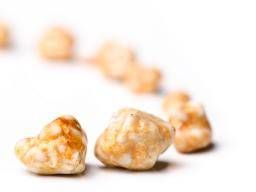
Gallstones are hardened deposits that form in the gallbladder, a small organ tucked under the liver. The gallbladder stores bile, a digestive fluid that helps break down fat. When bile contains too much cholesterol, too much bilirubin, or not enough bile salts, stones can form. Some are as tiny as grains of sand; others can grow large enough to make your gallbladder wish it had read the lease agreement before moving in.
Many gallstones are “silent,” meaning they do not cause symptoms. Others can trigger intense upper abdominal pain, nausea, vomiting, pain after fatty meals, pain between the shoulder blades, or discomfort under the right shoulder. When a stone blocks a bile duct, the situation can become serious and may require urgent medical care.
The Heart Disease Connection: Why the “One-Fifth” Risk Matters
The headline number comes from research that reviewed several large studies and found that people with gallstone disease had a higher risk of coronary heart disease. Coronary heart disease occurs when the arteries that supply blood to the heart become narrowed or blocked, often because of plaque buildup. That can lead to chest pain, heart attack, or other serious complications.
Researchers found that a history of gallstone disease was associated with about a 23% increase in coronary heart disease risk. That is why the phrase “by a fifth” is commonly used: it is a simple way to communicate a risk increase that is close to one-quarter. The number is not a personal prediction. It does not mean that 23 out of every 100 people with gallstones will develop heart disease. It means that, compared with people without gallstone disease, the relative risk was higher in the studied groups.
Shared Risk Factors: The Gallbladder and Heart May Be Reading the Same Bad Script
Gallstones and heart disease share several risk factors. These include obesity, high cholesterol, diabetes, high blood pressure, physical inactivity, and diets high in refined carbohydrates or unhealthy fats. In other words, the gallbladder and heart may not be enemies; they may simply be suffering from the same lifestyle and metabolic pressures.
Cholesterol
Most gallstones are cholesterol stones. When bile becomes overloaded with cholesterol, crystals can form and eventually harden into stones. Meanwhile, unhealthy cholesterol levels can also contribute to plaque buildup in the arteries. The same cholesterol story can therefore appear in two different chapters: one in the gallbladder and one in the heart.
Obesity and Weight Cycling
Obesity increases the risk of gallstones and heart disease. Rapid weight loss can also raise the risk of gallstones because it changes how the liver releases cholesterol into bile. This is why crash diets can be a digestive drama machine. The body prefers steady, sustainable weight management over “lose 20 pounds by next Tuesday” plans.
Diabetes and Insulin Resistance
Diabetes is linked with both gallbladder disease and cardiovascular disease. Insulin resistance can affect cholesterol metabolism, blood vessel health, inflammation, and fat storage. When blood sugar is poorly controlled, the risk of heart disease rises, and gallbladder function may also be affected.
Inflammation
Chronic low-grade inflammation may be another bridge between gallstones and heart disease. Gallbladder inflammation can occur when stones block normal bile flow. At the same time, inflammation plays a role in atherosclerosis, the process that narrows and hardens arteries. The body is not divided into separate departments with soundproof walls; trouble in one area can reflect broader internal stress.
Does Having Gallstones Mean You Will Get Heart Disease?
No. Having gallstones does not guarantee heart disease. Many people with gallstones never develop heart problems, and many people with heart disease never have gallstones. The study shows an association, not a guaranteed cause-and-effect relationship.
However, gallstones can serve as a useful warning sign. If someone has gallstone disease, especially alongside high cholesterol, high blood pressure, type 2 diabetes, excess weight, smoking, or a family history of heart disease, it may be wise to take cardiovascular screening more seriously. Think of gallstones as an annoying but potentially helpful smoke alarm. The alarm itself is not the fire, but ignoring it is rarely a winning strategy.
Symptoms That Should Not Be Ignored
Gallstone symptoms can sometimes mimic other problems, including indigestion or even chest discomfort. Medical evaluation is important when pain is severe, persistent, or unusual. Warning signs may include sudden intense pain in the upper right abdomen, pain lasting several hours, fever, chills, yellowing of the skin or eyes, dark urine, pale stools, nausea, or vomiting.
Heart symptoms also require urgent attention. Chest pressure, shortness of breath, pain spreading to the jaw, neck, back, shoulder, or arm, cold sweats, unexplained fatigue, dizziness, or nausea may signal a heart problem. Women may experience less obvious symptoms, such as unusual tiredness, shortness of breath, or discomfort that does not feel like classic chest pain.
How Doctors Usually Treat Gallstones
Silent gallstones often do not need treatment. If stones cause repeated attacks, inflammation, infection, or blockage, doctors may recommend gallbladder removal surgery, called cholecystectomy. Laparoscopic surgery is common and typically uses small incisions. People can live without a gallbladder because bile can still move from the liver to the small intestine.
Medication may occasionally be used to dissolve certain cholesterol stones, but it is not the standard solution for most symptomatic cases. Treatment decisions depend on symptoms, complications, overall health, and medical history. A person with gallstones and heart risk factors should also ask whether cholesterol, blood pressure, blood sugar, and weight should be evaluated.
How to Lower Risk for Both Gallstones and Heart Disease
The encouraging news is that many habits that support heart health may also support gallbladder health. You do not need two separate wellness plans, one for the heart and one for the gallbladder, laminated in different colors. A smart lifestyle pattern can help both.
Choose a Fiber-Rich Eating Pattern
Fiber supports digestion, helps with weight management, and is associated with better cholesterol control. Good choices include vegetables, fruits, beans, lentils, oats, barley, and whole grains. A plate that looks like it came from a farmers market rather than a drive-through window is usually moving in the right direction.
Limit Refined Carbohydrates and Added Sugars
Diets high in sugary drinks, white bread, pastries, candy, and highly processed snacks can worsen blood sugar and triglyceride levels. These foods may also contribute to weight gain. Replacing them with whole-food carbohydrates, lean proteins, and healthy fats can support metabolic health.
Use Healthy Fats Wisely
Fat does not need to be treated like a villain wearing a cape. The type and amount matter. Unsaturated fats from olive oil, nuts, seeds, avocado, and fatty fish can fit into a heart-smart diet. Large greasy meals, however, may trigger gallbladder symptoms in some people and can make the digestive system file a formal complaint.
Avoid Crash Dieting
Rapid weight loss can increase gallstone risk. A gradual approach to weight management is safer and more sustainable. Instead of extreme restriction, aim for consistent meals, balanced portions, regular activity, and realistic goals. The body tends to cooperate better when it is not being ambushed.
Move Regularly
Physical activity helps improve blood pressure, cholesterol, insulin sensitivity, weight, and overall cardiovascular fitness. Walking, cycling, swimming, dancing, resistance training, and even taking the stairs can make a difference. The best exercise is not the trendiest one; it is the one you will actually do more than twice.
Know Your Numbers
People with gallstone disease may benefit from checking key heart-health markers: blood pressure, LDL cholesterol, HDL cholesterol, triglycerides, fasting glucose, A1C, weight, and waist circumference. These numbers help turn vague health worries into an actual plan.
Who Should Be Extra Careful?
Some people have a higher chance of gallstones, including women, adults over 40, people with obesity, people with diabetes, pregnant people, those using estrogen-containing medications, and individuals with a family history of gallstones. Certain ethnic groups also have higher rates. Anyone with these risk factors plus heart disease risks should be especially proactive.
That does not mean panic. It means prevention. A gallstone diagnosis can be a practical moment to widen the conversation. Instead of asking only, “Do I need gallbladder surgery?” consider asking, “What does this say about my overall metabolic health?” That second question may be the one that protects your heart.
The Big Takeaway
Gallstones raise the risk of heart disease by about a fifth in large observational research, but the real lesson is bigger than one statistic. Gallstones may reveal underlying metabolic stress that also affects the heart. Shared risk factors such as cholesterol problems, obesity, diabetes, high blood pressure, inflammation, and diet quality help explain why the gallbladder and cardiovascular system are connected.
If you have gallstones, do not assume your heart is in trouble. But do use the diagnosis as a reminder to check your cardiovascular risk. A gallbladder attack is painful enough; it should at least earn you useful information.
Experiences and Real-Life Lessons: When Gallstones Become a Wake-Up Call
Many people first discover gallstones after a meal that seemed harmless at the time. Maybe it was a cheeseburger, a creamy pasta dish, fried chicken, or a holiday dinner that looked festive on the plate and then staged a rebellion under the ribs. The pain can be sharp, deep, and frightening. Some describe it as a squeezing pain in the upper abdomen. Others feel it in the back or right shoulder. At first, they may blame gas, heartburn, or “something I ate.” Technically, they may be partly right but the gallbladder is often the tiny organ making the loudest complaint.
One common experience is surprise. People often think of heart disease as one category and gallbladder disease as another. The heart is serious; the gallbladder sounds like a supporting character. But after learning that gallstones may be associated with a higher risk of coronary heart disease, many patients begin connecting dots they had ignored. Their cholesterol had been creeping upward. Their blood pressure had been “borderline” for years. Their blood sugar was not terrible, but not ideal. They had gained weight slowly, the way most weight arrives: quietly, politely, and then somehow all at once.
A gallstone diagnosis can become a turning point because it is concrete. Unlike a vague warning to “eat better someday,” gallbladder pain is persuasive. It has excellent communication skills. After one or two attacks, people often become more willing to adjust meals, reduce greasy foods, schedule checkups, and ask about cholesterol testing. In that sense, gallstones can become an uncomfortable but useful messenger.
Another real-life lesson is that small changes are more believable than heroic makeovers. Someone recovering from gallbladder symptoms may start by choosing grilled fish instead of fried fish, oatmeal instead of a pastry, or a 20-minute walk after dinner instead of collapsing into the couch like a medieval king. These changes may look modest, but they add up. The goal is not to create a perfect lifestyle. The goal is to reduce pressure on the gallbladder, improve metabolic health, and lower long-term cardiovascular risk.
People also learn to pay attention to patterns. A food diary can reveal whether rich meals trigger symptoms. Regular blood work can show whether LDL cholesterol, triglycerides, or glucose are moving in the wrong direction. Home blood pressure checks can uncover hypertension that never sends a dramatic announcement. Prevention often feels boring until it prevents something. Then it suddenly looks brilliant.
The emotional side matters, too. A diagnosis can create anxiety, especially when heart disease enters the conversation. But the research should not be read as a sentence. It is a signal. A person with gallstones can use that signal to ask better questions, build healthier habits, and work with a clinician on a prevention plan. In the best-case scenario, the gallbladder’s complaint becomes the reason someone finally protects the heart.
Conclusion
Gallstones are more than digestive pebbles with bad timing. Research links gallstone disease with a higher risk of coronary heart disease, likely because both conditions share metabolic roots. Cholesterol imbalance, excess weight, diabetes, inflammation, diet quality, and blood pressure all play a role. The practical advice is simple: treat gallstone symptoms seriously, but also look beyond the gallbladder. Check heart-health numbers, improve daily habits, and use the diagnosis as motivation rather than a reason to worry in circles. Your gallbladder may be small, but when it speaks, your heart may benefit from listening.