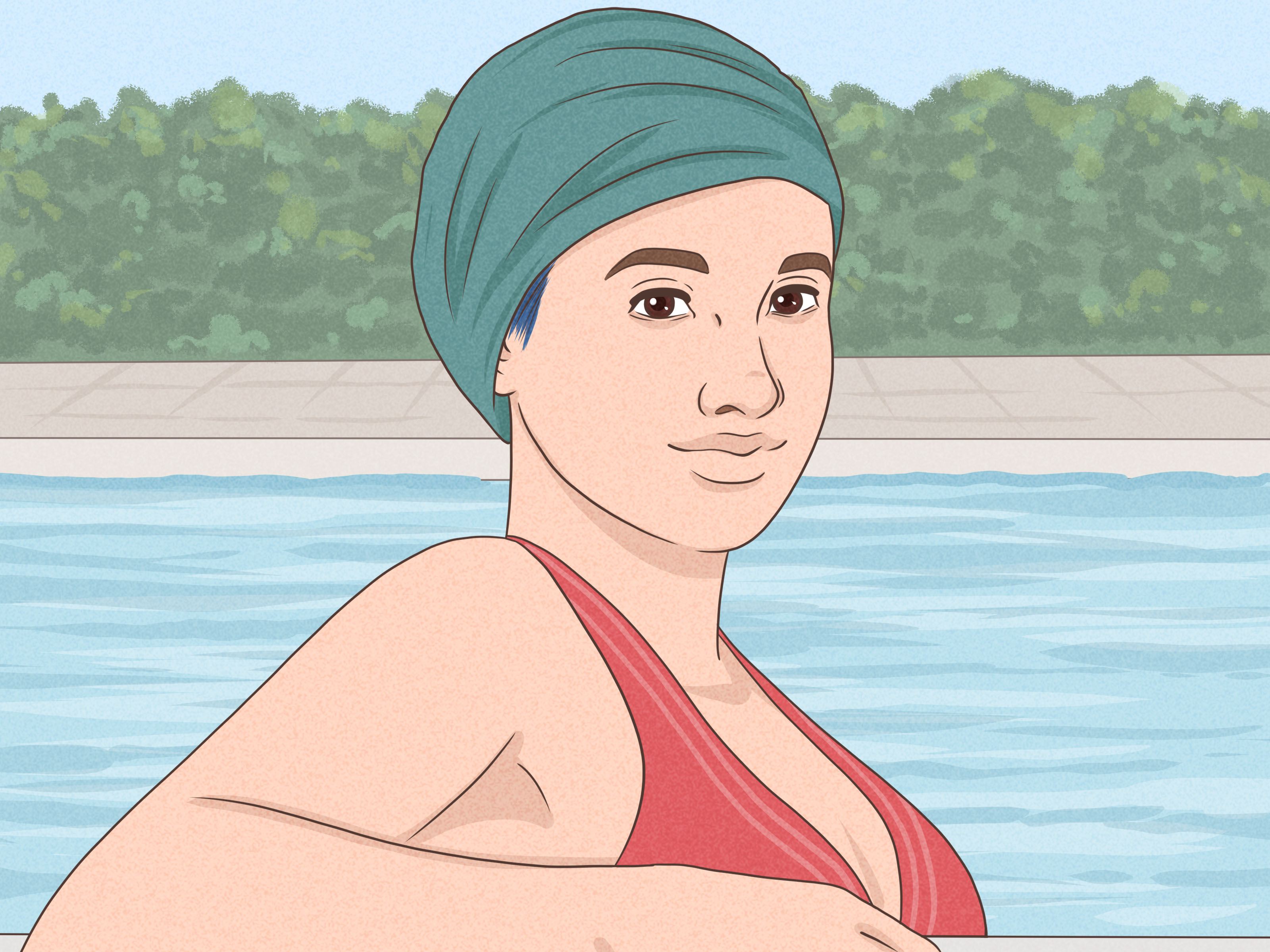
Blue hair is the peacock feather of the hair-color world: bold, cool, dramatic, and just rebellious enough to make a plain ponytail feel like a music video. But there is one tiny betrayal many blue-haired people discover after a few washes, a few sunny days, or one innocent pool party: that gorgeous ocean-blue shade can start looking suspiciously green. Suddenly, your “midnight mermaid” moment is giving “pond algae with confidence.”
The good news? Blue hair turning green is not random. It usually happens because of color theory, fading, water minerals, chlorine exposure, heat damage, sun exposure, or the wrong maintenance routine. Once you understand why your blue hair shifts, you can prevent it with smart washing habits, better product choices, swimming protection, and regular color refreshes.
This guide explains how to prevent blue hair from turning green, how to protect blue hair color between salon visits, and what to do if your strands are already leaning mint, teal, or “accidental pickle.”
Why Does Blue Hair Turn Green?
Blue hair often turns green because blue dye fades over a yellow or brassy base. Think back to elementary-school art class: blue plus yellow makes green. Hair color follows the same basic logic, except your head is the canvas and your shampoo is apparently an art critic.
Most vivid blue hair starts with pre-lightened hair. If the hair underneath is not lifted to a pale, clean blonde, warm yellow or orange tones can show through as the blue pigment fades. A true icy blue needs a very light, cool base. If the base is too golden, the result may shift from blue to turquoise, seafoam, or green.
The Most Common Causes of Green-Tinted Blue Hair
Several factors can push blue hair toward green:
- A yellow or brassy base: If hair was not lightened enough before applying blue dye, warmth can peek through as the color fades.
- Chlorine and copper in pool water: Pool chemicals and metals can attach to lightened hair and create a green cast.
- Hard water minerals: Copper, iron, and other minerals in shower water can dull blue dye and alter the tone.
- Hot water: Heat can open the hair cuticle, encouraging color molecules to escape faster.
- Harsh shampoo: Strong cleansing formulas may strip vivid color more quickly than color-safe options.
- Sun exposure: UV rays can fade artificial color and make undertones more visible.
- Overwashing: Every wash removes a little pigment, especially with semi-permanent blue dye.
Start with the Right Blue Shade and Hair Base
The best way to prevent blue hair from turning green begins before the dye even touches your hair. If your goal is a cool blue, navy blue, cobalt blue, denim blue, or pastel blue, your starting canvas matters enormously.
For bright or pastel blue hair, the hair usually needs to be lifted to a pale blonde. If the hair still looks banana-yellow, gold, or orange, the blue may fade muddy or green. Darker blues are more forgiving, but even they can shift if applied over warm undertones.
Ask for a Cool, Toned Base
If you are seeing a stylist, ask whether your hair is light enough and cool enough for the blue you want. A professional colorist may tone the hair first to reduce yellow or orange before applying blue. This step can make the difference between “arctic lagoon” and “spinach smoothie.”
If you color your hair at home, resist the urge to throw blue dye over uneven blonde, orange, or brassy hair and hope for the best. Blue dye is not a magic eraser. It is more like a transparent filter: whatever warmth is underneath can still influence the final result.
Use a Color-Safe, Sulfate-Free Shampoo
One of the easiest ways to keep blue hair from turning green is to switch to a shampoo made for color-treated hair. Vivid shades such as blue, purple, pink, and teal are often semi-permanent or direct dyes, meaning they sit closer to the outside of the hair shaft and fade faster than permanent natural shades.
A sulfate-free shampoo can be gentler on color-treated hair because it cleanses without the same aggressive stripping effect associated with some traditional formulas. Look for labels such as “color-safe,” “sulfate-free,” “for color-treated hair,” or “vivid color protection.”
How Often Should You Wash Blue Hair?
For most people with blue hair, washing two or three times per week is better than washing daily. If your scalp gets oily quickly, use dry shampoo between washes. Focus shampoo on the scalp, not the blue ends. The suds that rinse through the lengths are usually enough to clean them.
When you do wash, be gentle. Scrubbing your hair like you are trying to remove evidence from a crime scene will not help your color last longer. Massage the scalp with your fingertips, rinse carefully, and follow with conditioner.
Wash with Cool Water, Not Hot Water
Hot showers are wonderful for your soul and rude to your blue hair. Warm and hot water can swell the hair cuticle, making it easier for color to escape. Cool water helps reduce fading and keeps the shade looking cleaner for longer.
You do not need to freeze like a popsicle in the shower. Use lukewarm water while cleansing, then finish with a cool rinse. This simple habit can help preserve blue pigment and slow the shift toward green.
Try the “Scalp First, Color Last” Method
If cold water sounds unpleasant, wash strategically. Keep most of the shampoo near the scalp, rinse quickly, then condition the colored lengths. The less time your blue hair spends under running water, the less pigment you lose.
Protect Blue Hair Before Swimming
Swimming is one of the biggest troublemakers for blue hair. Many people blame chlorine for green hair, but copper and other metals in pool water often play a major role. Chlorine can oxidize metals, and those metals may bind to porous, lightened hair. The result can be a greenish tint, especially on blonde, pastel, silver, or blue hair.
Before swimming, wet your hair thoroughly with clean tap water. Hair acts a bit like a sponge. If it is already full of clean water, it absorbs less pool water. Then apply a leave-in conditioner or a small amount of regular conditioner to create a protective barrier.
Best Swimming Routine for Blue Hair
- Rinse hair with clean water before entering the pool.
- Apply leave-in conditioner through the mid-lengths and ends.
- Wear a swim cap if you are swimming often.
- Rinse immediately after swimming.
- Use a swimmer’s shampoo or chelating treatment when needed.
- Deep condition afterward to restore softness.
If you swim regularly, a chelating shampoo or swimmer’s shampoo can help remove mineral buildup, chlorine residue, and copper deposits. Use it carefully, because deep-cleansing products can also fade vivid color if overused. Think of it as a reset button, not your everyday shampoo.
Install a Shower Filter for Hard Water
If your blue hair keeps turning green even when you avoid pools, your shower water may be the villain wearing a tiny mineral cape. Hard water can contain minerals such as calcium, magnesium, copper, and iron. Over time, these minerals can build up on the hair, making color look dull, muddy, or off-tone.
A shower filter can reduce mineral exposure and help color-treated hair feel softer. It will not solve every hair-color problem, but it can make a noticeable difference for people who live in areas with hard water or old plumbing.
Signs Hard Water May Be Affecting Your Blue Hair
- Your hair feels rough or coated after washing.
- Your blue color looks dull soon after dyeing.
- Your ends turn greenish even without swimming.
- Your shampoo does not lather well.
- Your hair tangles more easily than usual.
If this sounds familiar, use a gentle clarifying or chelating treatment occasionally, then follow with a moisturizing mask. Always avoid over-clarifying, because vivid blue dye can fade quickly when cleansed too aggressively.
Refresh Blue Pigment with Color-Depositing Products
Blue hair requires maintenance. This is not a “set it and forget it” color. A color-depositing conditioner, blue hair mask, or custom conditioner mixed with semi-permanent blue dye can help replace pigment as it fades.
For a true blue result, choose a product that matches your shade. If your hair is turning green because the yellow base is showing through, adding more blue may help temporarily. However, if the hair has strong yellow undertones, you may need a stylist to tone or re-lighten the base.
How to Use Color-Depositing Conditioner
Apply color-depositing conditioner to clean, damp hair while wearing gloves. Leave it on according to the product directions, then rinse with cool water. Use an old towel unless you enjoy surprise abstract art in your bathroom.
Start with a small amount if you are new to pigment-depositing products. Too much blue can stain porous ends darker than expected. On the other hand, too little may not correct green tones. Strand testing is your best friend.
Avoid Heat Styling Whenever Possible
Flat irons, curling wands, blow-dryers, and hot brushes can speed up fading. Heat can weaken already-lightened hair and make vivid dye disappear faster. Since blue hair often requires bleach first, the strands may already be more porous and fragile.
If you use heat tools, apply a heat protectant and keep the temperature moderate. You do not need to roast your hair like a marshmallow. Air-dry when possible, use heatless curls, or style with braids, buns, clips, and texture sprays.
Heat Styling Tips for Blue Hair
- Use a heat protectant every time.
- Choose the lowest effective temperature.
- Avoid multiple passes with a flat iron.
- Let hair dry at least 80% before blow-drying.
- Deep condition weekly if your hair feels dry.
Protect Blue Hair from the Sun
Sunlight can fade artificial color, especially bright fashion shades. If you spend a lot of time outdoors, protect your blue hair with a hat, scarf, UV-protective hair product, or leave-in conditioner.
This matters even more in summer, at the beach, or during long outdoor events. Sun exposure can make blue hair look lighter, duller, or greener as the cooler pigment fades and warmer undertones appear.
Easy Outdoor Protection Ideas
- Wear a wide-brim hat during peak sun hours.
- Use a UV-protective leave-in spray.
- Braid long hair to reduce exposure.
- Apply a moisturizing mask after beach or pool days.
- Avoid combining sun, salt water, chlorine, and heat styling in one day.
Do Not Overuse Purple Shampoo
Purple shampoo is popular for blonde hair, but it is not always the best fix for blue hair turning green. Purple helps neutralize yellow tones, but if your hair is blue-green, purple may make the color look muddy if used incorrectly.
If the problem is yellow showing through, a professional toner may work better than randomly layering purple shampoo over blue dye. If the problem is copper or mineral buildup, a chelating treatment is more logical. If the problem is faded blue pigment, a blue color-depositing conditioner may be the right move.
Choose the Correction Based on the Cause
- Yellow base showing: Tone the hair or refresh with blue pigment.
- Pool or mineral buildup: Use a chelating or swimmer’s treatment.
- General fading: Wash less, use cool water, and refresh with color-depositing conditioner.
- Severe uneven color: See a professional colorist.
Keep Hair Moisturized and Healthy
Damaged hair loses color faster. When hair is dry, porous, or over-processed, it grabs pigment unevenly and releases it quickly. That is why two people can use the same blue dye and get completely different fading results.
Use a moisturizing conditioner after every wash and a deep-conditioning mask once a week. If your hair feels stretchy, gummy, or weak, ask a stylist about bond-building treatments. Healthy hair holds color better and fades more gracefully.
Moisture Routine for Blue Hair
- Use conditioner every wash day.
- Apply a weekly hair mask.
- Detangle gently with a wide-tooth comb.
- Sleep on a satin or silk pillowcase to reduce friction.
- Trim split ends before they travel upward.
What to Do If Blue Hair Already Turned Green
If your blue hair has already turned green, do not panic and do not immediately dump black box dye over it. That is the hair equivalent of turning off the smoke alarm instead of addressing the smoke.
First, identify the likely cause. Did it happen after swimming? Try a chelating treatment or swimmer’s shampoo, followed by a deep conditioner. Did it happen gradually after several washes? Your blue pigment may be fading over a warm base. Use a blue color-depositing conditioner or visit a stylist for toning. Did it happen after hard-water exposure? Consider a shower filter and occasional mineral-removing treatment.
When to See a Professional
Book a salon appointment if your hair is uneven, patchy, fragile, or very green. A colorist can assess whether your hair needs a toner, color remover, direct dye refresh, corrective color, or a conditioning treatment. Professional help is especially important if your hair has been bleached multiple times.
Blue Hair Maintenance Schedule
Keeping blue hair blue is easier when you follow a simple routine. Here is a realistic maintenance schedule:
Daily
- Protect hair from sun, friction, and excessive heat.
- Use dry shampoo if your roots get oily.
- Avoid unnecessary brushing when hair is wet.
Wash Days
- Use cool or lukewarm water.
- Wash with sulfate-free, color-safe shampoo.
- Condition thoroughly.
- Rinse with cool water.
Weekly
- Use a deep-conditioning mask.
- Refresh color with a blue-depositing conditioner if needed.
- Check for mineral buildup or dullness.
Monthly
- Use a chelating treatment if you swim or have hard water.
- Trim dry ends if needed.
- Visit your stylist for a gloss, toner, or vivid color refresh.
Common Mistakes That Make Blue Hair Turn Green Faster
Sometimes the green shift is not caused by one dramatic mistake but by a collection of tiny habits. The shampoo is a little too harsh. The shower is a little too hot. The pool day was a little too carefree. Before long, your blue hair starts auditioning for a role as a houseplant.
Mistake 1: Washing Too Soon After Coloring
After dyeing your hair blue, wait as long as your stylist recommends before the first wash. Many people wait at least 48 to 72 hours. This gives the color time to settle and helps reduce immediate fading.
Mistake 2: Using Clarifying Shampoo Too Often
Clarifying shampoos can be helpful for buildup, but they can also strip vivid color. Use them only when needed, especially if your blue shade is semi-permanent.
Mistake 3: Skipping Conditioner
Blue hair often lives on bleached hair, and bleached hair needs moisture. Skipping conditioner can make hair more porous, dull, and prone to uneven fading.
Mistake 4: Swimming Without Protection
Pool water can be brutal on fashion colors. Always wet hair first, use conditioner, rinse afterward, and consider a swim cap if your blue hair is important to youwhich, frankly, it probably is if you are reading a full article about it.
Mistake 5: Ignoring the Base Color
If your hair was golden before the blue dye, green fading is more likely. The solution may not be more shampoo; it may be better toning or a cleaner blonde base before the next blue application.
Real-Life Experience: What Actually Helps Blue Hair Stay Blue
Anyone who has lived with blue hair knows the first week is magical. You catch your reflection in a window and feel like a stylish sea witch with excellent Wi-Fi. Then life happens. You wash your hair. You go outside. You sleep on a white pillowcase and learn humility. Eventually, the blue starts to soften, and if the base underneath is warm, the color may drift toward green.
From real-world hair-color routines, the biggest lesson is consistency. One cold rinse will not save your color if every other habit is working against it. The people who keep blue hair looking fresh usually treat it like a delicate fabric. They wash less often, use gentle shampoo, avoid high heat, protect it before swimming, and refresh the pigment before the color gets too faded.
A practical experience-based routine looks like this: after coloring, wait a few days before shampooing. During the first week, avoid pools, heavy sweating, and heat styling if possible. When wash day comes, use cool water and a sulfate-free shampoo. Apply conditioner generously, especially on the ends. Once a week, use a blue color-depositing mask for five to ten minutes, adjusting the timing based on how much pigment your hair needs.
Another helpful habit is separating “clean scalp” from “washed hair.” You may not need to shampoo every inch of your hair every time. Many people with vivid color shampoo only the scalp and let the rinse water gently cleanse the lengths. This reduces color loss while still keeping the hair fresh.
Swimming requires extra planning. The best experience-based trick is to soak your hair with clean water before getting into a pool. Then apply leave-in conditioner and twist the hair into a bun or cover it with a swim cap. After swimming, rinse immediately. If the hair feels coated or dull afterward, use a swimmer’s shampoo or chelating treatment, but not every day. Follow with a rich mask because mineral-removing products can leave hair feeling dry.
People with hard water often notice that their blue hair fades strangely even when they do everything else right. A shower filter can help, but so can using a chelating treatment once every few weeks. The key is balance. Too much cleansing strips color. Too little cleansing lets minerals build up. Blue hair is a diva, but once you learn its backstage rider, it behaves much better.
Finally, accept that blue hair is a maintenance color. It is not low effort, but it is absolutely manageable. Keep a small bottle of your blue dye or a matching color-depositing conditioner on hand for refresh days. Take photos after each wash so you can see how the color changes. If it consistently fades green, talk to your stylist about lifting the base lighter, toning more thoroughly, or choosing a blue shade with a slightly violet undertone to counteract yellow warmth.
The most important experience-based rule is this: fix the cause, not just the color. If your hair is green because of pool minerals, adding blue dye may cover it temporarily but will not remove the buildup. If your hair is green because the base is yellow, clarifying shampoo will not change the undertone. Once you match the solution to the reason, blue hair becomes much easier to manage.
Conclusion
Preventing blue hair from turning green comes down to three big ideas: start with the right base, protect the color from fading, and prevent mineral buildup. A pale, cool blonde base helps blue dye stay true. A gentle washing routine keeps pigment from disappearing too quickly. Pool protection, shower filters, chelating treatments, and color-depositing conditioners help stop unwanted green tones before they take over.
Blue hair may be high-maintenance, but it is not impossible. With cool water, color-safe shampoo, less frequent washing, sun protection, smart swimming habits, and regular pigment refreshes, your blue can stay bold, glossy, and intentionally fabulous. No swamp fairy era requiredunless that is your aesthetic, in which case, carry on confidently.
Note: If your hair feels brittle, stretchy, severely dry, or uneven after bleaching or coloring, consult a licensed professional colorist before attempting major color correction at home.