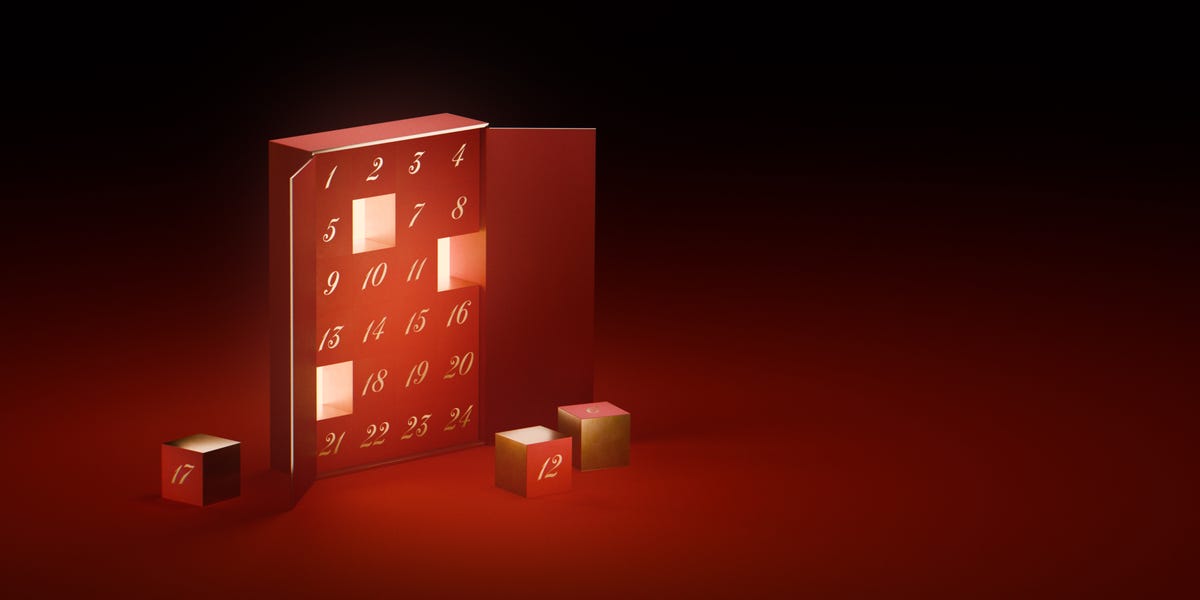
Once upon a time, an Advent calendar was a humble little countdown: a paper board, a few doors, maybe a chocolate if you were lucky, and an alarming number of opportunities for siblings to accuse each other of peeking ahead. Now? It might contain skin care, tea, hot sauce, puzzles, coffee pods, socks, candles, cocktail mixers, or enough tiny luxury items to make your bathroom cabinet look like it got a holiday bonus.
That glow-up says a lot about modern holiday culture. For a growing number of adults, especially millennials and Gen Z, Advent calendars are no longer just festive decorations or nostalgic nods to childhood. They have become a form of self-care: a small daily ritual, a manageable treat, and a way to create a little structure during one of the most chaotic months of the year. In an age of packed schedules, emotional overload, endless notifications, and a holiday to-do list that looks suspiciously like a corporate restructuring plan, the tiny door has become a tiny escape hatch.
That is why the idea works so well. Advent calendars offer something increasingly rare in modern life: a daily pause that is simple, finite, and mildly delightful. No vision board required. No 12-step routine. No spiritual retreat in the desert. Just one little moment that says, “Before I answer that text, buy that gift, and wonder why peppermint suddenly costs more than gold, I get a treat.”
How a Religious Countdown Became a Modern Wellness Ritual
The Advent calendar began as a Christian tradition tied to counting down the days before Christmas. Over time, what started as a faith-based seasonal practice evolved into something much broader and more commercial. That transformation is important, because it explains why the calendar still works even for people who are not observing Advent in a religious sense. The calendar kept the structure of ritual while changing the contents to match the culture around it.
And today’s culture is deeply invested in personal rituals. People build routines around skin care, sleep, supplements, journaling, matcha, gratitude, stretching, and whatever else helps them feel slightly more human between November and January. Advent calendars slide neatly into that universe. They are ritual with a deadline. Self-care with a door hinge. Holiday magic with inventory management.
For older generations, the emotional pull may be rooted mostly in memory. The calendar recalls a simpler holiday rhythm, when excitement built gradually and anticipation was part of the fun. For younger generations, the appeal is more layered. Yes, nostalgia matters, even when the memory is only half-real and filtered through childhood cartoons, department-store displays, and the sacred cinema of December. But so does the appeal of a small, daily reward that feels earned, even if all you technically did was survive another group chat.
Why Advent Calendars Feel Like Self-Care
A tiny ritual in a very loud season
The holidays are supposed to be joyful, but joy has a bad habit of arriving with a side of pressure. There are gifts to buy, meals to plan, relatives to see, photos to take, travel to manage, budgets to stretch, and somehow everyone is also expected to be “fully present.” That is a lot for one month. A daily Advent ritual works because it shrinks the emotional scale. It asks for almost nothing. Open the door. Enjoy the surprise. Continue with your regularly scheduled December chaos.
That low-lift pleasure matters. Self-care is often marketed as a grand project involving expensive tools, beautiful lighting, and the sort of bathtub no renter has ever seen in real life. Advent calendars offer a more believable version. They do not promise transformation. They promise one pleasant minute. And honestly, one pleasant minute in December can feel like a luxury good.
There is also the psychology of anticipation. The little countdown creates a rhythm: today has a shape, tomorrow holds a surprise, and the month is moving forward in small, cheerful increments. That can feel emotionally grounding. Rituals tend to make people feel more connected, calmer, and more anchored in a moment. Nostalgia can also boost well-being, especially during emotionally charged times of year. Put those two forces together, and the Advent calendar becomes more than merch with numbered windows. It becomes a coping mechanism wearing festive packaging.
It feels personal, even when it is mass-produced
The genius of the modern Advent calendar is that it feels oddly intimate. A tea calendar says, “You deserve a softer evening.” A beauty calendar says, “Let us romanticize your sink.” A puzzle calendar says, “Maybe your brain needs a break from doomscrolling.” Even novelty calendars built around hot sauce, socks, coffee, or pop-culture collectibles create a sense of identity. They turn self-gifting into self-recognition.
That is especially appealing to generations that have grown up customizing everything. Playlists are personal. Algorithms are personal. Water bottles apparently now have a personality. A good Advent calendar feels like an edited little universe built around your tastes. It is less “generic holiday item” and more “24 tiny confirmations that somebody gets me,” even if that somebody was, in fact, you with your own credit card.
Why Millennials and Gen Z Bought In So Fast
Younger consumers already spend heavily on categories associated with wellness, beauty, mindfulness, sleep, and appearance. That makes Advent calendars a natural fit. The format combines several habits they already like: curated products, limited-edition packaging, collectible design, small luxuries, and daily rituals. It also folds neatly into the broader culture of self-gifting, where buying yourself something is not framed as selfish, but as maintenance. Or celebration. Or “I made it through Q4 and deserve a little serotonin delivery system.”
There is also the rise of the “kidult,” the adult who happily spends money on playful, nostalgic, or collectible things that once would have been coded as childish. Advent calendars benefit from that shift because they turn innocence into a lifestyle product. They let adults revisit the structure of childhood delight without sacrificing their adult preferences. Instead of waxy chocolate and disappointment, now you get retinol and artisanal jam. Progress.
Social media has helped too. Advent calendars are visually perfect for unboxing culture: neat compartments, daily reveals, color-coded products, collectible packaging, and built-in suspense. They are made for short-form video, but they also solve a deeper emotional need. Posting a daily reveal is not just content; it is a micro-ceremony. A way to mark time. A way to make the month feel memorable instead of blurry.
The Great Advent Calendar Glow-Up
From chocolate to curation
Walk through the modern holiday market and you can see exactly how far Advent calendars have traveled. There are calendars for beauty lovers, tea drinkers, coffee fans, puzzle people, dog owners, bookworms, snack collectors, fragrance devotees, and anyone whose personality can be translated into 12 or 24 compartments. The format has become less about Christmas itself and more about the pleasure of a curated countdown.
Beauty calendars, in particular, helped push Advent calendars into full adult status. They fit perfectly with the language of routines, indulgence, and visible results. One serum on Monday, one lip treatment on Tuesday, one face mask on Wednesday, and suddenly December feels like a spa with a shipping confirmation. Commerce editors across major U.S. publications now cover these calendars as serious holiday items, not niche novelties, which tells you something about how mainstream the trend has become.
Luxury brands saw the opportunity quickly. A premium Advent calendar lets a company sell an experience, not just a product. It wraps scarcity, packaging, surprise, and gifting into one item. For shoppers, that can feel like value, especially when the contents would cost more individually. For brands, it is genius. For your wallet, it is a relationship that may need boundaries.
Where Self-Care Ends and Consumerism Begins
Of course, not every Advent calendar is a wellness practice. Sometimes it is just a box of stuff, and a very expensive one at that. The line between self-care and seasonal shopping theater can get blurry fast. One moment you are seeking a daily ritual; the next you are convincing yourself that a $300 countdown of miniature lotions is “basically investing in emotional resilience.” December has a way of making everyone sound like their own PR department.
That does not mean the comfort is fake. It means the comfort is mixed. Part ritual, part nostalgia, part sensory pleasure, part marketing, part genuine emotional regulation. The truth is less glamorous and more useful: a thing does not need to be sacred to be soothing. But it helps to be honest about why it works. The healthiest Advent calendar is not the most expensive one or the one with the flashiest reveal. It is the one that genuinely gives you a pause, a smile, or a sense of rhythm without making you feel financially unwell by New Year’s Day.
In that sense, Advent calendars are a mirror of modern self-care itself. The best version is simple, repeatable, and emotionally grounding. The worst version is aspirational clutter in elegant packaging. As ever, the trick is knowing which one you are buying.
How to Choose an Advent Calendar That Actually Feels Good
If the goal is self-care rather than retail cardio, a few questions help.
- Will I enjoy the ritual, not just the purchase? If the fun ends at checkout, it is probably not self-care.
- Does it match my real life? A tea calendar for a tea person is comforting. A skin care calendar for someone who already forgets cleanser is a box of future guilt.
- Is it creating delight or pressure? The best calendars feel like permission, not obligation.
- Could I make my own version? Sometimes the most meaningful Advent ritual is a DIY countdown with notes, candies, playlists, or little acts of kindness.
That last point matters more than brands would like. The emotional power of Advent calendars does not come only from the products. It comes from repetition, surprise, and intention. A homemade calendar filled with tea bags, movie prompts, affirmations, or tiny snacks can deliver the same psychological comfort as a glossy department-store version. Maybe more, because it feels less like marketing and more like care.
The Experience of It: Why This Trend Feels So Human
Here is what people often miss about Advent calendars: the appeal is not really in the object. It is in the pacing. December is a month that tends to become one giant blur of obligations. Days vanish into shopping tabs, family logistics, office deadlines, and the mysterious annual event known as “Why Did I Agree to This?” An Advent calendar interrupts that blur. It gives each day a marker. Something to open. Something to notice. Something that says, “This day happened too.”
That is why the experience lands differently across generations but still makes sense to all of them. A boomer may see continuity: a tradition dressed differently but still doing what traditions do, which is hold time together. Gen X may appreciate the practicality of a ritual that does not demand a personality transplant. Millennials may see it as a rare form of structured delight in a life full of decision fatigue. Gen Z may experience it as both content and comfort, a tiny aesthetic event that also makes a stressful season feel softer.
And, honestly, all of them are right.
Five Hundred More Words on the Experience: What Advent Calendar Self-Care Looks Like in Real Life
Picture a cold weekday in early December. It is 6:42 a.m. The coffee is still thinking about becoming coffee. Your inbox already looks judgmental. The sky outside is gray in that dramatic winter way that suggests the sun has quietly resigned. Then, before the day starts bossing you around, you open a tiny Advent calendar door. Maybe it is a tea sachet. Maybe it is a miniature lip balm. Maybe it is a square of chocolate shaped like a snowman who has clearly seen things. It does not matter. For a few seconds, the day belongs to you.
That is the experience people are really paying for. Not just the object, but the permission. Permission to begin the morning with curiosity instead of urgency. Permission to have a ritual that is not productive. Permission to let delight be small. Modern adulthood is weirdly bad at this. We are excellent at optimization, terrible at savoring, and one push notification away from forgetting what month it is. An Advent calendar quietly rebels against that.
For some people, the experience is nostalgic. It feels like being eight years old again, padding into the kitchen in socks, trying to convince yourself that opening two doors at once is morally defensible. For others, the feeling is new. They may not have grown up with Advent calendars at all, but the ritual still clicks because it solves a modern problem: how to create a moment of steadiness during a season that can feel emotionally expensive.
There is also something comforting about the scale. A full holiday makeover is exhausting. A single tiny treat is manageable. You do not need a perfect tree, a flawless menu, matching wrapping paper, and a professionally curated vibe to feel festive. Sometimes you just need a daily clue that pleasure is still available. A cinnamon tea on a Tuesday. A hand cream in your desk drawer. A puzzle piece after dinner. A little surprise that asks nothing from you except that you show up.
This is where Advent calendars overlap with real self-care rather than the performance of it. Real self-care is often repetitive, unglamorous, and supportive. It is the things that help regulate your nervous system, soften transitions, and make ordinary life more livable. A countdown ritual can do that. It can become the bridge between work and evening. Between errands and rest. Between overstimulation and an actual exhale.
It can also be shared, which changes the emotional texture completely. Partners open doors together. Roommates compare reveals. Parents and adult kids text each other photos of the day’s tiny item like it is breaking news. Friends send voice notes ranking chocolates with the seriousness of sports analysts. Even calendars for pets tap into this same instinct: we want delight to be communal, not just individual. The ritual says, “We are in this season together,” even if together means exchanging pictures of a dog treat shaped like a reindeer.
And yes, sometimes it is silly. Wonderfully, gloriously silly. That is part of the point. Not every act of emotional care has to be solemn. Sometimes self-care is a candlelit meditation, and sometimes it is opening Door 14 to discover novelty socks. December can use more silliness. It can use more low-stakes joy. It can use fewer impossible expectations and more tiny ceremonies that make people feel awake inside their own lives.
That may be the real reason Advent calendars resonate now. They do not fix the season. They punctuate it. They turn a blur into beats. They make time feel touched instead of lost. And in a culture where so many people feel overscheduled, overstimulated, and under-rested, that kind of daily punctuation can feel less like a gimmick and more like grace.
Conclusion
For some generations, Advent calendars are self-care because they meet the moment perfectly. They are nostalgic without being naive, indulgent without requiring a full lifestyle overhaul, and structured without feeling strict. They offer ritual in a season that easily becomes chaos. They make room for anticipation when everything else feels rushed. And they prove that comfort does not always arrive in dramatic form. Sometimes it shows up in a cardboard door, holding a tea bag, a truffle, a tiny serum, or a reminder that joy can still be portioned out one day at a time.
In other words, the Advent calendar is not just back. It has become the patron saint of manageable pleasure. And frankly, that feels very on-brand for the times.