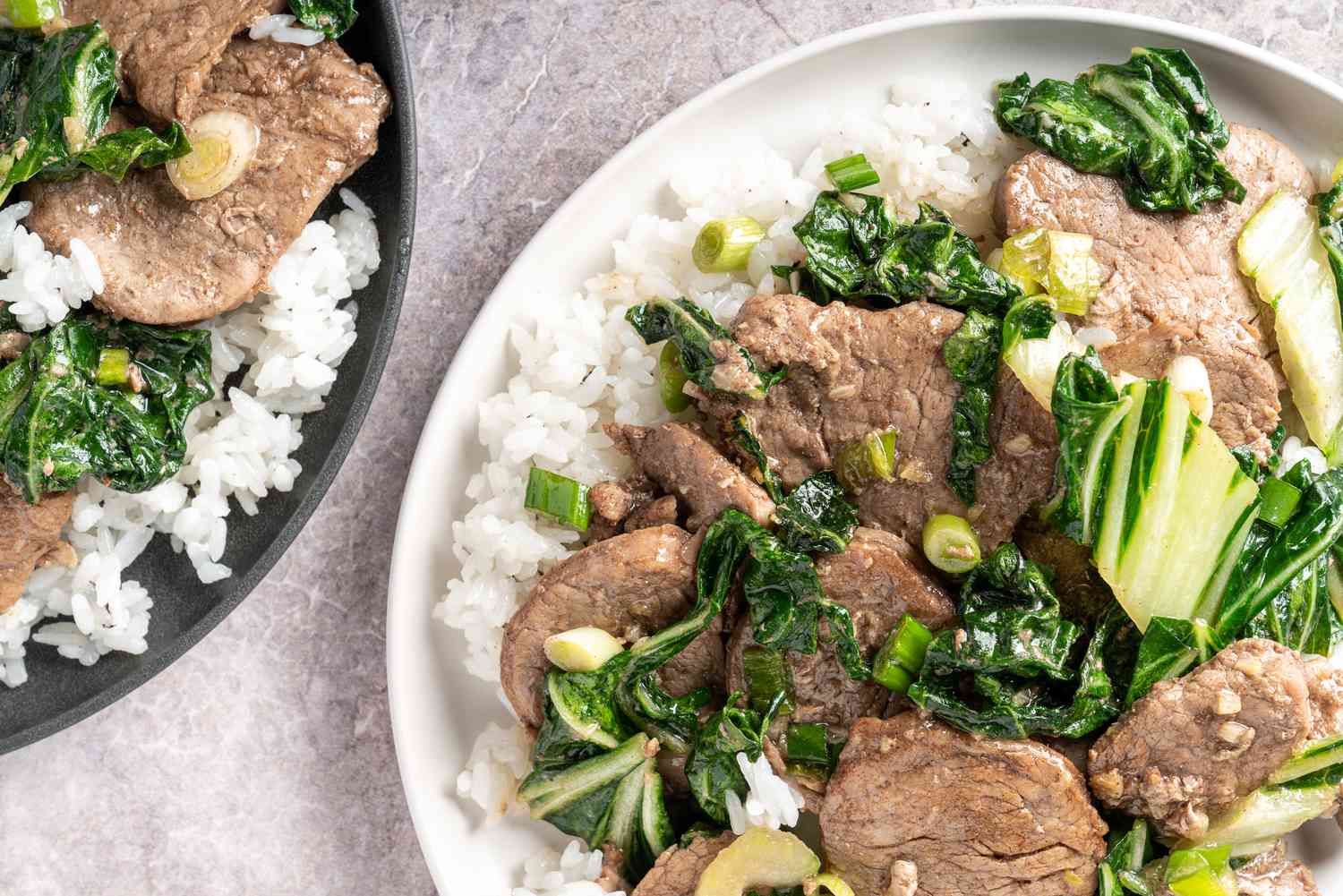
Some dinners politely knock on the door. This Five-Spice Pork With Bok Choy and Green Onions Recipe kicks it open wearing a fragrant spice jacket and carrying a sizzling skillet. It is quick, colorful, deeply savory, and built for the kind of weeknight when you want something exciting without creating a sink full of “future you” problems.
At its heart, this dish is simple: thin slices of pork are coated with soy sauce, Chinese five-spice powder, a little wine or sherry, and cornstarch, then stir-fried until tender. Bok choy adds crisp stems and leafy freshness, while green onions bring a clean, peppery finish. The result is a glossy, aromatic pork stir-fry that tastes restaurant-worthy but is absolutely doable at homeeven if your wok is really just a large skillet with ambition.
This recipe is inspired by classic Asian-style stir-fry techniques: high heat, fast cooking, balanced seasoning, and ingredients prepared before the pan gets hot. Chinese five-spice powder gives the pork its signature warmth, blending sweet, savory, earthy, and lightly licorice-like notes. Bok choy keeps the dish from feeling heavy, and green onions add just enough bite to make every forkful wake up and pay attention.
Why This Five-Spice Pork Recipe Works
The magic of this dish comes from contrast. Pork is rich and savory. Bok choy is fresh and juicy. Green onions are sharp and bright. Chinese five-spice powder brings warmth from spices commonly associated with cinnamon, star anise, cloves, fennel, and Sichuan peppercorns, though blends can vary by brand. Together, they create a stir-fry that tastes layered without requiring a long simmer, a complicated sauce, or a culinary degree printed on parchment paper.
The cornstarch in the marinade is small but mighty. It helps lightly coat the pork, encouraging tenderness and giving the sauce a subtle cling. This is why the finished dish feels glossy instead of watery. The thin slicing matters too. Pork loin, pork tenderloin, or boneless pork chops cook quickly when cut across the grain into thin strips. That short cooking time helps the meat stay juicy instead of turning into something your jaw has to negotiate with.
Bok choy also loves this method. Its stems stay crisp-tender while the leaves wilt into the sauce. If cooked too long, bok choy can become limp and watery. If cooked quickly over high heat, it gives the dish texture, freshness, and a mild cabbage-like sweetness. Green onions go in near the end so they stay fragrant instead of disappearing into the background like shy backup dancers.
Ingredients for Five-Spice Pork With Bok Choy and Green Onions
Main Ingredients
- 1 pound pork tenderloin or pork loin, thinly sliced across the grain
- 1 tablespoon soy sauce
- 1 tablespoon Shaoxing wine, dry sherry, or chicken broth
- 1 teaspoon Chinese five-spice powder
- 1 teaspoon cornstarch
- 2 tablespoons neutral oil, such as canola, peanut, avocado, or vegetable oil
- 2 cloves garlic, minced
- 1 teaspoon fresh ginger, minced or grated
- 4 cups bok choy, chopped, stems and leaves separated
- 4 green onions, sliced, white and green parts separated
Simple Stir-Fry Sauce
- 2 tablespoons low-sodium soy sauce
- 1 tablespoon oyster sauce or hoisin sauce
- 1 tablespoon rice vinegar
- 1 teaspoon brown sugar or honey
- 1/4 cup chicken broth or water
- 1/2 teaspoon sesame oil, optional but lovely
- Pinch of red pepper flakes, optional
How to Make Five-Spice Pork With Bok Choy and Green Onions
Step 1: Slice and Marinate the Pork
Cut the pork into thin strips, about 1/4 inch thick. Thin slices cook quickly and soak up flavor well. In a bowl, combine the pork with soy sauce, Shaoxing wine or dry sherry, Chinese five-spice powder, and cornstarch. Toss until the meat is evenly coated. Let it sit for 10 to 15 minutes while you prep the vegetables.
This short marinade is not just for flavor. The soy sauce seasons the pork, the wine adds aroma, the five-spice powder brings warmth, and the cornstarch helps create that silky stir-fry texture. It is a tiny bowl doing a surprisingly large amount of work.
Step 2: Mix the Sauce Before Cooking
In a small bowl, whisk together soy sauce, oyster sauce or hoisin sauce, rice vinegar, brown sugar, chicken broth, sesame oil, and red pepper flakes if using. Set it near the stove. Stir-frying happens quickly, and once the skillet is hot, there is no graceful time to rummage through the pantry looking for vinegar while the pork silently judges you.
Step 3: Prepare the Bok Choy and Green Onions
Wash the bok choy thoroughly, especially near the base where grit likes to hide. Chop the stems and leaves, keeping them separate. The stems need a little more time in the pan, while the leaves wilt quickly. Slice the green onions, separating the white parts from the green tops. The white parts can cook with garlic and ginger; the green tops are best added at the end for freshness.
Step 4: Sear the Pork
Heat a large wok or skillet over medium-high to high heat. Add 1 tablespoon of oil. When the oil is shimmering, add the pork in a single layer. If your pan is small, cook the pork in batches. Crowding the pan makes the meat steam instead of sear, and steamed pork is not the hero of this story.
Cook for 2 to 3 minutes, stirring occasionally, until the pork is mostly cooked and lightly browned. Transfer it to a plate. For whole cuts such as pork tenderloin or loin, the safe internal temperature is 145°F followed by a 3-minute rest. Because this recipe uses thin slices, they cook quickly, so avoid overcooking.
Step 5: Stir-Fry the Aromatics and Bok Choy
Add the remaining tablespoon of oil to the pan. Add garlic, ginger, and the white parts of the green onions. Stir-fry for about 20 to 30 seconds, just until fragrant. Add the bok choy stems and cook for 1 to 2 minutes. Then add the leaves and stir-fry until they begin to wilt.
The goal is crisp-tender bok choy, not vegetable confetti. You want the stems to keep a little snap and the leaves to soften into the sauce. This balance gives the final dish that satisfying mix of juicy, crunchy, and tender textures.
Step 6: Bring Everything Together
Return the pork and any juices to the pan. Pour in the sauce and toss everything together for 1 to 2 minutes, until the sauce thickens slightly and coats the pork and vegetables. Turn off the heat and scatter the green onion tops over the dish. Taste and adjust with a splash of soy sauce, a pinch of sugar, or a tiny drizzle of rice vinegar if needed.
Serving Suggestions
This five-spice pork stir-fry is excellent over steamed jasmine rice, brown rice, or fluffy white rice. The rice catches the sauce, which is important because sauce left behind in the pan is a tiny tragedy. You can also serve it over soba noodles, rice noodles, or even cauliflower rice for a lighter meal.
For a fuller dinner, pair it with cucumber salad, miso soup, steamed edamame, or quick pickled carrots. If you want extra heat, serve chili crisp or sriracha on the side. If you want more crunch, sprinkle toasted sesame seeds or crushed peanuts over the top. If you want to impress people without admitting how easy this was, serve it in shallow bowls and act mysterious.
Recipe Tips for the Best Texture and Flavor
Use High Heat, But Stay Ready
Stir-fries work best when the pan is hot and the ingredients are ready before cooking begins. This method helps the pork brown quickly and the bok choy stay crisp. Set up your ingredients near the stove in small bowls. It may feel like a cooking show, except nobody is clapping and you still have to wash the dishes.
Do Not Overdo the Five-Spice Powder
Chinese five-spice powder is powerful. A little brings warmth and depth; too much can make dinner taste like it wandered into a spice cabinet and lost a fight. Start with 1 teaspoon for 1 pound of pork. If you love the flavor, you can increase it slightly next time.
Cut Pork Against the Grain
Cutting across the grain shortens the muscle fibers and makes each bite more tender. This is especially useful for lean cuts like pork tenderloin and pork loin. If the pork feels tricky to slice, place it in the freezer for 15 to 20 minutes first. Slightly firm pork is much easier to cut thinly.
Separate Bok Choy Stems and Leaves
This is one of those small kitchen habits that makes a big difference. The stems need more time, while the leaves cook almost instantly. Adding them separately prevents the leaves from collapsing before the stems are tender.
Ingredient Variations and Substitutions
If you do not have Shaoxing wine, dry sherry works well. If you avoid alcohol, use chicken broth with a small splash of rice vinegar. No oyster sauce? Hoisin sauce creates a sweeter, thicker finish. For a gluten-free version, use tamari instead of soy sauce and choose a certified gluten-free hoisin or oyster-style sauce.
You can also change the protein. Thinly sliced chicken thighs, turkey cutlets, or tofu can work with the same general method. Ground pork is another quick option, though it should be cooked to 160°F. If using tofu, press it first and pan-sear it before adding it back with the sauce.
Vegetable swaps are easy too. Try napa cabbage, broccolini, snow peas, mushrooms, bell peppers, or baby spinach. Keep the principle the same: firmer vegetables go in first, tender greens go in last. The pan should feel like organized chaos, not a vegetable traffic jam.
Make-Ahead and Storage Tips
You can slice the pork and mix the sauce up to one day ahead. Store them separately in airtight containers in the refrigerator. Chop the bok choy the day you plan to cook for the freshest texture. Leftovers can be stored in the refrigerator for up to 3 days.
To reheat, use a skillet over medium heat with a splash of water or broth to loosen the sauce. The microwave works too, though the bok choy will soften more. Avoid reheating too long, since lean pork can dry out. This dish is best when the pork stays tender and the vegetables still have a little bite.
Common Mistakes to Avoid
Using Thick Pork Slices
Thick pork slices take longer to cook and can become tough by the time they are done. Thin slices are the secret to speed and tenderness. Aim for even pieces so everything cooks at the same pace.
Adding Sauce Too Early
If the sauce goes in before the pork and vegetables are properly cooked, it can reduce too much or steam the ingredients. Add it near the end so it thickens quickly and coats everything beautifully.
Skipping the Cornstarch
Cornstarch helps create a light coating on the pork and gives the sauce body. Without it, the dish can taste fine but look thinner and less glossy. It is not glamorous, but it is usefulbasically the dependable friend of pantry ingredients.
Nutrition and Balanced Meal Notes
This five-spice pork with bok choy and green onions can fit nicely into a balanced dinner. Pork tenderloin is a lean protein, while bok choy contributes fiber, vitamins, minerals, and a refreshing green element. Using low-sodium soy sauce helps control salt, and serving the stir-fry with rice or noodles turns it into a satisfying complete meal.
If you want a lighter plate, increase the bok choy and reduce the rice portion. If you need a heartier dinner, add noodles or top the bowl with a fried egg. The recipe is flexible enough for meal prep, family dinner, or the classic “I need food now and cereal will not emotionally support me” evening.
Personal Cooking Experience: What This Recipe Teaches You
The first time you cook five-spice pork with bok choy and green onions, the biggest surprise is how quickly the dish comes together. It feels like something that should require a complicated marinade, three specialty pans, and a dramatic soundtrack. Instead, it is mostly about preparation. Once the pork is sliced, the sauce is mixed, and the bok choy is washed, the actual cooking moves fast.
One useful experience is learning how aromatic spices behave in high-heat cooking. Chinese five-spice powder is not shy. When it hits the hot pan with pork, soy sauce, garlic, and ginger, the kitchen immediately smells warmer and deeper. The aroma is sweet, savory, and slightly smoky, especially if the pork gets a good sear. It is the kind of smell that makes someone wander into the kitchen and ask, “What are you making?” even if they had no intention of helping.
Another lesson is the value of texture. Bok choy is wonderful because it gives you two vegetables in one: crisp stems and tender leaves. When you separate them and cook them in stages, the final dish feels more polished. The stems hold their crunch, the leaves soak up the sauce, and the green onions add freshness at the end. That little bit of timing turns a simple stir-fry into something that feels intentional.
This recipe also teaches restraint. It is tempting to add more five-spice powder because the jar smells incredible. Resist the urge, at least the first time. Five-spice is concentrated, and the goal is balance. You want the spice blend to support the pork, not march through the dish with a tiny brass band. The same goes for sauce. A stir-fry should be coated, not swimming. If there is too much liquid in the pan, the pork loses its seared texture and the bok choy softens too much.
One practical trick is to keep the pork in a single layer when searing. If your skillet is not large enough, cook it in two batches. This may feel like an extra step, but it prevents steaming and gives the meat better flavor. Browning equals depth. Depth equals dinner happiness. Dinner happiness equals fewer complaints from the table, including from yourself.
Over time, this recipe becomes a template. You can make it spicier with chili crisp, sweeter with hoisin, brighter with extra rice vinegar, or more filling with noodles. You can add mushrooms for earthiness, bell peppers for color, or snow peas for crunch. The core idea stays the same: thin pork, aromatic seasoning, quick vegetables, and a balanced sauce.
The best part is that it feels generous without being fussy. It is fast enough for Wednesday but flavorful enough for guests. It uses everyday ingredients but tastes special because five-spice powder brings complexity instantly. It is also forgiving. If the bok choy wilts a little too much, the dish still tastes good. If you add extra green onions, nobody will file a complaint. If you serve it straight from the skillet over rice, it still feels like a proper meal.
After making this dish a few times, you begin to understand why stir-frying is such a satisfying home-cooking method. It rewards attention, speed, and preparation, but it does not require perfection. The pan gets hot, the pork sizzles, the sauce bubbles, the greens brighten, and dinner appears with very little ceremony. That is the kind of kitchen magic worth repeating.
Conclusion
Five-Spice Pork With Bok Choy and Green Onions is the kind of recipe that proves quick meals do not have to be boring. With tender pork, crisp bok choy, fragrant green onions, and the warm complexity of Chinese five-spice powder, this dish delivers bold flavor in a short amount of time. It is practical, flexible, and deeply satisfying, whether served over rice, noodles, or a lighter vegetable base.
The key is preparation: slice the pork thinly, mix the sauce before cooking, separate the bok choy stems from the leaves, and keep the heat high. Follow those simple steps and you will have a glossy, aromatic stir-fry that tastes like it took far more effort than it did. And frankly, that is one of the finest forms of weeknight cooking success.