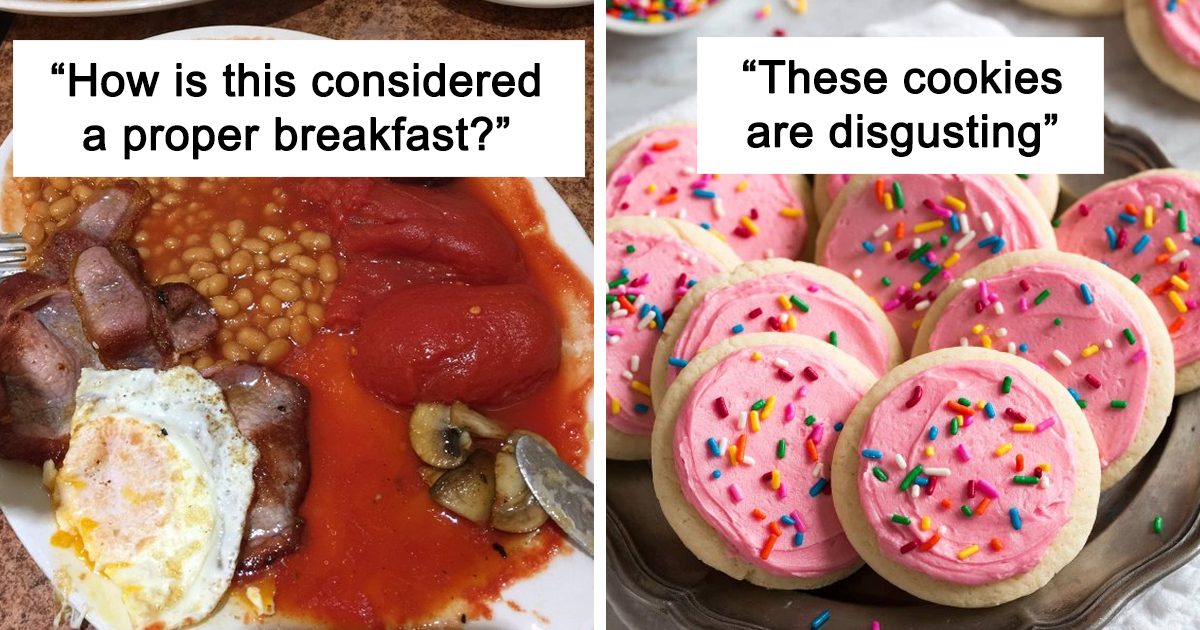
Food opinions are basically personality tests with snacks. Say you hate pineapple on pizza, and someone will look at you like you just insulted their grandmother’s lasagna. Say you enjoy cold fries, and suddenly the room becomes a courtroom. Food is supposed to bring people together, but let’s be honest: it also gives us some of our funniest, loudest, most dramatic debates.
The phrase “don’t hate it until you try it” sounds simple, but it hides a surprisingly deep truth. Taste is not just about the tongue. It is shaped by smell, texture, childhood memories, culture, biology, mood, budget, and that one traumatic cafeteria lunch from middle school that still lives rent-free in your brain. One person’s “absolutely disgusting” is another person’s “perfect midnight snack.”
That is why unpopular food takes are so irresistible. They challenge what we think food is “supposed” to be. They invite arguments, laughter, and sometimes a brave second bite. Whether it is savory oatmeal, salty watermelon, mayo with fries, or the controversial defense of anchovies, these hot takes remind us that eating is personal. Very personal. Possibly too personal, judging by how passionately people defend their sandwich preferences.
Why Unpopular Food Opinions Get Everyone Talking
Food is emotional because it is tied to identity. We do not simply eat meals; we inherit them, discover them, defend them, and occasionally post them online with unnecessary confidence. A favorite dish can represent home, comfort, rebellion, nostalgia, or the proud refusal to follow “normal” rules.
Social media has turned food opinions into bite-sized entertainment. A simple statement like “mushy fries are better than crispy fries” can spark hundreds of comments because people instantly compare it with their own experience. The lower the stakes, the higher the drama. Nobody needs a Supreme Court ruling on whether soup counts as a meal, yet somehow we all have closing arguments prepared.
Unpopular food takes also work because they are oddly safe. Arguing about pasta texture or pizza toppings is not exactly world peace, but it gives people a playful way to disagree. You can be passionately anti-raisin cookie and still remain friends with someone who believes raisins belong in baked goods. Probably.
The Science Behind “Don’t Hate It Until You Try It”
Flavor Is More Than Taste
Humans recognize basic tastes such as sweet, salty, sour, bitter, and umami, but flavor is a larger experience. Aroma, temperature, texture, appearance, sound, and even expectation shape whether we enjoy a food. That is why a crispy chip feels more satisfying than a stale one, even if the ingredients are almost the same. Crunch has entered the chat.
Texture is a major reason people reject certain foods. Some people can handle strong flavors but cannot tolerate slimy okra, grainy pears, rubbery mushrooms, or yogurt with fruit chunks. Others love those same textures because they find them interesting, comforting, or luxurious. Taste is not a democracy; your mouth has its own tiny government.
Acquired Tastes Are Real
Many foods become enjoyable through repeated exposure. Bitter greens, strong cheeses, coffee, olives, fermented vegetables, spicy sauces, and dark chocolate are classic examples. The first bite may feel like a dare. The tenth bite may feel like sophistication. The twentieth bite may have you explaining to strangers why blue cheese is “actually beautiful.”
This does not mean everyone must learn to like everything. Some dislikes are strong and valid. But it does mean a single bad experience does not always deserve lifetime authority. A badly cooked Brussels sprout should not be allowed to represent all Brussels sprouts. That vegetable has suffered enough public relations damage.
Biology Can Influence Food Preferences
Some unpopular opinions are not just stubbornness. Cilantro, for example, can taste fresh and citrusy to one person and painfully soapy to another. Bitter foods may also hit people differently depending on sensitivity. Spicy food is another fascinating case: capsaicin creates a burning sensation, yet many people enjoy that controlled discomfort in the same way they enjoy roller coasters, horror movies, or checking their bank account after vacation.
In other words, when someone says they cannot stand a food, they may not be “wrong.” They may simply be experiencing it differently. The fun begins when we stop treating taste as universal truth and start treating it as personal evidence.
40 Unpopular Food Takes Worth Trying Before Judging
- Pineapple belongs on pizza. Sweet pineapple can work when balanced with salty ham, spicy jalapeños, or smoky bacon. The problem is not pineapple; the problem is lazy pizza architecture.
- Cold pizza is better than hot pizza. The cheese firms up, the sauce gets deeper, and breakfast becomes socially acceptable if you do not make eye contact with anyone.
- Fries with mayonnaise are elite. Ketchup is fine, but mayo brings creamy richness, especially with crispy fries and a little black pepper.
- Ketchup is overrated. It can overpower everything with sweetness. Some people prefer mustard, aioli, hot sauce, vinegar, or nothing at all.
- Pickles improve most sandwiches. Their acidity cuts through rich meat, cheese, and mayo like a tiny crunchy hero.
- Pickles ruin sandwiches. For pickle haters, the brine takes over the whole meal. One slice can turn a burger into a vinegar hostage situation.
- Soggy fries have charm. Not every fry needs to shatter like glass. Soft fries soaked in sauce can be deeply comforting.
- Burnt toast is good. A little char adds bitterness and crunch. There is a difference between “toasty” and “call the fire department.”
- Cereal is dessert. Many cereals are sweet enough to wear a party hat. Calling them breakfast is ambitious marketing.
- Milk before cereal is not a crime. It helps control cereal texture. The real crime is pretending this topic deserves peace.
- Savory oatmeal beats sweet oatmeal. Add eggs, scallions, cheese, chili crisp, or mushrooms, and oatmeal suddenly grows up, gets a job, and pays rent.
- Green bananas are underrated. Their firm texture and mild sweetness are perfect for people who dislike mushy fruit.
- White chocolate deserves respect. It is not trying to be dark chocolate. It is creamy, sweet, vanilla-forward, and excellent with tart berries.
- Dark chocolate is not automatically superior. Some bars taste elegant. Others taste like a chalkboard with ambition.
- Raisins in cookies are fine. The disappointment usually comes from expecting chocolate chips. Raisins need honest branding.
- Cilantro haters have a point. For some people, cilantro really does taste soapy. Mocking them will not magically change their genes or their tacos.
- Blue cheese is delicious. It is salty, funky, creamy, and dramatic. Basically, it is the theater kid of cheese.
- Mushrooms should be main characters. When browned properly, mushrooms bring deep savory flavor and meaty texture without needing meat.
- Canned fish is underrated. Sardines, tuna, mackerel, and anchovies are affordable, flavorful, and excellent with toast, pasta, rice, or crackers.
- Anchovies make food better. They melt into sauces and dressings, adding umami without making everything taste fishy.
- Oysters are worth the hype. Good oysters taste clean, briny, and fresh. Bad oysters taste like an apology from the ocean.
- Fruit belongs in salad. Apples, pears, oranges, berries, grapes, and watermelon can add brightness and balance.
- Watermelon is better with salt. Salt intensifies sweetness, and chili-lime seasoning turns watermelon into summer with a megaphone.
- Peanut butter can work on burgers. With bacon, jalapeños, or a spicy sauce, peanut butter adds richness and a nutty surprise.
- Breakfast for dinner is superior. Pancakes at 7 p.m. feel rebellious without requiring bail money.
- Leftover pasta can taste better the next day. Sauce settles in, flavors deepen, and the fridge performs low-effort magic.
- Room-temperature cheese beats cold cheese. Cold cheese hides flavor. Let it sit, and suddenly it remembers who it is.
- Soup is a real meal. Add protein, grains, vegetables, and bread, and soup becomes more complete than many “proper” dinners.
- Ice in milk is not that weird. Some people like milk extremely cold. Let them have their frosty dairy moment.
- Hot sauce belongs on eggs. Eggs are rich and mild; hot sauce adds acid, heat, and personality.
- American cheese is perfect for burgers. It melts beautifully, tastes nostalgic, and does its job without writing a culinary essay.
- Instant ramen is a canvas. Add eggs, vegetables, leftover chicken, tofu, herbs, or chili oil, and a cheap meal becomes a masterpiece.
- Airport food can be fun. Expectations are low, hunger is high, and a decent sandwich can feel like a Michelin-starred miracle.
- Veggie burgers should stop pretending to be beef. Beans, mushrooms, lentils, grains, and vegetables can be delicious on their own terms.
- MSG deserves a comeback. It adds umami and can make savory foods taste fuller. The fear around it has often been louder than the evidence.
- Bitter greens are not the enemy. Pair them with fat, acid, salt, or sweetness, and they become complex instead of punishing.
- Fermented foods earn their funk. Kimchi, sauerkraut, miso, yogurt, kefir, and pickles bring tang, depth, and character.
- Vanilla is not boring. Real vanilla is floral, warm, and complex. “Plain vanilla” is a slander campaign.
- Soft cookies beat crispy cookies. A chewy center feels fresh and comforting. Crispy-cookie fans may disagree loudly, as is their right.
- The best food is not always pretty. Stews, casseroles, dips, and messy sandwiches may look chaotic but taste like happiness with a spoon.
What These Unpopular Food Takes Reveal About Us
Behind every strange food opinion is a story. Someone who loves sardines may have grown up eating them with family. Someone who hates mushrooms may have been served gray, squeaky mushrooms once and never recovered emotionally. Someone who insists vanilla is exciting may simply have tasted real vanilla instead of the bland version hiding in sad cupcakes.
Food opinions also reveal how much context matters. A food that seems terrible in one setting can shine in another. Tomatoes in winter can taste watery and disappointing, but peak-season tomatoes with salt, olive oil, and toast can make people speak in poetry. Mushy vegetables from a cafeteria tray are tragic; slow-cooked vegetables in a rich stew are comfort food royalty.
The same idea applies to preparation. Many people think they hate a food when they really hate one version of it. Boiled Brussels sprouts are not the same as roasted Brussels sprouts with lemon and Parmesan. Canned spinach is not the same as fresh spinach sautéed with garlic. Plain tofu is not the same as crispy tofu with a sticky glaze. Food deserves a fair trial, not a lifetime sentence after one bad witness.
How to Try a Food You Think You Hate
Start With a Better Version
If you dislike a food, do not retry it in its saddest form. Try mushrooms roasted until browned, not steamed into rubber. Try bitter greens with citrus and cheese, not plain and joyless. Try tofu fried or baked with sauce, not cold and unseasoned. The first rule of food exploration is simple: do not let a bad cook define an entire ingredient.
Pair It With Something Familiar
New flavors are easier to accept when they arrive with foods you already enjoy. Add a small amount of kimchi to fried rice, a few anchovies to tomato sauce, or a little blue cheese to a burger. You do not need to leap into the deep end wearing a snorkel made of confidence.
Respect Your Limits
“Don’t hate it until you try it” should not mean “ignore your body.” Allergies, intolerances, religious restrictions, ethical choices, sensory aversions, and eating disorders are serious. Curiosity is wonderful, but pressure is not. A good food conversation leaves room for both adventure and boundaries.
Why “Weird” Food Combos Sometimes Work
Many strange food combinations succeed because they balance flavor contrasts. Sweet and salty combinations, like salted caramel or watermelon with feta, work because salt sharpens sweetness. Rich and acidic pairings, like fries with vinegar or tacos with lime, prevent heaviness. Spicy and creamy combinations, like buffalo wings with blue cheese dressing, create relief and excitement at the same time.
Texture also matters. Crunchy pickles can improve a soft sandwich. Creamy peanut butter can contrast with a juicy burger. Crispy chili oil can rescue plain eggs. A food take may sound outrageous until you understand the structure behind it. Then it becomes less “random chaos” and more “culinary engineering wearing sweatpants.”
Experience Section: What Happens When People Actually Try the Food They Mock
The funniest thing about unpopular food takes is how often people change their minds when the setting changes. Many of us have a “never again” food that eventually becomes a favorite. Maybe it was coffee, which first tasted like burnt homework but later became a morning ritual. Maybe it was olives, which seemed aggressively salty until they appeared beside warm bread, cheese, and a relaxed evening. Maybe it was sushi, which sounded intimidating until one friendly roll opened the door.
A common experience is discovering that the hated food was never the problem. The problem was timing, quality, or preparation. Someone who grew up with overcooked vegetables may think they dislike vegetables in general. Then one day they try roasted carrots with honey and herbs, or broccoli charred at the edges with garlic, and suddenly the vegetable section stops looking like punishment. The same goes for fish. A person who only knows dry, fishy fillets may be shocked by fresh salmon, crisp fish tacos, or sardines with lemon and toast.
Trying unpopular foods can also create social memories. A friend orders something “weird,” everyone makes faces, and then the plate disappears in five minutes. That is how many people meet hot honey on pizza, chili crisp on eggs, fries dipped in milkshake, or salt on fruit. The first reaction may be suspicion. The second reaction is curiosity. The third reaction is usually, “Okay, wait, give me another bite.”
There is also a confidence that comes from expanding your food comfort zone. You do not have to become the person who eats everything with a philosopher’s patience. But learning that your preferences can evolve makes dining more fun. Menus become less threatening. Dinner parties become easier. Travel becomes more exciting. Even grocery shopping gets a little more adventurous when you are willing to ask, “What if I have been unfair to eggplant my whole life?”
Of course, not every experiment ends in victory. Sometimes you try the food and confirm that, yes, you still hate it. That is useful information too. The goal is not to force yourself into liking anchovies, cilantro, blue cheese, or pickled herring. The goal is to give foods a fair chance before turning your dislike into a permanent personality trait. You may discover a new favorite, or you may discover that your original opinion was correct and deserves a tiny parade.
The best experiences happen when people try food without judgment. No one wants to be mocked for disliking oysters or loving boxed mac and cheese. Food curiosity works best when it is playful. Try one bite. Laugh if it surprises you. Admit when you were wrong. Defend your favorite weird snack with dignity. And when someone says their unpopular food take, maybe pause before reacting like they have personally attacked the Constitution.
Conclusion: Taste Is Personal, So Keep the Fork Open-Minded
Unpopular food takes are popular because they reveal how wonderfully strange humans are. We all eat, but we do not all experience food the same way. Some people chase heat, some crave crunch, some love funk, some fear mush, and some believe leftover pizza is the highest form of breakfast. Honestly, civilization has survived worse.
The next time someone shares a food opinion that sounds ridiculous, consider the golden rule: do not hate it until you try it. Try the better version. Try it in a new dish. Try it with an open mind and a backup snack. You might still hate it, and that is fine. But you might also discover that the food you mocked has been waiting patiently to impress you.
Note: This article is original, written in standard American English, and synthesized from real food culture, nutrition, culinary science, and taste-preference research. It is designed for web publication without source-link clutter or citation placeholders.