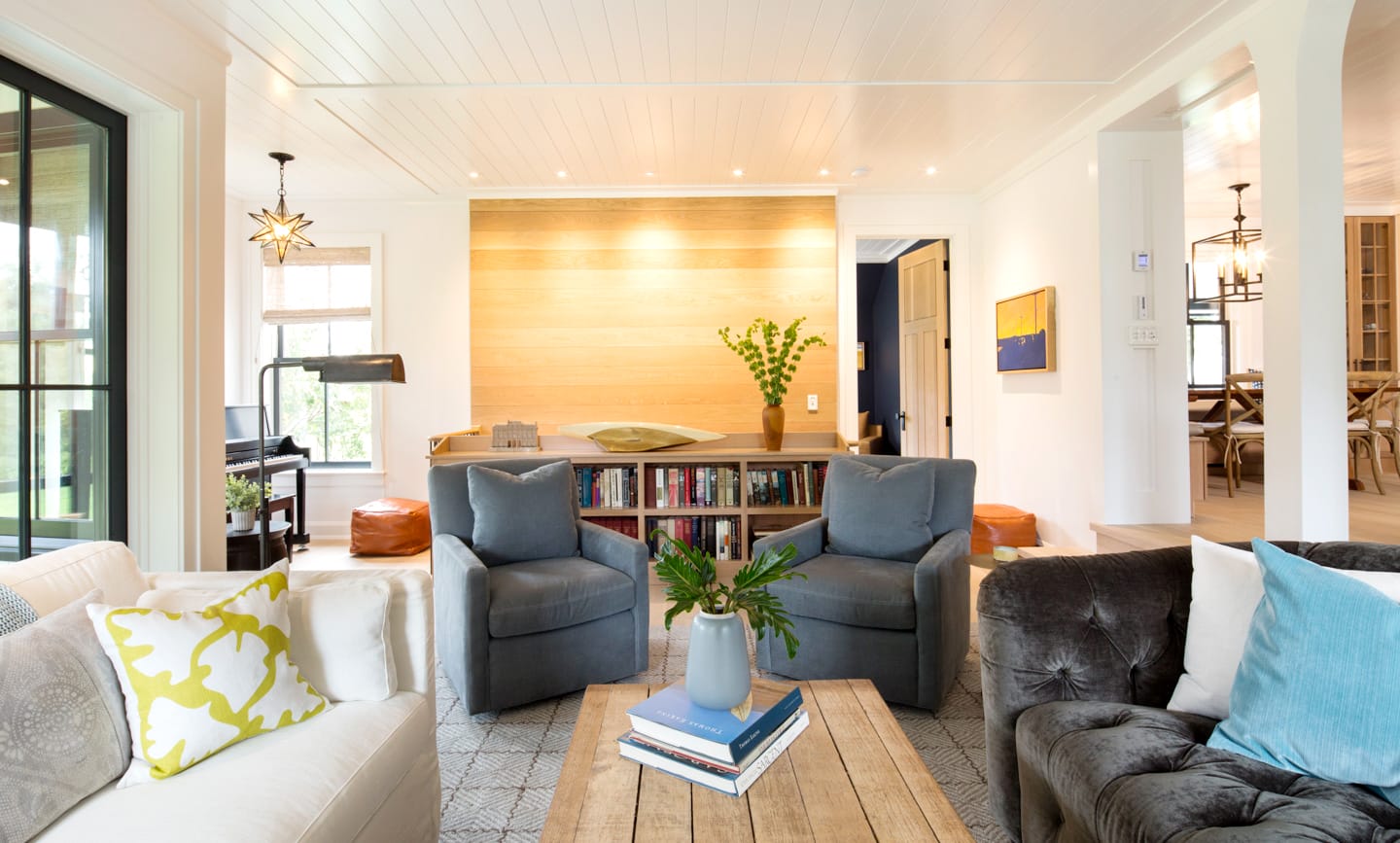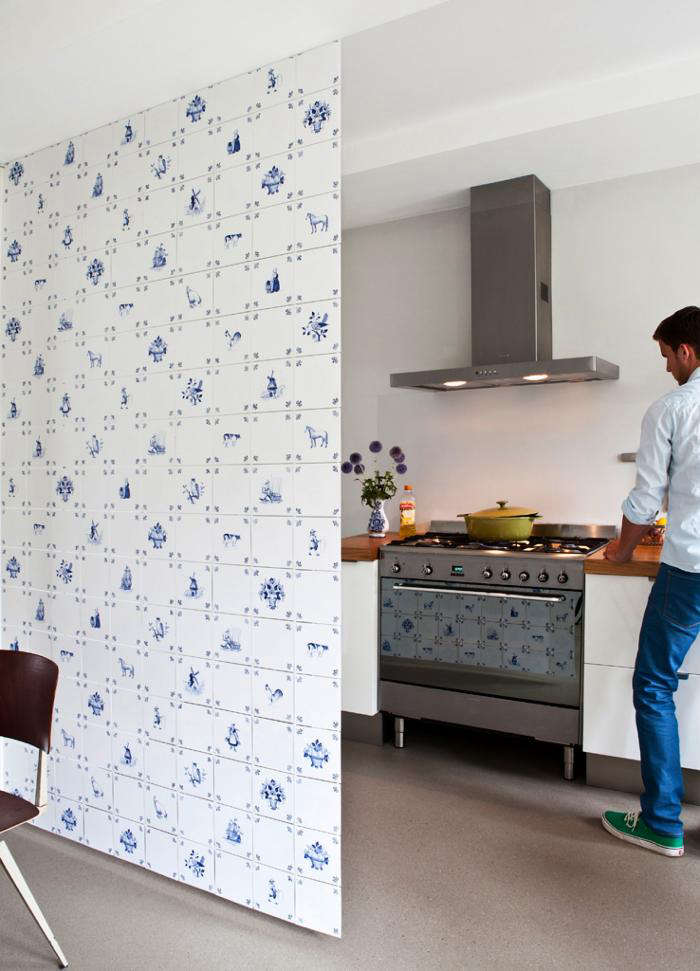
Some wall décor whispers. IXXI photo murals do not. They stride into a room, clear their throat, and politely inform your boring blank wall that its quiet era is over. If you have ever wanted the scale of a mural, the personality of a photo wall, and the flexibility of something less permanent than a full wallpaper commitment, IXXI sits in that sweet spot like it owns the lease.
At first glance, IXXI looks like a design trick. Is it wallpaper? A giant print? A grid of modern tiles? The answer is a little annoyingly clever: it is all of those things at once. The Dutch brand turned the idea of oversized wall art into a modular system made from connected square cards, allowing a single image to spread across a wall in a crisp, graphic composition. The result feels cleaner than a crowded gallery wall, less fussy than a frame-heavy arrangement, and far more custom than buying whatever oversized canvas the internet decided was “neutral enough.”
That is exactly why the format still feels fresh. In a decorating world filled with predictable beige abstracts, IXXI photo murals bring back scale, memory, and personality. They let you go big without getting bossy. They let you personalize a room without making it look like a college dorm covered in tape and nostalgia. And most importantly, they make your wall look intentional, which is really interior design’s favorite magic trick.
What Is IXXI, Exactly?
IXXI is a modular wall art system made from square cards that clip together to form one larger image. Think of it as a giant visual puzzle for adults who enjoy home décor more than actual puzzles. Instead of one framed print, you get a grid-based composition that can display a personal photograph, an art image, a collage, or a museum-style reproduction. The pieces connect with small X-shaped clips, and the completed work mounts to the wall without the drama of heavy frames or major hardware.
That modular setup is the brand’s real genius. Traditional oversized art can be expensive, hard to hang, and even harder to move. A mural can feel permanent, which is wonderful until you change your mind, rearrange your room, or suddenly decide the sofa belongs on the opposite wall. IXXI’s system offers a more flexible approach. Because the image is built from separate connected cards, it has a lighter, more architectural presence than a giant framed photograph. It reads as art, but also as design.
There is also a practical appeal here. You can choose art from curated collections, go with a graphic design, or turn your own photography into a large-format display. In other words, your wedding photo, favorite travel shot, black-and-white portrait, or moody landscape can finally graduate from your phone camera roll and become the main character in the room.
Why Designers Keep Noticing It
IXXI works because it solves a very specific decorating problem: how to fill a large wall without creating clutter. Designers and style editors have spent years recommending murals, oversized art, and statement walls for blank spaces, but those solutions usually come with trade-offs. Murals can dominate a room. Gallery walls can become visual soup. Large framed art can be pricey, heavy, and oddly intimidating, as if your wall now requires a forklift and an insurance policy.
IXXI lands somewhere smarter. It has the scale of a mural, but the structure of a grid. It has the personality of a photo wall, but the polish of a designed installation. It can feel modern, playful, or quietly dramatic depending on the image you choose. That versatility is why it slips into so many different interiors without looking like a one-hit trend.
It also helps that the grid itself adds visual discipline. A huge vacation photo might feel chaotic as a loose collage or too precious in a giant frame. Break that same image into evenly arranged squares and suddenly it feels edited, contemporary, and intentional. It is basically what happens when your sentimental side hires a very good art director.
What Makes IXXI Different from Wallpaper, Murals, and Gallery Walls?
It is not wallpaper.
Wallpaper covers a surface. IXXI behaves more like an object. It hangs on the wall, leaving visual breathing room around the edges. That difference matters. Wallpaper becomes part of the architecture. IXXI stays in the art lane, which makes it easier to integrate into living rooms, bedrooms, offices, hallways, and dining spaces without making the whole room feel committed to one giant visual statement.
It is not a typical mural.
Traditional murals often rely on a repeated pattern or a painted scene spanning the wall. IXXI gives you the focal-point impact of a mural, but with a cleaner, modular look. It feels especially well suited to contemporary interiors, Scandinavian spaces, eclectic homes, and rooms that want a strong visual anchor without tipping into theatrical territory.
It is not a gallery wall either.
Gallery walls are wonderful when you want variety. They are less wonderful when you want calm. IXXI offers a single visual story at a large scale, which can be far more restful. That makes it a smart option for people who love personal photos but do not want thirty-seven little frames fighting over attention above the sofa.
Where IXXI Photo Murals Work Best
The obvious answer is “on a wall,” which is technically true and deeply unhelpful. So let us be more useful.
Above a sofa
This is prime IXXI territory. A large wall behind seating often needs one strong move, not a dozen smaller ones. A photo mural can anchor the room, define the conversation area, and create a focal point without adding bulky framing.
In a dining room
Dining rooms love art with presence. A dramatic photo mural can create atmosphere, especially if the image has depth, texture, or a rich monochrome mood. It can make dinner feel ever so slightly more cinematic, even if the menu is takeout and a side of “I forgot to buy parsley.”
In a bedroom
A bedroom mural should not scream. It should hum. Soft landscapes, black-and-white photography, close-up botanicals, abstract imagery, or muted travel photos can create a calm, personal backdrop without adding clutter.
In a hallway or stair landing
These are underrated spots for oversized art. An IXXI mural can turn a transition zone into a destination and give a narrow or awkward wall some purpose. It is especially effective where framed art might feel too busy or too small.
In a home office
If you are going to stare at a wall while pretending to answer emails promptly, it might as well be a good one. A custom image, graphic print, or travel photo can make a workspace feel more personal and less like a sad cube with Wi-Fi.
How to Make It Look Expensive, Not Accidental
The image matters more than the system. That is the big secret. IXXI gives you a strong format, but the final look depends on editing. Choose a photo with clear composition, good contrast, and enough visual breathing room to survive being divided into squares. Crowded images tend to lose impact. A strong focal point, clean lines, or atmospheric depth usually works better.
Black-and-white photography is especially effective because it emphasizes form and scale. Architectural shots, landscapes, seascapes, portraits, and street photography all translate beautifully. Color can work too, of course, but the smartest choices usually echo the room rather than compete with it. If your furniture is already doing a lot, pick a calmer image. If the room is quiet and neutral, that is your chance to go bold.
Size is the second make-or-break factor. A too-small mural on a large wall looks timid. A too-large one can flatten everything around it. As a general rule, IXXI looks best when it feels deliberately scaled to the furniture beneath it. It should have enough presence to anchor the wall, but still leave some negative space so the room can breathe like a functioning adult.
Finally, let the mural lead. Do not crowd it with too many decorative sidekicks. If you install an IXXI piece above a console, skip the overcomplicated styling circus underneath. A lamp, a stack of books, maybe one sculptural object, done. The wall already has the punchline.
The Practical Perks People Actually Care About
Let us talk about the non-glamorous stuff, because that is often what decides whether a design idea is brilliant or just a very attractive inconvenience.
First, installation is easier than many oversized art options. You are not hauling one enormous frame up the stairs and negotiating with a level while muttering things that would alarm the neighbors. The modular format makes handling simpler, and the mounting system is friendlier to renters and commitment-phobes alike.
Second, IXXI is flexible. You can change the image, expand the composition, or move it more easily than you could with a traditional large framed piece. That matters in real life, where furniture gets rearranged, apartments change, and your “forever layout” survives for approximately six months.
Third, the brand’s sustainability angle gives it extra appeal in a market flooded with disposable décor. A reusable, long-lasting modular system simply makes more sense than constantly cycling through trend-driven wall fillers that look exciting for one season and suspiciously random by the next.
Any Downsides?
Yes, a few. The biggest one is that IXXI is only as good as the image you choose. A weak photo will not become magically sophisticated just because it has been divided into neat squares. If the image is blurry, overfiltered, badly cropped, or compositionally chaotic, the final mural can feel more “oversized computer print” than “design-savvy statement.”
It also does not suit every style of home equally. In deeply traditional interiors, the clean grid can feel a little too contemporary unless the artwork itself bridges the gap. And if you love the layered romance of ornate frames, collected oil paintings, and inherited portraits, IXXI may feel too streamlined for your taste.
But those are not fatal flaws. They just mean IXXI works best when it is chosen on purpose. It is not filler art. It is a format with a point of view.
Final Verdict: Is It Worth the Wall Space?
Absolutely, especially if you want wall art that feels personal, modern, and a little smarter than the usual suspects. IXXI photo murals are not just pretty. They are useful. They solve scale problems. They simplify large-wall decorating. They turn your own imagery into something more graphic and more polished. And they give you the impact of a mural without requiring you to wallpaper the room into submission.
The best interiors always look as though someone made real choices there. That is the quiet charm of IXXI. It does not feel like generic décor purchased in a panic because the wall looked lonely. It feels considered. It feels edited. It feels like a memory or artwork was chosen, enlarged, structured, and given the kind of stage presence it deserved all along.
So yes, Design Sleuth verdict: photo murals from IXXI are clever, flexible, and visually crisp enough to hold their own in a world full of predictable wall décor. If your home needs one strong move instead of ten small ones, this may be the smartest square decision you make.
What It Feels Like to Live With an IXXI Mural
Here is the part design articles do not always say out loud: the real test of wall art is not how it photographs on day one. It is how it feels after you have walked past it 400 times, answered emails near it, eaten dinner below it, and caught sight of it while carrying laundry with the grace of a raccoon. This is where an IXXI mural becomes more interesting than a simple decorating purchase.
Living with one tends to feel less like owning a poster and more like having a visual atmosphere. Because the image is broken into a modular grid, your eye reads it in two ways at once. From across the room, it feels expansive and immersive, almost like a mural. Up close, you notice the structure, the rhythm of the squares, and the way the image becomes graphic. That shift keeps it engaging. It does not go flat as quickly as some large art can.
If the image is personal, the experience gets even better. A travel photo from a favorite city, a windswept beach, a wedding portrait, or a black-and-white family shot suddenly has presence without feeling overly sentimental. It becomes part of the room’s architecture, but it still carries memory. That balance is hard to achieve. Too small, and personal photos fade into background clutter. Too big, and they can feel cheesy or overexposed. IXXI’s grid softens that problem by adding a layer of design between the memory and the room.
There is also a subtle emotional benefit to the format. Because it is lightweight and easier to rework than traditional giant art, it feels less precious. You are more willing to move it, update it, or rethink it when your space changes. That creates a healthier relationship with décor in general. Instead of treating your walls like museum territory where one wrong nail ruins your future, you get something more adaptable and lived-in.
In everyday life, that flexibility matters. Maybe the mural starts in the living room above the sofa, then later moves to a bedroom, hallway, or home office. Maybe you refresh the image after a move. Maybe you expand it when you realize the wall can handle more scale. That kind of evolution makes the piece feel like a design system, not just a one-time purchase.
And then there is the simple pleasure factor. Good wall art changes how a room feels when you enter it. An IXXI mural can make a plain room feel curated, a rental feel more personal, or a quiet space feel finished. It creates that lovely little moment where guests stop mid-sentence and say, “Wait, what is that?” which is the decorating equivalent of applause. Not bad for a bunch of squares working overtime.
Conclusion
IXXI photo murals succeed because they merge technology, personal storytelling, and sharp visual editing into one wall-friendly format. They are large without being clumsy, personal without being messy, and modern without being cold. For anyone tired of generic oversized canvases or crowded gallery walls, they offer a cleaner and more customizable solution. In short, they are proof that a wall can still surprise you, especially when it is wearing your favorite image in a very smart grid.