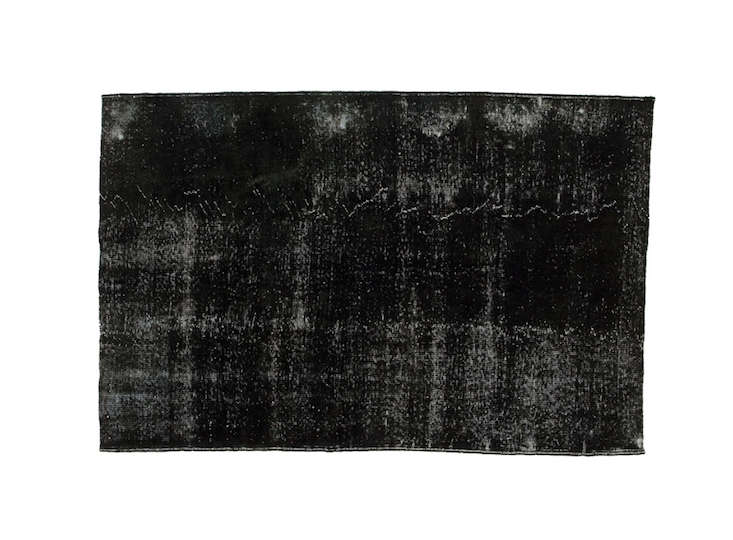
A decolorized rug sounds like something that escaped from a chemistry lab, but in interior design, it is much more charming than that. A decolorized rug is typically a vintage, antique, or vintage-inspired rug that has been faded, stripped, softened, bleached, sun-washed, or otherwise muted before being re-dyed, overdyed, or left with a distressed, washed-out appearance. The result is a floor covering with history, texture, and just enough mystery to make your living room look like it has excellent taste and possibly reads hardcover books on weekends.
In today’s home décor world, decolorized rugs sit at the sweet spot between old-world character and modern restraint. They often show faded medallions, softened borders, uneven tones, low-pile texture, and a timeworn look that feels collected rather than brand-new. Whether you call them decolorized rugs, distressed rugs, washed rugs, faded vintage rugs, or overdyed rugs, the basic appeal is the same: they bring soul to a room without screaming for attention.
Unlike a bold traditional rug with crisp reds, blues, and golds, a decolorized rug whispers. It adds pattern without visual clutter. It introduces color without bossing the sofa around. It can make a plain room feel layered, a modern space feel warmer, and a busy room feel more grounded. In short, it is the rug equivalent of good lighting: subtle, flattering, and surprisingly powerful.
What Is a Decolorized Rug?
A decolorized rug is a rug whose original color has been reduced or softened through a fading, washing, bleaching, sunning, or color-removal process. Many decolorized rugs begin as handmade wool or wool-cotton vintage rugs. Their pile may be sheared lower, their original dyes may be faded, and the remaining pattern may be recolored or left in a naturally muted state. Some are then re-dyed in modern shades such as charcoal, ivory, blush, sage, navy, or smoky gray.
This process is especially common in vintage Turkish, Persian-style, and patchwork rugs. Older rugs with strong construction but outdated colors can be refreshed for contemporary interiors. Instead of discarding a well-made rug because its colors feel too heavy for today’s homes, artisans may decolorize it and give it a second life. That is part design choice, part sustainability win, and part “grandma’s formal parlor just got invited to a loft party.”
Decolorized vs. Overdyed Rugs
The terms “decolorized” and “overdyed” often overlap, but they are not exactly identical. A decolorized rug focuses on removing or reducing color. An overdyed rug usually goes one step further: after the rug is faded or stripped, it is dyed again, often in one dominant color. For example, a vintage rug may be faded down and then dyed deep blue, emerald, or gray while its original pattern remains faintly visible underneath.
A decolorized rug may look pale, neutral, sun-washed, or softly distressed. An overdyed rug may look more saturated, dramatic, and modern. Both styles preserve the charm of traditional rug motifs while making them easier to use in contemporary homes.
Why Decolorized Rugs Are Popular in Modern Homes
The popularity of decolorized rugs comes from one simple truth: many people want character, but they do not want chaos. A brand-new room can feel cold if every item looks freshly unboxed. On the other hand, a room full of heavy antiques can feel like a museum where you are afraid to put down a coffee mug. Decolorized rugs solve that problem by adding age, softness, and pattern in a controlled way.
They work beautifully with transitional, modern farmhouse, Scandinavian, bohemian, coastal, minimalist, industrial, and eclectic interiors. Their muted palette makes them easy to pair with wood furniture, linen upholstery, leather chairs, marble tables, black metal accents, and natural textures like jute, rattan, and stone.
They Make Pattern Easier to Live With
Traditional rugs can be stunning, but their rich colors and detailed motifs may dominate a room. A decolorized rug keeps the pattern but turns down the volume. You still get movement, depth, and design interest, but the rug does not fight with artwork, pillows, curtains, or your heroic collection of coffee table books.
They Hide Everyday Life Surprisingly Well
A softly faded rug is forgiving. Minor dust, foot traffic, and small color variations blend into the distressed pattern better than they would on a flat white or solid dark rug. This makes decolorized rugs useful in living rooms, bedrooms, home offices, dining rooms, and entryways. They are especially helpful in homes with pets, kids, guests, or humans who occasionally carry snacks from the kitchen with unrealistic confidence.
They Feel Collected, Not Decorated Overnight
One reason designers love vintage-style rugs is that they make a space feel personal. A decolorized rug suggests history and craftsmanship, even when the rest of the room is simple. It prevents a home from looking too showroom-perfect. That little bit of imperfection is what makes the room feel real.
Common Materials Used in Decolorized Rugs
The material of a rug affects how it looks, feels, wears, and cleans. Before buying a decolorized rug, pay close attention to fiber content, construction, and care instructions.
Wool
Wool is one of the most common and desirable materials for vintage and decolorized rugs. It is naturally resilient, soft underfoot, and capable of holding dye beautifully. A wool decolorized rug often has a rich, organic texture that synthetic fibers struggle to imitate. Wool can also be durable enough for high-traffic areas when properly cared for.
The trade-off is maintenance. Wool rugs should be vacuumed regularly, protected from excessive moisture, and cleaned carefully. Harsh chemicals, aggressive scrubbing, and too much water can damage fibers or affect color. For valuable vintage wool rugs, professional cleaning is usually the safest route.
Cotton
Cotton is often used in the foundation or backing of handmade rugs and sometimes appears in flatweave or patchwork decolorized rugs. It is lighter than wool and can help create a flexible, low-profile rug. Cotton rugs may be easier to move and layer, but they may not offer the same plush feel or long-term resilience as wool.
Wool-Cotton Blends
Many decolorized patchwork rugs use a wool-and-cotton blend. Wool provides texture and durability, while cotton contributes structure and flexibility. This combination is common in hand-knotted or handwoven pieces that have been cut, composed, stitched, faded, and re-dyed into new designs.
Synthetic Fibers
Not every decolorized-style rug is vintage or handmade. Many modern rugs imitate the faded look using polyester, polypropylene, nylon, or other synthetic fibers. These rugs are often more affordable and may be stain-resistant, washable, or better suited to busy households. They can be a practical choice for families who love the distressed look but do not want to panic every time someone approaches with grape juice.
How to Choose the Right Decolorized Rug
Choosing the right decolorized rug is not only about color. Size, pattern, pile height, material, and placement all matter. A beautiful rug in the wrong size can make a room feel awkward, like wearing a tuxedo jacket with gym shorts. Technically possible, emotionally confusing.
Start With the Room’s Mood
Ask what you want the room to feel like. Calm and airy? Choose a decolorized rug in ivory, beige, sand, pale gray, or faded blue. Moody and dramatic? Try charcoal, deep navy, muted plum, or smoky green. Warm and inviting? Look for faded terracotta, taupe, rust, cream, or washed gold.
The beauty of decolorized rugs is that their colors rarely look flat. Even a neutral rug may include subtle undertones, worn edges, and tonal shifts that make the floor feel layered instead of plain.
Pick the Right Size
Rug size can make or break the room. In a living room, the rug should usually be large enough for at least the front legs of the sofa and chairs to sit on it. In a spacious room, placing all furniture legs on the rug can create a more polished layout. In a dining room, the rug should extend beyond the table far enough that chairs remain on the rug when pulled out. In a bedroom, a large rug should frame the bed and give your feet a soft landing in the morning.
A too-small rug can make furniture look disconnected. A properly sized decolorized rug acts like a visual island that pulls everything together. It says, “Yes, this seating arrangement was intentional,” even if the chair was moved there because the dog claimed the better one.
Consider Pattern Scale
If your room already has patterned curtains, busy wallpaper, or colorful artwork, choose a decolorized rug with a subtle design. If your furniture is mostly solid and neutral, you can go bolder with a faded medallion, patchwork layout, or distressed geometric pattern.
Large-scale patterns feel modern and graphic. Small-scale motifs feel traditional and layered. A nearly erased pattern feels quiet and minimalist. The best choice depends on how much visual energy the room needs.
Check the Pile Height
Many vintage decolorized rugs have a low pile because the surface may be sheared during the refinishing process. Low-pile rugs are excellent for dining rooms, hallways, offices, and areas where doors need to clear the rug. They are also easier to vacuum than very plush rugs.
For bedrooms or cozy living rooms, you may prefer a thicker rug or add a quality rug pad underneath. A rug pad can improve comfort, reduce slipping, protect floors, and help extend the life of the rug.
Best Rooms for a Decolorized Rug
Living Room
A decolorized rug can anchor the seating area and soften the entire room. Pair a faded blue or gray rug with a cream sofa and walnut coffee table for a calm, timeless look. For a warmer space, try a washed rust or muted terracotta rug with leather chairs and natural linen pillows.
Bedroom
In a bedroom, a decolorized rug adds quiet elegance without overwhelming the space. Soft neutrals, faded blush, misty blue, and pale sage work especially well. Place the rug under the bed so it extends on both sides, creating a cozy frame.
Dining Room
Low-pile decolorized rugs are practical under dining tables because chairs move more easily across them. Choose a rug with enough pattern variation to camouflage crumbs and minor spills. Of course, “camouflage” is not the same as “never clean it,” but it does buy you dignity between vacuuming sessions.
Entryway
A decolorized runner in an entryway creates an immediate sense of character. Since entryways handle heavy traffic, choose a durable material, use a nonslip rug pad, and avoid delicate antique pieces unless you are comfortable with professional care.
Home Office
A low-pile faded rug can add warmth to a home office without interfering with a rolling chair. If you use a chair with casters, consider a rug that is tightly woven and durable, or use a chair mat to protect the fibers.
How to Style a Decolorized Rug
Pair It With Clean-Lined Furniture
One of the easiest ways to style a decolorized rug is to contrast its aged texture with modern furniture. A faded traditional rug under a sleek sofa creates balance. The rug brings softness and history; the furniture keeps the room fresh.
Layer With Natural Textures
Decolorized rugs look beautiful with woven baskets, linen curtains, wood tables, ceramic lamps, boucle chairs, and rattan accents. Because the rug already has visual depth, natural textures help reinforce the relaxed, collected mood.
Repeat One Rug Color Elsewhere
For a pulled-together design, repeat one subtle rug color in another part of the room. If the rug has hints of faded blue, add blue-gray pillows or artwork. If it includes warm beige, echo that tone in throws, lampshades, or upholstery. This creates harmony without making everything match too perfectly.
Use It to Tone Down Bold Décor
If your room has a colorful sofa, dramatic wall color, or statement art, a decolorized rug can calm the space. Instead of adding another loud design element, it provides texture and pattern in a softened palette.
How to Clean and Care for a Decolorized Rug
Care depends on the rug’s fiber, age, dye process, and construction. Always check the manufacturer’s care label first. If the rug is vintage, handmade, wool, silk, or valuable, be cautious. A bad cleaning method can turn a beautiful rug into a cautionary tale.
Vacuum Gently and Regularly
Regular vacuuming removes dust and grit that can wear down fibers. For delicate, vintage, or low-pile rugs, use suction only or a vacuum setting without a beater bar. Vacuum both sides occasionally if the rug is easy to move. This helps remove dirt trapped in the foundation.
Blot Spills Immediately
When spills happen, blot instead of rubbing. Rubbing can push liquid deeper into the fibers and distort the pile. Use a clean, absorbent cloth and work from the outside of the spill toward the center. For many rugs, a small amount of mild soap diluted in water may help, but always test in an inconspicuous area first.
Avoid Harsh Chemicals
Because decolorized rugs have already gone through a color-altering process, harsh cleaners can create uneven fading, fiber damage, or dye bleeding. Avoid bleach, strong stain removers, and aggressive carpet shampoos unless the manufacturer specifically approves them.
Rotate the Rug
Rotate your rug every few months so sunlight and foot traffic wear evenly. This is especially important in sunny rooms, where natural light can continue to fade dyes over time.
Use a Rug Pad
A good rug pad helps prevent slipping, adds cushioning, protects flooring, and reduces stress on the rug. It is one of those unglamorous purchases that quietly does heroic work.
Know When to Call a Professional
If your decolorized rug is antique, handmade, wool, silk, or expensive, professional cleaning is often worth it. Specialists understand how to test dyes, control moisture, and clean fragile fibers without causing damage.
Pros and Cons of Decolorized Rugs
Pros
Decolorized rugs are versatile, stylish, and full of character. Their faded patterns work well in many design styles. They can soften modern rooms, refresh traditional spaces, and help disguise normal wear. Vintage decolorized rugs can also be a more sustainable choice because they reuse and revive existing textiles.
Cons
Not every decolorized rug is equal. Some may be fragile, unevenly dyed, or overly worn. Vintage pieces can vary in size, color, and condition. Online photos may not fully capture undertones or texture. And if the rug has been poorly processed, it may have weakened fibers or unstable dyes. That is why careful inspection matters.
What to Look for Before Buying
Before purchasing a decolorized rug, review photos closely. Look for clear images of the front, back, corners, edges, and any worn areas. Check whether the rug is handmade or machine-made, vintage or reproduction, wool or synthetic, hand-knotted or printed. Read the return policy, especially when buying online.
For vintage rugs, imperfections are part of the charm, but serious damage is different. Fading, low pile, and small irregularities may be acceptable. Large holes, strong odors, unstable edges, and obvious foundation damage are warning signs. A rug should look artfully aged, not like it barely survived a basement flood.
Decolorized Rug Experiences: Real-Life Lessons From Decorating and Living With One
The first thing many people notice after bringing home a decolorized rug is how dramatically it changes the room without looking like it is trying too hard. A plain living room with a neutral sofa, basic coffee table, and white walls can suddenly feel layered and intentional. The rug brings in movement, but because the colors are faded, the room still feels calm.
One common experience is surprise over how adaptable the rug becomes. A faded gray-blue decolorized rug may work with a beige sofa in spring, rust pillows in fall, and evergreen accents during the holidays. Unlike a sharply colored rug, it does not lock the room into one palette. It behaves more like denim: casual, flexible, and somehow compatible with almost everything.
Another lesson is that lighting matters. A rug that looks pale beige in a product photo may reveal green, pink, taupe, or blue undertones in real life. Morning light, warm bulbs, and nearby wall colors can all change how the rug appears. For this reason, it is smart to view the rug in the actual room before making final styling decisions. Sometimes the pillow you thought would match perfectly suddenly looks like it wandered in from a different house.
People also learn quickly that rug pads are not optional. A thin decolorized rug, especially a vintage or low-pile style, can slide or wrinkle without support. A quality pad gives it more presence, makes it feel better underfoot, and helps it stay put. This is especially important in hallways, entryways, and living rooms where people walk across the rug frequently.
In homes with pets, decolorized rugs can be surprisingly forgiving. Fur, dust, and small bits of daily life are less obvious on a softly distressed pattern than on a solid dark or pale rug. That said, forgiveness has limits. Regular vacuuming still matters, and pet accidents should be handled quickly. Vintage wool rugs, in particular, deserve gentle care and professional cleaning when stains are serious.
Dining rooms offer another practical lesson. A low-pile decolorized rug can make a dining space feel finished, but size is everything. If the rug is too small, chairs catch on the edge every time someone sits down. This is annoying in the way only a daily household inconvenience can be. A properly sized rug that extends beyond the table keeps chairs stable and makes the room feel more generous.
Many homeowners also discover that decolorized rugs are excellent “bridge pieces.” They can connect old and new furniture in the same room. For example, a modern sectional, antique side table, and mid-century lamp may feel unrelated until a faded vintage-style rug pulls them into one story. The rug acts like a diplomatic translator between design eras.
There is also an emotional quality to living with a decolorized rug. Because it already looks worn and storied, you may feel less pressure to keep the room perfect. A small scuff or bit of fading does not ruin the look; it adds to it. This makes the home feel more relaxed and livable. The room becomes less about preserving a showroom and more about enjoying an actual space where people read, nap, talk, spill popcorn, and occasionally rearrange furniture at 10 p.m. for no logical reason.
The best experience comes from choosing a rug that fits your real lifestyle. If you love antique textiles and do not mind professional care, a genuine vintage decolorized wool rug can be a treasure. If you have small children, pets, or frequent guests, a washable or synthetic distressed-style rug may be the smarter option. The right rug is not always the rarest or most expensive one. It is the one that looks beautiful and lets you live normally.
Conclusion
A decolorized rug is more than a faded floor covering. It is a design tool that brings softness, history, and texture into a home. Whether vintage, overdyed, patchwork, wool, cotton, or synthetic, the right decolorized rug can make a space feel warmer, more polished, and more personal. It works because it balances contrast: old and new, pattern and calm, elegance and everyday practicality.
If you want a rug that adds character without overwhelming the room, a decolorized rug is an excellent choice. Measure carefully, check the material, choose a palette that supports your space, and care for it gently. Do that, and your rug will not just sit on the floor. It will quietly tie the whole room together like the stylish, soft-spoken hero it is.
Note: This article is intended for general home décor and rug-care guidance. Always follow the specific care label or consult a professional cleaner for valuable, handmade, antique, wool, or delicate rugs.